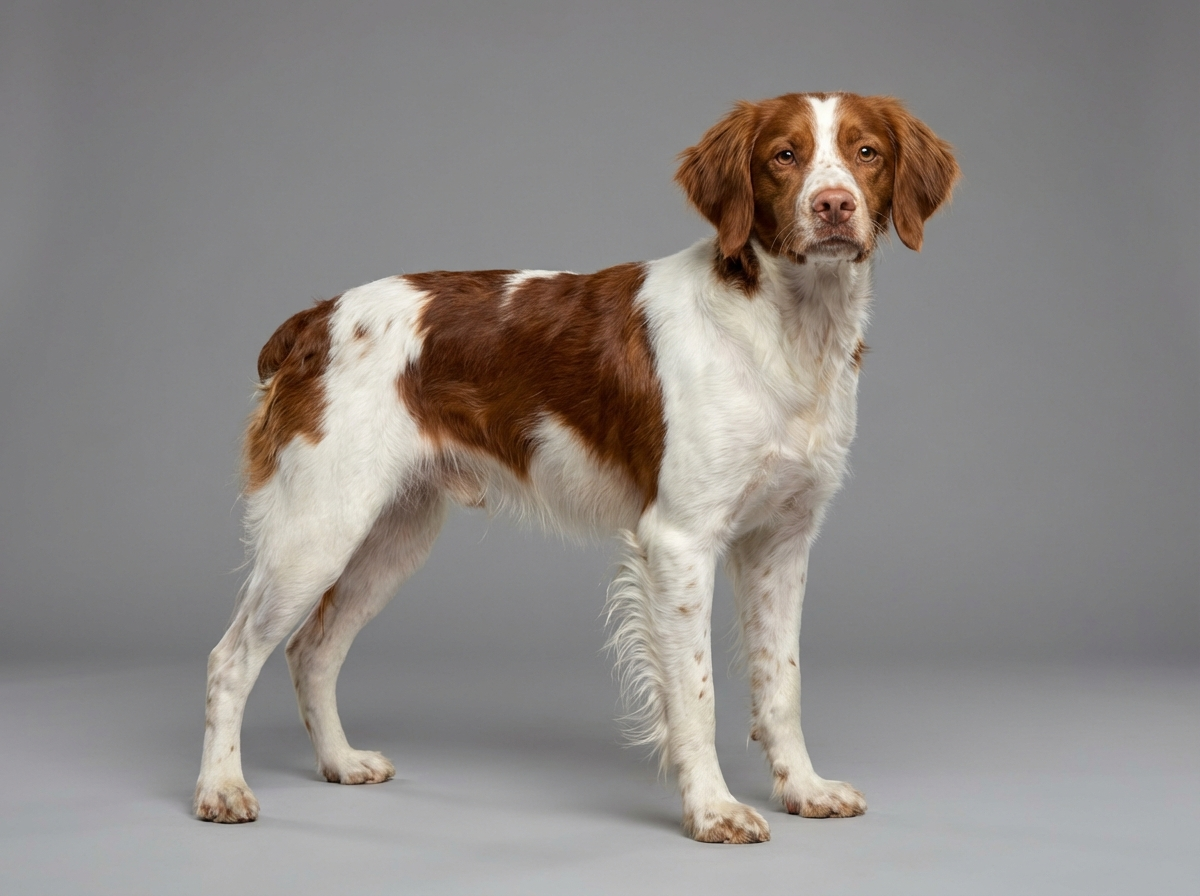
Costs
Brittany cost in Charlotte
About $92–$175/month, $1,350–$2,400 for year one — near-average, with a genuinely strong local trainer market for this anxiety-prone breed.

See Brittany price across all cities →
Quick answer
Brittany cost in Charlotte
About $92–$175/month, $1,350–$2,400 for year one — near-average, with a genuinely strong local trainer market for this anxiety-prone breed.
A Brittany in Charlotte costs about $92–$175 a month, with the first year around $1,350–$2,400 — close to the national average, in a city whose growth has brought a genuinely deep bench of dog trainers and behaviorists.

Budget mentally for two different scenarios with this breed: the gradual kind (epilepsy or a heart murmur, both documented, needing years of management) and the sudden kind (bloat, a true surgical emergency with no warning signs).
These figures reflect Charlotte's near-national-average general pricing, with North Carolina's long warm season keeping the parasite-prevention window active for most of the year and a note on the city's genuinely strong local trainer market.
Estimate · source: estimation · confidence: medium · updated 2026-09-05 · not a quote
| Item | Cost range |
|---|---|
Behaviorist or trainer sessions (anxiety management) A genuinely worthwhile investment for this breed's documented anxiety tendency, taking advantage of Charlotte's concentrated trainer market. | $150 - $400 |
One-time setup (initial vet visit, spay/neuter, gear) Covers the first exam, vaccinations, spay/neuter if needed, and basic gear — priced close to the national average. | $310 - $530 |
| Item | Cost range |
|---|---|
Food Close to the national average for an active, medium-sized sporting breed. | $40 - $65 |
Grooming The medium wavy coat needs regular brushing; most owners handle this at home without frequent professional grooming. | $10 - $21 |
Flea & tick prevention Close to year-round given North Carolina's long, warm season. | $15 - $27 |
Each range starts from a national baseline for this breed's size class and is then adjusted for local cost of living and veterinary pricing. The baselines, and the source each one came from, are listed on our sources page (dataset 2026.09). Two inputs, the purchase price and the emergency reserve, have no published national figure we could verify, so we leave them to you rather than invent them.
These are planning estimates, not quotes. Your own numbers will move with the individual dog, your vet and your insurer. Build a budget with your own figures.
For a Brittany in Charlotte, insurance mostly comes down to the breed's epilepsy, heart murmur and bloat risk rather than anything specific to the local market, since Charlotte's general vet pricing runs close to the national average.
Insurance purchased before any symptoms appear is the single most effective way to prepare for this breed's documented seizure and cardiac risk — waiting until a diagnosis means the condition gets excluded.
Owners who've built a genuinely large emergency fund and are comfortable managing a serious case's cost themselves can reasonably self-insure instead.
Charlotte's near-average costs mean the real value-add here is investing early in professional training for this breed's documented anxiety tendency.
Charlotte's growth as the country's second-largest banking center has driven broader growth in professional services generally, and that extends into the pet-care market: a genuine concentration of certified dog trainers and behaviorists has developed alongside the city's population boom, more than a comparably sized city in a slower-growing region typically supports.
For a Brittany owner, that's a real, practical resource given this breed's documented tendency toward separation anxiety — working with a trainer specializing in departure anxiety, rather than trying to solve it alone through trial and error, often produces faster, more reliable results.
Charlotte's general cost of living tracks close to the national average, and North Carolina's long warm season keeps flea-and-tick prevention active for most of the year, one of the longer windows this site covers.

A Charlotte Brittany owner tried several self-guided approaches to the dog's departure anxiety without lasting success. A certified trainer specializing in separation anxiety, found through the city's active professional pet-services market, developed a structured desensitization plan tailored to the specific triggers, and the dog's anxiety-driven barking resolved almost entirely within six weeks of consistent sessions.
Key takeaway: For a breed this genuinely prone to separation anxiety, professional guidance often succeeds where generic self-guided advice doesn't — Charlotte's growing trainer market makes that expertise more accessible than in many comparably sized cities.
About $92–$175, close to the national average across most categories.
Roughly $1,350–$2,400, including the initial vet exam, spay/neuter if needed, and gear on top of ongoing monthly costs.
Genuinely, yes — the city's rapid growth has produced a real concentration of certified dog trainers and behaviorists, a useful resource for working through this breed's documented separation-anxiety tendency with professional guidance.
North Carolina's long warm season keeps flea-and-tick prevention active for most of the year, one of the longer windows this site covers, though this is a routine consideration rather than a major factor either way.
This breed's combination of seizure, cardiac and bloat risk makes insurance a genuinely defensive purchase, best locked in before any symptoms appear.
Around $560 covers a typical significant vet visit in this market, close to the national baseline given Charlotte's near-average general cost of living.
About $92–$175/month, $1,350–$2,400 for year one — near-average, with a genuinely strong local trainer market for this anxiety-prone breed.
This guide is not medical advice. If your dog shows pain, sudden behavior change, or worsening symptoms, consult a licensed veterinarian.
Some links may be affiliate links. We may earn a commission at no extra cost to you. We only suggest products we believe are helpful for dog owners.
We research and check what we publish, but we do not warrant that any figure, date, price, or statement is accurate, complete, or current, and we accept no liability for any loss, cost, injury, or other harm arising from the use of this site. Use it as one reference among several. You remain responsible for your own decisions and for your dog's care - confirm anything that matters with a licensed veterinarian or another qualified professional before you act on it. Full disclaimer.
One sheet with every line item, the emergency fund and when insurance pays off - unlocks on this page.
You get: 12-month budget sheet
No spam. One-click unsubscribe. See our privacy policy.
Preview page 1 before you decide.