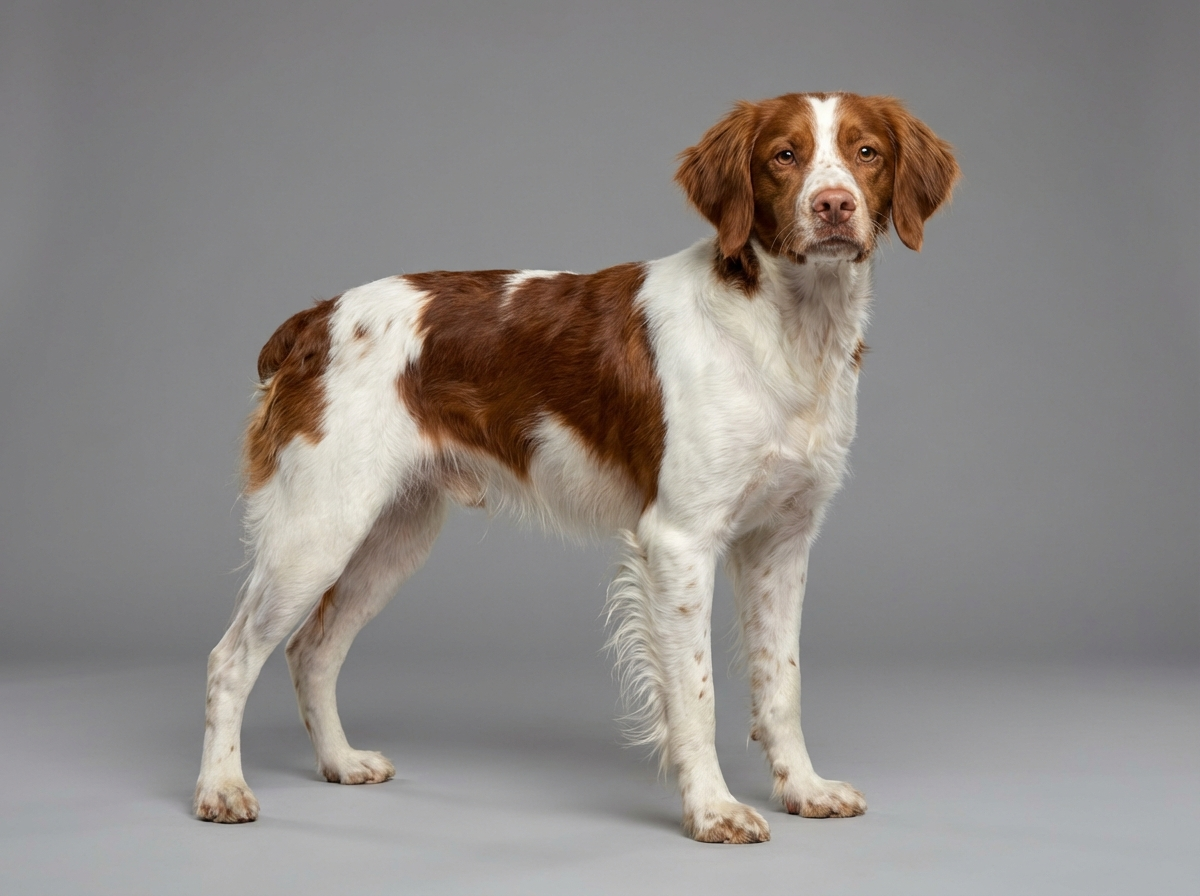
Costs
Brittany cost in Burlington
About $92–$175/month, $1,350–$2,400 for year one — near-average, with genuine grouse-hunting terrain but a small market for specialist care.

See Brittany price across all cities →
Quick answer
Brittany cost in Burlington
About $92–$175/month, $1,350–$2,400 for year one — near-average, with genuine grouse-hunting terrain but a small market for specialist care.
A Brittany in Burlington costs about $92–$175 a month, with the first year around $1,350–$2,400 — close to the national average, in Vermont's small, close-knit ruffed-grouse-hunting community.
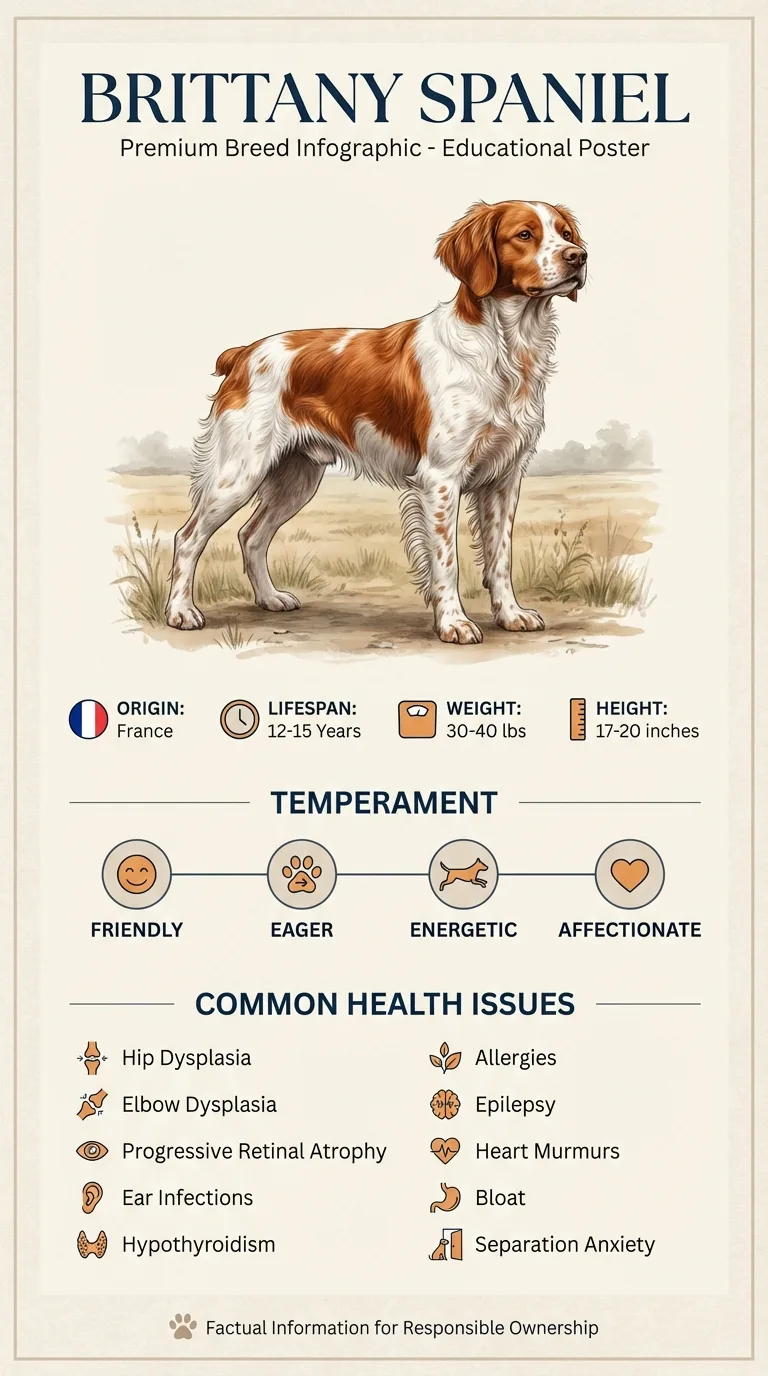
This breed's seizure and cardiac risks tend to reveal themselves over months or years of monitoring, not a single vet visit. Bloat works on a completely different timeline — hours, not months — and needs immediate surgical care.
These figures reflect Burlington's near-national-average general pricing with Vermont's small vet market offsetting somewhat lower base costs, plus a shortened parasite season from the state's long winters.
Estimate · source: estimation · confidence: low · updated 2026-09-05 · not a quote
| Item | Cost range |
|---|---|
One-time setup (initial vet visit, spay/neuter, gear) Covers the first exam, vaccinations, spay/neuter if needed, and basic gear — priced close to the national average. | $320 - $545 |
| Item | Cost range |
|---|---|
Food Close to the national average for an active, medium-sized sporting breed. | $41 - $66 |
Grooming The medium wavy coat needs regular brushing; most owners handle this at home without frequent professional grooming. | $9 - $19 |
Flea & tick prevention One of the shorter active seasons this site covers — Vermont's long, cold winters mean several months a year with minimal flea-and-tick risk. | $9 - $17 |
Each range starts from a national baseline for this breed's size class and is then adjusted for local cost of living and veterinary pricing. The baselines, and the source each one came from, are listed on our sources page (dataset 2026.09). Two inputs, the purchase price and the emergency reserve, have no published national figure we could verify, so we leave them to you rather than invent them.
These are planning estimates, not quotes. Your own numbers will move with the individual dog, your vet and your insurer. Build a budget with your own figures.
For a Brittany in Burlington, insurance is less about local pricing and more about covering the cost and logistics of a specialist referral to Boston if epilepsy or a heart condition becomes a serious issue.
A policy locked in during puppyhood, before anything shows up on a chart, is worth far more than one bought after a diagnosis — especially given how often this breed's epilepsy and heart-murmur risks materialize.
A family confident in their own savings discipline, with a real reserve earmarked specifically for vet emergencies, can reasonably go without a monthly policy.
Burlington's small market means the real planning here is around specialist logistics, not routine pricing, which stays close to the national norm.
Ruffed grouse thrive in Vermont's dense second-growth forests, a genuinely different hunting proposition than the open cornfields pheasant hunters work further west — thicker cover, closer flushes, and a dog that has to point and hold in tangled brush rather than wide-open stubble. A Brittany takes to that denser terrain readily, and because Vermont's hunting-dog scene is small, newcomers often find themselves welcomed into an informal network of local handlers happy to share favorite covert locations.
That same small-state scale shows up on the veterinary side too: fewer competing general practices than a larger metro offers, and anything requiring a board-certified neurologist or cardiologist, worth knowing about given this breed's documented seizure and cardiac tendencies, typically means the multi-hour drive to Boston.
Burlington's routine costs land close to the national middle, with genuinely cold winters cutting the flea season short and a smaller local market meaning it pays to call around before settling on a regular vet.

A Burlington Brittany owner, curious about the breed's hunting heritage, joined a friend for a fall grouse-hunting outing in Vermont's forested hills. The dog's response to the terrain and scent work was immediate and enthusiastic, and the outing became an annual fall ritual that gave the dog a genuine, purpose-built outlet the rest of the year's regular exercise hadn't fully provided.
Key takeaway: In a state with genuine grouse-hunting terrain like Vermont's, even an occasional seasonal outing can meaningfully address this breed's documented working-drive and anxiety needs at minimal cost.
About $92–$175, close to the national average. Vermont's smaller vet market can mean somewhat less price competition between clinics, offsetting the state's generally moderate cost of living.
Roughly $1,350–$2,400, including the initial vet exam, spay/neuter if needed, and gear on top of ongoing monthly costs.
In a distinct way, yes — Vermont's forested hills support a genuine ruffed grouse hunting tradition, and this breed's versatile pointing instincts adapt well to that denser woodland terrain.
General veterinary care is solid, but Vermont's small market means essentially no board-certified specialists locally. A case requiring specialist neurological or cardiac care would likely mean a referral to Boston.
Worth considering specifically because of the referral-distance factor — if epilepsy or a heart condition requires specialist care out of the immediate area, insurance helps offset both the treatment and the added logistics.
Around $600 covers a typical local emergency vet visit. If a referral out of the area becomes necessary, plan for a larger fund to cover both the procedure and the travel involved.
About $92–$175/month, $1,350–$2,400 for year one — near-average, with genuine grouse-hunting terrain but a small market for specialist care.
This guide is not medical advice. If your dog shows pain, sudden behavior change, or worsening symptoms, consult a licensed veterinarian.
Some links may be affiliate links. We may earn a commission at no extra cost to you. We only suggest products we believe are helpful for dog owners.
We research and check what we publish, but we do not warrant that any figure, date, price, or statement is accurate, complete, or current, and we accept no liability for any loss, cost, injury, or other harm arising from the use of this site. Use it as one reference among several. You remain responsible for your own decisions and for your dog's care - confirm anything that matters with a licensed veterinarian or another qualified professional before you act on it. Full disclaimer.
One sheet with every line item, the emergency fund and when insurance pays off - unlocks on this page.
You get: 12-month budget sheet
No spam. One-click unsubscribe. See our privacy policy.
Preview page 1 before you decide.