Costs
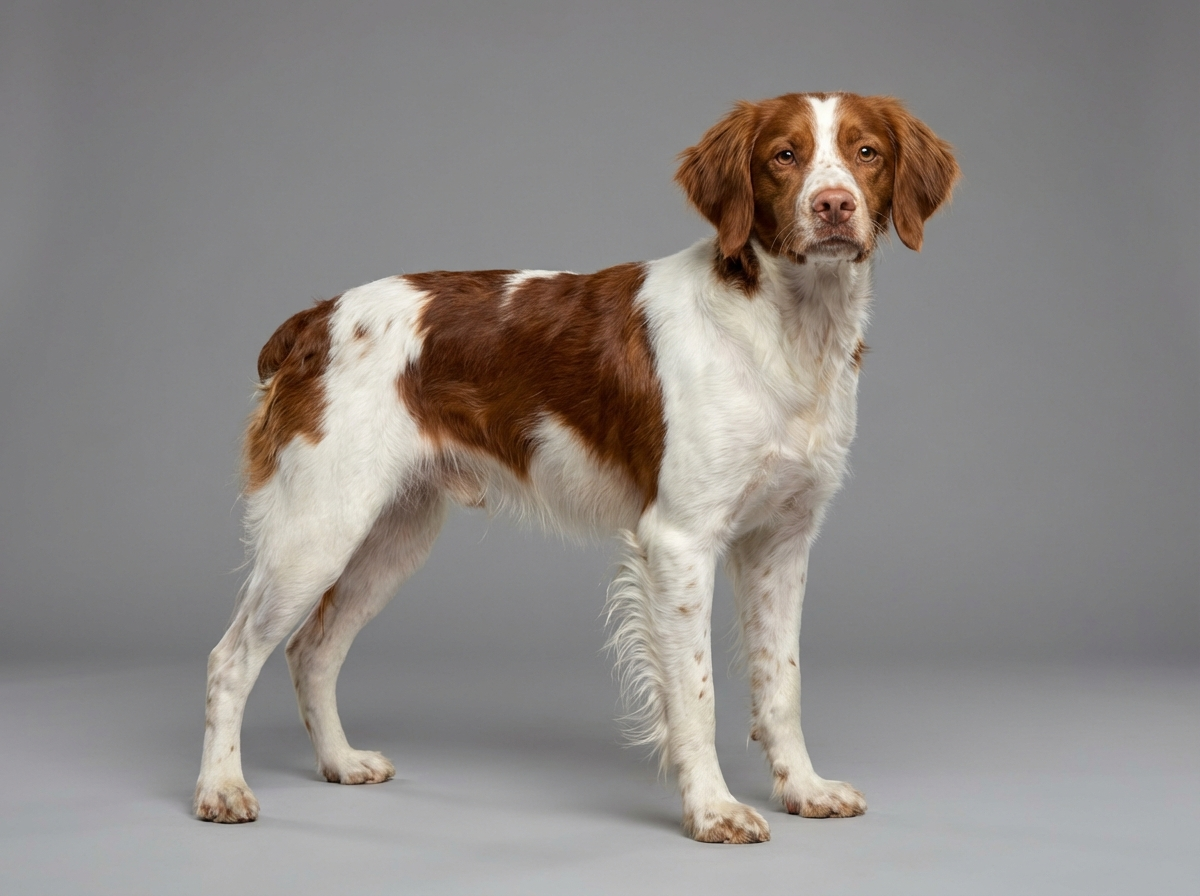
Brittany cost in Charleston
About $95–$180/month, $1,400–$2,500 for year one — near-average, but this anxiety-prone breed is a poor fit for standard boarding here.

See Brittany price across all cities →
Quick answer
Brittany cost in Charleston
About $95–$180/month, $1,400–$2,500 for year one — near-average, but this anxiety-prone breed is a poor fit for standard boarding here.
A Brittany in Charleston costs about $95–$180 a month, with the first year around $1,400–$2,500 — close to the national average, with one travel-planning consideration specific to this breed's documented anxiety.

Between hip dysplasia, epilepsy and heart murmurs, this breed carries a real chronic-condition burden worth discussing with a vet proactively. Bloat is the acute outlier: a sudden emergency, no slow buildup, immediate surgery required.
These figures reflect Charleston's near-South-Carolina-average general pricing, with a boarding line item reflecting both the city's tourism-driven peak-season pricing and the in-home pet-sitting alternative this breed's anxiety tendency generally calls for.
Estimate · source: estimation · confidence: medium · updated 2026-09-05 · not a quote
| Item | Cost range |
|---|---|
In-home pet-sitting (peak-season rate) Per-night rate during Charleston's peak spring/fall tourism seasons; generally a better fit than boarding for this specific breed. | $40 - $80 |
One-time setup (initial vet visit, spay/neuter, gear) Covers the first exam, vaccinations, spay/neuter if needed, and basic gear. | $320 - $545 |
| Item | Cost range |
|---|---|
Food Close to the national average for an active, medium-sized sporting breed. | $41 - $66 |
Grooming The medium wavy coat needs regular brushing; coastal humidity makes at-home consistency worthwhile. | $10 - $21 |
Flea & tick prevention Close to year-round given the Lowcountry's long, humid warm season. | $15 - $27 |
Each range starts from a national baseline for this breed's size class and is then adjusted for local cost of living and veterinary pricing. The baselines, and the source each one came from, are listed on our sources page (dataset 2026.09). Two inputs, the purchase price and the emergency reserve, have no published national figure we could verify, so we leave them to you rather than invent them.
These are planning estimates, not quotes. Your own numbers will move with the individual dog, your vet and your insurer. Build a budget with your own figures.
For a Brittany in Charleston, insurance mostly comes down to the breed's epilepsy, heart murmur and bloat risk rather than anything specific to the local market, since Charleston's general vet pricing runs close to the state average.
The math favors buying early here: epilepsy and heart murmurs are common enough in this breed that a young, healthy dog is exactly when a policy delivers the most value.
For owners who'd rather self-insure, the key is having the reserve actually set aside and untouched — not just a hypothetical willingness to cover a bill if one comes up.
Charleston's routine costs stay near the national average; the real planning lever specific to this breed is choosing pet-sitting over boarding and booking it early.
Charleston's tourism-driven economy brings a real seasonal surge each spring and fall, and local boarding kennels often raise rates or book out weeks in advance during those same peak windows, a useful thing to know before assuming an off-season quote applies year-round.
For a Brittany specifically, that seasonal pricing consideration is almost secondary to a more fundamental mismatch: this breed's well-documented separation-anxiety tendency makes a standard small-kennel boarding stay, with its unfamiliar environment and reduced individual attention, a genuinely poor fit to begin with. A trusted in-home pet-sitter, booked well in advance given Charleston's peak-season demand, is typically the better and often more cost-effective choice for this specific breed regardless of season.
Charleston's general cost of living tracks close to the South Carolina state average, and the coastal Lowcountry's long, humid warm season keeps flea-and-tick prevention close to year-round.

A Charleston Brittany owner booked a standard kennel stay for a weekend trip, only to pick up a visibly stressed, barely-eating dog afterward. The kennel staff mentioned the dog had barked and paced for most of the stay. The following trip, the owner hired a trusted in-home pet-sitter instead, booked a month ahead given the peak season, and the dog stayed noticeably calmer in its own familiar environment.
Key takeaway: For a breed this prone to separation anxiety, the choice between boarding and in-home pet-sitting matters more than the price difference — Charleston's peak-season demand makes booking the better option early especially important.
About $95–$180, close to the national average for most categories, with boarding as a notable exception given this breed's documented anxiety tendency.
Roughly $1,400–$2,500, including the initial vet exam, spay/neuter if needed, and gear on top of ongoing monthly costs.
Generally not — this breed's documented separation-anxiety tendency makes a standard small-kennel stay a genuinely poor fit, and Charleston's tourism-driven peak-season demand only compounds the challenge with higher prices and limited availability.
A trusted in-home pet-sitter, booked well in advance given the city's peak-season demand, typically handles this breed's anxiety tendency better than a boarding kennel and is often comparably priced or cheaper.
Yes, and the timing matters — buy while the dog is young, since epilepsy, heart murmurs and bloat are all documented enough in this breed that waiting risks a pre-existing exclusion.
Around $580 covers a typical significant vet visit in this market, close to the national baseline given Charleston's near-average general cost of living.
About $95–$180/month, $1,400–$2,500 for year one — near-average, but this anxiety-prone breed is a poor fit for standard boarding here.
This guide is not medical advice. If your dog shows pain, sudden behavior change, or worsening symptoms, consult a licensed veterinarian.
Some links may be affiliate links. We may earn a commission at no extra cost to you. We only suggest products we believe are helpful for dog owners.
We research and check what we publish, but we do not warrant that any figure, date, price, or statement is accurate, complete, or current, and we accept no liability for any loss, cost, injury, or other harm arising from the use of this site. Use it as one reference among several. You remain responsible for your own decisions and for your dog's care - confirm anything that matters with a licensed veterinarian or another qualified professional before you act on it. Full disclaimer.
One sheet with every line item, the emergency fund and when insurance pays off - unlocks on this page.
You get: 12-month budget sheet
No spam. One-click unsubscribe. See our privacy policy.
Preview page 1 before you decide.