Costs
Brittany cost in Cheyenne
About $70–$135/month, $1,050–$1,880 for year one — among the more affordable cities this site covers, with a real July boarding spike during Frontier Days.

See Brittany price across all cities →
Quick answer
Brittany cost in Cheyenne
About $70–$135/month, $1,050–$1,880 for year one — among the more affordable cities this site covers, with a real July boarding spike during Frontier Days.
A Brittany in Cheyenne costs about $70–$135 a month, with the first year around $1,050–$1,880 — below the national average, in genuine upland hunting country with one predictable seasonal cost spike.
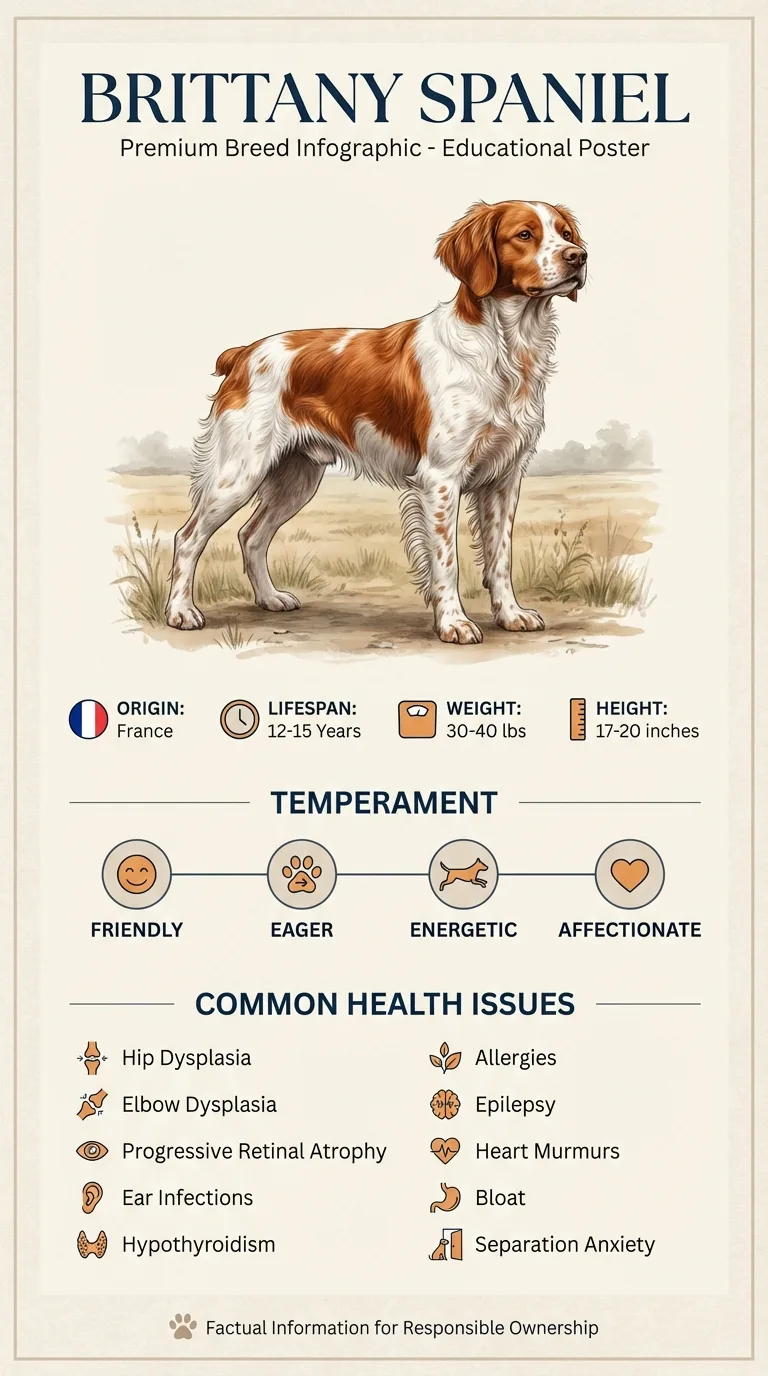
This breed's documented heart-murmur and epilepsy rates mean a young dog's first full physical is worth taking seriously, not treating as a formality. Bloat, separately, is the one true emergency here — sudden onset, immediate surgery.
These figures adjust the Brittany's typical national cost range down for Cheyenne's below-average, no-income-tax market, with a note on Frontier Days' real, narrow effect on July boarding pricing.
Estimate · source: estimation · confidence: low · updated 2026-10-06 · not a quote
| Item | Cost range |
|---|---|
Boarding or pet-sitting (Frontier Days peak week) Per-night rate during Cheyenne Frontier Days each July, notably higher than an off-season quote given the event's scale relative to the city's size. | $35 - $70 |
One-time setup (initial vet visit, spay/neuter, gear) Covers the first exam, vaccinations, spay/neuter if needed, and basic gear — priced at Cheyenne's generally affordable rates. | $250 - $425 |
| Item | Cost range |
|---|---|
Food Below the national average, consistent with Wyoming's generally lower price level. | $33 - $54 |
Flea & tick prevention One of the shorter active seasons this site covers — Wyoming's high-plains winters mean several months a year with minimal flea-and-tick risk. | $7 - $14 |
Each range starts from a national baseline for this breed's size class and is then adjusted for local cost of living and veterinary pricing. The baselines, and the source each one came from, are listed on our sources page (dataset 2026.09). Two inputs, the purchase price and the emergency reserve, have no published national figure we could verify, so we leave them to you rather than invent them.
These are planning estimates, not quotes. Your own numbers will move with the individual dog, your vet and your insurer. Build a budget with your own figures.
For a Brittany in Cheyenne, insurance is worth taking seriously given the breed's documented epilepsy and heart murmur risk, even in a market where general costs otherwise run comfortably low.
Given this breed's real epilepsy and heart-murmur statistics, a policy bought in puppyhood is a genuinely defensive financial move, not a luxury.
Self-insuring is reasonable for a household that's already earmarked real savings for this exact scenario, rather than assuming they'll figure it out if and when a diagnosis comes.
Cheyenne already starts from a lower cost base than most cities on this site; the real planning here is around Frontier Days week, not routine cost-cutting.
Cheyenne Frontier Days, held every July and billed as the world's largest outdoor rodeo, draws hundreds of thousands of visitors to a city with a fairly modest year-round population, and that surge has a real, narrow effect on local pet-service pricing: boarding kennels and pet-sitters routinely raise rates or book out well ahead of the ten-day event. Worth knowing before assuming a normal-week quote applies during that stretch.
Outside of Frontier Days, Wyoming's high plains and sagebrush terrain support genuine sage-grouse and pheasant hunting seasons, and a Brittany's versatile pointing instincts find real purpose in that kind of open-country field work, a meaningful outlet for this breed's documented separation-anxiety tendency when the dog gets consistent access to it.
Wyoming's lack of a state income tax and its high-plains, cold-winter climate both work in a Cheyenne owner's favor for the routine budget: overall costs run well below the national average, and the short warm season keeps flea-and-tick prevention clearly seasonal.

A Cheyenne Brittany owner, having already learned to avoid Frontier Days week for boarding after one overpriced scramble, spent the rest of that same summer building a different routine: a guided sage-grouse hunt in September became the dog's seasonal highlight, and the anxious energy that had driven the earlier boarding mishap noticeably eased once regular field access became part of the dog's calendar.
Key takeaway: In Cheyenne specifically, the two real local factors for this breed, a narrow July boarding squeeze and genuinely excellent upland hunting access, work best planned around together rather than as separate concerns.
About $70–$135, below the national average. Wyoming's lack of a state income tax and the state's generally low cost of living both help keep this budget comfortably low.
Roughly $1,050–$1,880, including the initial vet exam, spay/neuter if needed, and gear on top of ongoing monthly costs — one of the more affordable first-year ranges this site covers.
Cheyenne Frontier Days, the world's largest outdoor rodeo, draws hundreds of thousands of visitors to a fairly small city, and local boarding kennels and pet-sitters routinely raise rates or book out well ahead of the ten-day event.
Genuinely, yes — the state's high plains and sagebrush terrain support real sage-grouse and pheasant hunting, giving this versatile pointing breed genuine access to its original working purpose.
The breed's documented epilepsy, heart-murmur and bloat risk tips the math toward buying insurance early rather than waiting to see if a condition develops.
Around $450 covers a typical significant vet visit in this market, reflecting Cheyenne's below-national-average general pricing.
About $70–$135/month, $1,050–$1,880 for year one — among the more affordable cities this site covers, with a real July boarding spike during Frontier Days.
This guide is not medical advice. If your dog shows pain, sudden behavior change, or worsening symptoms, consult a licensed veterinarian.
Some links may be affiliate links. We may earn a commission at no extra cost to you. We only suggest products we believe are helpful for dog owners.
We research and check what we publish, but we do not warrant that any figure, date, price, or statement is accurate, complete, or current, and we accept no liability for any loss, cost, injury, or other harm arising from the use of this site. Use it as one reference among several. You remain responsible for your own decisions and for your dog's care - confirm anything that matters with a licensed veterinarian or another qualified professional before you act on it. Full disclaimer.
One sheet with every line item, the emergency fund and when insurance pays off - unlocks on this page.
You get: 12-month budget sheet
No spam. One-click unsubscribe. See our privacy policy.
See a sample page before you decide.