Behavior
What are quick tips for German Wirehaired Pointer skin infections?
Maintain regular grooming and bathing to keep their skin clean and dry. Ensure they have a balanced diet rich in omega fatty acids to support skin health.

Quick answer
What are quick tips for German Wirehaired Pointer skin infections?
Maintain regular grooming and bathing to keep their skin clean and dry. Ensure they have a balanced diet rich in omega fatty acids to support skin health.
German Wirehaired Pointer skin infections can be a frustrating issue for owners.
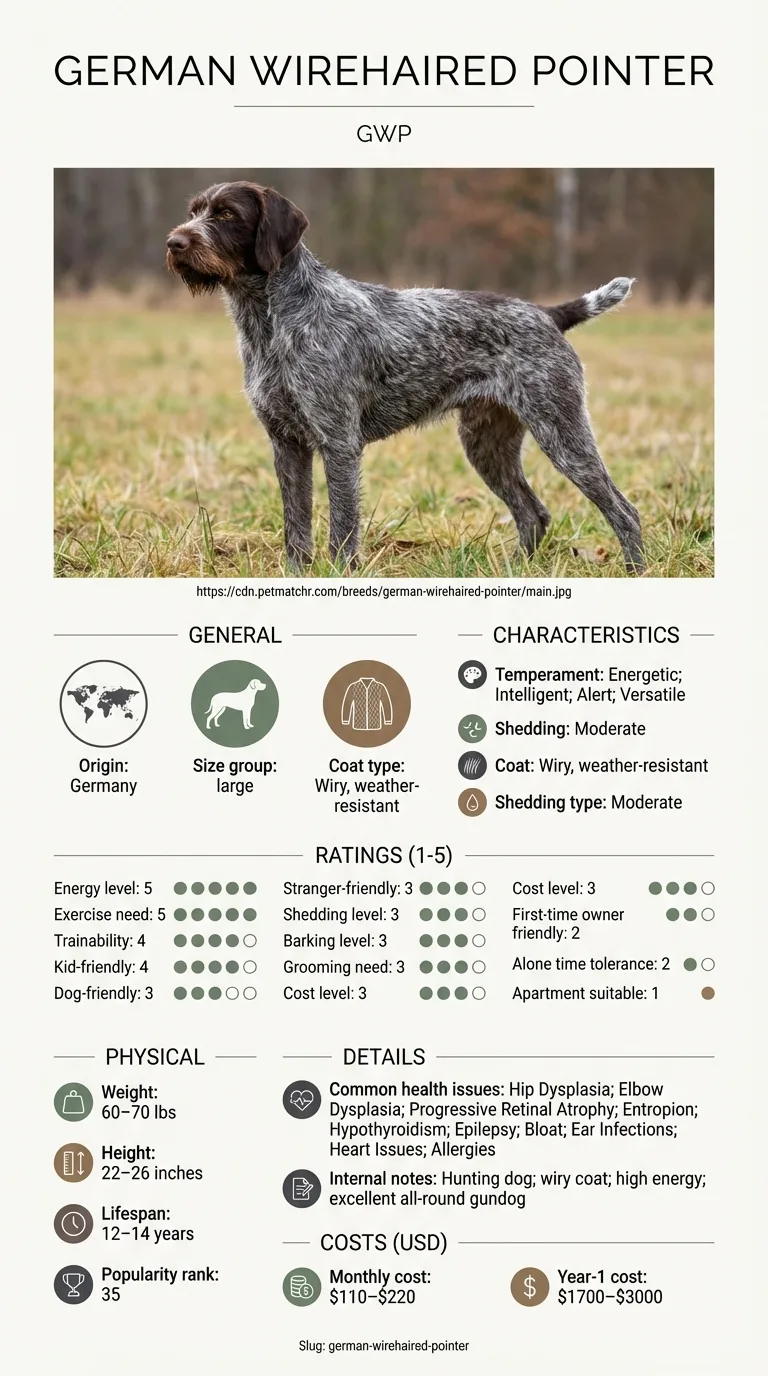
Typical owners include active families and individuals who may not notice changes in their dog's skin right away. Busy lifestyles can make it challenging to catch these issues before they escalate.
This guide is not medical advice. If your dog shows pain, sudden behavior change, or worsening symptoms, consult a licensed veterinarian.
Some links may be affiliate links. We may earn a commission at no extra cost to you. We only suggest products we believe are helpful for dog owners.
We research and check what we publish, but we do not warrant that any figure, date, price, or statement is accurate, complete, or current, and we accept no liability for any loss, cost, injury, or other harm arising from the use of this site. Use it as one reference among several. You remain responsible for your own decisions and for your dog's care - confirm anything that matters with a licensed veterinarian or another qualified professional before you act on it. Full disclaimer.
Check this first
Understanding when a skin infection becomes an emergency is crucial for your German Wirehaired Pointer's health. Look for these red-flag signs that mean you should call your vet immediately:
- Severe swelling or redness in the affected area. This could indicate a serious infection. - Excessive itching or scratching that leads to open wounds. This can worsen the infection and cause further complications. - Symptoms of fever or lethargy. If your dog seems unusually tired or unwell, it may signify a systemic issue related to the infection.
If any of these apply, call your vet or an emergency clinic now. The rest of this page is for the cases that are not an emergency.
German Wirehaired Pointer skin infections can be frustrating for both dogs and owners. These infections often appear as red, itchy patches on the skin or within facial folds. Common signs include excessive scratching, licking, and hair loss, which can lead to more serious skin issues if left untreated.
Skin infections are relatively common in German Wirehaired Pointers, especially due to their wiry coat that can trap moisture and debris. Regular grooming and attention to skin health can help minimize the risk.
German Wirehaired Pointers may be prone to skin infections due to their wiry coat and certain genetic predispositions, such as allergies or sensitivities. Their active lifestyle can also lead to minor injuries or irritations that may become infected. Additionally, their moderate shedding can trap dirt and moisture, creating an environment conducive to skin problems.
Environmental factors like humidity, exposure to allergens, and grooming habits can significantly affect a German Wirehaired Pointer's skin health. If they spend time in wet or muddy conditions, this can lead to infections. Poor grooming practices, such as infrequent brushing or not cleaning facial folds properly, can also contribute to skin issues.
If you notice persistent redness, swelling, or discharge in your dog's skin, it's time to consult your vet. They can provide diagnosis and treatment options, especially if you suspect allergies or infection.
Avoiding common mistakes can help you manage your German Wirehaired Pointer's skin infections more effectively. Here are some behaviors to steer clear of.
Start here: German Wirehaired Pointer Most Common Genetic Disorders: Guide
See all German Wirehaired Pointer health problems, which breeds are prone to skin infections, or the full German Wirehaired Pointer breed guide for temperament, exercise needs and ownership costs.
With consistent care and follow-up with your vet, you can expect to see improvements in your German Wirehaired Pointer's skin condition within 4 to 6 weeks. Long-term success may take several months, depending on the severity of the infections.
Success means having fewer skin infections, healthier skin, and a happier dog. You'll notice reduced scratching, fewer vet visits, and a more active and comfortable dog.
If your German Wirehaired Pointer shows mild symptoms, you may be able to monitor the situation for a short period. Look for the following signs:
- Minor redness or irritation without significant swelling. This may not require immediate intervention. - Occasional scratching that does not lead to open wounds. Keep an eye on it, but it may resolve on its own. - No signs of fever or lethargy. If your dog is still active and eating well, you might manage the condition with proper care at home.
Always have a plan in place: clean the area regularly and consider a vet visit if there’s no improvement within a few days.

Max, a 3-year-old German Wirehaired Pointer, struggled with persistent skin infections that left him scratching and uncomfortable. His owner, Sarah, a busy nurse in Seattle, noticed Max's distress but felt overwhelmed by the vet visits and conflicting advice. After researching how to stop German Wirehaired Pointer skin infections, she learned that a combination of better grooming, a specialized diet, and regular vet check-ups could help. She started using hypoallergenic shampoos and switched Max to a grain-free diet recommended by their vet. Within weeks, Max began to show improvement. Sarah also incorporated regular exercise to keep him healthy and reduce stress, a known trigger for skin issues. Now, Max is thriving, with shiny, healthy skin, and Sarah feels empowered by understanding his needs.
Key takeaway: Addressing skin infections in German Wirehaired Pointers requires commitment and a tailored approach, but with the right care, recovery is achievable.
German Wirehaired Pointer skin infections can occur due to various reasons, including allergies, poor hygiene, or underlying health issues. Their wiry coat can trap moisture and debris, leading to infections, especially in facial folds. Regular grooming and vet check-ups can help identify and prevent these skin problems.
To prevent German Wirehaired Pointer skin infections, maintain a regular grooming routine to keep their coat clean and dry. Ensure they have a balanced diet to support skin health and consult a vet for any persistent skin issues or allergies. Regular vet visits are crucial for early detection and treatment.
Symptoms of skin infections in German Wirehaired Pointers include redness, swelling, itching, and discharge in affected areas. If your dog is scratching excessively or has a foul odor, it’s essential to consult a vet. Early treatment can help prevent further issues.
While training itself won't prevent skin infections, it can help you manage your dog's behavior during treatment. Teaching commands such as 'leave it' can prevent them from scratching or licking infected areas. This will allow their skin to heal faster.
Yes, high-quality dog foods that are rich in omega fatty acids can improve skin health in German Wirehaired Pointers. Foods that avoid common allergens may also help if your dog has sensitivities. Always consult your vet for dietary recommendations tailored to your dog's needs.
At home, keep your German Wirehaired Pointer's environment clean and dry. Regularly bathe them with a vet-recommended shampoo and inspect their skin for any signs of infection. However, severe cases should be addressed by a vet for proper treatment.
German Wirehaired Pointer skin infections can be caused by allergies, parasites, or poor grooming. Their wiry coat can trap moisture and dirt, leading to skin irritation and infections if not properly maintained.
Look for signs like redness, swelling, or unusual odors on their skin. If your dog is scratching or licking excessively, it may indicate a skin infection that needs attention.
Yes, older German Wirehaired Pointers are more prone to skin infections due to a weakened immune system. Regular vet check-ups and good hygiene can help prevent issues.
If the infection worsens or shows no improvement after a few days, it's best to consult your vet. They can recommend the right treatment for German Wirehaired Pointer skin infections.
Absolutely. A poor diet can lead to skin allergies and infections. Consult your vet for dietary recommendations that may help improve your dog's skin health.
Maintain regular grooming and bathing to keep their skin clean and dry. Ensure they have a balanced diet rich in omega fatty acids to support skin health.
Groom your German Wirehaired Pointer at least once a week to prevent matting and skin issues. Regular brushing helps distribute natural oils and keeps their coat healthy.
If you notice excessive itching, redness, or discharge, it's time to visit the vet. Early intervention is key to preventing more serious infections.
A one-page prep sheet for this condition: the signs, the questions to ask, what to get priced. Unlocks here.
You get: Vet visit prep sheet
No spam. One-click unsubscribe. See our privacy policy.
Preview page 1 before you decide.