Health
What are some quick tips for German Wirehaired Pointer respiratory disease?
Ensure regular vet visits and maintain a clean living environment to minimize allergens. Keep your dog at a healthy weight to support lung function.

Quick answer
What are some quick tips for German Wirehaired Pointer respiratory disease?
Ensure regular vet visits and maintain a clean living environment to minimize allergens. Keep your dog at a healthy weight to support lung function.
German Wirehaired Pointer respiratory disease can significantly impact your dog's health and well-being.
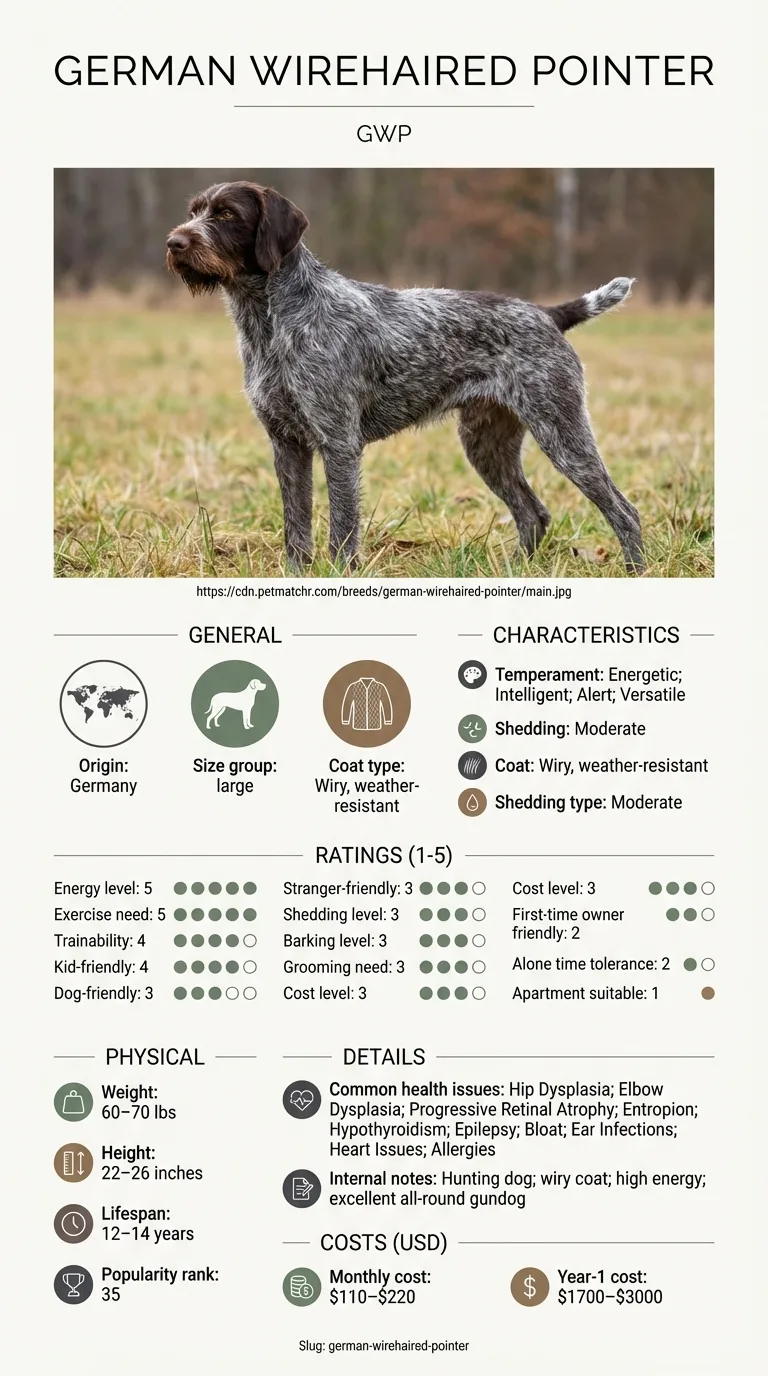
Owners of German Wirehaired Pointers, especially first-time dog parents, may find themselves concerned about respiratory issues. Active families who enjoy outdoor adventures with their dogs are particularly affected, as these health challenges can limit physical activity.
This guide is not medical advice. If your dog shows pain, sudden behavior change, or worsening symptoms, consult a licensed veterinarian.
Some links may be affiliate links. We may earn a commission at no extra cost to you. We only suggest products we believe are helpful for dog owners.
We research and check what we publish, but we do not warrant that any figure, date, price, or statement is accurate, complete, or current, and we accept no liability for any loss, cost, injury, or other harm arising from the use of this site. Use it as one reference among several. You remain responsible for your own decisions and for your dog's care - confirm anything that matters with a licensed veterinarian or another qualified professional before you act on it. Full disclaimer.
Check this first
Recognizing when your German Wirehaired Pointer’s respiratory disease is an emergency can be crucial for their health. There are clear red-flag signs that indicate you should call your vet immediately. These include difficulty breathing, persistent coughing, or a blue tint to the gums. If your dog is struggling to catch their breath or appears lethargic and unresponsive, it’s time to act fast.
On the other hand, some mild symptoms can be monitored at home. If your dog occasionally coughs or shows slight wheezing during play, you might not need to rush to the vet. However, it’s essential to keep a close eye on their behavior and note any changes. You can create a monitoring plan by tracking their symptoms over a few days. If the symptoms worsen or new signs appear, don’t hesitate to seek professional advice.
In summary, act quickly if your German Wirehaired Pointer shows severe respiratory distress. For mild cases, observe and take notes, but stay vigilant. Trust your instincts—if you feel something is off, it’s always best to consult your vet to ensure your furry friend stays healthy.
If any of these apply, call your vet or an emergency clinic now. The rest of this page is for the cases that are not an emergency.
German Wirehaired Pointers can face respiratory disease, which affects their breathing and overall health. This problem can manifest as wheezing, coughing, or labored breathing, especially during exercise or in hot weather. Owners may notice their dog struggling to catch its breath after physical activity, which can be alarming.
Respiratory disease is a significant concern for German Wirehaired Pointers, as they are at a higher risk compared to non-brachycephalic breeds. While not every GWP will face this issue, awareness and proactive care are essential for preventing respiratory problems.
German Wirehaired Pointers have a moderate risk for respiratory diseases due to their unique anatomy and high energy levels. Their wiry coat may also contribute to overheating during vigorous activities, which can stress their respiratory system. Additionally, certain inherited traits in the breed can predispose them to breathing issues.
Environmental factors like exposure to allergens, pollutants, or extreme temperatures can worsen respiratory conditions. A lack of proper ventilation in homes or inadequate exercise can also impact their respiratory health. Stressful situations, such as being left alone for long periods, may further exacerbate these issues.
If your German Wirehaired Pointer shows signs of respiratory disease, like difficulty breathing or frequent coughing, it's essential to talk to your vet. They can provide a proper diagnosis and recommend treatment options. Regular check-ups are also vital to monitor their overall health and catch any issues early.
When dealing with German Wirehaired Pointer respiratory disease, certain common mistakes can worsen the situation. Here are some pitfalls to avoid and better alternatives to consider.
Start here: German Wirehaired Pointer Most Common Genetic Disorders: Guide
See all German Wirehaired Pointer health problems, which breeds are prone to respiratory disease, or the full German Wirehaired Pointer breed guide for temperament, exercise needs and ownership costs.
With consistent care and follow-up with your vet, you can see improvements in your German Wirehaired Pointer's respiratory health within 3 to 6 months.
Success means your dog shows fewer signs of respiratory distress, is more active without excessive panting, and enjoys playtime without frequent breaks.
Sarah, a busy nurse from Denver, adopted her German Wirehaired Pointer, Max, thinking he would be a perfect companion for her active lifestyle. However, shortly after bringing him home, she noticed he often struggled to breathe after short walks. Concerned, Sarah researched and found that many German Wirehaired Pointers are prone to respiratory issues. She consulted her vet, who recommended a structured training program focusing on building Max's stamina gradually. Sarah also learned to modify his exercise routine, ensuring he had plenty of short, manageable bursts of activity rather than long, exhausting outings. Over the next few months, Max grew stronger and was able to enjoy longer walks without struggling for air. Sarah's dedication to understanding his needs made all the difference.
Key takeaway: Understanding your dog’s specific health challenges and adjusting their training and exercise can lead to significant improvements in their quality of life.
German Wirehaired Pointers can develop respiratory diseases due to a variety of factors, including genetic predisposition and environmental conditions. It's important to monitor their breathing and consult a veterinarian if you notice any changes or symptoms.
Managing a German Wirehaired Pointer with respiratory disease often involves regular vet check-ups, maintaining a clean environment, and avoiding allergens. Additionally, keeping their weight in check can help support better respiratory health.
While not all respiratory diseases can be prevented, regular exercise and a healthy diet can help strengthen your dog's immune system. Additionally, reducing exposure to smoke, dust, or allergens in your home can also make a significant difference.
Training techniques that focus on calm behavior can help alleviate stress, which may worsen respiratory issues. Engaging in gentle activities rather than high-energy exercises can also be beneficial for your dog's overall health.
Common signs of respiratory disease in German Wirehaired Pointers include coughing, wheezing, rapid breathing, and lethargy. If you notice any of these symptoms, it's important to consult your vet as soon as possible.
Yes, older German Wirehaired Pointers can be more susceptible to respiratory diseases due to age-related changes in their health. Regular veterinary check-ups become increasingly important as your dog ages to catch any potential issues early.
Some respiratory diseases can be hereditary, especially if there are known health issues in the breed. It’s a good idea to ask your breeder about the health history of the puppy’s parents to understand any potential risks.
Managing your German Wirehaired Pointer’s respiratory disease at home may include keeping them in a smoke-free environment, ensuring they get moderate exercise, and monitoring their weight. Always follow your vet's recommendations regarding medication and care.
You should take your German Wirehaired Pointer to the vet if they show persistent coughing, difficulty breathing, or a sudden decline in energy. Timely intervention can make a significant difference in their health outcomes.
Ensure regular vet visits and maintain a clean living environment to minimize allergens. Keep your dog at a healthy weight to support lung function.
Gentle walks several times a week are recommended rather than high-impact play. Always consult your vet for a tailored exercise plan.
Avoid exposing your dog to smoke, dust, and other allergens, as these can exacerbate respiratory problems. Keeping their living area well-ventilated is also important.
Yes, stress can negatively impact respiratory health. Training for calm behavior can help reduce anxiety and improve their overall well-being.
A one-page prep sheet for this condition: the signs, the questions to ask, what to get priced. Unlocks here.
You get: Vet visit prep sheet
No spam. One-click unsubscribe. See our privacy policy.
Preview page 1 before you decide.