Health
What should I do if my dog shows signs of vision loss?
If your dog exhibits signs of vision loss, schedule a vet appointment for a comprehensive eye exam. Early detection is crucial for managing conditions like progressive retinal atrophy.
German Wirehaired Pointer progressive retinal atrophy (PRA-RCD3) leads to vision loss, impacting your dog's quality of life.
Typically, owners of German Wirehaired Pointers face this issue, especially if they are unaware of the dog's genetic predisposition to eye diseases. Families with active lifestyles may find this particularly concerning, as their dogs rely heavily on vision for activities.
This guide is not medical advice. If your dog shows pain, sudden behavior change, or worsening symptoms, consult a licensed veterinarian.
Some links may be affiliate links. We may earn a commission at no extra cost to you. We only suggest products we believe are helpful for dog owners.
German Wirehaired Pointer progressive retinal atrophy (pra-rcd3) is a genetic condition that leads to gradual vision loss. Owners may notice their dog having difficulty navigating familiar spaces, bumping into furniture, or hesitating in low light. This progressive condition can start at a young age and worsen as the dog grows older, impacting their quality of life.
This condition is relatively common among German Wirehaired Pointers, with approximately 20% of the breed affected by some form of progressive retinal atrophy during their lifetime.
German Wirehaired Pointers are genetically predisposed to progressive retinal atrophy (PRA-rcd3). This inherited condition leads to gradual vision loss, affecting their quality of life. While not all GWP will develop this issue, the risk is higher due to their breed's genetic background.
Environmental factors can also play a role in the onset of PRA-rcd3. For instance, insufficient exposure to different light conditions may hinder their adaptive vision skills. Additionally, a lack of mental and physical stimulation can exacerbate behavioral issues stemming from vision loss.
If your German Wirehaired Pointer shows signs of anxiety or altered behavior due to vision loss, it might be time to consult a professional trainer. A trainer can provide tailored strategies that address behavioral challenges stemming from PRA-rcd3. Look for someone experienced with vision-impaired dogs.
If you notice significant changes in your dog's vision or behavior, schedule a vet appointment. A veterinarian can confirm the diagnosis of progressive retinal atrophy (PRA-rcd3) and discuss potential interventions or treatments. Early detection is key to managing the condition effectively.
Managing German Wirehaired Pointer progressive retinal atrophy (pra-rcd3) is an ongoing process. You may notice symptoms developing over several months to years, depending on the individual dog. Regular vet visits and adjustments to your dog's routine can help you cope effectively.
Success means keeping your dog comfortable and adapting to their vision changes. You'll notice your dog navigating familiar spaces with confidence and responding well to training techniques that accommodate their needs.
Avoiding these common mistakes can help improve your German Wirehaired Pointer's condition and overall well-being.
Understanding when German Wirehaired Pointer progressive retinal atrophy (PRA-rcd3) is an emergency can be crucial for your dog's well-being. If you notice sudden changes in your dog's vision, such as inability to see in bright light or difficulty navigating familiar spaces, these could be red flags. Other signs like sudden disorientation, excessive bumping into objects, or extreme anxiety can indicate it's time to call your vet immediately.

In less severe cases, you might observe gradual vision deterioration without sudden changes. If your German Wirehaired Pointer seems to adapt to their surroundings and shows no signs of distress, it can be okay to monitor their condition closely. Keeping a journal of their behavior and any changes in sight can help you and your vet determine the best course of action.
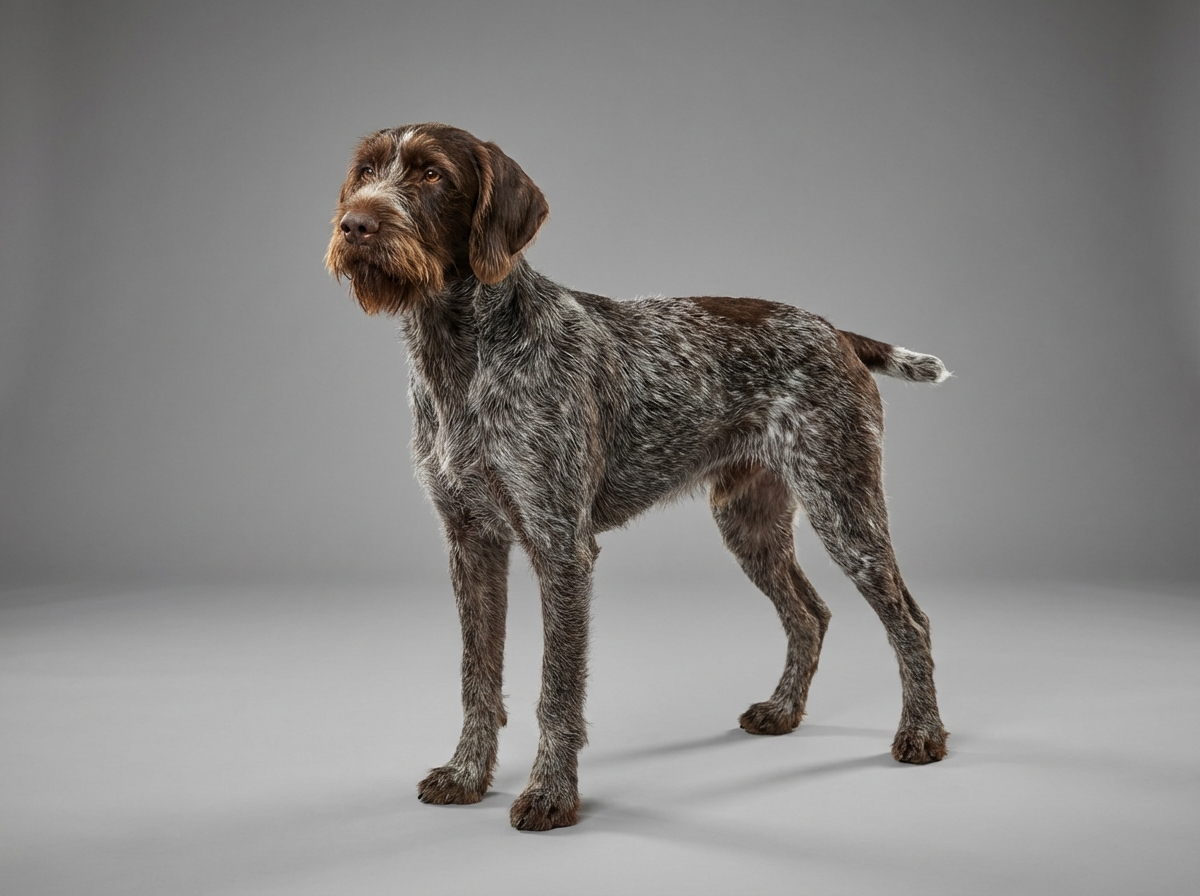
Emily, a busy nurse in Chicago, adopted Bella, a German Wirehaired Pointer. Shortly after, she noticed Bella bumping into furniture and struggling to find her toys. After a vet diagnosis of progressive retinal atrophy (pra-rcd3), Emily felt overwhelmed but committed to helping her dog. She learned to rearrange the living space, keeping pathways clear and using verbal cues during walks. Gradually, Bella adapted to her new reality, and Emily found joy in their new routines, realizing that with patience and creativity, they could still enjoy their time together.
Key takeaway: Adjusting to a dog's progressive retinal atrophy (pra-rcd3) requires a mix of patience, training, and environmental changes. With the right support, both you and your dog can thrive despite vision challenges.
German Wirehaired Pointer progressive retinal atrophy (pra-rcd3) is a genetic condition that leads to gradual vision loss. This degenerative eye disease affects the retina, causing dogs to lose their sight over time. Early detection can help manage the condition.
This condition is primarily inherited and can occur due to specific genetic mutations in German Wirehaired Pointers. It's important to consult with a vet to understand if your dog has the genetic predisposition for this disease. Regular eye exams can help catch the problem early.
Caring for a dog with pra-rcd3 involves creating a safe environment as their vision declines. Keep furniture in the same place to help them navigate and consider using tactile cues or sounds to guide them. Regular vet visits are essential to monitor their condition.
While training can't reverse vision loss, it can help your dog adapt to their condition. Focus on commands and cues that rely on sound and scent. This training can improve their confidence and help them navigate their environment better.
Signs include difficulty seeing in dim light, bumping into objects, and changes in behavior like increased anxiety or reluctance to go outside. If you notice these changes, consult your vet for a thorough eye examination.
Currently, there is no cure for progressive retinal atrophy. Management focuses on making adjustments to your dog's environment and ensuring they remain safe and comfortable. Regular vet check-ups are important for monitoring their overall health.
Early signs of PRA include difficulty seeing in low light, bumping into objects, or hesitance when navigating new environments. You might also notice your dog becoming more dependent on you for guidance. If you see these signs, it’s important to consult with your vet as soon as possible.
Yes, older German Wirehaired Pointers may show signs of PRA differently due to age-related changes in their vision. They might adapt better to their surroundings and rely on other senses, making it harder to notice the problem. Regular veterinary check-ups are crucial for early detection and management.
While there is no cure for PRA, you can manage your dog's quality of life by providing a consistent environment. Keeping furniture in the same place and avoiding obstacles can help your dog navigate safely. Training them to respond to commands can also be beneficial.
PRA-rcd3 is typically inherited and results from genetic factors. If your German Wirehaired Pointer has this condition, it means they may have received genes from one or both parents that predispose them to this eye disorder. Genetic testing can help determine the risk in future litters.
If you suspect your dog has PRA, schedule a veterinary appointment for a thorough eye exam. Early diagnosis can help manage the condition and maintain your dog's quality of life. Your vet can provide guidance on the best care practices moving forward.
If your dog exhibits signs of vision loss, schedule a vet appointment for a comprehensive eye exam. Early detection is crucial for managing conditions like progressive retinal atrophy.
Create a consistent environment by keeping furniture in the same place and using sound cues. Training them to respond to voice commands can also help them navigate better.
No, PRA-rcd3 itself is not painful, but the loss of vision can cause anxiety in some dogs. Providing a secure environment can help alleviate their stress.
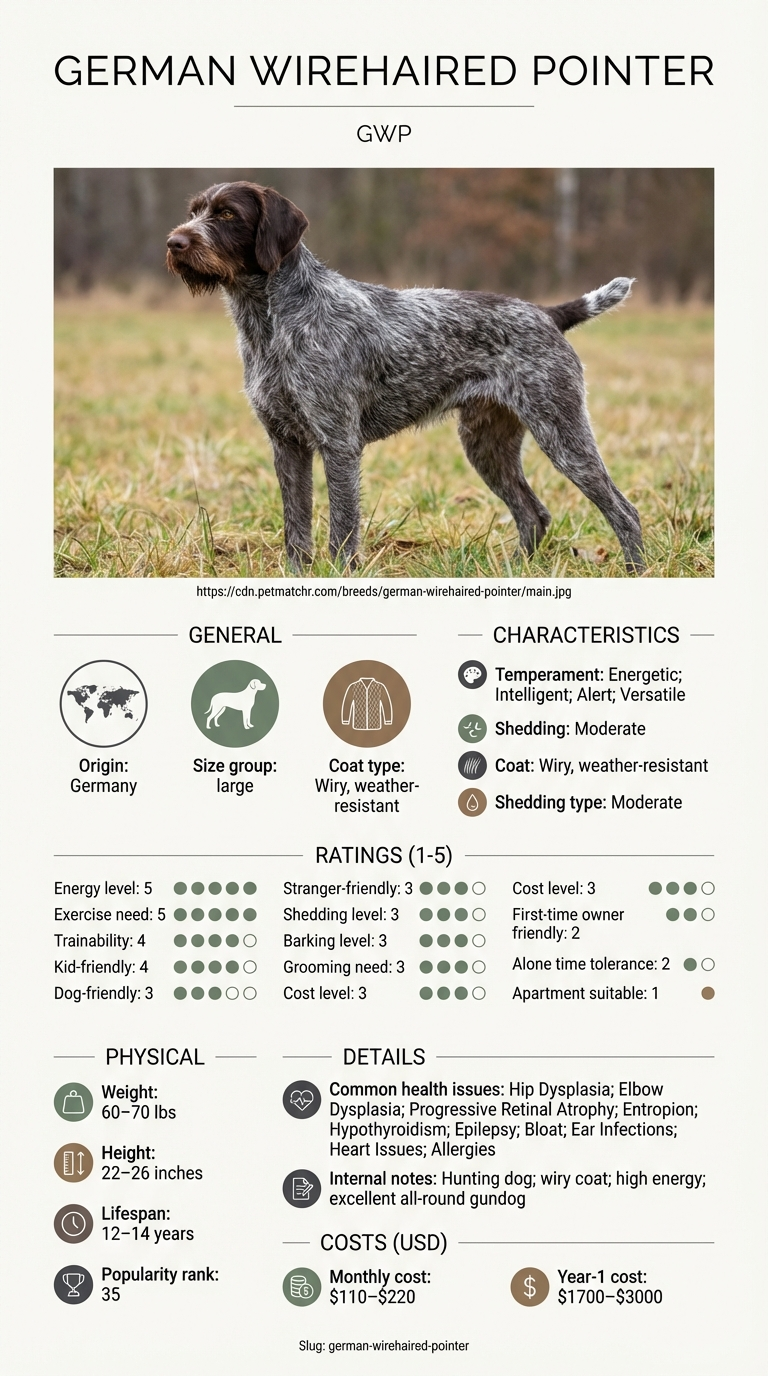
Monthly costs for managing a German Wirehaired Pointer, including vet visits and care, can range from $110 to $220. Budgeting for extra care is important as their needs evolve.