Behavior
What are quick tips for schnauzer comedo syndrome?
Keep your dog's coat clean and well-groomed to prevent schnauzer comedo syndrome. Regular baths and brushing can help manage skin health.

Quick answer
What are quick tips for schnauzer comedo syndrome?
Keep your dog's coat clean and well-groomed to prevent schnauzer comedo syndrome. Regular baths and brushing can help manage skin health.
German Wirehaired Pointer schnauzer comedo syndrome is a skin condition that affects many dogs, causing bumps and irritation on their skin.
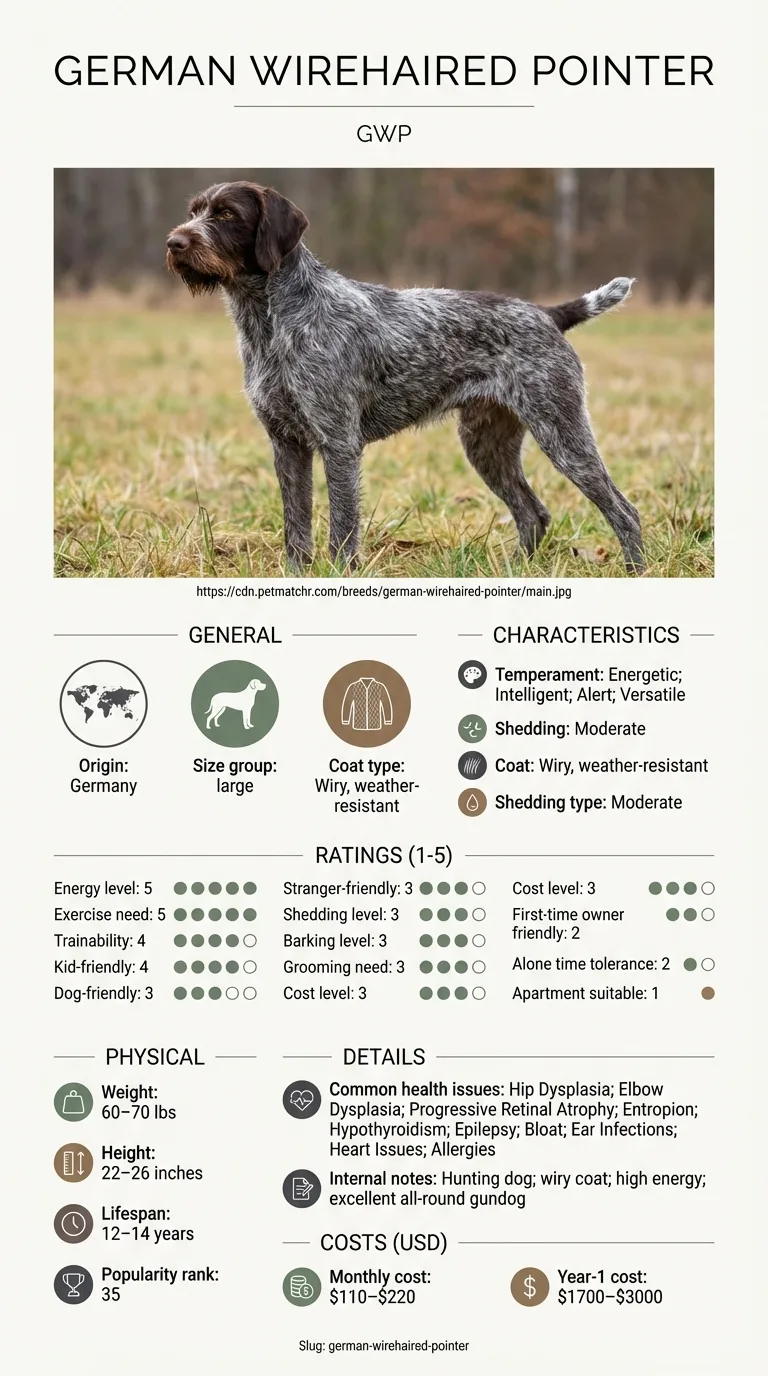
Owners of German Wirehaired Pointers often face this issue, especially those who may not be familiar with skin conditions. Busy families or first-time dog owners might find it challenging to recognize and address this syndrome promptly.
This guide is not medical advice. If your dog shows pain, sudden behavior change, or worsening symptoms, consult a licensed veterinarian.
Some links may be affiliate links. We may earn a commission at no extra cost to you. We only suggest products we believe are helpful for dog owners.
We research and check what we publish, but we do not warrant that any figure, date, price, or statement is accurate, complete, or current, and we accept no liability for any loss, cost, injury, or other harm arising from the use of this site. Use it as one reference among several. You remain responsible for your own decisions and for your dog's care - confirm anything that matters with a licensed veterinarian or another qualified professional before you act on it. Full disclaimer.
Check this first
Understanding when schnauzer comedo syndrome becomes an emergency can help you act quickly. If your German Wirehaired Pointer has severe symptoms like open sores, excessive itching, or swollen areas, it's time to call your vet immediately. These could indicate a secondary infection or a more serious condition that needs urgent attention.
On the other hand, if your dog has mild symptoms such as occasional bumps or slight itching, you may be able to monitor them at home. Keeping an eye on their condition while implementing a management plan, like regular grooming and topical treatments, can often suffice. However, any changes in behavior or worsening symptoms should prompt a vet visit.
If any of these apply, call your vet or an emergency clinic now. The rest of this page is for the cases that are not an emergency.
German Wirehaired Pointer schnauzer comedo syndrome is a skin condition that causes dark, sometimes painful bumps on the skin. Owners may notice these bumps, often around the back and rear, which can lead to itching and discomfort for their dog. This syndrome can be particularly frustrating, especially when it affects a breed known for its active lifestyle.
Schnauzer comedo syndrome is relatively common in German Wirehaired Pointers, particularly if they have a Schnauzer ancestry. Many owners report it as a recurring issue, especially in humid environments.
German Wirehaired Pointers can be prone to Schnauzer Comedo Syndrome due to their genetics. This condition often manifests as hairless bumps on the skin, primarily affecting areas with thicker fur. It is more common in certain breeds, including those with wiry coats.
Environmental factors like poor grooming or lack of proper diet can exacerbate this skin condition. Allergens in the home, such as dust or pollen, may also contribute to skin irritations. Stress and anxiety can further worsen the symptoms.
If home remedies do not improve your dog's condition within a few weeks, or if you notice severe redness, swelling, or pain, it's time to see a vet. They can recommend specific treatments or medications tailored to your dog's needs.
Here are some common mistakes to avoid when dealing with German Wirehaired Pointer schnauzer comedo syndrome. These behaviors can unintentionally worsen the situation or delay improvement.
Start here: German Wirehaired Pointer Most Common Genetic Disorders: Guide
See all German Wirehaired Pointer health problems, which breeds are prone to schnauzer comedo syndrome, or the full German Wirehaired Pointer breed guide for temperament, exercise needs and ownership costs.
You can expect to see improvements in your German Wirehaired Pointer schnauzer comedo syndrome within 6 to 8 weeks of consistent care and management.
Success means your dog has a healthier coat with fewer lesions, reduced itching, and overall better skin condition.
Emily adopted Max, her German Wirehaired Pointer, and soon noticed small bumps on his back. After consulting her vet, she learned that Max had schnauzer comedo syndrome. Determined to help him, Emily implemented a grooming routine that included regular baths with medicated shampoo and a special diet recommended by her vet. Gradually, Max's skin improved, and the lesions became less frequent. Emily’s dedication paid off, and Max's coat looked shinier and healthier.
Key takeaway: With the right care and commitment, you can manage schnauzer comedo syndrome effectively and help your dog feel more comfortable.
German Wirehaired Pointers can develop schnauzer comedo syndrome due to genetic factors, which cause hair follicles to become clogged. This condition is often characterized by the presence of blackheads and can lead to skin irritation. Regular grooming and proper skin care can help manage this issue. This answer relates to German Wirehaired Pointer schnauzer comedo syndrome.
To help prevent schnauzer comedo syndrome, maintain a consistent grooming routine. Regularly bathe your dog with a gentle shampoo and use a brush to remove dead hair and dirt. Keeping your dog's skin clean and dry can significantly reduce the chances of developing this condition.
Symptoms of schnauzer comedo syndrome include the presence of blackheads, skin irritation, and possible itching. You might also notice hair loss in affected areas. If you see these signs, consult a veterinarian for a proper diagnosis and treatment.
Yes, it's a good idea to consult your vet if you suspect your dog has schnauzer comedo syndrome. They can provide a proper diagnosis and recommend treatment options to manage the condition. Early intervention can help prevent further skin issues.
While some home care methods, like regular grooming and bathing, can help manage schnauzer comedo syndrome, it's essential to consult your vet for personalized treatment advice. They may recommend medicated shampoos or topical treatments to alleviate symptoms.
Schnauzer comedo syndrome is typically not life-threatening but can cause discomfort for your dog. If left untreated, it may lead to more severe skin infections. Monitoring your dog's condition and seeking veterinary advice is crucial.
Schnauzer Comedo Syndrome is believed to be hereditary and is often linked to specific breeds like the Schnauzer. In German Wirehaired Pointers, it can be exacerbated by factors like poor grooming or skin sensitivities. Regular veterinary check-ups are essential for managing this condition.
Older German Wirehaired Pointers may experience more severe symptoms of Schnauzer Comedo Syndrome. It's crucial to maintain a consistent grooming routine and consult your vet for appropriate topical treatments. Keeping their skin clean and moisturized can help alleviate discomfort.
If your German Wirehaired Pointer shows signs of excessive itching, hair loss, or skin infections related to Schnauzer Comedo Syndrome, it’s time to visit your vet. Early intervention can prevent complications and provide relief. Don't hesitate to seek professional advice.
While diet alone won't cure Schnauzer Comedo Syndrome, feeding your German Wirehaired Pointer a high-quality, balanced diet can support skin health. Look for foods rich in omega fatty acids, which may promote a healthier coat and skin. Consult your vet for tailored dietary recommendations.
Schnauzer Comedo Syndrome primarily affects the skin, but an untreated condition can lead to secondary infections, which may impact your dog's overall health. Keeping up with grooming and veterinary care is vital to mitigate these risks and ensure your dog's well-being.
Keep your dog's coat clean and well-groomed to prevent schnauzer comedo syndrome. Regular baths and brushing can help manage skin health.
Bathe your German Wirehaired Pointer every 4-6 weeks using a gentle shampoo. This can help keep their skin clean and reduce the risk of clogs.
Yes, a balanced diet rich in omega fatty acids can promote healthy skin. Consult your vet for dietary recommendations to improve your dog's skin condition.
Use a slicker brush and comb to effectively groom your German Wirehaired Pointer. These tools help remove dead hair and debris, preventing skin issues.
A one-page prep sheet for this condition: the signs, the questions to ask, what to get priced. Unlocks here.
You get: Vet visit prep sheet
No spam. One-click unsubscribe. See our privacy policy.
Preview page 1 before you decide.