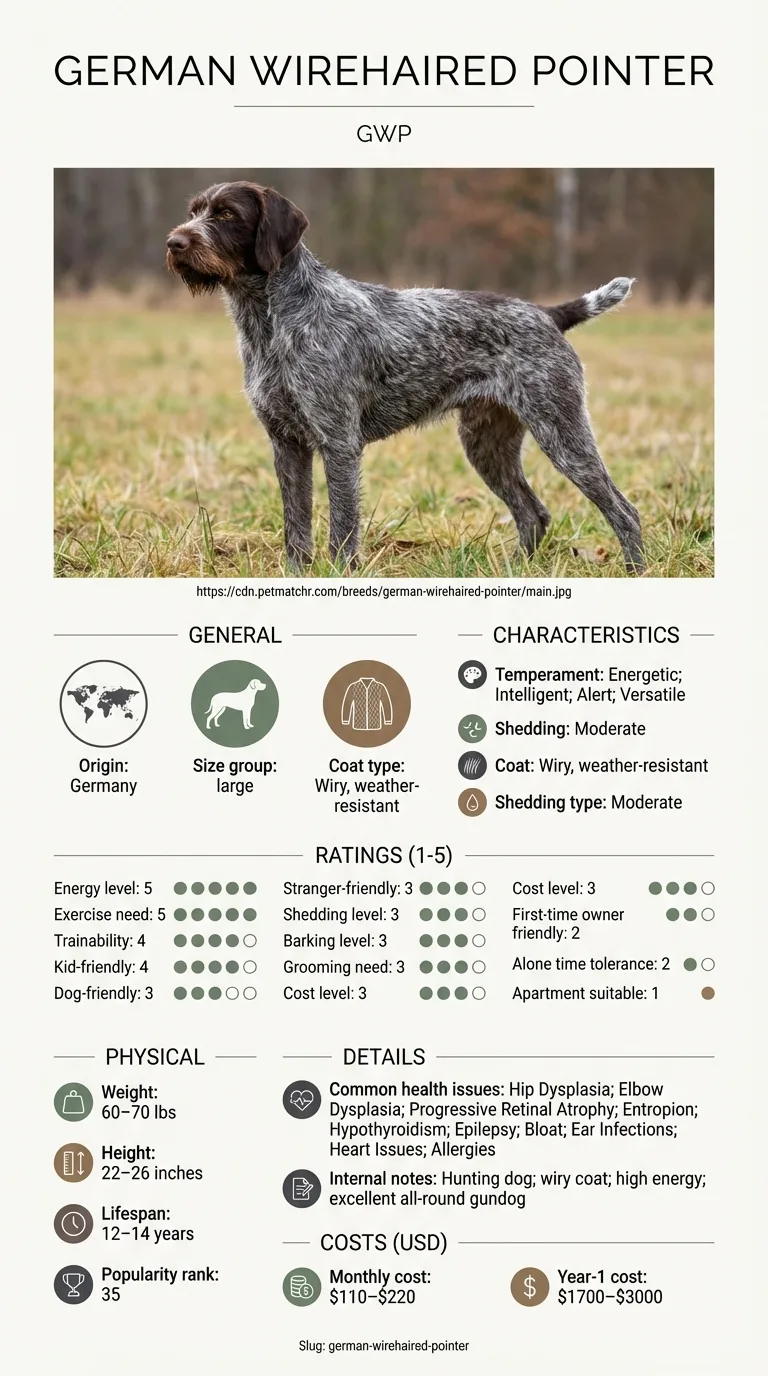
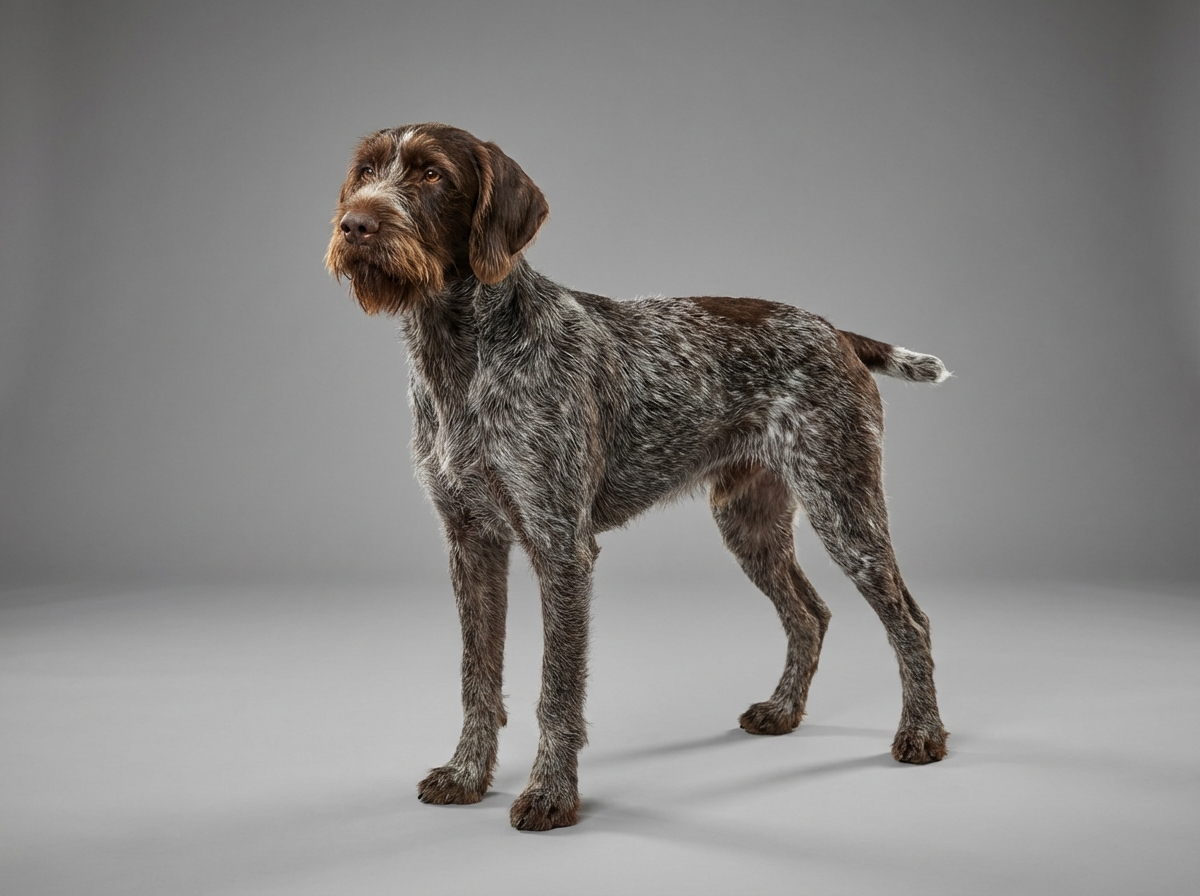
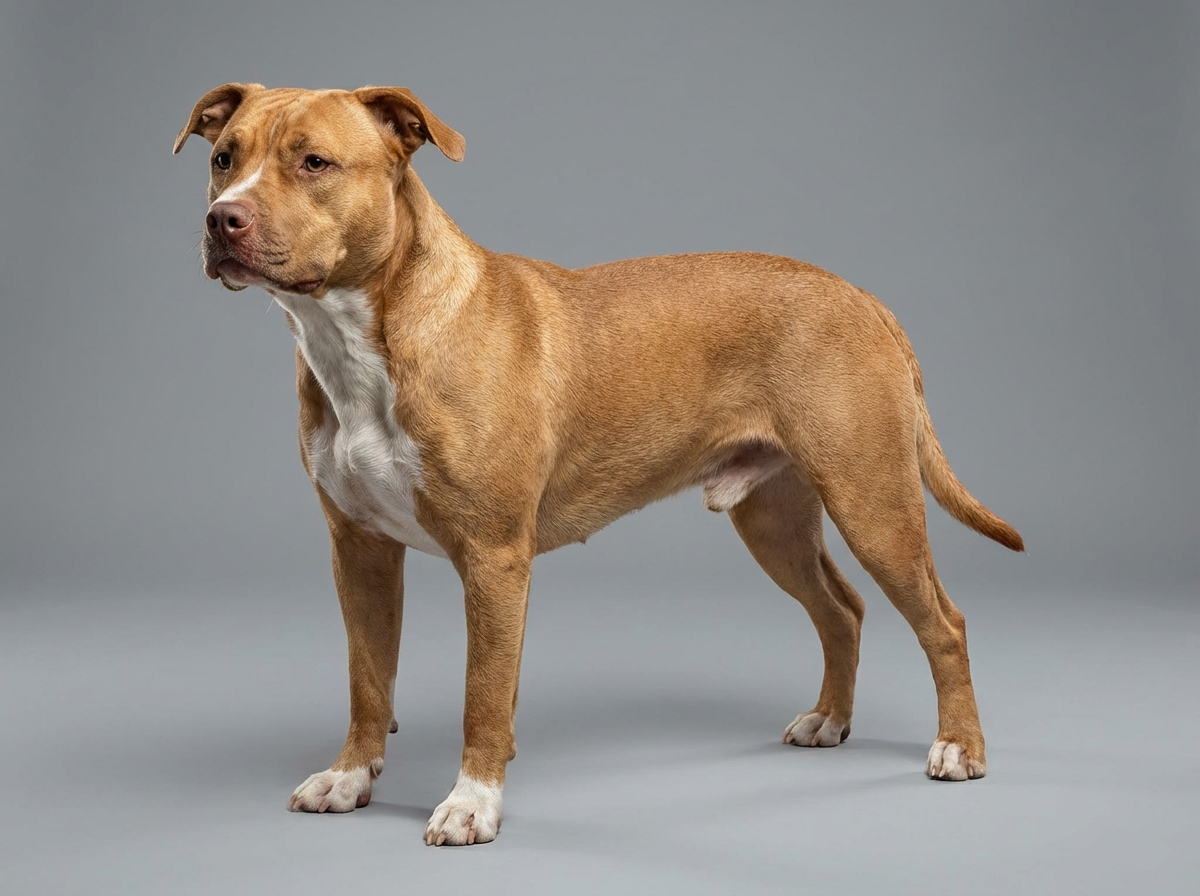
German Wirehaired Pointer Purebred vs. Mixed Breeds: What You Need to Know
Choosing between a German Wirehaired Pointer purebred and a mixed breed can be tough. Understanding the differences is crucial for your dog's health and happiness. (German Wirehaired Pointer purebred vs. mixed breeds)
New dog owners and families considering a GWP often face this dilemma. They want a loyal companion but may not be aware of the potential health risks associated with purebreds versus mixed breeds.
Important reminder
This guide is not medical advice. If your dog shows pain, sudden behavior change, or worsening symptoms, consult a licensed veterinarian.
Some links may be affiliate links. We may earn a commission at no extra cost to you. We only suggest products we believe are helpful for dog owners.
What this problem looks like
The German Wirehaired Pointer (GWP) can face challenges related to the debate of purebred vs. mixed breeds. Owners may notice behavioral differences, health issues, or even personality traits that can vary significantly. These factors might influence their daily experiences, from training difficulties to health problems, particularly since purebred dogs can be more prone to specific conditions.
Common triggers
Genetic predispositions to health issues like hip dysplasia or allergies.
Differences in training responsiveness between purebred and mixed breed GWPs.
Environmental factors such as lack of exercise or socialization.
This issue is relatively common among German Wirehaired Pointers, particularly as purebreds can be more susceptible to certain health problems. Many owners report varying experiences in temperament and trainability, leading to a mixed bag of outcomes. It's essential to consider these factors when deciding between a purebred and a mixed breed GWP.
Why this happens
Breed factors
German Wirehaired Pointers (GWPs) have a strong instinct for hunting and can exhibit behaviors that stem from their purebred lineage. Their high energy and intelligence can lead to anxiety or behavioral issues if not properly managed. Additionally, certain health issues common in purebreds, like hip dysplasia, may also affect behavior and overall temperament.
Environment factors
An environment that lacks stimulation can contribute to behavioral problems in GWPs. If they don’t get enough exercise or mental challenges, they may become bored and anxious. Factors like living in a small apartment or not having regular access to open spaces can exacerbate these issues.
What you can try
At-home strategies
Create a structured routine that includes regular exercise. Aim for at least 1-2 hours of physical activity daily, including walks, playtime, and training sessions.
Implement mental stimulation games, such as puzzle toys or hide-and-seek, to keep your GWP engaged and reduce anxiety.
Use positive reinforcement training techniques to redirect unwanted behaviors. Reward good behavior with treats and praise to encourage positive actions.
When to consider a trainer
If your GWP's behavior does not improve with at-home strategies, consider hiring a professional trainer. A trainer can provide personalized guidance and help address specific issues like aggression or severe anxiety.
When to talk to your vet
If you notice sudden changes in behavior or signs of distress, consult your vet. They can rule out any underlying health issues that may be contributing to your dog's behavior problems.
Realistic expectations
It typically takes 4 to 6 months to see noticeable improvements in behavior when addressing issues related to the differences between German Wirehaired Pointer purebreds and mixed breeds.
Success looks like a balanced dog that responds well to commands, shows reduced anxiety, and has a better understanding of their environment. You should also notice a more relaxed demeanor in social situations.
Mistakes that make this worse – German Wirehaired Pointer purebred vs. mixed breeds
Avoid these common mistakes that can exacerbate issues related to the German Wirehaired Pointer purebred vs. mixed breeds.
Ignoring breed specifics: Failing to recognize the unique needs of German Wirehaired Pointers can lead to frustration. Instead, educate yourself about their exercise and socialization requirements.
Overlooking training consistency: Inconsistent training can confuse your dog. Establish a clear routine and stick to it, using positive reinforcement to encourage good behavior.
Neglecting socialization opportunities: Not exposing your dog to various environments and people can heighten anxiety. Regularly introduce your GWP to different situations to help them feel more secure.
Allowing excessive independence: Letting your dog roam without boundaries can reinforce unwanted behaviors. Set clear limits and guide them with consistent commands and expectations.
Forgetting mental stimulation: Purebreds often need mental challenges to stay balanced. Incorporate puzzle toys or training sessions to keep your GWP engaged and prevent boredom-related issues.
Rushing the process: Expecting quick results can lead to disappointment. Be patient, as training and behavior adjustments take time, especially for a high-energy breed like the GWP.
Neglecting health considerations: Purebreds may be prone to specific health issues. Regular vet check-ups will help you stay ahead of potential problems and ensure your dog’s well-being.
When It Is an Emergency
When addressing issues with your German Wirehaired Pointer, it's crucial to know when to act quickly. Certain signs indicate that you should call your vet immediately. For example, if your dog shows difficulty breathing, loses consciousness, or is bleeding excessively, these are red flags that necessitate urgent care.
Mild cases can often be monitored. If your German Wirehaired Pointer is simply showing signs of anxiety, such as excessive barking or restlessness, it may be best to create a calming plan at home. Keep an eye on their behavior, and if it worsens or persists, seek advice from your vet.
Other signs that indicate an emergency include severe vomiting, diarrhea that lasts more than 24 hours, or any sudden change in your dog’s usual behavior. If your dog is experiencing pain and cannot find a comfortable position, it’s time for a vet visit. Always trust your instincts; if something seems off, it’s better to err on the side of caution.

German Wirehaired Pointer Purebred vs. Mixed Breeds: What You Need to Know - When It Is an Emergency
Finding Balance with Bella: A GWP Journey
Jessica, a busy nurse in Chicago, adopted Bella, a German Wirehaired Pointer purebred. She soon found that Bella's high energy and anxiety made her difficult to manage, especially in crowded areas. After researching the differences between purebreds and mixed breeds, Jessica decided to enroll Bella in a specialized training program. Over the next few months, they worked on socialization and commands. Eventually, Bella became more relaxed during outings, allowing Jessica to enjoy their time together without constant worry.
Key takeaway: Understanding the breed's specific needs can make a huge difference in training and behavior management.
Frequently asked questions
What are the differences between a German Wirehaired Pointer purebred and a mixed breed?
German Wirehaired Pointer purebreds typically have a more consistent temperament and physical traits compared to mixed breeds. Purebreds may also exhibit specific health issues more frequently, like hip dysplasia. Mixed breeds can be healthier overall but may have unpredictable traits. This answer relates to German Wirehaired Pointer purebred vs. mixed breeds.
Why does my German Wirehaired Pointer have behavior problems if it's purebred?
Behavior problems in a German Wirehaired Pointer can arise from various factors, including lack of training, insufficient exercise, or socialization issues. Even purebreds can develop anxiety or aggression without proper guidance. Regular training and socialization are vital for a well-adjusted dog.
How can I train my German Wirehaired Pointer effectively?
Training a German Wirehaired Pointer requires consistency and positive reinforcement. Start with basic commands and gradually introduce more complex tasks. Regular exercise and mental stimulation are also essential to keep them engaged and focused.
What health issues should I expect with a purebred German Wirehaired Pointer?
Purebred German Wirehaired Pointers are prone to certain health issues like hip dysplasia and progressive retinal atrophy. Regular vet check-ups and a healthy diet can help manage these risks. Always consult with your vet for tailored health advice.
How do I know if my dog is a purebred or a mixed breed?
To determine if your German Wirehaired Pointer is purebred, check its pedigree or consider a DNA test. Pedigrees provide lineage information, while DNA tests can reveal a dog's breed composition. Both options offer clarity on your dog's background.
What are some common signs of separation anxiety in German Wirehaired Pointers?
Signs of separation anxiety in German Wirehaired Pointers include excessive barking, destructive behavior, and attempts to escape. If you notice these behaviors, it’s essential to address them early with training and gradual desensitization. Professional help may also be beneficial.
What health issues are more common in German Wirehaired Pointer purebreds compared to mixed breeds?
German Wirehaired Pointer purebreds are more susceptible to certain health issues, including hip dysplasia and progressive retinal atrophy. Mixed breeds may benefit from hybrid vigor, potentially lowering the risk of these inherited conditions.
Can training methods differ between purebred and mixed breed German Wirehaired Pointers?
Yes, training methods may need to be adjusted based on temperament and behavior. Purebreds often have more predictable traits, while mixed breeds might display a wider variety of behaviors, requiring tailored training approaches.
How can I tell if my German Wirehaired Pointer is exhibiting anxiety related to being purebred or mixed breed?
Signs of anxiety can include excessive barking, destructive behavior, or withdrawal. If you notice these behaviors, it’s best to consult a vet or a professional trainer to address any underlying issues that may stem from breed characteristics.
Should I be concerned about my older German Wirehaired Pointer's health if they are a purebred?
Older purebred German Wirehaired Pointers may be more prone to age-related health issues. Regular vet check-ups are crucial, especially as they age, to monitor for conditions like heart issues or arthritis.
Is there a difference in lifespan between purebred and mixed breed German Wirehaired Pointers?
Generally, mixed breed dogs tend to have a longer lifespan than purebreds due to genetic diversity. However, with proper care, a purebred German Wirehaired Pointer can also live a healthy life, typically between 12 to 14 years.
How can I stop my German Wirehaired Pointer from misbehaving?
To stop misbehavior, reinforce positive actions with treats and praise while redirecting negative behavior. Consistent training routines and regular exercise can also help minimize issues.
Costs
What should I budget for a German Wirehaired Pointer?
Expect to spend between $1,700 and $3,000 in the first year for a German Wirehaired Pointer, including food, vet visits, and training. Monthly costs typically range from $110 to $220.
Health
Are purebred German Wirehaired Pointers healthier than mixed breeds?
Purebred German Wirehaired Pointers can be more susceptible to specific genetic health issues, while mixed breeds often benefit from hybrid vigor. However, individual health varies based on genetics and care.
Training
What are quick training tips for a German Wirehaired Pointer?
Use positive reinforcement, keep training sessions short and fun, and ensure daily exercise to maintain focus. Socialization with other dogs is also key for balanced behavior.
Living
Can German Wirehaired Pointers adapt to apartment living?
German Wirehaired Pointers are not ideal for apartment living due to their high energy levels. They require ample space to run and play, so a house with a yard is preferable.
German Wirehaired Pointer separation anxiety guide – Understanding separation anxiety can help you manage your German Wirehaired Pointer's needs when you're away.
German Wirehaired Pointer cost breakdown – Discover the costs associated with owning a German Wirehaired Pointer to budget for your new pet.
Purebred vs. mixed breeds guide – Learn about the differences between purebred and mixed breed dogs to make an informed decision on your next furry friend.