Behavior
How can I manage German Wirehaired Pointer skin allergies?
To manage skin allergies, keep your dog's living area clean and bathe them regularly with hypoallergenic products.

Quick answer
How can I manage German Wirehaired Pointer skin allergies?
To manage skin allergies, keep your dog's living area clean and bathe them regularly with hypoallergenic products.
German Wirehaired Pointer skin allergies can lead to discomfort and health issues.
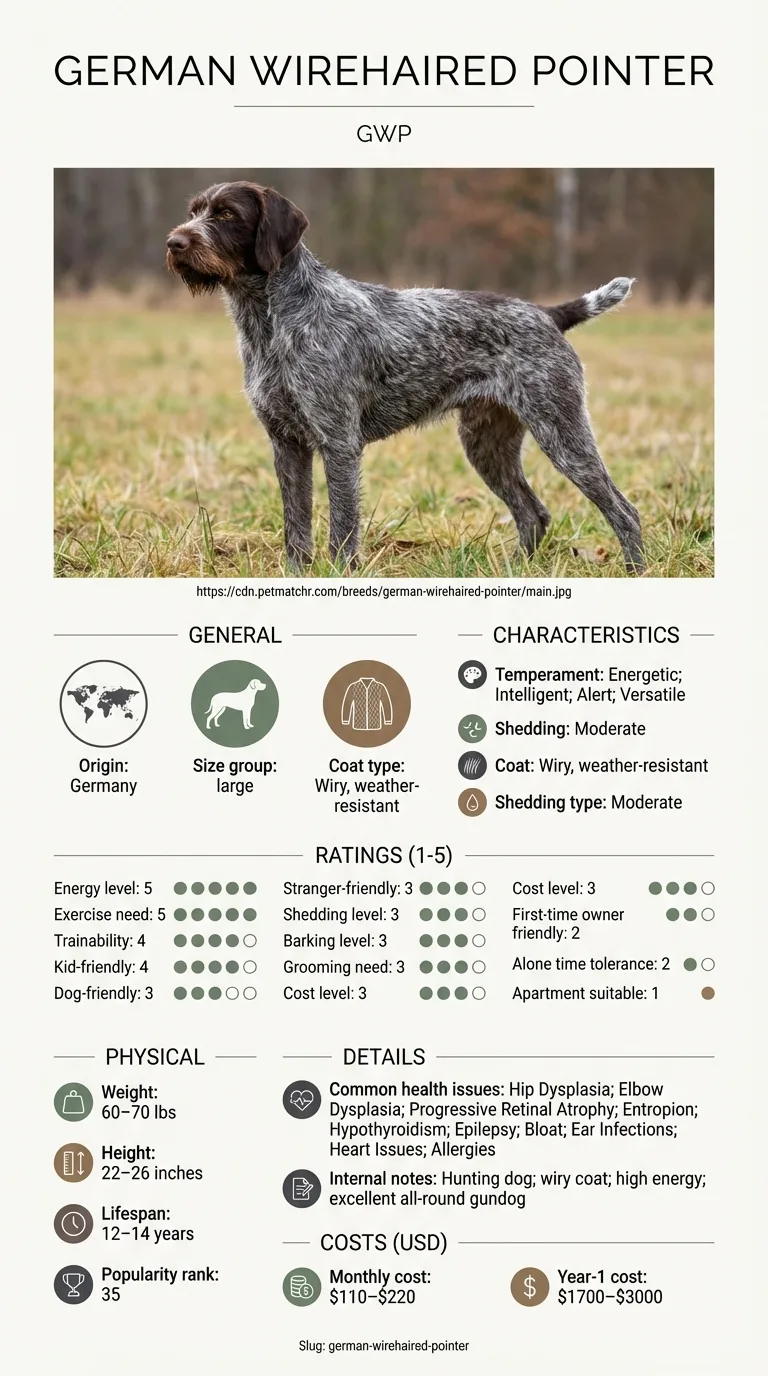
Owners of German Wirehaired Pointers, especially first-time dog parents, may struggle with these skin issues. Busy families or individuals who aren't familiar with dog health can find managing allergies particularly challenging.
This guide is not medical advice. If your dog shows pain, sudden behavior change, or worsening symptoms, consult a licensed veterinarian.
Some links may be affiliate links. We may earn a commission at no extra cost to you. We only suggest products we believe are helpful for dog owners.
We research and check what we publish, but we do not warrant that any figure, date, price, or statement is accurate, complete, or current, and we accept no liability for any loss, cost, injury, or other harm arising from the use of this site. Use it as one reference among several. You remain responsible for your own decisions and for your dog's care - confirm anything that matters with a licensed veterinarian or another qualified professional before you act on it. Full disclaimer.
Check this first
Recognizing when German Wirehaired Pointer skin allergies are an emergency is crucial. If your dog is experiencing severe itching, swelling, or open sores, it’s time to call your vet immediately. Other red flags include difficulty breathing, excessive licking that leads to raw skin, or signs of anaphylaxis like vomiting or lethargy. These symptoms can indicate a serious allergic reaction that needs prompt medical attention.
On the other hand, if your German Wirehaired Pointer has mild itching or localized redness, you might not need to rush to the vet. In these cases, monitor your dog for a few days while trying to identify potential allergens. Keep a close watch on their behavior and skin condition. If symptoms persist or worsen, then it’s wise to consult your vet for further evaluation and treatment options.
In summary, act quickly for severe symptoms but observe less critical cases. Knowing the difference can help you manage your dog's health effectively.
If any of these apply, call your vet or an emergency clinic now. The rest of this page is for the cases that are not an emergency.
German Wirehaired Pointer skin allergies can cause significant discomfort. Common symptoms include itching, redness, and irritation in affected areas. These allergies often lead to excessive scratching, which may result in secondary infections if not addressed promptly.
Skin allergies are fairly common in German Wirehaired Pointers, especially as they age or are exposed to varied environments. Many owners report dealing with these issues at some point, making it a notable concern for potential and current GWP owners.
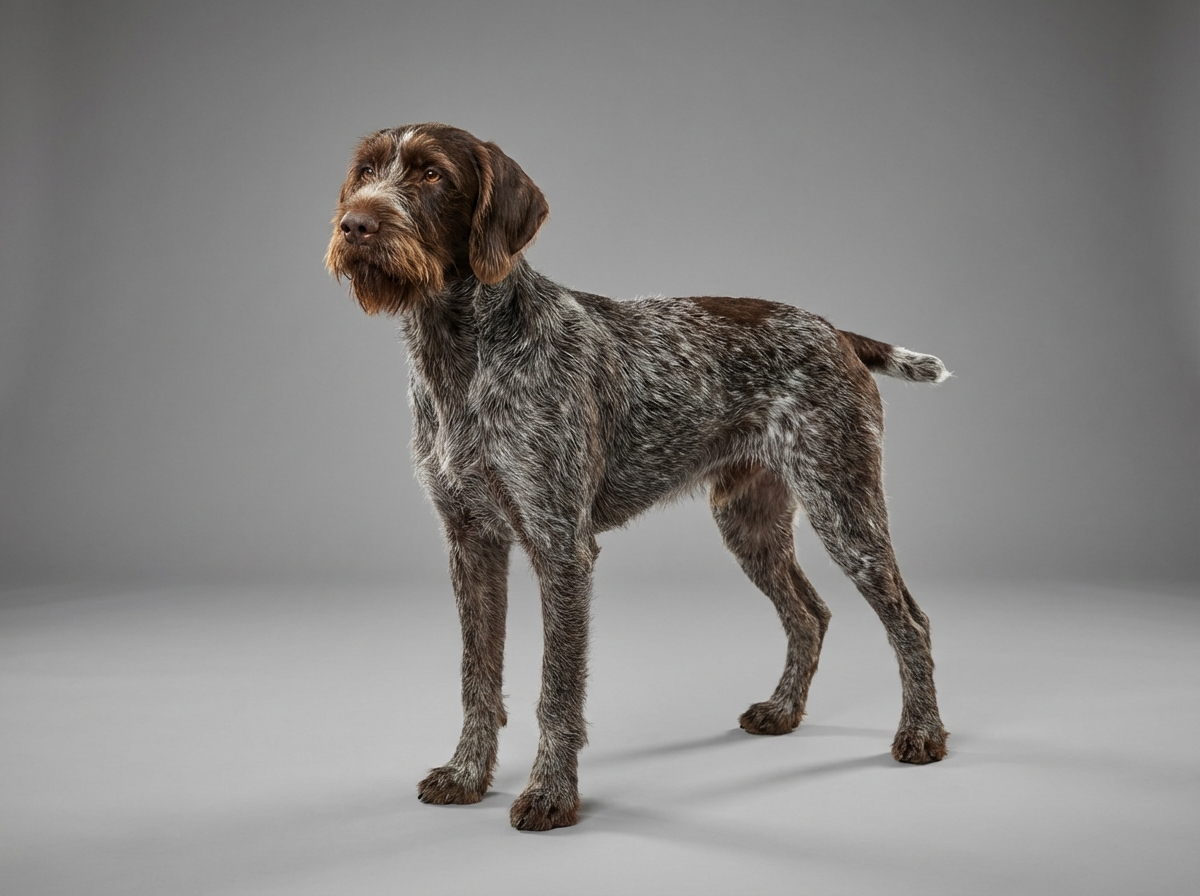
German Wirehaired Pointers are known for their wiry, weather-resistant coats, but this unique fur can trap dirt and allergens. Additionally, their energetic nature may lead them to explore more outdoor environments, increasing exposure to potential allergens.
Skin allergies in German Wirehaired Pointers can also stem from their surroundings. Common environmental triggers include pollen, dust mites, and certain foods. Changes in climate or household products, like cleaning supplies, can also irritate their sensitive skin.
If home strategies don't provide relief, or if you notice severe symptoms like swelling or secondary infections, consult your vet. They can conduct tests to identify specific allergens and recommend medical treatments to alleviate your dog's discomfort.
Avoiding common mistakes can help manage your German Wirehaired Pointer's skin allergies effectively. Here are some behaviors to steer clear of.
Start here: German Wirehaired Pointer Most Common Genetic Disorders: Guide
See all German Wirehaired Pointer health problems, which breeds are prone to skin allergies, or the full German Wirehaired Pointer breed guide for temperament, exercise needs and ownership costs.
You can expect to see improvements in your German Wirehaired Pointer's skin allergies within 4 to 6 weeks after implementing a consistent treatment plan.
Success means reduced itching and irritation, a healthier coat, and fewer visits to the vet for skin-related issues.
When Sarah adopted Max, her German Wirehaired Pointer, she quickly noticed he was constantly scratching and biting at his skin. After a vet visit, she learned Max had skin allergies, likely triggered by his environment and diet. Determined to help him, Sarah switched to a hypoallergenic dog food and started regular baths with a medicated shampoo. Over the next few weeks, Max's itching decreased significantly. He was much happier and more active, allowing Sarah to enjoy their time together without worry.
Key takeaway: If your German Wirehaired Pointer has skin allergies, a combination of dietary changes and proper grooming can make a big difference.
German Wirehaired Pointer skin allergies can be caused by various factors, including environmental allergens like pollen, dust mites, or certain foods. If your dog is frequently scratching or has red, irritated skin, it's essential to identify the allergen. A vet can perform tests to help determine the cause.
To stop German Wirehaired Pointer skin allergies, start by keeping your dog's environment clean and free from allergens. Regular baths with hypoallergenic shampoo can soothe irritated skin. Consult your vet for potential medications or dietary changes that might help reduce itching.
Symptoms of skin allergies in German Wirehaired Pointers include excessive scratching, red or inflamed skin, and potential hair loss. You may also notice your dog developing ear infections or hot spots due to constant irritation. Monitoring these signs is vital for early intervention.
Yes, diet can significantly impact German Wirehaired Pointer skin allergies. Certain ingredients may trigger allergic reactions, so consider trying a hypoallergenic dog food. Introducing new foods gradually and observing any changes can help identify dietary triggers.
Treatments for German Wirehaired Pointer skin allergies include antihistamines, steroids, and immunotherapy. Your vet may also recommend specific shampoos or topical treatments. Always consult your vet before starting any treatment to ensure it's safe and effective for your dog.
Common causes include environmental allergens like pollen, dust mites, and mold, as well as food allergies. Certain materials in dog beds or toys can also irritate their skin. Identifying the specific allergen often requires working with a vet.
If your dog is scratching excessively, has red or inflamed skin, or shows signs of infection, it may indicate a severe allergy. Additionally, watch for hair loss and changes in behavior, such as increased irritability due to discomfort. In such cases, consulting a vet is crucial.
While skin allergies can occur at any age, older German Wirehaired Pointers may be more susceptible due to a weakened immune system. Regular vet check-ups can help manage their health and catch any allergy issues early.
Yes, changing to a hypoallergenic diet may help alleviate skin allergies in some cases. It's essential to consult your vet before making dietary changes to ensure your dog receives balanced nutrition while addressing allergy issues.
Home remedies like oatmeal baths or coconut oil can soothe irritated skin. However, it's important to consult your vet before trying any home remedies to ensure they are safe and appropriate for your dog's specific condition.
To manage skin allergies, keep your dog's living area clean and bathe them regularly with hypoallergenic products.
Treating skin allergies can range from $50 to $300 monthly, depending on the severity and treatment options.
Consider regular vet check-ups, special diets, and allergy medications to alleviate symptoms.
Look for signs like itching, redness, or hair loss. Consult your vet if symptoms persist.
Changing to a hypoallergenic diet can help if food allergies are suspected. Monitor your dog's response closely.
A one-page prep sheet for this condition: the signs, the questions to ask, what to get priced. Unlocks here.
You get: Vet visit prep sheet
No spam. One-click unsubscribe. See our privacy policy.
Preview page 1 before you decide.