DogBreedCompass
← Back to breed profile

German Wirehaired Pointer Patellar Luxation: What You Need to Know

German Wirehaired Pointer patellar luxation is a condition where the kneecap dislocates, causing pain and mobility issues.

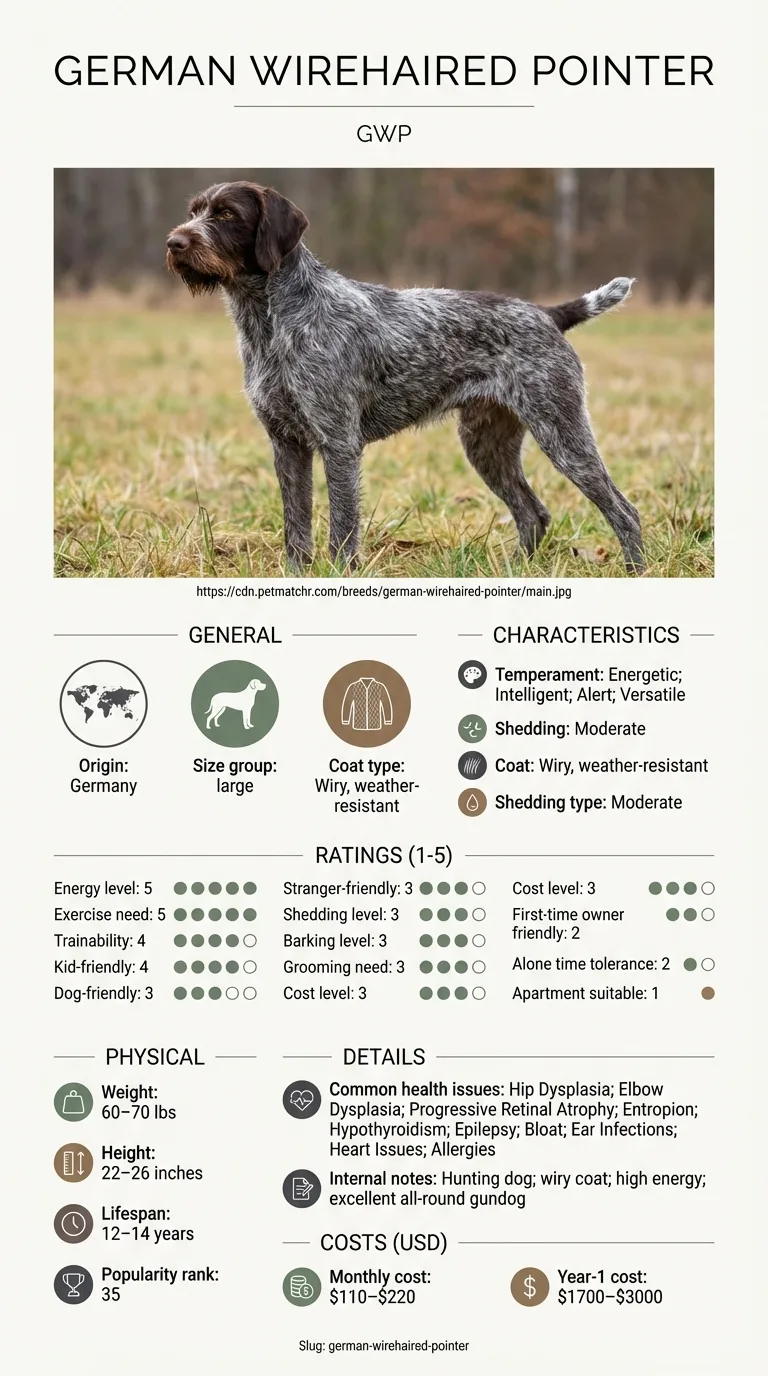
German Wirehaired Pointer Patellar Luxation: What You Need to Know infographic

Owners of German Wirehaired Pointers, especially those who are active or have high-energy dogs, often face challenges related to patellar luxation. This condition can be particularly concerning for first-time dog owners or those unfamiliar with dog health issues.

Important reminder

This guide is not medical advice. If your dog shows pain, sudden behavior change, or worsening symptoms, consult a licensed veterinarian.

Some links may be affiliate links. We may earn a commission at no extra cost to you. We only suggest products we believe are helpful for dog owners.

What this problem looks like

German Wirehaired Pointer patellar luxation is a common joint issue where the kneecap dislocates from its normal position. This condition can lead to pain and mobility problems, making it difficult for your dog to walk or run. Daily activities may become challenging, as your dog might experience sudden lameness or reluctance to engage in physical activities they once enjoyed.

Common triggers

  • Genetics and breed predisposition
  • Injury during play or exercise
  • Obesity, which can put extra stress on joints
  • Improper training techniques that strain the knees

Patellar luxation is relatively common in German Wirehaired Pointers, especially in younger dogs. Estimates suggest that it affects around 10-15% of this breed, often leading to discomfort and requiring management. Early detection and proper care can significantly improve your dog's quality of life.

Why this happens

Breed factors

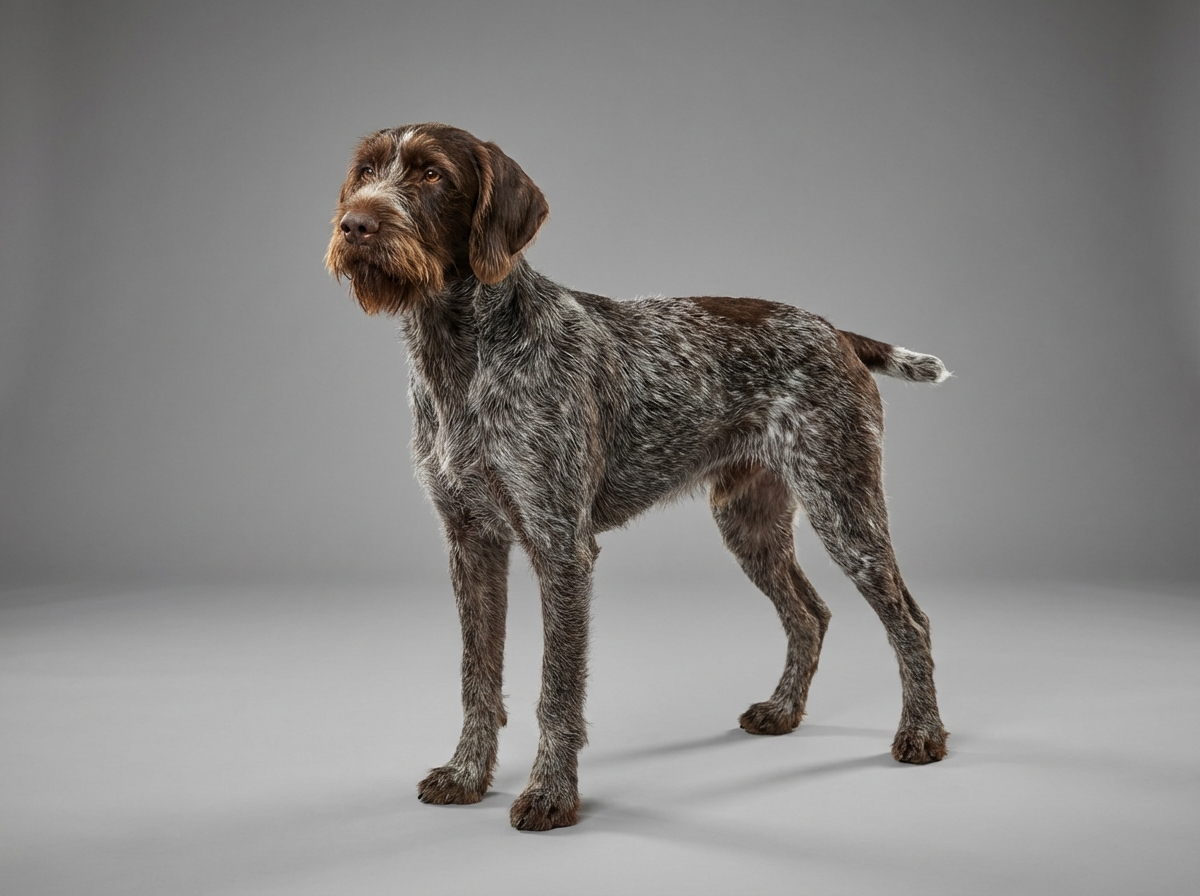
The German Wirehaired Pointer (GWP) is a large, active breed with a wiry coat. Their build and high energy can lead to joint issues, including patellar luxation. Genetic factors and physical traits can make them more susceptible to this condition, especially if they have a history of joint problems in their lineage.

Environment factors

Environmental factors also play a role in patellar luxation. If your GWP frequently jumps or engages in rough play, it can increase the risk of dislocating their kneecap. Additionally, being overweight can put extra stress on their joints, worsening the issue.

What you can try

At-home strategies

  • Maintain a healthy weight for your GWP to reduce stress on their joints. Use a balanced diet and regular exercise to keep them fit.
  • Engage in low-impact activities, like swimming or walking on soft surfaces, to minimize joint strain while still exercising.
  • Incorporate stretches and gentle range-of-motion exercises into their routine. This can help strengthen the surrounding muscles and improve joint stability.

When to consider a trainer

If your GWP struggles with basic commands or exhibits reluctance to move, consider hiring a professional trainer. They can help create a tailored exercise plan and teach you how to assist your dog in avoiding excessive jumping or running.

When to talk to your vet

If you notice signs of pain, limping, or difficulty in movement, consult your vet. They can assess the severity of the patellar luxation and recommend treatment options, which may include physical therapy or surgery if necessary.

Realistic expectations

Most dogs can show improvement in 6 to 12 weeks with consistent training and care.

Success means your German Wirehaired Pointer can move comfortably without pain, has improved strength in the legs, and can perform basic activities like walking and playing without difficulty.

Mistakes that make this worse

Avoid these common mistakes that can worsen your German Wirehaired Pointer's patellar luxation. Making these errors can delay recovery and lead to more pain for your pup.

  • Ignoring signs of pain: If your dog shows discomfort when moving, it's crucial to consult a vet. Pain signals indicate that you may need to adjust their activity levels.
  • Overexercising: While exercise is essential, too much can strain your dog's knees. Stick to low-impact activities and consult with a vet for a suitable exercise plan.
  • Lack of weight management: Extra weight can put undue stress on your dog's joints. Maintaining a healthy diet and monitoring their weight can help alleviate pressure on the knee.
  • Skipping rehabilitation: After treatment, many owners forget about rehabilitation exercises. Regularly performing these exercises can strengthen the muscles around the knee and improve stability.
  • Inconsistent training: If training for commands or behaviors is inconsistent, it can lead to confusion and anxiety for your dog. Consistency is key in helping them feel secure and improving their condition.
  • Neglecting supportive gear: Not using braces or supportive gear, when recommended, can worsen the condition. If your vet suggests a knee brace, it’s worth considering for extra support.
  • Delaying veterinary care: Waiting too long to seek help can lead to increased pain and complications. If you suspect patellar luxation, prompt action is essential.

When to Seek Help for German Wirehaired Pointer Patellar Luxation

Call your vet immediately if you notice your dog showing severe pain, inability to walk, or a popped knee cap that doesn’t return to its normal position. These symptoms can indicate a serious injury that needs rapid treatment.

Also, watch for swelling around the knee, excessive whining, or signs of distress. These can indicate that your dog is in significant discomfort and requires veterinary attention sooner rather than later.

On the other hand, if your German Wirehaired Pointer is occasionally limping or favoring a leg but isn’t in distress, you can monitor the situation at home. Keep track of their activities and any changes in behavior, and consider a gentle exercise plan to strengthen their legs.

If the limping persists or worsens, then it's time to consult your vet. Regular check-ups can also help catch any developing issues early, preventing further complications down the road.

German Wirehaired Pointer Patellar Luxation: What You Need to Know - When to Seek Help for German Wirehaired Pointer Patellar Luxation

Megan and Max: Overcoming Patellar Luxation

Megan, a busy nurse in Chicago, adopted Max, a German Wirehaired Pointer, who had been diagnosed with patellar luxation. At first, Megan felt overwhelmed by the challenges. Max struggled with pain and discomfort, often limping after playtime. Seeking help, Megan consulted her vet and began a tailored exercise and training plan. After regular vet check-ups and a commitment to strengthening exercises, she noticed a significant improvement in Max's mobility within a few months. Max could finally run freely in the park, and their bond grew even stronger as they enjoyed outdoor adventures together.

Key takeaway: With patience, professional guidance, and a solid training plan, you can help your German Wirehaired Pointer overcome patellar luxation and enjoy a happy, active life.

Frequently asked questions

Why does my German Wirehaired Pointer have patellar luxation?

German Wirehaired Pointers can develop patellar luxation due to genetic factors or structural issues in the knee. This condition, where the kneecap dislocates, is often seen in larger breeds. It's essential to monitor their activity and consult a vet if you notice limping or reluctance to move. This answer relates to German Wirehaired Pointer patellar luxation.

How can I stop my German Wirehaired Pointer from having patellar luxation?

To manage patellar luxation, you can start with a balanced exercise routine to strengthen the muscles around the knee. Avoid high-impact activities that could worsen the condition. Regular vet check-ups can help identify the severity and appropriate interventions.

What are the signs of patellar luxation in my German Wirehaired Pointer?

Look for signs like limping, difficulty jumping, or sudden lameness after exercise. You may also notice your dog holding their leg up or a 'skip' in their stride. If you observe these symptoms, it's important to schedule a vet visit.

Is surgery necessary for patellar luxation?

Surgery may be required for more severe cases of patellar luxation in German Wirehaired Pointers. If your dog experiences frequent dislocations or severe pain, your vet may recommend surgical options to stabilize the kneecap. Always discuss the risks and benefits of surgery with your veterinarian.

Can training help with patellar luxation in German Wirehaired Pointers?

Yes, training can help strengthen your dog's overall physical condition and improve joint stability. Focus on low-impact exercises and gentle obedience training to keep your dog active without straining their knees. A professional trainer or behaviorist can help guide you.

What are the signs of patellar luxation in my German Wirehaired Pointer?

You may notice your German Wirehaired Pointer limping or suddenly lifting a leg while walking. Other signs include difficulty in standing up, abnormal gait, or pain when you touch the knee area. If these symptoms persist, consult your vet for a thorough examination.

Can patellar luxation in older German Wirehaired Pointers be treated?

Yes, while treatment options may vary based on the dog's age and severity of the condition, older German Wirehaired Pointers can benefit from physical therapy and pain management. In some cases, surgery might be necessary to correct the dislocation. Always consult your vet to discuss the best approach.

Is it safe to exercise a German Wirehaired Pointer with patellar luxation?

Moderate, controlled exercise can be beneficial for a German Wirehaired Pointer with patellar luxation. Activities like short walks and gentle play can help maintain muscle strength. However, avoid high-impact activities that could worsen the condition.

How is patellar luxation diagnosed in German Wirehaired Pointers?

A veterinarian will typically perform a physical examination and may recommend X-rays to diagnose patellar luxation. They will assess the knee joint's stability and look for signs of pain or discomfort. Early diagnosis can lead to more effective treatment options.

What long-term care is needed for a German Wirehaired Pointer with patellar luxation?

Long-term care includes regular veterinary check-ups, maintaining a healthy weight, and providing a balanced diet. Physical therapy and specific exercises may also be recommended to support joint health. Always follow your vet's advice for the best outcomes.

Quick answers

View more answers
Behavior

What are quick tips for German Wirehaired Pointer patellar luxation?

Keep your dog at a healthy weight to reduce pressure on their knees. Regular, controlled exercise can strengthen the muscles around the joint. Always consult your vet for personalized advice based on your dog's condition.

Costs

What costs should I expect for treating patellar luxation?

Costs can vary widely, with initial vet visits typically ranging from $50 to $150. If surgery is needed, expect costs to be between $1,500 and $3,000. Regular check-ups and medications can add to the expenses.

Living

How can I prevent patellar luxation in my German Wirehaired Pointer?

Preventative measures include maintaining a healthy weight and providing regular exercise. Avoid allowing your dog to jump from high places or engage in rough play that could stress their joints.

Related DogBreedCompass guides

Related guides