What is the Best Family Dog? Your Guide to Ideal Household Pets
Choosing the best family dog can be overwhelming. This guide helps you find the perfect companion that fits your family's needs. (what is the best family dog)
What is the Best Family Dog? Understanding Your Options
When it comes to choosing a dog, many families wonder, 'What is the best family dog?' This decision is crucial because the right dog can become a cherished family member, while the wrong one might cause stress and conflict. Understanding the characteristics that make a dog suitable for family life is essential for ensuring a happy and harmonious home.
Why Choosing the Right Family Dog Matters
Selecting a family dog is more than just picking a cute puppy. It’s about finding a pet that can blend into your household dynamics, get along with kids, and fit your lifestyle. The ideal household dogs usually possess traits like patience, playfulness, and a friendly demeanor. This not only helps in avoiding behavioral issues but also promotes a safe environment for your children.

Key Traits of Kid-Friendly Dogs
Here are some essential traits that the best family dogs should ideally have:

- Gentle temperament
- High energy level for play
- Intelligence for training
- Affectionate nature
- Good with other pets
Top Family Pets to Consider
Some breeds are renowned for their family-friendly qualities. Breeds like Golden Retrievers, Labrador Retrievers, and Beagles often top the lists of ideal family companions. They are not only loving and loyal but also typically great with kids, making them safe choices for families.

Finding Your Perfect Family Companion
In conclusion, knowing what makes the best family dog is key to building a joyful home. The decision involves considering your family's lifestyle and the traits of various breeds. By choosing wisely, you can ensure a lifelong friendship that brings joy and love into your family.
Step-by-Step Plan to Find the Best Family Dog
Finding the best family dog requires careful thought and planning. Follow these steps to make an informed decision that fits your household.
- Step 1: Assess Your Family's Lifestyle
- Step 2: Research Dog Breeds
- Step 3: Visit Local Shelters or Breeders
- Step 4: Consider Your Home Environment
- Step 5: Evaluate Time for Training and Exercise
- Step 6: Prepare Your Home
- Step 7: Introduce Your New Dog to the Family
Detailed Steps
1. Assess Your Family's Lifestyle: Think about your family's daily routine, energy level, and the ages of your children. A busy family might need a more adaptable dog, while a quieter home may suit a mellow breed.
2. Research Dog Breeds: Look into breeds known for being kid-friendly, like Golden Retrievers or Beagles. Consider their size, temperament, and care requirements to see which fits your family best.
3. Visit Local Shelters or Breeders: Spend time with different dogs. Meeting them in person helps you gauge their behavior and compatibility with your family. Plus, you might find the perfect rescue dog!
4. Consider Your Home Environment: Evaluate your living space. Is it big enough for an active dog? Do you have a yard or nearby parks? Ensure the dog will have enough room to thrive.
5. Evaluate Time for Training and Exercise: Consider how much time you can dedicate to training and exercise. Some breeds require more physical activity and mental stimulation than others, so choose one that matches your availability.
6. Prepare Your Home: Dog-proof your space by removing hazards and creating a dedicated spot for your new pet. Stock up on supplies like food, toys, and a comfortable bed to make them feel at home right away.
7. Introduce Your New Dog to the Family: When you bring your new dog home, introduce them to each family member gradually. Supervise interactions, especially with young kids, to ensure everyone feels comfortable and safe.

Common Mistakes When Choosing the Best Family Dog
Choosing the right family dog is a big decision, and many families make mistakes that can lead to frustration. Here are some common pitfalls to avoid.
- Not considering the dog's energy level
- Ignoring breed traits and temperament
- Overlooking training and socialization needs
- Underestimating long-term costs
- Failing to involve the whole family in the decision
- Choosing a dog based on looks alone
- Neglecting to assess your living situation
Debunking Myths About Family Dogs
There are many misconceptions about what makes a good family dog. Let's explore some common myths and the facts that debunk them. Understanding these can help you choose the best family companion.
- Myth: All large dogs are dangerous.
- Fact: Size doesn't determine temperament. Many large breeds, like the Labrador Retriever, are known for their gentle nature. Proper training and socialization are key.
- Myth: Dogs are better off outside.
- Fact: Dogs thrive on companionship and should be part of the family. Leaving a dog outside can lead to loneliness and behavioral issues.
- Myth: Any dog can be a good family dog.
- Fact: Not all breeds are suited for family life. Kid-friendly dogs like Golden Retrievers or Beagles have temperaments that make them ideal family companions.
- Myth: Puppies are always the best choice for families.
- Fact: While puppies are cute, they require a lot of training and time. Older dogs can be calmer and already trained, making them great family pets.
Advanced Tips for Choosing the Best Family Dog
Finding the best family dog goes beyond choosing a breed. Here are some advanced tips to help you make the right decision for your household.
- Consider the dog's energy level and how it matches your family's activity level.
- Research temperament traits specific to breeds, as these can affect interactions with children.
- Look into training programs that focus on family-friendly behaviors, especially for breeds prone to anxiety.
- Assess your living space: a smaller home may require a dog that adapts well to limited space.
- Plan for long-term commitments, including health care and lifestyle changes as your family grows.
Insider Secrets for Choosing the Best Family Dog
Finding the right family dog can be overwhelming. Here are some insider secrets to help you make a confident decision.
- Consider the dog's energy level and your family's lifestyle.
- Look for breeds that are known for their patience with children.
- Assess the dog's size in relation to your living space.
- Don't overlook mixed breeds; they often have the best traits of multiple breeds.
- Early socialization is key for a well-adjusted family dog.
Checklist for Choosing the Best Family Dog
Use this checklist to find the perfect family companion that fits your household needs.
- Assess your family's lifestyle and activity level.
- Research dog breeds known for being kid-friendly.
- Evaluate the size of your living space for the dog's needs.
- Consider the dog's grooming and exercise requirements.
- Check for allergies among family members before choosing a breed.
- Determine if you want a puppy or an adult dog.
- Visit shelters and rescues to meet potential pets.
- Ask about the dog's behavior and history with children.
- Take the whole family to meet the dog before deciding.
- Prepare your home with dog-proofing and necessary supplies.
Frequently asked questions
What is the best family dog?
The best family dog can vary based on your family's needs and lifestyle. Popular choices include Golden Retrievers and Labrador Retrievers due to their friendly personalities and adaptability. Ultimately, the best dog is one that matches your family's activity level and living situation.
What are the safest dogs for families?
Some of the safest dogs for families include Beagles and Golden Retrievers. These breeds are known for their gentle nature and patience with children. It's important to remember that any dog can be a great family companion if trained properly and socialized from a young age.
What are the top family pets for kids?
Top family pets for kids often include Labrador Retrievers, Beagles, and Boxers. These breeds are known for their playful and loving demeanor, making them ideal for active households. Always supervise interactions between dogs and young children to ensure safety.
What makes a dog an ideal household dog?
An ideal household dog is typically friendly, adaptable, and good with children. Breeds like the Golden Retriever and Labrador Retriever are popular because they are both trainable and sociable. It's essential to consider the dog's energy level and temperament to ensure a good fit for your family.
What are the best all-around family pets?
The best all-around family pets are those that can adapt to various lifestyles and family dynamics. Labrador Retrievers and Golden Retrievers often top the list due to their loyalty and friendly nature. They provide companionship and can participate in family activities, making them excellent choices for families.
What is the number one family dog?
The Labrador Retriever often tops the list as the number one family dog. They are friendly, loyal, and great with kids, making them an ideal choice for families. Their playful nature and trainability add to their appeal.
What are the safest dog breeds for families?
Some of the safest dog breeds for families include Golden Retrievers, Beagles, and Bulldogs. These breeds are known for their gentle temperament and are typically good with children. However, always supervise interactions between dogs and young kids.
What are the best all-around family pets?
In addition to dogs, cats can also make excellent family pets. Breeds like Ragdolls and Maine Coons are known for their friendly nature. It's important to consider your family's lifestyle when choosing between a dog or cat.
How do I know if a dog is kid-friendly?
To determine if a dog is kid-friendly, look for breeds known for their gentle temperament. Spend time with the dog before bringing them home and observe how they react to children. Training and socialization play a big role in a dog's behavior around kids.
Are there dogs that are good for families with allergies?
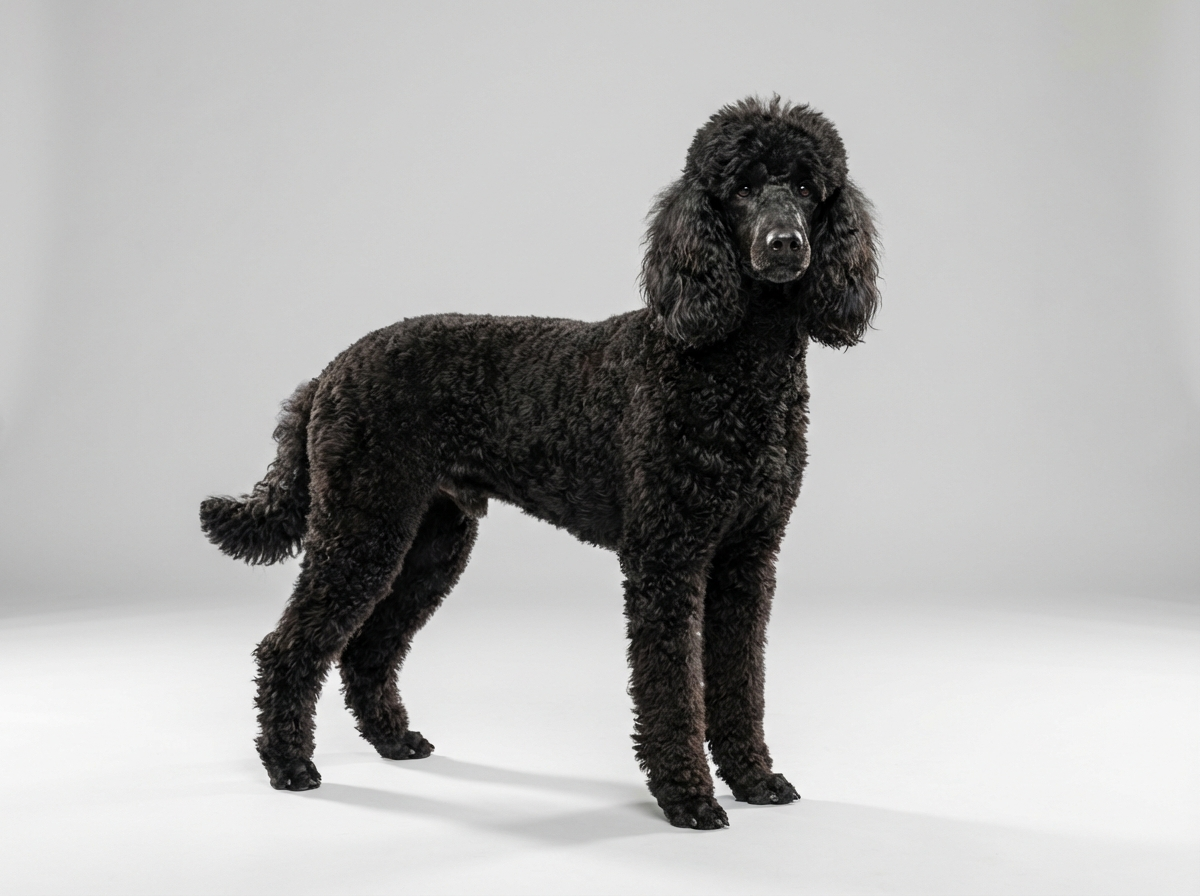
Yes, hypoallergenic breeds like Poodles and Bichon Frises are often recommended for families with allergies. These dogs shed less dander, which can help reduce allergic reactions. Always spend time with the breed before committing to ensure compatibility.
What factors should I consider when choosing a family dog?
Consider factors like the dog's size, energy level, and temperament when choosing a family dog. Also, think about your family's activity level, the ages of your children, and any allergies. Each breed has unique traits that can affect the fit for your family.
What are some ideal household dogs for active families?
Active families might consider breeds like Border Collies or Australian Shepherds. These dogs thrive on exercise and mental stimulation, making them great companions for active lifestyles. Just ensure you have the time and resources to meet their needs.