Living
What are the benefits of having a dog as a senior?
Having a dog can provide companionship, encourage physical activity, and help combat loneliness among seniors.

Looking for the best companion dog for seniors? You’re in the right place!
"As we age, having a furry friend can bring joy, comfort, and motivation to stay active. However, it’s essential to choose a breed that fits well with a senior lifestyle."
This list is perfect for retirees and seniors who want a loving companion that matches their energy levels and living situations. Whether you're looking for a low-energy lap dog or a gentle motivator for walks, we’ve got you covered.
We selected these breeds based on their adaptability to different living situations, low-maintenance care, and the ability to provide companionship while being mindful of health considerations. Each breed on this list is known for its friendly nature and suitability for seniors, ensuring that you can enjoy both comfort and companionship.
This list of the best companion dogs for seniors is designed to help you find the perfect furry friend for your retirement years. Start by reviewing the scores assigned to each breed, which reflect their suitability based on factors like energy level, trainability, and companionship. Take note of the pros and cons for each breed; this will give you a clearer picture of how they might fit into your lifestyle.
For example, if you’re looking for a low-energy dog that loves to cuddle, breeds like the Cavalier King Charles Spaniel or Basset Hound might be perfect for you.
To narrow down your options, think about your daily routine and any health considerations. A busy retiree who enjoys occasional hikes may prefer a Labrador Retriever, while someone with limited mobility might find a smaller breed like a Pug or Maltese more manageable. Aim to shortlist 2-3 breeds based on their characteristics, your living situation, and your personal preferences.
This will make it easier to decide which dog might become your new companion in this exciting chapter of life.
Finding the best companion dog for seniors is about more than just companionship; it’s about enhancing quality of life. Many retirees and seniors desire a loving pet that fits seamlessly into their lifestyle. These dogs should be easy to manage, affectionate, and adaptable to varying levels of energy and mobility.
This guide highlights several breeds that align with these needs, offering a mix of companionship, low maintenance, and health benefits.

Here are essential points to consider when selecting the best dog for your retirement lifestyle:

Choosing the best companion dog for seniors means considering what you might give up. Many of the breeds best suited for older adults are low-energy and require less exercise, which is great for those with limited mobility. However, this might mean sacrificing the energetic playtime that a younger dog would bring.
If you thrive on being active, a more energetic breed might suit you better, as they can motivate you to stay active while enjoying walks or playtime.
Additionally, some breeds may have grooming requirements that could be challenging for those with physical limitations. For instance, while Poodles are intelligent and easily trainable, their grooming needs can be demanding. On the other hand, breeds like the Shih Tzu or Basset Hound are lower maintenance, but they might lack the same level of enthusiasm for outdoor activities.
Consider also your travel habits. If you love to travel, a calm dog that adapts well to new environments, like a Greyhound, may be ideal. Conversely, if you prefer a more stationary lifestyle, a smaller breed like a Maltese could provide the companionship you desire without the need for extensive exercise or travel considerations.
Ultimately, the right choice balances your lifestyle, energy levels, and the time you can dedicate to pet care.

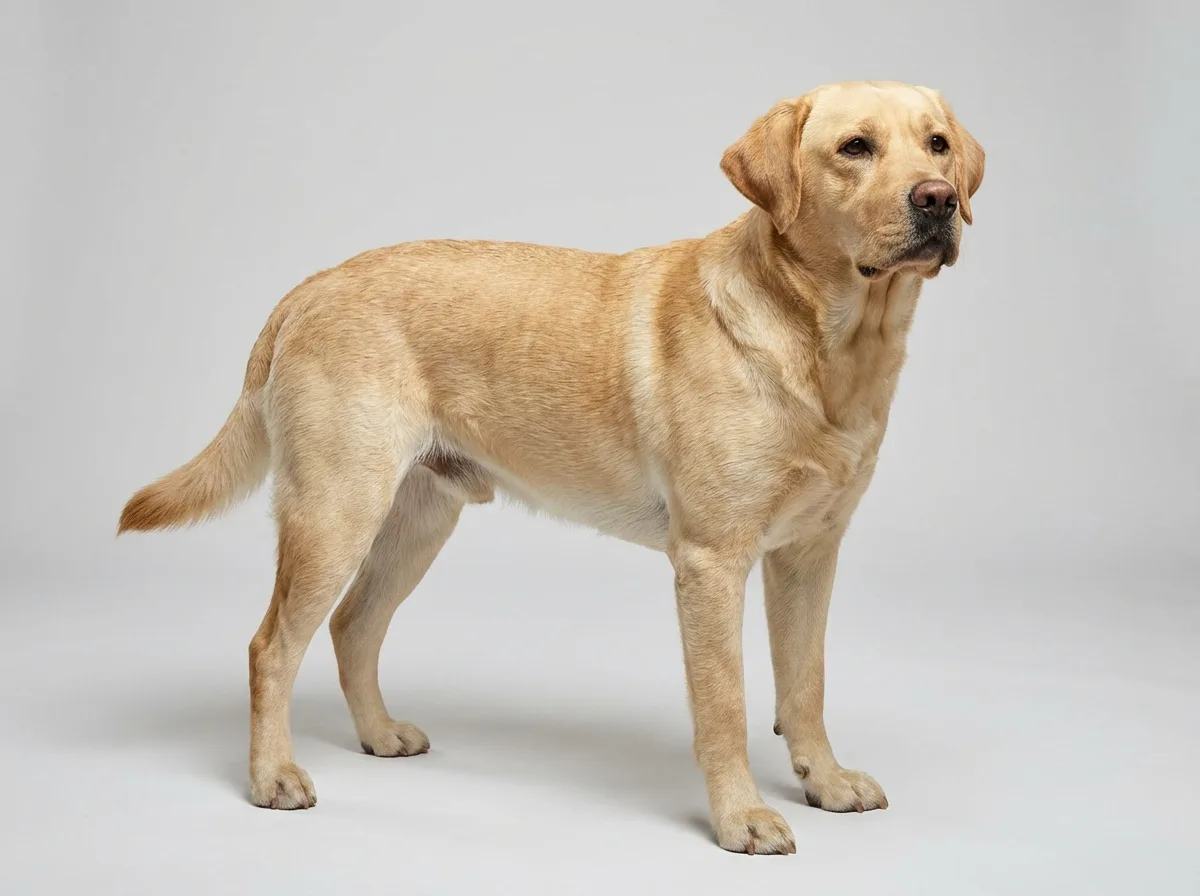
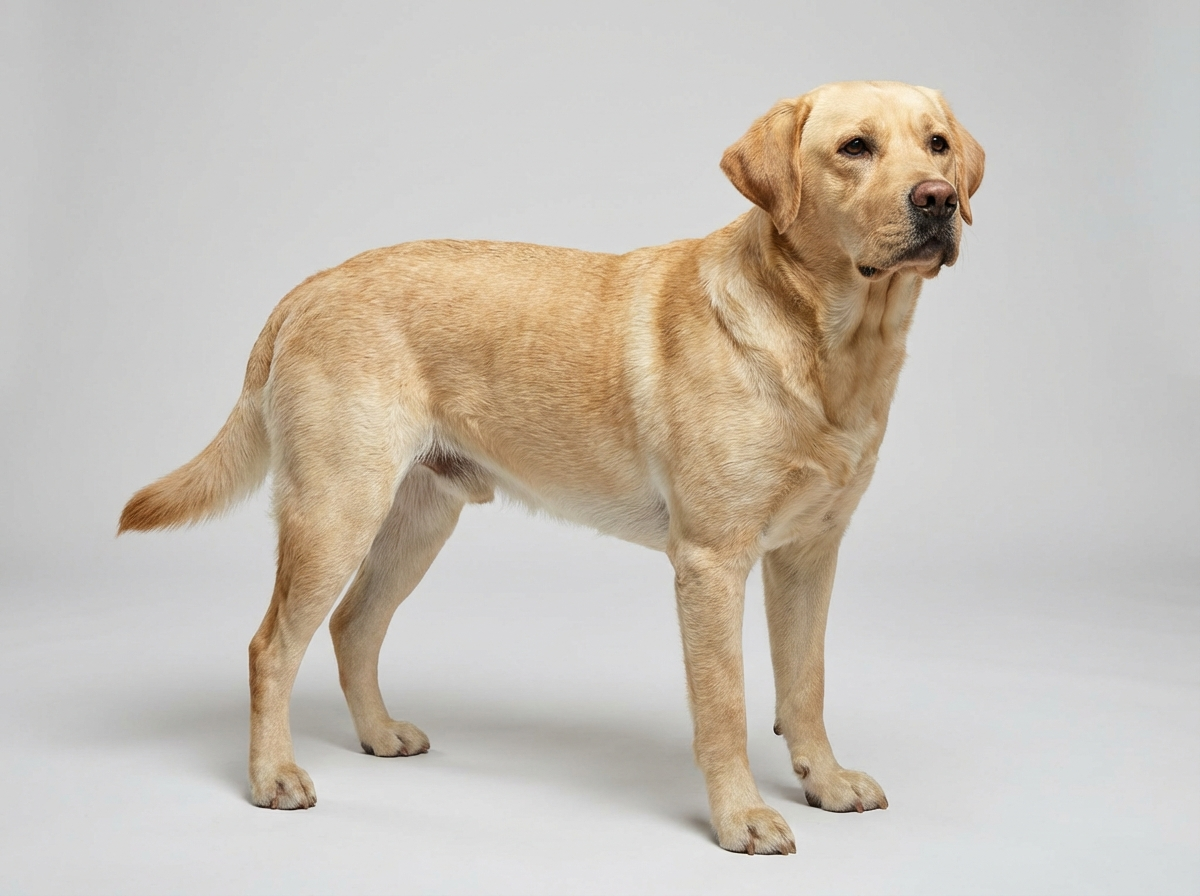
Friendly, loyal, and a great motivator for staying active.
Labradors are known for their friendly nature, making them perfect companions for seniors who want to stay active without feeling overwhelmed.
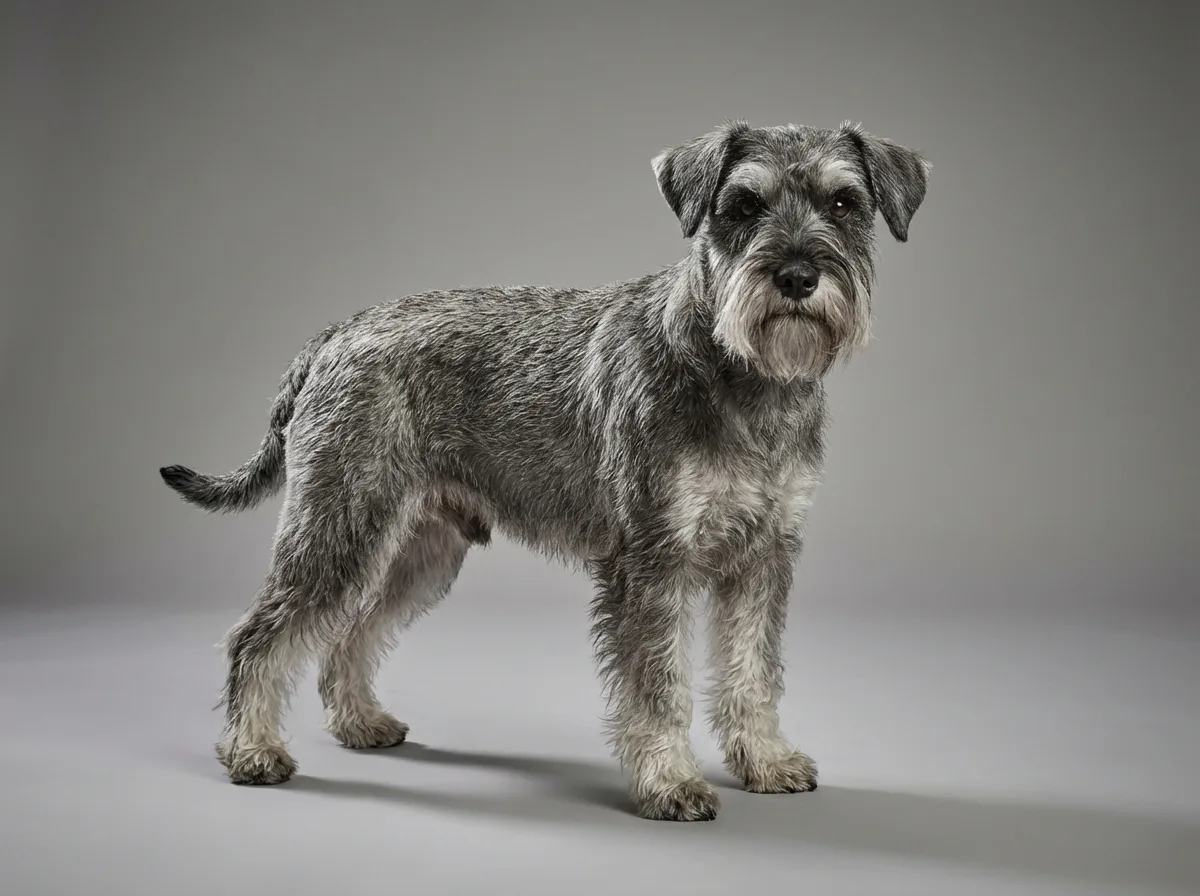
Smart, snuggly, and low-shedding for a clean home.
This breed is easy to train and loves to cuddle, making them an ideal companion for seniors who enjoy a bit of affection without high energy.

Gentle, affectionate lap dog that thrives on companionship.
Their calm demeanor and love for cuddling make them perfect for seniors looking for a devoted friend.
Betty, a lively 68-year-old retired teacher, was feeling lonely after her husband passed away. She decided it was time to adopt a dog to bring some joy back into her life. After researching the best companion dog for seniors, she settled on a Cavalier King Charles Spaniel. At first, Betty worried about the dog's health and energy level, but her new pup, Charlie, quickly became her best friend. They go on daily walks, and Charlie's cuddly nature fits perfectly with Betty's desire for companionship. They both enjoy quiet evenings on the couch watching TV, and Betty loves how Charlie motivates her to stay active without overwhelming her.
Key takeaway: Choosing a dog that matches your lifestyle can significantly enhance your quality of life, providing companionship and structure.
The best companion dog for seniors often includes breeds like Labrador Retrievers, Greyhounds, and Cavalier King Charles Spaniels. These breeds are typically friendly, low-energy, and affectionate, making them great companions for retirees.
Consider your energy level, living situation, and any mobility challenges. Breeds like Miniature Schnauzers and Pugs are often easier to manage and adapt well to smaller living spaces, while still providing companionship.
Low-maintenance breeds for seniors include Basset Hounds and French Bulldogs. These dogs generally require less exercise and grooming, making them easier to care for while still providing love and companionship.
As a retiree, you might expect to spend between $80 and $200 monthly on dog care, including food, grooming, and supplies. Annual vet costs can range from $500 to $1,500 or more, especially as dogs age.
It's important to consider the dog's lifespan and health needs, especially if you're concerned about outliving your pet. Choosing a breed with fewer health issues can help ease these worries.
Having a dog can provide companionship, encourage physical activity, and help combat loneliness among seniors.
Avoid high-energy breeds like Border Collies or large dogs that require a lot of exercise and space, as they may be more challenging for seniors to manage.
Take the Lifestyle Match quiz to see which of these breeds truly fits your day-to-day life.
Take the quizThe shortlist for your situation, with the one reason to skip each breed.
You get: Shortlist + avoid-if notes
No spam. One-click unsubscribe. See our privacy policy.

DogBreedCompass is an information website. Everything here - including breed traits, cost estimates, health explanations and calculator results - is general reference material shared for information only. It is not veterinary, medical, legal, or financial advice, and reading it does not create a veterinarian-client-patient or any other professional relationship.
We research and check what we publish, but we do not warrant that any figure, date, price, or statement is accurate, complete, or current, and we accept no liability for any loss, cost, injury, or other harm arising from the use of this site. Use it as one reference among several. You remain responsible for your own decisions and for your dog's care - confirm anything that matters with a licensed veterinarian or another qualified professional before you act on it.
Read the full disclaimer for the complete position on accuracy, liability and your responsibility as the reader.
Not sure which breed is right for you? Take our 2-minute quiz to find out.
Take the quiz