Italian Dog Names Built to Carry When You Shout Them
Italian hands an English speaker a genuinely rare shape: a short name ending on a strong, stressed vowel that's still easy to say. Rocco, Stella, and Bruna all use it, and that shape is what this page is built around.
Anyone drawn to the sound of Italian names specifically, not just the meaning, including owners who want a name that will carry across a yard or a trail, and anyone who tried a longer name and watched it collapse into something unrecognizable once it was actually being shouted.
A name gets used far more for its sound than for what it means — you'll shout it, not read it, most of the time you use it. Italian happens to produce a lot of names built for exactly that use case, which is a practical reason to look here beyond the aesthetic one. This guide states a meaning only when it's a genuine, checkable translation, and says plainly when a name is included for its sound instead.

How We Picked These Names

Short Italian Words That Carry

- Bello — the Italian word for beautiful or handsome; two syllables ending open, blunt and simple
- Luce — the Italian word for light; one syllable as spoken, easy to call at any volume
- Stella — two syllables with the stress up front, one of the most recognizable shapes on this page
- Vento — the Italian word for wind; two syllables ending open, carries well outdoors
- Fiore — the Italian word for flower; two syllables ending open, plain and easy to place
- Sasso — the Italian word for a stone; two syllables ending open, blunt and easy to say
- Orso — the Italian word for bear; two syllables ending open, a plain, sturdy register
- Volpe — the Italian word for fox; two syllables ending open
- Neve — the Italian word for snow; two syllables ending open, close in sound to a word on the Spanish page but not the same one
- Fulmine — the Italian word for a lightning bolt; three syllables in full, shortens to Fulmi
- Tuono — the Italian word for thunder; two syllables ending open, a rolled r up front
- Onda — the Italian word for wave; two syllables ending open, short and carries well
- Aurora — three syllables ending open, longer but familiar and easy to place
- Selva — the Italian word for a wood or forest; two syllables ending open, short and plain
- Piuma — the Italian word for feather; two syllables, soft consonant start
- Roccia — the Italian word for rock; two syllables ending open, close to Sasso in sound
- Fiamma — the Italian word for flame; two syllables ending open, a doubled consonant in the middle
- Aria — two syllables ending open, also a familiar musical term, easy to place either way
- Mimosa — the Italian word for the mimosa flower; three syllables ending open
- Argento — the Italian word for silver; three syllables in full, shortens to Argo in daily use
Italian Food Names

- Gelato — the Italian word for ice cream; three syllables in full, already familiar as-is
- Nocciola — the Italian word for hazelnut; four syllables in full, shortens to Noc in daily use
- Pesto — a green sauce pounded from basil, pine nuts and oil; two syllables ending open
- Amaro — three syllables ending open, short and blunt for its length
- Espresso — a small strong coffee forced through fine grounds; shortens to Espre in daily use
- Biscotto — the Italian word for a biscuit; three syllables in full, plain and easy to say
- Panino — the Italian word for a bread roll or sandwich; three syllables ending open
- Oliva — the Italian word for olive; three syllables ending open, a plain, short word
- Basilico — the Italian word for basil; four syllables in full, shortens to Basi
- Tartufo — the Italian word for truffle; three syllables ending open, distinctive
- Mandorla — the Italian word for almond; three syllables in full, shortens to Mandi
- Cannolo — the Italian word for a filled pastry tube; three syllables ending open
- Ricotta — the Italian word for a soft fresh cheese; three syllables ending open, familiar as-is
- Fico — the Italian word for fig; two syllables ending open, short and easy to call
- Pepe — two syllables, short and blunt, and not the Spanish nickname spelled the same way
- Zafferano — the Italian word for saffron; four syllables in full, shortens to Zaffi
- Miele — the Italian word for honey; two syllables, soft consonant start
- Limone — the Italian word for lemon; three syllables ending open, bright-sounding
- Prosecco — a light sparkling Italian white wine; three syllables in full, familiar as-is
- Panettone — the Italian word for a tall sweet Christmas bread; shortens to Netto in daily use
Italian Places

- Ravello — the Amalfi Coast town, distinctive and easy to say
- Sorrento — the coastal town, familiar without translation
- Positano — the Amalfi Coast village, longer but distinctive; shortens to Posi
- Siena — the Tuscan city, short and plain
- Verona — the city, familiar from a famous story but real on its own
- Assisi — the Umbrian hill town, distinctive and easy to say
- Cortina — the mountain resort town, short and carries well
- Volterra — the Tuscan hill town, distinctive
- Capri — the island, short and familiar without translation
- Elba — the island, short and plain
- Etna — the Sicilian volcano, blunt and short
- Como — the lake and town, short and easy to call
- Orvieto — the Umbrian hill town, distinctive
- Bari — the southern coastal city, short and plain
- Otranto — the coastal town, distinctive; shortens to Otra
- Trieste — the northeastern city, distinctive; shortens to Trie
- Lucca — the Tuscan walled city, short and plain
- Umbria — the region, short and distinctive
Names Used for Dogs in Italy

- Rocco — a common Italian given name that also functions widely as a dog name
- Vito — two syllables ending open, short and common, no dog-specific origin story
- Dino — two syllables ending open, used as a standalone dog name in its own right
- Ciro — a common Neapolitan given name, short and easy to call
- Nino — a common short nickname, plain and easy to place
- Bruna — the Italian word for brown in its feminine form; two syllables ending open
- Fido — the most familiar generic dog name in the language, two syllables and instantly recognizable
- Birba — the Italian word for a little rascal; two syllables ending open
- Furia — the Italian word for fury; three syllables ending open, blunt
- Chicco — a common affectionate nickname, no fixed dog-specific origin story
- Lupo — the Italian word for wolf; two syllables ending open
- Micio — the everyday household word for a house cat, used ironically as a dog's name in some homes
- Fiorella — a common Italian given name, three syllables and easy to place
- Pallino — the Italian word for a little ball; three syllables ending open
- Briciola — the Italian word for a crumb; four syllables that shorten fast
- Cocca — two syllables ending open, an affectionate register used often as a call name
- Ciuffo — the Italian word for a tuft of hair; two syllables ending open
- Trilly — an adopted, sound-first name common enough in Italian households to count as a genuine pick
Opera and Art Names

- Tosca — the title heroine of Puccini's opera, a well-known Italian cultural reference
- Aida — the title heroine of Verdi's opera, familiar and short
- Figaro — the barber from Rossini's opera, a name that carries its own comic reputation
- Norma — the title heroine of Bellini's opera, plain and short
- Turandot — the title character of Puccini's opera, distinctive; shortens to Turi
- Rigoletto — the title character of Verdi's opera, shortens to Rigo in daily use
- Otello — Verdi's opera based on Shakespeare's Othello, distinctive
- Musetta — a supporting character in Puccini's La Bohème, short and distinctive
- Mimi — the heroine of Puccini's La Bohème, short and familiar
- Violetta — the heroine of Verdi's La Traviata, longer but recognizable
- Gilda — a character in Verdi's Rigoletto, short and plain
- Amneris — a character in Verdi's Aida, distinctive; shortens to Amne
- Nedda — a character in Leoncavallo's Pagliacci, short and easy to call
- Canio — a character in Leoncavallo's Pagliacci, short and blunt
- Donatello — the Renaissance sculptor, a real historical art figure
- Raffaello — the Renaissance painter known in English as Raphael, shortens to Raffa
The Vowel-Ending Advantage

Italian Names Worth a Second Look

- A full three-word opera title used as if it were a name, like a full La Traviata said every time — use the character's name alone instead
- "Mafioso" or mob-movie references — an easy joke that gets old fast and reads oddly outside your own friend group
- Italian brand names lifted wholesale, like a car or fashion label — clever once, a running product placement after that
- A long place name said in full daily, like Positano — lovely on the page, a mouthful at the vet desk
- Adding an extra vowel to an English word to make it "sound Italian" — invented, not translated, and it reads as a guess
- Food names that double as insults in casual Italian slang without you realizing it — worth a quick check before committing
- Composer or director surnames used whole, like Puccini — grand on paper, stiff said fifty times a day
Test Before You Commit

- Say the name and then just its first syllable — Rocco becomes "Ro," Stella becomes "Ste" — and check whether the shortened version still sounds like a name and not a sneeze
- Test the specific ending: names finishing on a strong "o" or "a," like Bello or Bruna, tend to hold their shape when shouted; check whether yours does the same across a yard, not just in a quiet room
- Read it to someone with no Italian at all and ask them to repeat it back — if they stumble on the stress, that's useful information before it becomes permanent
- Say it once warmly and once as a sharp correction; a soft two-syllable name should still cut through when you need it to
- Compare your two finalists in the Dog Name Compass quiz at /quiz/dog-name-generator, which flags cue clashes and household-name collisions that a nice-sounding Italian word alone won't catch
Frequently asked questions
Why do so many Italian dog names end in a vowel?
Italian words generally end on a vowel by default, and a lot of them land on a stressed "o" or "a" — Rocco, Bruna, Stella. That's just how the language is built, not a rule invented for naming dogs, but it happens to produce names that carry well when shouted, since the final sound stays strong instead of trailing off.
What does Nocciola mean?
It's the Italian word for hazelnut, a sourced meaning we checked against a real dictionary before printing. As a name it's four syllables in full, shortening naturally to Noc in daily use, with a warm register that reads well on a brown or tan-coated dog.
Is Fido an actual Italian word?
Its roots are Latin rather than modern Italian, and over time it became the generic placeholder name for a dog across several languages, the way "Rover" works in English. Two clear syllables, easy to recognize on sight.
Are opera character names too formal for a dog?
Not necessarily — Mimi, Nino, and Gilda are short and function like any other name once you're using them daily; a longer title like Turandot is the one worth shortening before you commit to shouting it across a park.
What's a good short Italian name for a big dog?
Look at the everyday-words and names-used-for-dogs-in-italy sections on this page for options like Rocco, Orso, or Vito — short, ending in a strong vowel, and built to be heard across distance, which matters more for a larger dog you'll often be calling outdoors.
How do I know which Italian names are actually used for dogs versus just Italian words?
This page separates the two on purpose: the everyday-words and food sections are dictionary vocabulary with a sourced meaning behind most entries, while the names-used-for-dogs-in-italy section lists names Italian households actually reach for, some of which — like Fido or Chicco — have no sourced meaning to print at all.
Quick answers
View more answersDoes Rocco mean anything specific?
Not in the way a vocabulary word does — Rocco is a common Italian given name with Germanic roots, used as a dog name for its sound and familiarity rather than a literal translation.
Is Stella a good name for training?
Its two clear syllables and strong final vowel make it easy to call across distance, which is generally what trainers recommend looking for, though the evidence for exact syllable-count rules is thin.
What does Nocciola mean in English?
Hazelnut — a sourced Italian dictionary meaning, commonly used for a light brown or tan-coated dog.
Related DogBreedCompass guides
- how French names handle nasal endings – Readers comparing Romance-language picks can see how French names handle the opposite acoustic problem.
- the curated dog names hub – Readers who want the short curated overview before drilling into one language start at the hub.
- the separate Spanish names list – Readers assuming Italian and Spanish names overlap get pointed to the page that keeps them distinct.
- the research behind sound-based naming advice – Readers wanting the reasoning behind this page's sound-based claims get the full methodology.
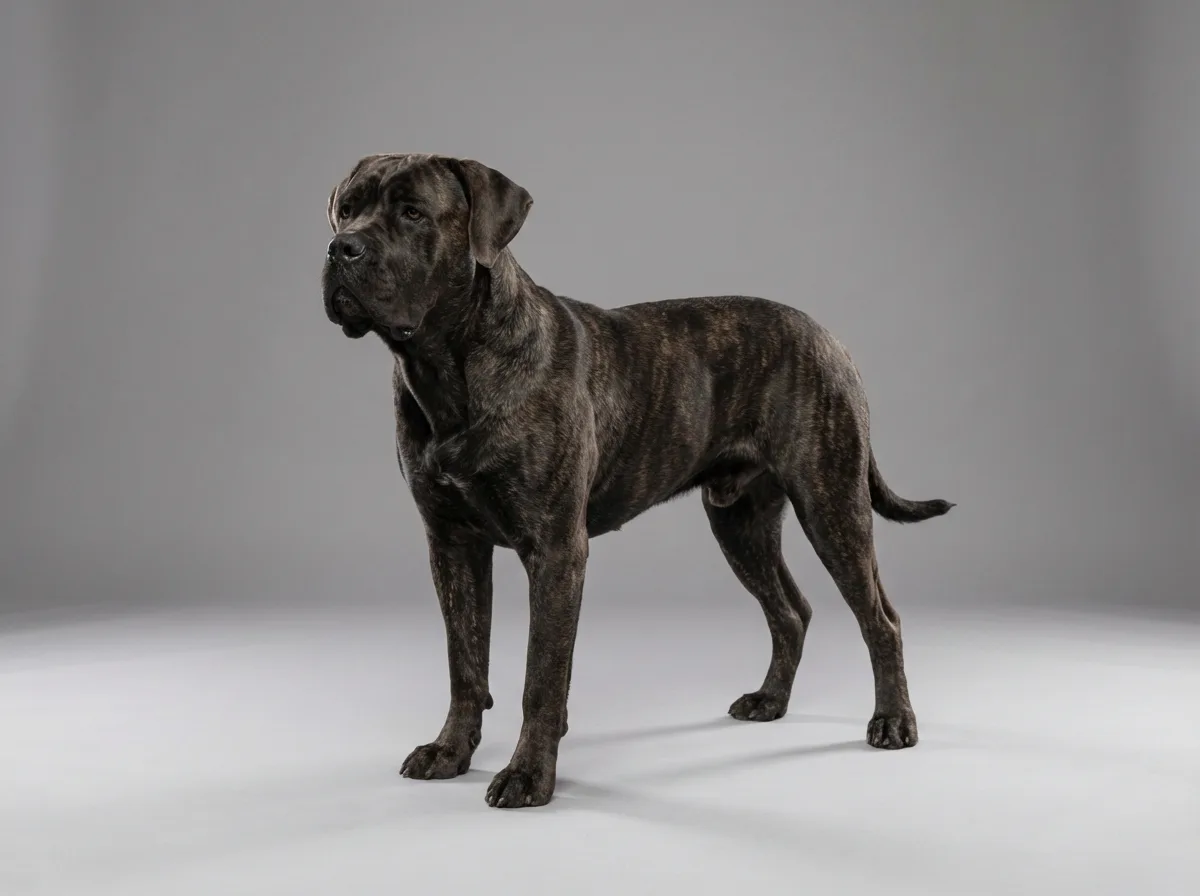
- naming ideas for a Cane Corso – A breed commonly paired with Italian naming traditions gives this list a concrete example.
- a step-by-step way to test two names – Owners deciding between two Italian finalists benefit from a structured way to test them.
Important reminder
This guide is not medical advice. If your dog shows pain, sudden behavior change, or worsening symptoms, consult a licensed veterinarian.
Some links may be affiliate links. We may earn a commission at no extra cost to you. We only suggest products we believe are helpful for dog owners.
Narrow this list down to a few names
Answer a few questions about your dog and the sounds already used at home, and we will shortlist from names like these - then help you compare and test the finalists.
Find names that fit your dogMore guides you might like

Yorkshire Terrier Cost in Portland: First-Year & Monthly

Which Dog is Easiest to Train? A Guide for New Owners

Siberian Husky vs Weimaraner: Size, Shedding, Cost & Temperament

Which Dog Breed is Good with Kids? Find the Perfect Family

Best Dogs for Health-conscious and Wellness-focused Owners

Siberian Husky vs Yorkshire Terrier: Size, Cost & Temperament
Find your match
Not sure which breed is right for you? Take our 2-minute quiz to find out.
Take the quiz