DogBreedCompass

Finding a Reputable French Bulldog Breeder: A Buyer's Checklist

A $1,200 Frenchie puppy and a $3,500 Frenchie puppy can look identical in a photo, but one of them likely came from parents that were never checked for the breathing and spine problems this breed is known for. The difference shows up later, in vet bills and surgeries, not at pickup. This guide is about spotting that difference before you pay a deposit.

This is for anyone actively comparing French Bulldog breeders or listings right now, not someone still deciding whether to get a dog at all. It's especially relevant if you've already seen a price that seems low, a breeder who 'always has puppies,' or a listing that says nothing about health testing. If you're choosing between two specific breeders and need a checklist to compare them, this is that checklist.

French Bulldogs carry more overlapping breed-specific health risk than most popular breeds — BOAS, spinal issues from screw-tail conformation, hip and patella problems, eye disorders, and skin fold infections can all show up in a single dog. Buying from a breeder who doesn't screen for these compounds that risk before the puppy even goes home. Since first-year costs already run $2,500 to $4,500 even from a careful breeder, skipping the vetting step is also the most common way owners end up with unplanned four- and five-figure vet bills.

Finding a Reputable French Bulldog Breeder: A Buyer's Checklist

Why French Bulldogs Need a Breeder Who Screens for More Than Cute

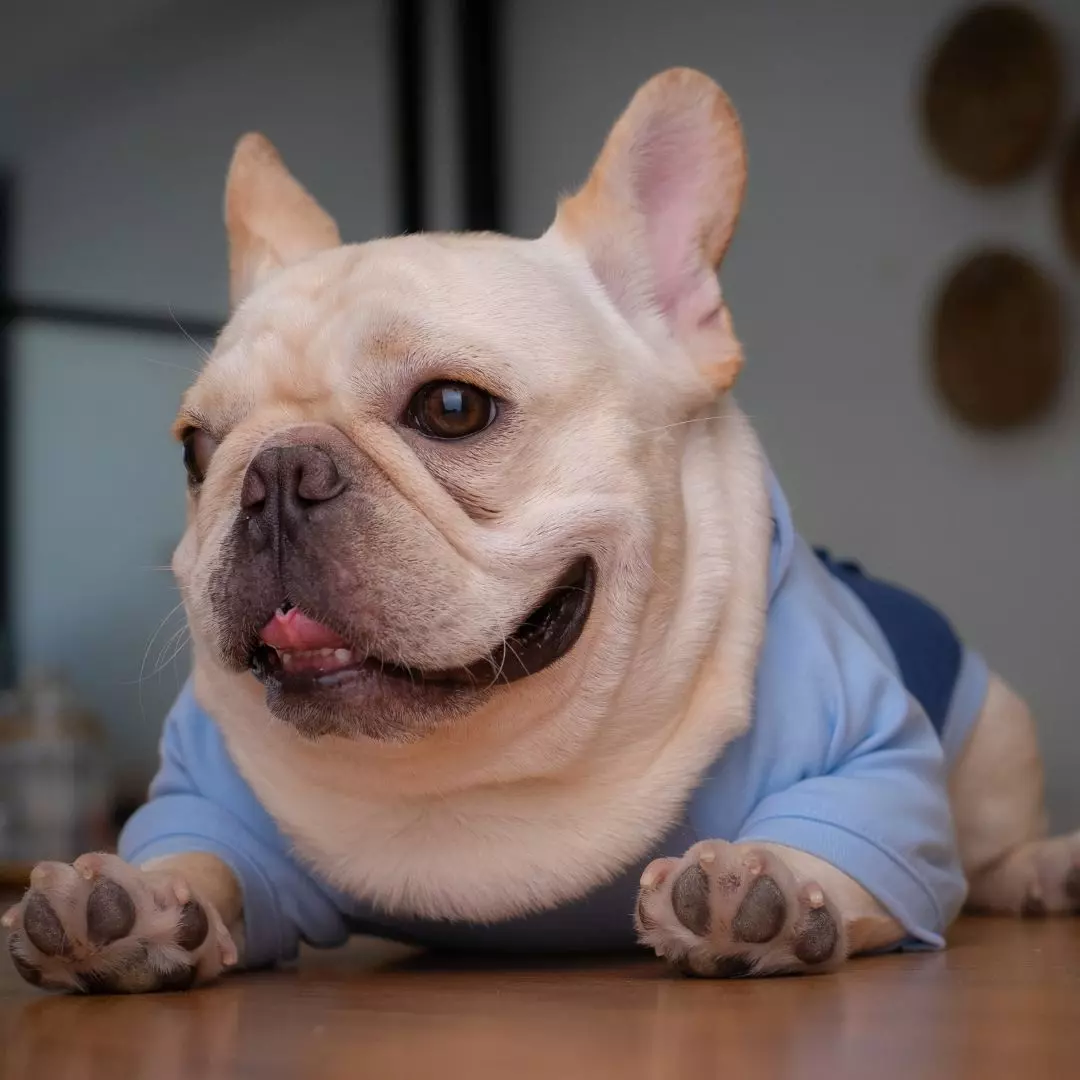
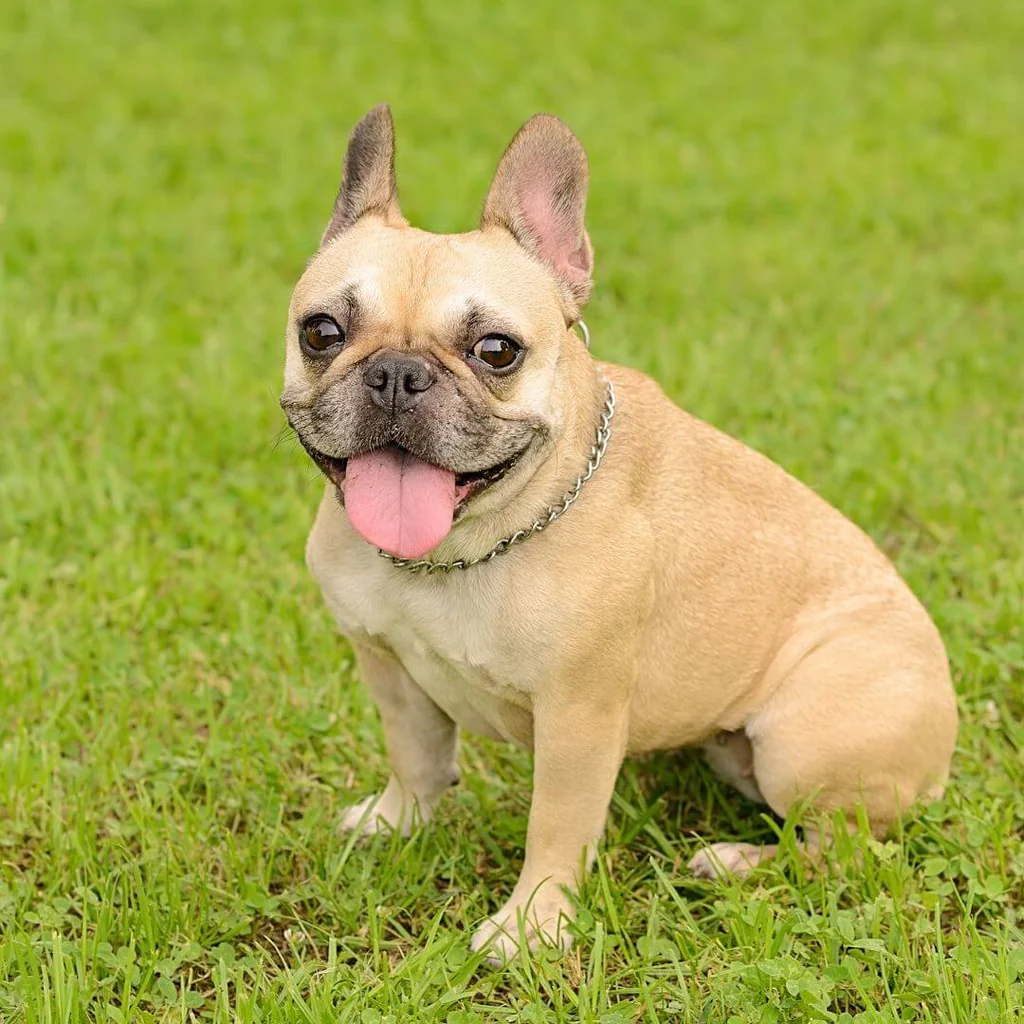
French Bulldogs are the AKC's most registered breed, and that popularity has created a market where anyone with an intact male and female can advertise 'puppies available' online. The breed's flat face, corkscrew tail, and compact spine are not cosmetic quirks — they are the direct cause of BOAS, hemivertebrae-related spinal issues, and chronic skin fold infections. A breeder who can't explain how they screen against these specific conditions is selecting for looks, not health.

This is different from vetting a breeder for, say, a Labrador, where hip dysplasia is the main concern. A French Bulldog breeder needs to manage airway anatomy, spinal conformation, eye exposure, heat intolerance, and hip and patella soundness all at once. That's a lot of overlapping risk packed into one small dog, which is why the vetting bar for this breed sits higher than for most.

The Health Screening Checklist a Reputable Breeder Can Document

The Health Screening Checklist a Reputable Breeder Can Document — key points below.

Finding a Reputable French Bulldog Breeder: A Buyer's Checklist - The Health Screening Checklist a Reputable Breeder Can Document
  • BOAS functional grading (a 0-3 respiratory function scale) performed on both parents, not just a visual 'she breathes fine' assessment.
  • OFA or PennHIP hip evaluation and patella luxation grading for both sire and dam.
  • A note on hemivertebrae status, since 'butterfly' or wedge-shaped spinal vertebrae are common in screw-tailed breeds and can cause pain or hind-leg weakness.
  • An OFA CAER ophthalmologist eye exam checking for entropion, cherry eye, and ulcer risk tied to the breed's prominent eye placement.
  • Cardiac auscultation or echocardiogram results, since congenital heart issues appear disproportionately in brachycephalic breeds.
  • A skin fold care routine the breeder can actually describe — nasal fold, tail pocket, and facial wrinkle cleaning — not just a mention that it's needed.

C-Section vs Natural Whelping: What to Ask

Most French Bulldog dams can't deliver naturally because puppy heads and shoulders are too large relative to the mother's pelvis; industry estimates put C-section rates in the breed above 80%. A reputable breeder discloses this upfront, names the vet who performed the surgery, and can tell you how many litters that specific dam has already had. A dam on her fourth or fifth litter is a red flag regardless of how healthy the puppies look, since repeated C-sections carry real surgical risk to the mother.

Ask directly whether the litter came from natural mating or artificial insemination — both are common and neither disqualifies a breeder on its own. What matters is whether they volunteer this information before you ask, since it signals whether they treat whelping as a managed medical event or something to gloss over.

Finding a Reputable French Bulldog Breeder: A Buyer's Checklist - C-Section vs Natural Whelping: What to Ask

Red Flags That Point to a Backyard Breeder or Puppy Mill

Red Flags That Point to a Backyard Breeder or Puppy Mill — key points below.

Finding a Reputable French Bulldog Breeder: A Buyer's Checklist - Red Flags That Point to a Backyard Breeder or Puppy Mill
  • No OFA, PennHIP, or CAER paperwork offered, or documents that reference the puppy instead of the parents.
  • Multiple litters or multiple breeds 'always available' with same-day pickup — reputable breeders usually run a waitlist.
  • Refuses to let you see the dam in person, insists on video calls only, or won't show you where puppies are raised.
  • Sells through a pet store, broker, or ships the puppy sight-unseen with no home visit or interview.
  • Heavy upcharging for merle, blue, or lilac coats, which fall outside the standard color range and carry added skin and eye risk.
  • No written health guarantee, or one that only covers the first 48-72 hours.
  • Breeding the same female on back-to-back heat cycles instead of resting her between litters.

What You'll Actually Pay: The $2,500-$4,500 Range Explained

Budget $2,500 to $4,500 for the first year with a reputable French Bulldog breeder, and treat anything well under $1,500 as a reason to ask more questions, not a bargain. That range reflects real upstream costs: progesterone testing and artificial insemination for the dam, an elective C-section, neonatal care for a breed prone to small litters, and OFA, CAER, and cardiac screening on both parents.

A breeder cutting corners on any of those steps can undercut that price, which is exactly why the cheapest listing is usually the riskiest one. The reverse also holds — a breeder charging well above $4,500 purely for a rare coat color isn't necessarily healthier, since color breeding is often layered on top of, not instead of, standard health testing.

Finding a Reputable French Bulldog Breeder: A Buyer's Checklist - What You'll Actually Pay: The $2,500-$4,500 Range Explained

Questions to Ask on a Breeder Call or Visit

Questions to Ask on a Breeder Call or Visit — key points below.

Finding a Reputable French Bulldog Breeder: A Buyer's Checklist - Questions to Ask on a Breeder Call or Visit
  • Can I see OFA/PennHIP hip results, patella grading, and CAER eye exam certificates for both parents?
  • What was this dam's BOAS grade, and has she ever needed airway surgery herself?
  • How many litters has this dam had, and were they natural or C-section deliveries?
  • Can I meet the dam in person and see where the puppies are being raised?
  • What's covered in the health guarantee, and for how long?
  • What's your policy if my puppy is later diagnosed with a condition covered by the OFA panel?

Frequently asked questions

How much should I expect to pay for a French Bulldog from a reputable breeder?

Reputable breeders typically price things so the total first-year cost lands between $2,500 and $4,500, once you include the puppy itself plus initial vet visits and supplies. That range reflects real costs on the breeder's side — artificial insemination, C-section delivery, and full health-testing panels on both parents. Listings well under $1,500 usually mean one or more of those steps were skipped.

What is BOAS and why should it affect which breeder I choose?

BOAS (Brachycephalic Obstructive Airway Syndrome) is the breathing disorder caused by the Frenchie's flat face and narrowed airway, and it's the breed's single most common health problem. Reputable breeders have their breeding dogs functionally graded for BOAS, not just visually assessed, and avoid pairing two dogs with poor airway scores. Ask for the grading result directly rather than accepting 'she breathes fine.'

Is it a red flag if my puppy's mother had a C-section?

No — C-section delivery is the norm for French Bulldogs, with estimates putting the rate above 80% due to puppy head and shoulder size relative to the dam's pelvis. What matters is disclosure: a reputable breeder tells you this proactively and can state how many litters that dam has had. Multiple C-sections on the same female without adequate recovery time between litters is the actual red flag, not the surgery itself.

What health certifications should a French Bulldog breeder be able to show me?

Ask for OFA or PennHIP hip results, patella luxation grading, an OFA CAER eye exam, and a BOAS respiratory function grade for both the sire and dam. Documents should reference the parents by registered name or number, not the puppy you're buying. A generic 'vet checked' letter is not equivalent to breed-specific screening.

How can I verify a breeder's health testing claims instead of taking their word for it?

OFA results for hips, patellas, and eyes are searchable by registered dog name or number in the public OFA database, so ask for that name and check it yourself. BOAS grading and cardiac results are less centralized, so ask which vet or clinic performed the test and consider calling to confirm. A breeder who resists you verifying independently is worth walking away from.

Why do merle or blue French Bulldogs cost so much more, and is that worth it?

Merle, blue, and lilac coats come from dilution genes that fall outside the standard-recognized French Bulldog color range and are linked to increased risk of skin and eye issues, particularly with merle-to-merle breeding. The higher price for these colors reflects rarity and demand, not better health or temperament. A health-focused breeder discloses that trade-off rather than marketing the color as a premium feature.

How many litters is too many for a single French Bulldog dam?

Most reputable breeding programs retire a dam after three to four litters and rest her for a full cycle between pregnancies, given how physically demanding repeated C-sections are on this breed. A dam already on litter five or six, or bred on back-to-back heat cycles, points to a volume-focused operation rather than a health-focused one. Ask directly how old the dam is and how many litters she's had.

Should I be able to meet the puppy's parents before buying?

You should always be able to meet the dam in person and see the environment the puppies are raised in; the sire is sometimes off-site if the breeder used an outside stud, which is normal. A breeder who insists on parking-lot meetings, ships puppies unseen, or only offers video calls is avoiding scrutiny of the breeding conditions. In-person visits also let you check skin fold condition and general alertness firsthand.

What ongoing costs come from French Bulldog health issues beyond the puppy price?

Beyond the $2,500-$4,500 first-year range, expect recurring costs tied to the breed's known issues — skin fold cleaning supplies, a managed cooling routine for heat sensitivity, and potentially BOAS surgery later in life if breathing worsens. Pet insurance bought before symptoms appear is one way owners offset the spinal and respiratory risk built into the breed. Ask your breeder what conditions have recurred in past litters so you know what to watch for.


Quick answers

View more answers
Costs

How much does a reputable French Bulldog breeder charge?

Expect $2,500 to $4,500 for the first year, covering the puppy plus the health testing and C-section costs behind it.

Health

What's the most important test to ask a French Bulldog breeder about?

BOAS functional grading on both parents, since airway disease is the breed's most common and most serious health issue.

Health

Is a C-section birth a red flag?

No — over 80% of French Bulldog litters are delivered by C-section, so disclosure matters more than the surgery itself.

Living

What breeder-disclosed info affects daily care later?

Ask about skin fold cleaning routines and heat sensitivity now, since both become daily maintenance once the puppy is home.

Health

Are hip and patella checks necessary for a small breed?

Yes — hip dysplasia and patella problems both appear on the breed's common health issue list despite the Frenchie's small size.

Costs

Is a $1,000 French Bulldog puppy a good deal?

Usually not — prices well under $1,500 typically mean the breeder skipped health screening, C-section costs, or both.

Training

Does temperament vary much by breeder?

Well-bred Frenchies are consistently affectionate, clownish, and adaptable, but poor socialization from a high-volume breeder can undercut that temperament.

Related DogBreedCompass guides

  • French Bulldog Breed Profile – Full temperament, health, and care profile for readers deciding if the breed fits before they start breeder-vetting.
  • Cost of Owning a French Bulldog – Breaks down the $2,500-$4,500 first-year range referenced in this guide with local pricing detail.
  • French Bulldog vs Boston Terrier – Common cross-shop for buyers weighing a flat-faced breed with fewer BOAS-related risks.
  • French Bulldog vs English Bulldog – Directly relevant comparison for buyers evaluating breed-specific health tradeoffs before choosing a breeder.
  • French Bulldog Separation Anxiety – Relevant follow-up for new owners once the puppy is home, linking purchase-intent readers to post-purchase content.

Important reminder

This guide is not medical advice. If your dog shows pain, sudden behavior change, or worsening symptoms, consult a licensed veterinarian.

Some links may be affiliate links. We may earn a commission at no extra cost to you. We only suggest products we believe are helpful for dog owners.

We research and check what we publish, but we do not warrant that any figure, date, price, or statement is accurate, complete, or current, and we accept no liability for any loss, cost, injury, or other harm arising from the use of this site. Use it as one reference among several. You remain responsible for your own decisions and for your dog's care - confirm anything that matters with a licensed veterinarian or another qualified professional before you act on it. Full disclaimer.

Want more tailored help?

Take the Lifestyle Match quiz to see which breeds and guides best fit your day-to-day life.

Take the quiz

More guides you might like

Find your match

Not sure which breed is right for you? Take our 2-minute quiz to find out.

Take the quiz