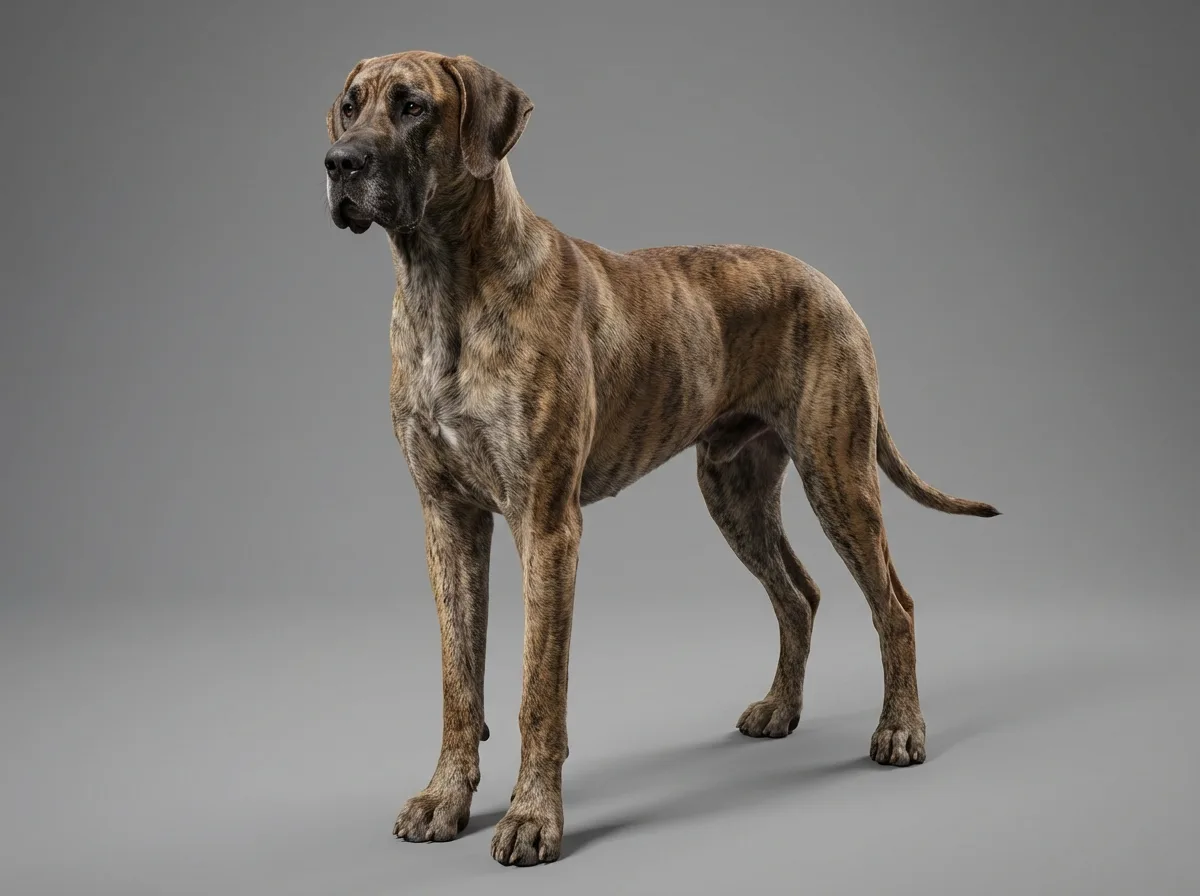
Great Dane vs Mastiff: A Comprehensive Comparison
Choosing between a Great Dane and a Mastiff? This guide breaks down everything you need to know about these gentle giants, from size to temperament.
Understanding the Great Dane vs Mastiff Comparison
When considering a giant dog, the Great Dane vs Mastiff debate often comes up. Both breeds are known for their impressive size and gentle nature, making them popular choices for families and dog lovers alike. Understanding the differences between these two gentle giants is crucial for potential owners, as it can greatly impact your lifestyle and home environment.
The Great Dane is often celebrated for its towering height and friendly disposition. These dogs are known as "gentle giants" because, despite their size, they tend to have sweet and affectionate personalities. They are usually friendly with kids and other pets, making them a great family companion. On the other hand, the Mastiff, with its massive build and protective instincts, is also a beloved breed. They are known for their loyalty to their families and can be excellent guard dogs. However, their temperament can vary more widely, which is something to consider when choosing between the two.
In this guide, we will explore various aspects of both breeds to help you make an informed decision. We will look into their size, temperament, health considerations, and suitability as family pets. Additionally, we’ll discuss their guard dog capabilities and the implications of owning such large breeds. Understanding these factors will not only help you choose the right breed but also prepare you for the responsibilities that come with owning a giant dog.
The size comparison of the Great Dane vs Mastiff is particularly striking. Great Danes typically stand between 28 to 34 inches tall at the shoulder, while Mastiffs can weigh between 120 to 230 pounds. This difference in size can affect your home environment, including space considerations and exercise needs. Both breeds require ample room to move around comfortably, and their exercise needs may vary, influencing your daily routine.
Health issues are also a significant consideration in this giant dog comparison. Both breeds can face specific health challenges due to their size, such as hip dysplasia or heart conditions. Knowing these potential issues can help you prepare for future vet visits and care requirements.
In the end, whether you lean towards a Great Dane or a Mastiff, understanding their unique characteristics is essential. This guide will provide you with the insights you need to determine which breed aligns best with your lifestyle. From their personalities to their care needs, we’ll cover all the bases to ensure you’re well-informed before making your choice.
Step-by-Step Plan for Choosing Between a Great Dane and a Mastiff
Deciding between a Great Dane and a Mastiff can be tough. Follow these steps to make an informed choice that suits your lifestyle and home.
- 1. Research both breeds thoroughly.
- 2. Consider your living space and environment.
- 3. Assess your lifestyle and activity levels.
- 4. Evaluate the costs of ownership.
- 5. Meet both breeds in person.
- 6. Consult with a veterinarian or breed expert.
- 7. Make a decision based on your findings.
Common Mistakes When Choosing Between a Great Dane and a Mastiff
Choosing between a Great Dane and a Mastiff can be tricky. Here are common mistakes to avoid that could lead to regret.
- Underestimating Space Requirements
- Ignoring Health Care Costs
- Neglecting Training Needs
- Assuming All Giant Breeds Are the Same
- Disregarding Temperament Differences
Common Myths about Great Danes and Mastiffs
When comparing Great Danes and Mastiffs, many myths can cloud the truth. Here, we debunk some common misconceptions to help you make an informed choice between these two gentle giants.
- Myth: Great Danes are always bigger than Mastiffs.
- Myth: Mastiffs are aggressive and unsuitable for families.
- Myth: Both breeds require the same amount of exercise.
- Myth: Great Danes are better guard dogs than Mastiffs.
- Myth: Mastiffs drool more than Great Danes.
Advanced Tips for Choosing Between Great Dane and Mastiff
Choosing between a Great Dane and a Mastiff involves more than just size and looks. Here are some advanced tips to help you make a well-informed decision. First, consider the lifestyle of your household. Both breeds are gentle giants, but their energy levels can differ significantly. Great Danes tend to be more playful and require regular exercise to stay healthy. On the other hand, Mastiffs are more laid-back and can adapt to a less active lifestyle. Next, think about your space. While both breeds are large, Mastiffs are stockier and might need more room to move comfortably in your home.
Another factor to evaluate is their socialization needs. Great Danes usually thrive on social interaction and may develop anxiety if left alone for long periods. Mastiffs can be more independent but still need early socialization to ensure they are well-rounded. If you’re considering them as guard dogs, keep in mind that while both breeds are protective, their approaches differ. Mastiffs have a more serious demeanor, while Great Danes tend to be more approachable. Lastly, consider long-term health. Great Danes are prone to certain health issues like bloat, while Mastiffs may have hip dysplasia. Regular vet check-ups can help you manage these risks effectively.
Insider Secrets on Great Danes and Mastiffs
When considering a Great Dane vs Mastiff, there are some lesser-known insights that can help you make a more informed decision. Here are a few expert tips that might surprise you.
- Great Danes have a unique health risk profile. While both breeds can face health issues due to their size, Great Danes are particularly prone to bloat, a life-threatening condition. Be vigilant about their diet and feeding practices.
- Mastiffs are known for their guard dog capabilities. While Great Danes can also be protective, Mastiffs tend to have a stronger instinct to guard their family and property, making them an excellent choice for security.
- Gentle giants need socialization. Both breeds are known as gentle giants, but they can develop behavioral issues if not properly socialized from a young age. Early exposure to different environments and people is crucial.
- Drooling is a common issue. Generally, Mastiffs drool more than Great Danes due to their loose skin and larger jowls. If drool is a deal-breaker for you, consider this in your decision.
- Size isn't everything. While the Dane vs Mastiff size debate often focuses on height and weight, remember that personality and temperament play significant roles in how they fit into your lifestyle.
Great Dane vs Mastiff: Summary Checklist
Use this checklist to decide between a Great Dane and a Mastiff. Consider their size, temperament, and care needs to find the right fit for your family.
- Assess your living space: Do you have enough room for a giant dog?
- Evaluate your lifestyle: Are you active enough to meet their exercise needs?
- Consider grooming requirements: Both breeds have different grooming needs.
- Think about drooling: Mastiffs tend to drool more than Great Danes.
- Check for allergies: Are you or any family member allergic to dog hair?
- Determine your budget: Can you afford the food and vet costs for a giant breed?
- Evaluate your family dynamics: Which breed fits better with your children or other pets?
- Research training needs: Both breeds require consistent training and socialization.
- Plan for health care: Be aware of common health issues in both breeds.
- Look into insurance: Giant breeds can have higher insurance costs.
Frequently asked questions
Is a Great Dane bigger than a Mastiff?
Great Danes and Mastiffs are both giant breeds, but Mastiffs usually weigh more. Great Danes can reach up to 175 pounds, while English Mastiffs can weigh between 120 to 230 pounds. In terms of height, Great Danes are taller, often standing around 30 inches at the shoulder. This answer relates to great dane vs mastiff.
Which drools more, Dane or Mastiff?
Mastiffs tend to drool more than Great Danes. Their loose skin and larger mouths can lead to more slobber, especially when they're excited or eating. Great Danes do drool, but it's usually less noticeable.
Better family dog: Dane vs Mastiff?
Both Great Danes and Mastiffs can make great family dogs, but they have different temperaments. Great Danes are known for their playful nature and friendliness, while Mastiffs are more laid-back and protective. Consider your family's activity level when choosing between the two.
What are the guard dog capabilities of Great Danes and Mastiffs?
Mastiffs are generally considered better guard dogs due to their protective instincts and larger size. Great Danes can also be protective, but they are often more friendly and less aggressive. Both breeds can deter intruders simply by their size.
Do Great Danes and Mastiffs require special care?
Yes, both breeds need special care due to their size. They require regular vet check-ups, a balanced diet to maintain a healthy weight, and adequate exercise. Additionally, their joints can be prone to issues, so monitoring their activity is important.
How do the temperaments of Great Danes and Mastiffs compare?
Great Danes are known for their friendly and playful nature. They often get along well with children and other pets. Mastiffs, on the other hand, are typically more reserved but very protective, making them excellent guard dogs.
What are the exercise needs for Great Danes vs Mastiffs?
Both breeds require regular exercise, but Great Danes usually need a bit more activity due to their energetic demeanor. A daily walk and playtime are essential for both, but Mastiffs may be more prone to lounging around.
Are Great Danes or Mastiffs better for apartment living?
Both breeds can adapt to apartment living, but it's important to consider their size. Great Danes may need more space to move around, while Mastiffs are generally more laid-back and can thrive in smaller spaces as long as they get enough exercise.
What is the lifespan of a Great Dane compared to a Mastiff?
Great Danes typically have a lifespan of around 7 to 10 years, while Mastiffs often live slightly longer, averaging about 8 to 12 years. It's important to remember that larger breeds generally have shorter lifespans compared to smaller ones.
Which breed is easier to train, Great Danes or Mastiffs?
Great Danes tend to be more eager to please, which can make them easier to train. Mastiffs, while intelligent, can be more independent and might require a firmer hand during training sessions.
How much grooming do Great Danes and Mastiffs require?
Both breeds have short coats that require minimal grooming. However, Mastiffs may need more attention to their skin folds to prevent infections. Regular brushing for both breeds can help reduce shedding.
Are Great Danes or Mastiffs more prone to health issues?
Both breeds can face health issues due to their size, such as hip dysplasia and heart problems. Great Danes are particularly prone to bloat, which can be life-threatening, so regular vet check-ups are crucial for both breeds.