DogBreedCompass

Which Dog is Easiest to Train?

Finding the right dog for training can be tough. This guide will help you discover which dog breeds are the easiest to train, making your journey smoother.

This guide is perfect for first-time dog owners, busy families, or anyone who has limited time for training. If you’re looking for a dog that can learn commands quickly and adapt to your lifestyle, this information will help you make an informed decision. It’s also useful for those who may have previously struggled with training their pets.

Understanding which dogs are easiest to train is crucial for long-term success in dog ownership. Many new dog owners underestimate the time and effort required for training, leading to frustration. By choosing a breed that is known for being obedient, you can foster a positive relationship with your pet and reduce common behavior issues.

Understanding Which Dog is Easiest to Train

Choosing a dog that is easy to train can make a significant difference in your experience as a pet owner. When considering which dog is easiest to train, it's important to look at factors like intelligence, temperament, and eagerness to please. Dogs that are smart, obedient, and fast learners tend to adapt well to training, making them ideal for first-time dog owners or busy families.

Why Training Ease Matters

The ease of training is crucial for building a strong bond between you and your dog. A well-trained dog is not only more enjoyable to live with but also safer in various situations. Dogs that respond well to commands help reduce stress for their owners and can even prevent behavioral issues down the line.
Which Dog is Easiest to Train? - Why Training Ease Matters

What to Look For in Trainable Dogs

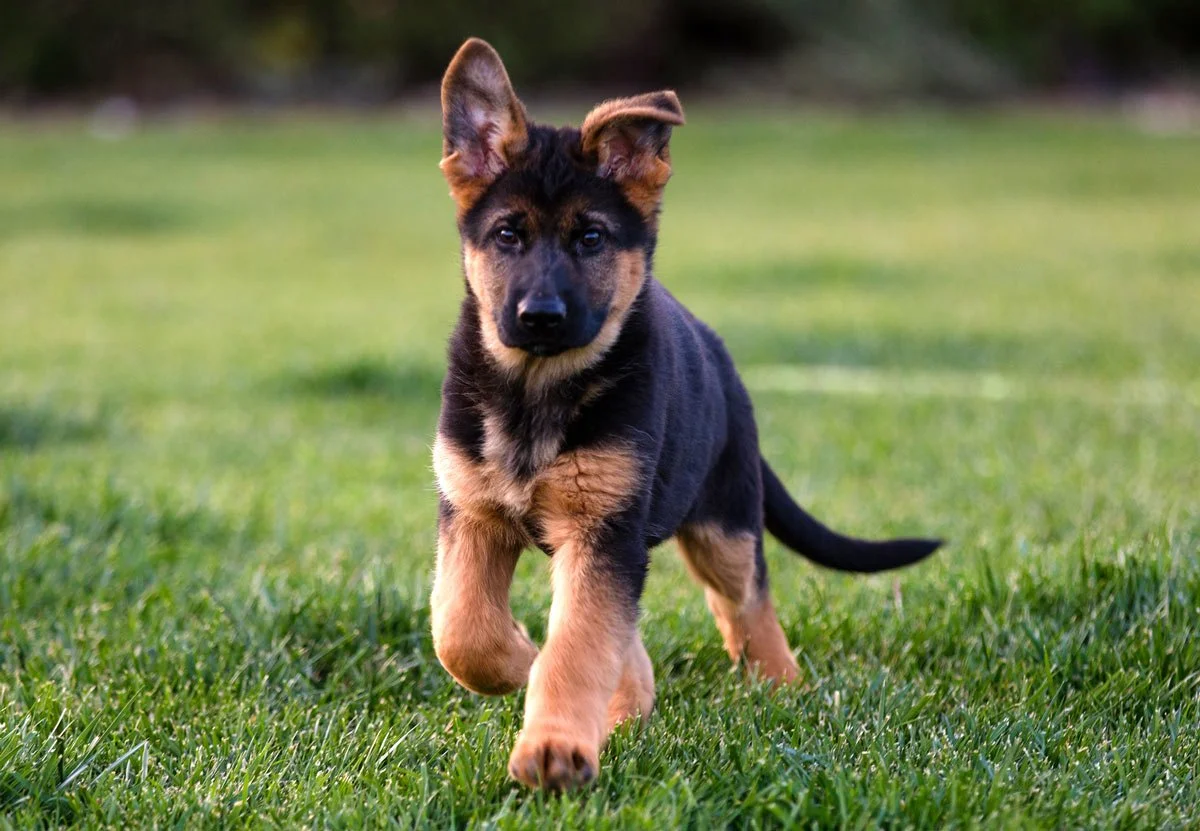
When searching for the best training candidates, consider breeds known for their intelligence and eagerness to learn. Breeds like the Border Collie, Poodle, and German Shepherd are often recognized as top trainable breeds. These dogs tend to thrive in structured environments and enjoy the mental stimulation that training provides.
Which Dog is Easiest to Train? - What to Look For in Trainable Dogs

How to Start Training Your Dog

To get started with training, focus on positive reinforcement techniques. Rewarding your dog with treats, praise, or playtime encourages them to repeat good behavior. Begin with simple commands and gradually increase the complexity as your dog masters each skill. Consistency and patience are key to success.
Which Dog is Easiest to Train? - How to Start Training Your Dog

Conclusion: Your Training Journey

In conclusion, selecting a dog that is easy to train can lead to a fulfilling relationship between you and your pet. Understanding which dog is easiest to train helps set realistic expectations and promotes a positive training experience. With the right approach and patience, you can enjoy a well-behaved, obedient companion.

Step-by-Step Guide to Choosing a Trainable Dog

If you’re wondering which dog is easiest to train, follow these actionable steps. This guide helps you choose the right breed and get started with training effectively.
  • Step 1: Research Smart Breeds
  • Step 2: Assess Your Lifestyle
  • Step 3: Visit Local Shelters or Breeders
  • Step 4: Start Basic Training
  • Step 5: Enroll in a Training Class
  • Step 6: Create a Consistent Routine
  • Step 7: Reinforce Positive Behavior

Why this helps

  • Helps you understand which breeds are fast learners.
  • Provides a clear action plan for training.
  • Encourages engagement with potential pets.

Watch out for

  • ! Might require extra time for research.
  • ! Commitment needed for ongoing training.
  • ! Not every dog will fit your lifestyle despite breed traits.

Common Mistakes When Training Your Dog

Training your dog can be a rewarding experience, but many people make mistakes that can hinder their progress. Here are some common pitfalls to avoid when figuring out which dog is easiest to train.
  • Inconsistent commands
  • Neglecting socialization
  • Overusing treats
  • Ignoring breed traits
  • Skipping basic obedience
  • Lack of patience

Common Myths About Dog Training

Many people have misconceptions about dog training that can lead to frustration. Here are some common myths and the facts that debunk them.
  • Myth: Only smart dogs can be trained easily.
  • Myth: Training a dog is a quick process.
  • Myth: All breeds learn at the same pace.
  • Myth: Negative reinforcement is the best training method.

Advanced Tips for Training Your Dog

Once you understand the basics of training, you can explore advanced techniques to enhance your dog's learning and obedience. Here are some tips for taking your training to the next level.
  • Use positive reinforcement consistently. Reward good behavior immediately with treats or praise.
  • Incorporate mental challenges into training. Use puzzle toys or scent games to keep your dog engaged.
  • Vary training locations. Practice commands in different environments to help your dog generalize their skills.
  • Set specific training goals. Break down tasks into manageable steps and gradually increase complexity.
  • Join a training class or group. Learning with others can provide new techniques and socialization for your dog.

Why this helps

  • Strengthens the bond between you and your dog.
  • Keeps training sessions exciting and engaging.
  • Helps your dog adapt to different situations and environments.
  • Encourages mental stimulation, which is essential for smart dogs.
  • Provides an opportunity for social interaction for both you and your pet.

Watch out for

  • ! Can require more time and effort than basic training.
  • ! May need additional resources such as classes or specialized toys.
  • ! Some dogs may struggle with advanced techniques and need extra patience.

Insider Secrets for Training Your Dog

Training your dog can be a rewarding journey, especially when you choose a breed known for its trainability. Here are some insider secrets that can help make the process smoother and more enjoyable.
  • Start with the right breed.
  • Consistency is key.
  • Use positive reinforcement.
  • Socialization is crucial.
  • Short, fun training sessions.

Why this helps

  • Choosing the right breed can reduce training time.
  • Consistency helps dogs understand expectations.
  • Positive reinforcement builds trust and encourages learning.
  • Socialized dogs tend to be more adaptable and easier to train.
  • Short sessions keep dogs engaged and prevent boredom.

Watch out for

  • ! Not all breeds are equally trainable, which can frustrate some owners.
  • ! Inconsistent training can confuse dogs, leading to behavioral issues.
  • ! Overusing treats can lead to weight gain if not balanced.
  • ! Socialization requires effort and time to ensure effectiveness.
  • ! Short sessions may not seem productive to some owners.

Checklist for Choosing the Easiest Dog to Train

Use this checklist to help you decide which dog breed might be the easiest for you to train. Consider your lifestyle and the characteristics of different breeds.
  • Research dog breeds known for their intelligence and trainability, like Border Collies, Poodles, and German Shepherds.
  • Evaluate your living situation: Do you have enough space for an active breed?
  • Consider your experience level: Are you a first-time dog owner or an experienced trainer?
  • Assess your available time for training: Can you dedicate daily time for consistent training sessions?
  • Look into the dog’s energy level: Does it match your lifestyle, or will it lead to frustration?
  • Examine the breed's temperament: Some dogs are naturally more obedient and eager to please.
  • Consult with trainers or veterinarians about breed-specific training needs.
  • Read reviews or testimonials from other dog owners about their training experiences.
  • Join local dog training classes to observe and learn about different breeds in action.
  • Think about potential health issues: Some breeds may require specialized training due to health concerns.

Why this helps

  • Helps ensure you choose a breed that suits your training ability.
  • Reduces the chances of behavioral issues later on.
  • Increases the likelihood of a harmonious relationship with your dog.

Watch out for

  • ! May require more research time upfront.
  • ! Not all smart breeds are easy to train; some can be stubborn.
  • ! Your training success also depends on your consistency and commitment.

Frequently asked questions

What is the easiest dog to train?

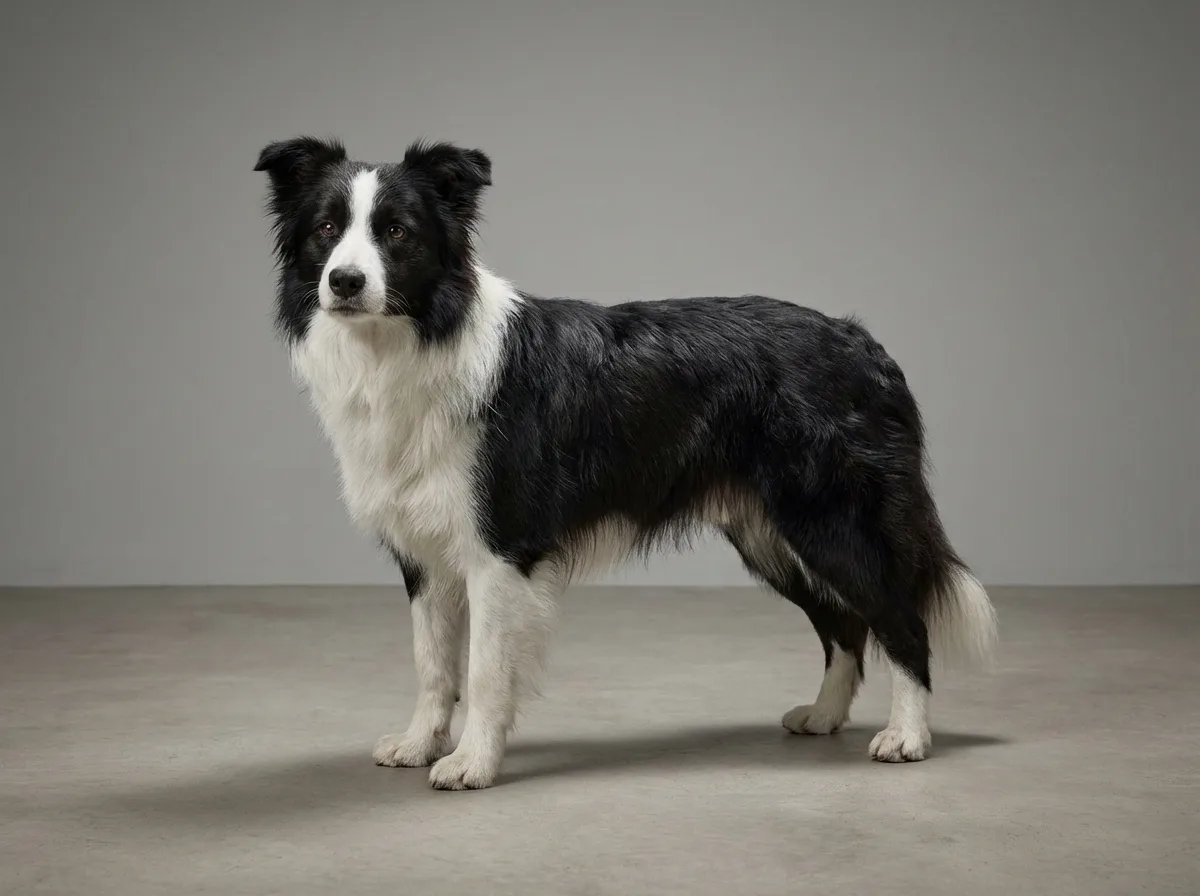
The easiest dog to train is often considered to be the Border Collie. These dogs are known for their intelligence and eagerness to please, making them quick learners. Other breeds like Poodles and German Shepherds also rank high for trainability. This answer relates to which dog is easiest to train.

Are there specific breeds that are more obedient?

Yes, breeds like Labrador Retrievers, Golden Retrievers, and Doberman Pinschers are known for their obedient nature. These dogs usually respond well to commands and enjoy working with their owners, making them great pets for beginners.

What are some smart dog breeds that are easy to train?

Smart dog breeds like the Poodle and German Shepherd are well-known for their trainability. They pick up commands quickly and often enjoy learning new tricks, making training sessions enjoyable for both the dog and the owner.

What makes a dog easy to train?

A dog that is easy to train typically has a high intelligence level, eagerness to please, and a calm temperament. Dogs that are motivated by rewards, like treats or praise, also tend to learn faster and retain commands better.

What is the best way to train a beginner dog?

The best way to train a beginner dog is to use positive reinforcement methods. Start with basic commands using treats and praise to encourage good behavior. Consistency and patience are key to helping your dog learn effectively.

What is the easiest dog for obedience?

The easiest dog for obedience often includes breeds like the Golden Retriever, Poodle, and German Shepherd. These breeds are known for their intelligence and willingness to please, making them great choices for first-time trainers. Their eagerness to learn can make training sessions enjoyable and effective.

Which dogs are considered smart and trainable?

Smart and trainable dogs typically include breeds such as Border Collies, Doberman Pinschers, and Labrador Retrievers. These breeds excel in learning commands quickly and often thrive when given tasks to perform. Their high intelligence means they need mental stimulation to stay happy.

What breeds are known as fast learners?

Fast learners often include breeds like the Australian Shepherd and Shetland Sheepdog. These dogs pick up new commands quickly and can adapt to various training techniques. Their quick learning ability can be a huge advantage for busy owners looking for efficient training.

Are there any beginner training dogs that are good for families?

Yes, several breeds are perfect for families and beginner training, such as the Bichon Frise and Cavalier King Charles Spaniel. These dogs are usually friendly, adaptable, and eager to learn, making them great companions for families with children. Their gentle nature helps them fit well into family dynamics.

What are some dogs that want to work and learn new tasks?

Breeds like the Belgian Malinois and Boxer are known for their desire to work and learn. These dogs thrive on having a job to do, whether it's obedience training, agility, or even service work. Engaging them with tasks keeps them mentally and physically satisfied.

How do I choose the right dog for training success?

Choosing the right dog for training success involves considering the breed's temperament, energy level, and intelligence. Research breeds that are known for being obedient and trainable, and think about your own lifestyle. A good fit means both you and your dog will enjoy the training process.

Can any dog be trained to be obedient?

Yes, most dogs can be trained to be obedient, but some breeds may require more patience and consistency than others. While every dog has the potential to learn, factors like age, background, and individual personality can influence the training process. Setting realistic expectations is key.

Quick answers

View more answers
Training

Which dog is easiest to train?

The Border Collie is often considered the easiest dog to train due to its intelligence and eagerness to please.

Training

What are smart breeds?

Smart breeds include the Border Collie, Poodle, and German Shepherd, known for their quick learning abilities.

Living

Are there easy pets to train?

Yes, breeds like Labrador Retrievers and Golden Retrievers are known for their obedient nature and ease of training.

Training

What is the easiest dog for obedience?

Breeds like the Border Collie and Poodle are often noted for their obedience and eagerness to learn.

Behavior

Which dogs want to work?

Smart breeds like German Shepherds and Labrador Retrievers thrive on tasks and training, making them great working companions.

Related DogBreedCompass guides

Important reminder

This guide is not medical advice. If your dog shows pain, sudden behavior change, or worsening symptoms, consult a licensed veterinarian.

Some links may be affiliate links. We may earn a commission at no extra cost to you. We only suggest products we believe are helpful for dog owners.

Want more tailored help?

Take the Lifestyle Match quiz to see which breeds and guides best fit your day-to-day life.

Take the quiz

More guides you might like

Find your match

Not sure which breed is right for you? Take our 2-minute quiz to find out.

Take the quiz