The Best Loyal Dog Breeds for Devoted Companionship
Looking for a furry friend who will stand by you through thick and thin? This guide covers the best loyal dog breeds that offer unwavering love and devotion.
Understanding the Best Loyal Dog Breeds
When searching for the best loyal dog breeds, you're not just looking for a pet; you're seeking a devoted companion who will stand by your side through thick and thin. Loyalty in dogs is more than just a trait; it's a profound bond that can enhance your life. Whether you want a playful buddy or a protective friend, certain breeds are renowned for their unwavering loyalty and affection. This guide will help you navigate the world of devoted dogs, ensuring you find a breed that fits your lifestyle and needs.
Loyalty in dogs can manifest in various ways, from how they follow you around the house to their protective instincts during walks. Understanding these traits is essential for potential dog owners. Some breeds, often referred to as 'velcro dogs', are known for their tendency to stay close to their humans, providing comfort and companionship. Others are recognized as protective loyal dogs, acting as guardians for their families. This guide will delve into the characteristics of these breeds and help you identify which one might be the best fit for you.
Why does loyalty matter? A loyal dog can provide emotional support, companionship, and security, enriching your daily life. They become part of your family, offering unconditional love and joy. Moreover, loyal dogs often have unique behavioral traits that can be beneficial in various situations, whether it's helping you feel safe in your home or providing comfort during stressful times. By exploring the best loyal dog breeds, you’ll be better equipped to make an informed decision that aligns with your lifestyle.
In this guide, we'll explore the most devoted dog breeds, highlighting their characteristics and the unique benefits they offer. We'll also discuss how to care for these breeds to strengthen the bond of loyalty and affection. Expect to find insights on training, socialization, and the commitment involved in raising a loyal companion. Understanding these aspects will help you cultivate a lasting relationship with your dog, ensuring that your journey together is fulfilling and joyful.
As we dive into the world of faithfulness and devotion in dogs, remember that the right breed can transform your life. By selecting a loyal dog, you're not just gaining a pet; you're welcoming a lifelong friend who will share in your adventures and provide unwavering support.
How to Choose the Best Loyal Dog Breeds for You
Finding the right loyal dog breed can be a fulfilling journey. Follow these practical steps this week to make an informed decision.

- 1. Assess Your Lifestyle
- 2. Research Breed Characteristics
- 3. Evaluate Living Space
- 4. Consider Your Activity Level
- 5. Visit Shelters and Breeders
- 6. Meet Potential Dogs
- 7. Ask Questions
- 8. Prepare for Ownership
Common Mistakes When Choosing the Best Loyal Dog Breeds
Choosing a dog breed for loyalty can be exciting, but many owners make mistakes that can lead to frustration. Here are some common pitfalls to avoid.

- Not researching breed characteristics thoroughly
- Assuming all loyal breeds are the same
- Ignoring exercise and socialization needs
- Neglecting training from an early age
- Failing to consider lifestyle compatibility
- Underestimating grooming and care requirements
Not researching breed characteristics thoroughly
Many new owners jump into choosing a dog without understanding the specific traits of different breeds. For instance, while Akitas are known for loyalty, they can also be independent and stubborn. This mismatch can create challenges in training and bonding.

Assuming all loyal breeds are the same
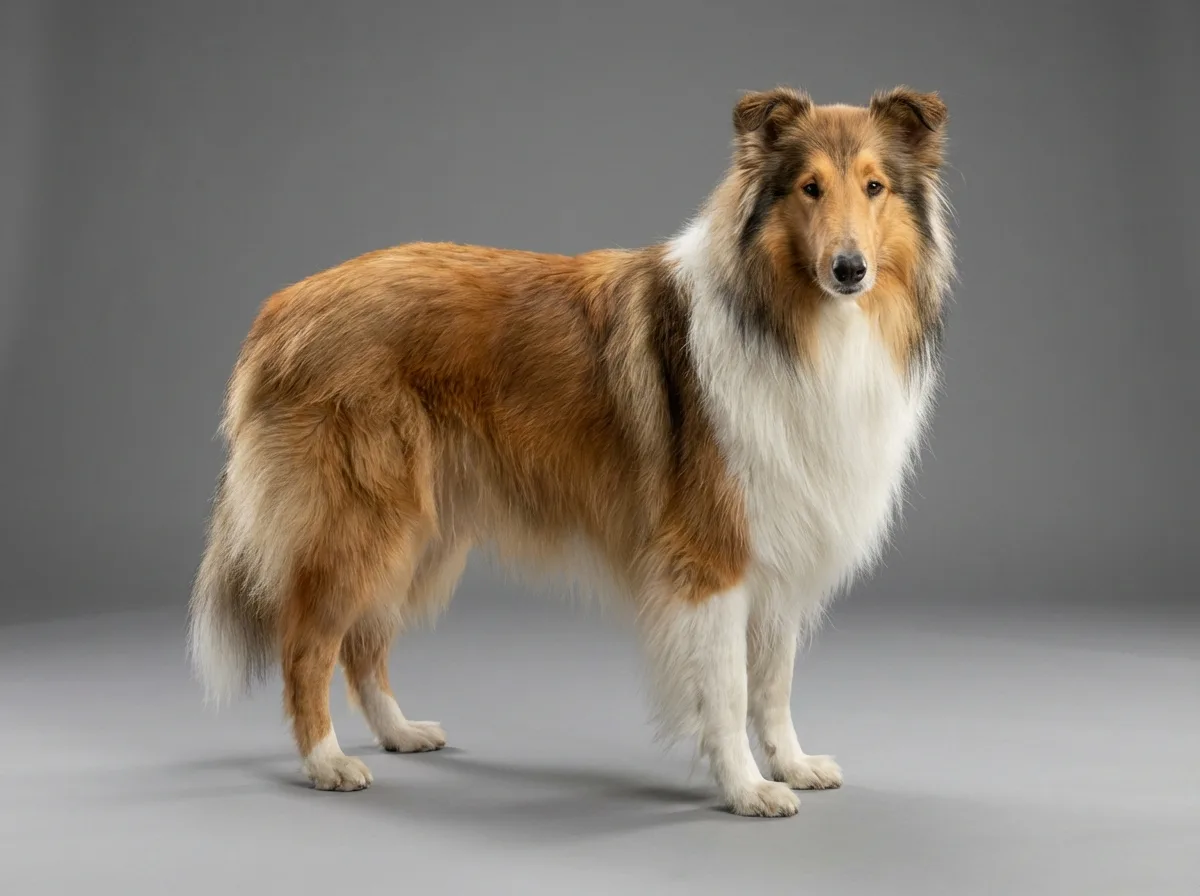
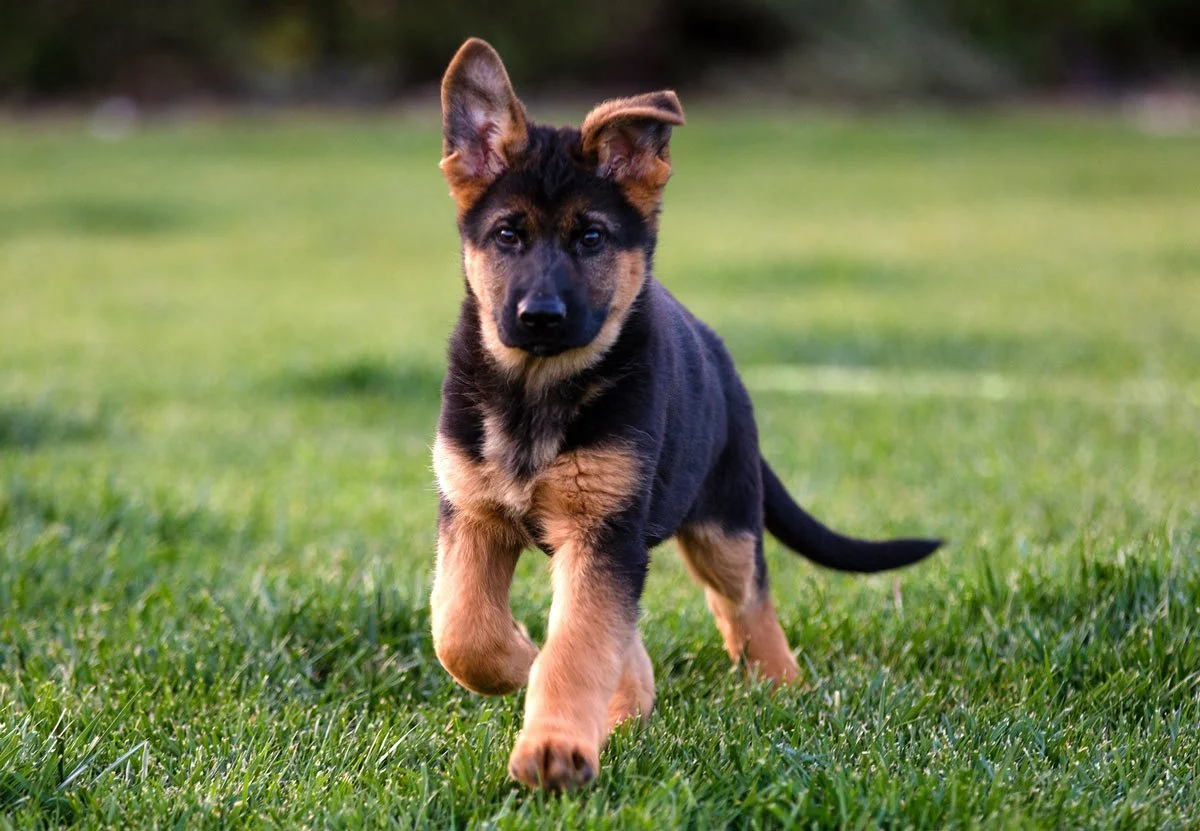
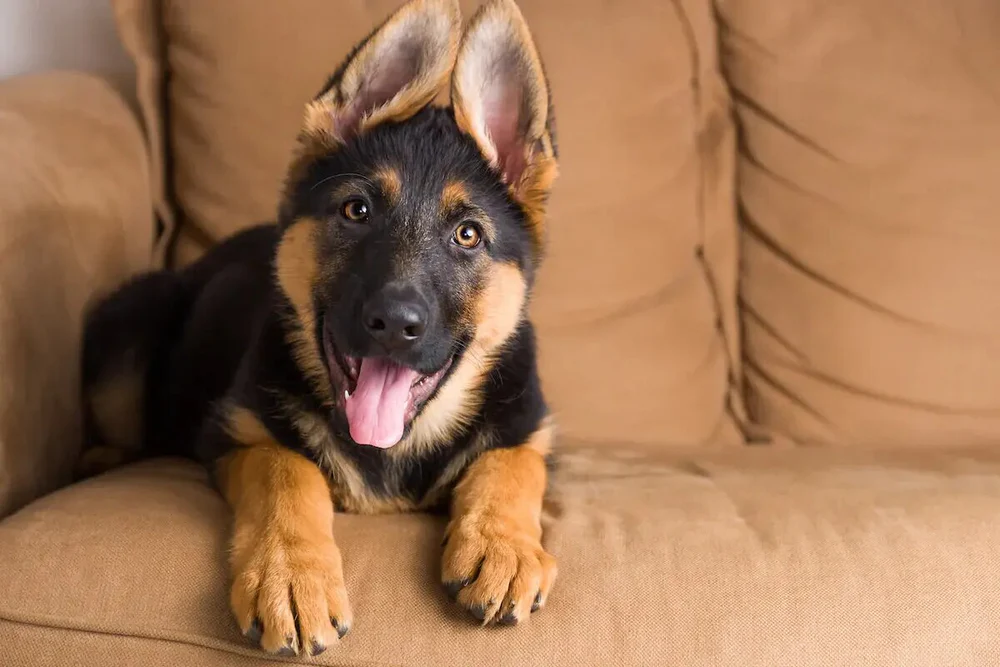
It's a mistake to think that all loyal dog breeds, like German Shepherds or Collies, will behave similarly. Each breed has unique personality traits that can affect their loyalty and behavior. Understanding these differences is key to finding the right match for your home.
Ignoring exercise and socialization needs
Loyal breeds often require regular exercise and socialization to thrive. Skipping this step can lead to behavioral issues such as anxiety or aggression. Make sure to provide enough physical and mental stimulation for your devoted dog.
Neglecting training from an early age
Training should start as soon as you bring your dog home. Loyal breeds may try to assert dominance if not properly trained. Consistent training helps establish a strong bond and a well-behaved companion.
Failing to consider lifestyle compatibility
Your lifestyle plays a huge role in choosing the right dog. Busy families may not have time for a high-energy breed that needs constant attention. Consider how much time you can dedicate to your loyal companion before making a choice.
Underestimating grooming and care requirements
Some loyal breeds require extensive grooming, which can be time-consuming and costly. For example, a Collie has a thick coat that needs regular brushing. Be prepared for the maintenance needs of your chosen breed.
Myths vs. Facts About Best Loyal Dog Breeds
There are many myths surrounding the best loyal dog breeds. Understanding the truth can help you choose the right companion for your lifestyle.
- Myth: All loyal dogs are aggressive.
- Myth: Only certain breeds can be loyal.
- Myth: Loyal dogs always follow you everywhere.
- Myth: Loyalty means a dog doesn't need training.
- Myth: Loyal dogs don’t get along with strangers.
Advanced Tips for Choosing the Best Loyal Dog Breeds
For those looking to deepen their understanding of the best loyal dog breeds, consider these advanced tips that go beyond the basics. You'll see how to ensure your relationship with your new furry friend thrives.
- Research Breed-Specific Traits: Each breed has unique characteristics. Understanding these can help match a dog's traits with your lifestyle.
- Evaluate Your Lifestyle: Think about your daily routine and how much time you can dedicate to a dog. Some loyal breeds need more attention and exercise than others.
- Consider Training Opportunities: Invest time in training classes specific to loyal breeds. This not only helps with obedience but strengthens your bond.
- Understand Socialization Needs: Loyal dogs can become overly protective if not properly socialized. Make sure to expose them to various people and environments.
- Look for Adoption Programs: Many loyal breeds are in shelters. Adopting gives a dog a second chance while ensuring you find a devoted companion.
Insider Secrets for Choosing the Best Loyal Dog Breeds
When searching for the best loyal dog breeds, consider these expert insights to ensure a perfect match for your lifestyle and needs.
- Look for breeds with a strong attachment style: Breeds like Akitas and German Shepherds often display secure attachment behaviors, making them great companions.
- Consider your activity level: Some loyal breeds, like Collies, require more exercise and mental stimulation, while others are content with a more relaxed lifestyle.
- Training matters: A well-trained dog is more likely to form a loyal bond. Invest time in obedience classes to strengthen your relationship.
- Socialization is key: Expose your dog to various environments and people early on. This helps them feel secure and enhances their loyalty.
- Watch for signs of loyalty: Dogs that follow you from room to room, seek your attention, and protect your space are showing their loyalty.
Checklist for Choosing the Best Loyal Dog Breeds
Use this checklist to help you find a loyal dog breed that fits your lifestyle and needs. Consider each point carefully to ensure you choose a devoted companion.
- Evaluate your lifestyle: Consider your activity level and how much time you can dedicate to a dog.
- Research breeds: Look into breeds known for loyalty, such as German Shepherds, Akitas, and Collies.
- Assess living space: Ensure your home can accommodate a dog comfortably.
- Consider family dynamics: Think about how a dog will fit in with your family, including children and other pets.
- Plan for training: Be prepared to invest time in training your dog for good behavior and loyalty.
- Check health needs: Research common health issues for the breeds you are considering.
- Budget for costs: Factor in food, vet visits, grooming, and other expenses.
- Think long-term: Consider the commitment involved in caring for a dog for its entire life.
Frequently asked questions
Which dog is most loyal to owner?
The most loyal dog breeds often include the German Shepherd, Akita, and Collie. These breeds are known for their strong bonds with their owners and protective instincts. Each of these dogs thrives on companionship and will go above and beyond to keep their family safe.
What are some devoted dogs?
Devoted dogs are those that form deep emotional connections with their owners. Breeds like the Labrador Retriever and Rottweiler are famous for their loyalty and affection. These dogs often follow their owners everywhere, earning them the nickname 'velcro dogs.'
What are the most devoted dog breeds?
Some of the most devoted dog breeds include the Golden Retriever, Boxer, and Doberman Pinscher. These breeds typically exhibit protective behaviors and a strong desire to please their owners. Their loyalty makes them excellent family companions.
Are there dogs that bond with one person?
Yes, certain breeds are known to bond closely with a single person. For example, the Basenji and the Afghan Hound often prefer one person over others. This deep bond can lead to a strong sense of loyalty and attachment.
What are protective loyal dogs?
Protective loyal dogs include breeds like the Bullmastiff and Belgian Malinois. These dogs tend to be both loving and alert, making them great guardians. Their natural instinct to protect their family contributes to their devoted nature.
What are some traits of the best loyal dog breeds?
The best loyal dog breeds typically exhibit traits like strong attachment to their owners, protective instincts, and a desire to please. These dogs often thrive on companionship and can become very devoted. Their loyalty makes them great family pets and reliable companions.
Are there loyal dog breeds that do well in apartments?
Yes, several loyal dog breeds can adapt well to apartment living. Breeds like the Cavalier King Charles Spaniel and French Bulldog are known for their loyalty and can thrive in smaller spaces. It's essential to ensure they get enough exercise and mental stimulation, even in a compact living environment.
Which loyal dog breeds are best for families with children?
Some of the best loyal dog breeds for families include the Labrador Retriever and Golden Retriever. These breeds are known for their friendly and protective nature, making them excellent companions for kids. They are typically patient and enjoy being active with their families.
Do loyal dogs need special training?
While all dogs benefit from training, loyal breeds may require training focused on reinforcing their bond with their owners. Consistent, positive reinforcement training helps these dogs feel secure and connected. Early socialization is also crucial to help them become well-rounded pets.
Can loyal dog breeds experience separation anxiety?
Yes, loyal dog breeds can be prone to separation anxiety due to their strong attachment to their owners. Breeds like the German Shepherd and Akita may struggle when left alone for long periods. It's important to gradually acclimate them to being alone and provide mental stimulation to ease their anxiety.
Are there loyal dog breeds that are good for first-time owners?
Several loyal dog breeds are suitable for first-time owners, such as the Beagle and Bichon Frise. These breeds are often easy to train and have friendly dispositions. However, it's essential for first-time owners to research the specific needs of each breed to ensure a good match.
What is the lifespan of the most loyal dog breeds?
The lifespan of loyal dog breeds can vary, but many live between 10 to 15 years. For example, Labrador Retrievers typically live around 10 to 12 years, while Cavalier King Charles Spaniels can live 12 to 15 years. Regular vet check-ups and a healthy lifestyle can help extend their lives.