Behavior
What are Collie (Rough Collie) allergic reactions quick tips?
Identify allergens through vet testing, maintain a clean environment, and consider a hypoallergenic diet to help reduce allergic reactions.

Quick answer
What are Collie (Rough Collie) allergic reactions quick tips?
Identify allergens through vet testing, maintain a clean environment, and consider a hypoallergenic diet to help reduce allergic reactions.
Collie (Rough Collie) allergic reactions can be concerning for dog owners. These reactions can stem from various allergens and impact your dog's well-being.
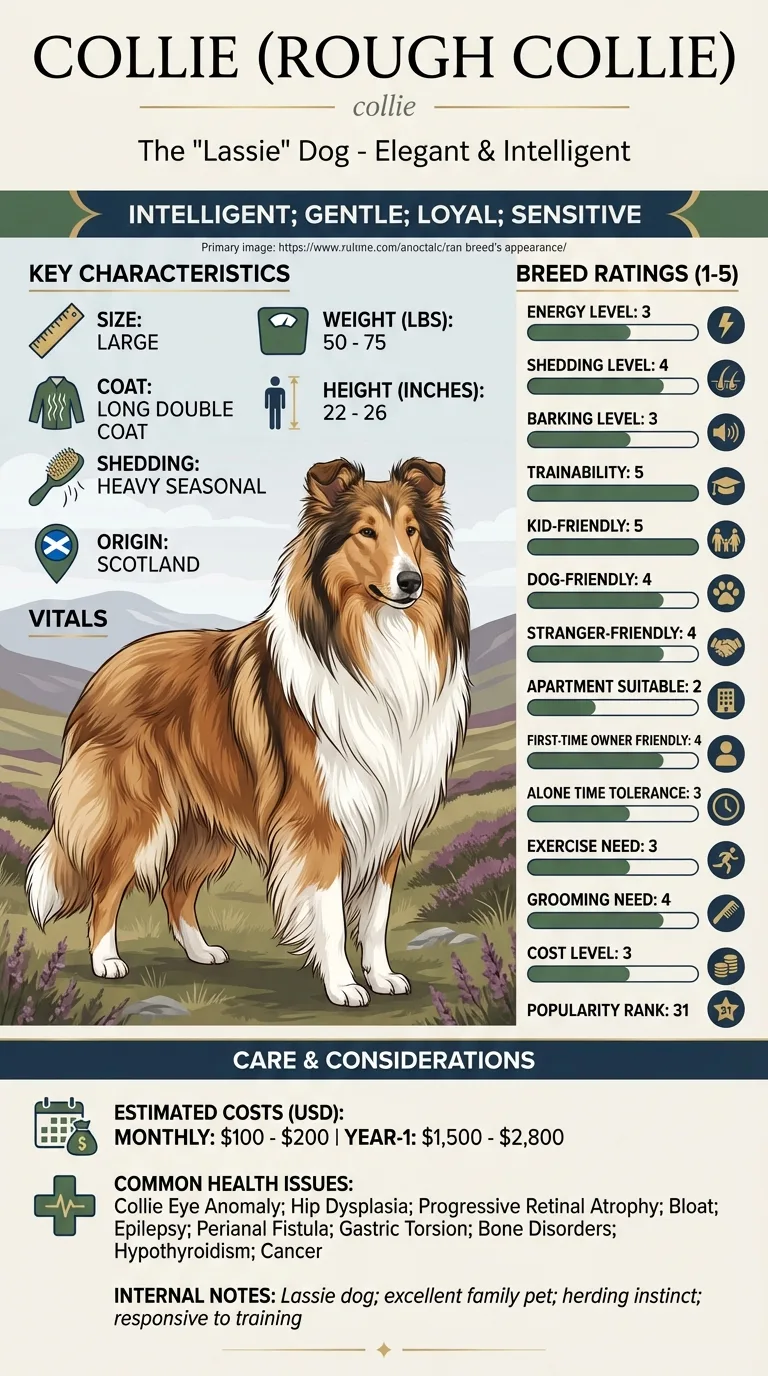
Owners of Collies, especially those new to the breed, often face challenges managing their pet’s allergic reactions. Busy families or first-time dog owners may feel overwhelmed, unsure of how to identify triggers and provide relief.
This guide is not medical advice. If your dog shows pain, sudden behavior change, or worsening symptoms, consult a licensed veterinarian.
Some links may be affiliate links. We may earn a commission at no extra cost to you. We only suggest products we believe are helpful for dog owners.
We research and check what we publish, but we do not warrant that any figure, date, price, or statement is accurate, complete, or current, and we accept no liability for any loss, cost, injury, or other harm arising from the use of this site. Use it as one reference among several. You remain responsible for your own decisions and for your dog's care - confirm anything that matters with a licensed veterinarian or another qualified professional before you act on it. Full disclaimer.
Check this first
Recognizing when your Collie (Rough Collie) allergic reactions become an emergency is crucial for their health. Some signs are serious and require immediate veterinary attention, while others can be monitored over time. Knowing the difference can save your dog’s life.
Red-Flag Signs to Call Your Vet Immediately: - Swelling of the face, lips, or tongue. - Difficulty breathing or excessive coughing. - Vomiting or diarrhea that is severe or persistent. - Signs of shock, such as weakness, confusion, or collapse.
If you notice any of these symptoms, don’t hesitate. Call your vet or an emergency animal clinic right away. Time is of the essence when it comes to allergic reactions.
Mild Cases to Watch and Monitor: - Occasional sneezing or itching. - Mild skin rashes or hives that don’t worsen. - Minor gastrointestinal upset that resolves within a day.
For these less severe symptoms, you can create a monitoring plan. Keep an eye on your Collie’s behavior and note any changes. If symptoms persist or worsen, seek veterinary advice sooner rather than later. Being proactive can help you manage your dog’s allergies more effectively.
In summary, always trust your instincts. If something feels off with your Collie (Rough Collie), it’s better to be safe than sorry. Monitoring mild allergic reactions can be effective, but don’t ignore serious symptoms. Prompt action can lead to better outcomes for your furry friend.
If any of these apply, call your vet or an emergency clinic now. The rest of this page is for the cases that are not an emergency.
Collie (Rough Collie) allergic reactions can manifest as skin irritations, sneezing, or digestive issues. These reactions often occur due to environmental allergens like pollen, dust mites, or certain foods. If your Collie seems itchy, has watery eyes, or experiences upset stomachs, it might be dealing with allergies.
Allergic reactions are relatively common in Collies, with studies showing they have a 276% higher risk compared to some other breeds. Many Collies experience allergies at some point in their lives, especially during seasonal changes.
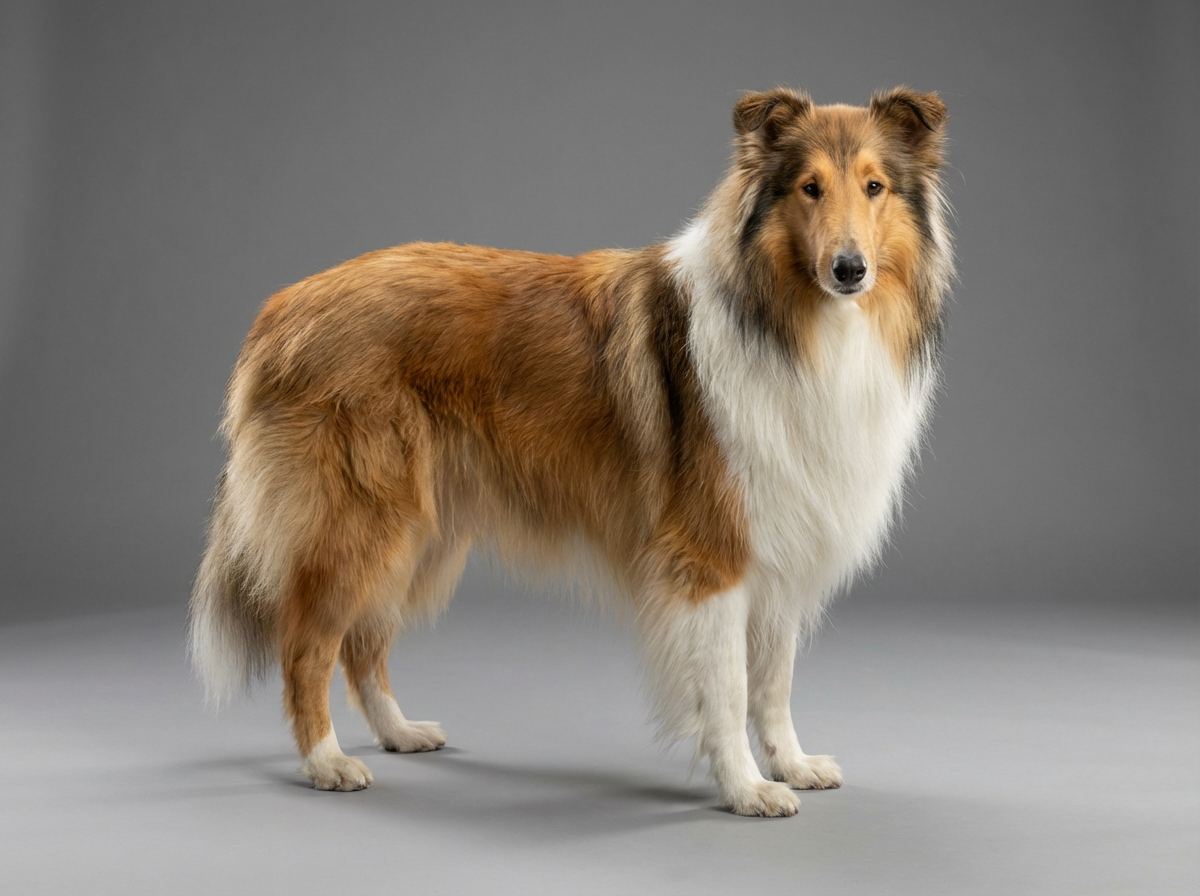
Collies (Rough Collies) can be prone to allergic reactions due to their sensitive skin and immune system. Their long double coat may trap allergens, exacerbating skin irritations. Additionally, breed-specific health issues such as Collie Eye Anomaly can make them more susceptible to environmental factors.
Allergic reactions in Collies can stem from various environmental factors, such as pollen, dust mites, or certain foods. Poor indoor air quality or exposure to harsh chemicals can also trigger allergies. Seasonal changes may bring about new allergens that affect your dog's health.
If your Collie shows persistent symptoms like itching, swelling, or gastrointestinal issues, it's time to consult a vet. They can perform allergy tests and recommend appropriate treatment options, such as medications or specialized diets.
Many owners unintentionally worsen their Collie (Rough Collie)'s allergic reactions. Here are some common mistakes to avoid:
Start here: Collie Most Common Genetic Disorders: What to Screen For
See all Collie health problems, which breeds are prone to allergic reactions, or the full Collie breed guide for temperament, exercise needs and ownership costs.
Expect to see improvement in your Collie's allergic reactions within 4 to 6 weeks of following a consistent care plan.
Success means reduced frequency and severity of allergic reactions, allowing your Collie to enjoy activities without discomfort.
Emma, a busy mom living in suburban Ohio, was heartbroken when her Rough Collie, Max, started showing signs of allergic reactions. After several vet visits and a lot of research, she discovered that certain foods and environmental allergens were triggering his symptoms. Emma worked closely with her vet to create a tailored diet and introduced air purifiers in their home. Over the next month, she noticed a significant decrease in Max's reactions, allowing him to run and play without constant itching.
Key takeaway: With the right support and a proactive approach, you can help your Collie manage allergic reactions effectively.
Collie (Rough Collie) allergic reactions can stem from various sources, including food, pollen, dust mites, or flea bites. Their sensitive skin may react to these allergens, leading to discomfort and itching. Identifying the specific trigger can help manage and reduce these reactions.
To stop Collie (Rough Collie) allergic reactions, start by consulting a vet for allergy testing. They may recommend a special diet, antihistamines, or topical treatments to alleviate symptoms. Regular grooming can also help reduce allergens in your dog's environment.
Common signs of allergic reactions in Collies include excessive scratching, biting at their skin, red or inflamed areas, and ear infections. You might also notice gastrointestinal issues like vomiting or diarrhea. Monitoring these symptoms closely can help you identify the problem early.
Yes, some Collies may be allergic to common ingredients like beef, chicken, wheat, or dairy. A vet can help you create an elimination diet to pinpoint specific food allergies. Transitioning to a hypoallergenic diet may also be beneficial.
Yes, managing Collie (Rough Collie) allergic reactions without medication is possible through environmental control. Regular cleaning, using air purifiers, and keeping your dog away from known allergens can significantly reduce reactions. However, medical treatment may still be necessary for severe cases.
If your Collie shows signs of a severe allergic reaction, such as difficulty breathing, swelling, or vomiting, seek emergency veterinary care immediately. These symptoms can escalate quickly and may require urgent treatment.
Food allergies in Collies can manifest as skin issues, gastrointestinal problems, or ear infections. Consult your vet to conduct an elimination diet, which can help identify specific food triggers.
Yes, Collies can suffer from seasonal allergies, just like humans. Watch for signs like excessive scratching or watery eyes during certain times of the year, and discuss treatment options with your veterinarian.
Common allergens for Collies include pollen, mold, dust mites, and certain food ingredients. Identifying and minimizing exposure to these allergens can help manage their symptoms.
Yes, older Collies can develop new allergies as they age. It's important to monitor for any changes in behavior or health and consult your vet if you notice any new symptoms.
Identify allergens through vet testing, maintain a clean environment, and consider a hypoallergenic diet to help reduce allergic reactions.
Regular brushing and bathing can help remove allergens from your Collie's coat and skin, reducing the chances of allergic reactions.
If your Collie shows persistent symptoms like itching, redness, or gastrointestinal issues, it's time to consult a vet for a proper diagnosis.
Yes, Collies are known to have sensitive skin and can develop allergic reactions to various environmental factors or foods.
A one-page prep sheet for this condition: the signs, the questions to ask, what to get priced. Unlocks here.
You get: Vet visit prep sheet
No spam. One-click unsubscribe. See our privacy policy.
Preview page 1 before you decide.