Best Gentle Dog Breeds: Find Your Calm Canine Companion
If you're looking for the best gentle dog breeds, you're in the right place! This guide will help you choose calm, soft-mouthed dogs that are perfect for sensitive owners and families.
Understanding the Best Gentle Dog Breeds
Choosing the right dog breed is crucial, especially if you're looking for the best gentle dog breeds. Gentle dogs are known for their calm demeanor and affectionate nature, making them ideal companions for families, especially those with children or sensitive owners. This guide will help you understand which breeds are considered gentle and why their temperament matters for a harmonious home.
Why Gentle Dog Breeds Matter
Gentle dog breeds can significantly enhance the quality of life for their owners. They tend to be more relaxed, which can be a comfort for families dealing with stress or anxiety. These dogs are often easier to train and socialize, making them a great choice for first-time dog owners. Additionally, their calm nature can foster a safe environment for children and those with special needs.

What to Look for in Gentle Breeds
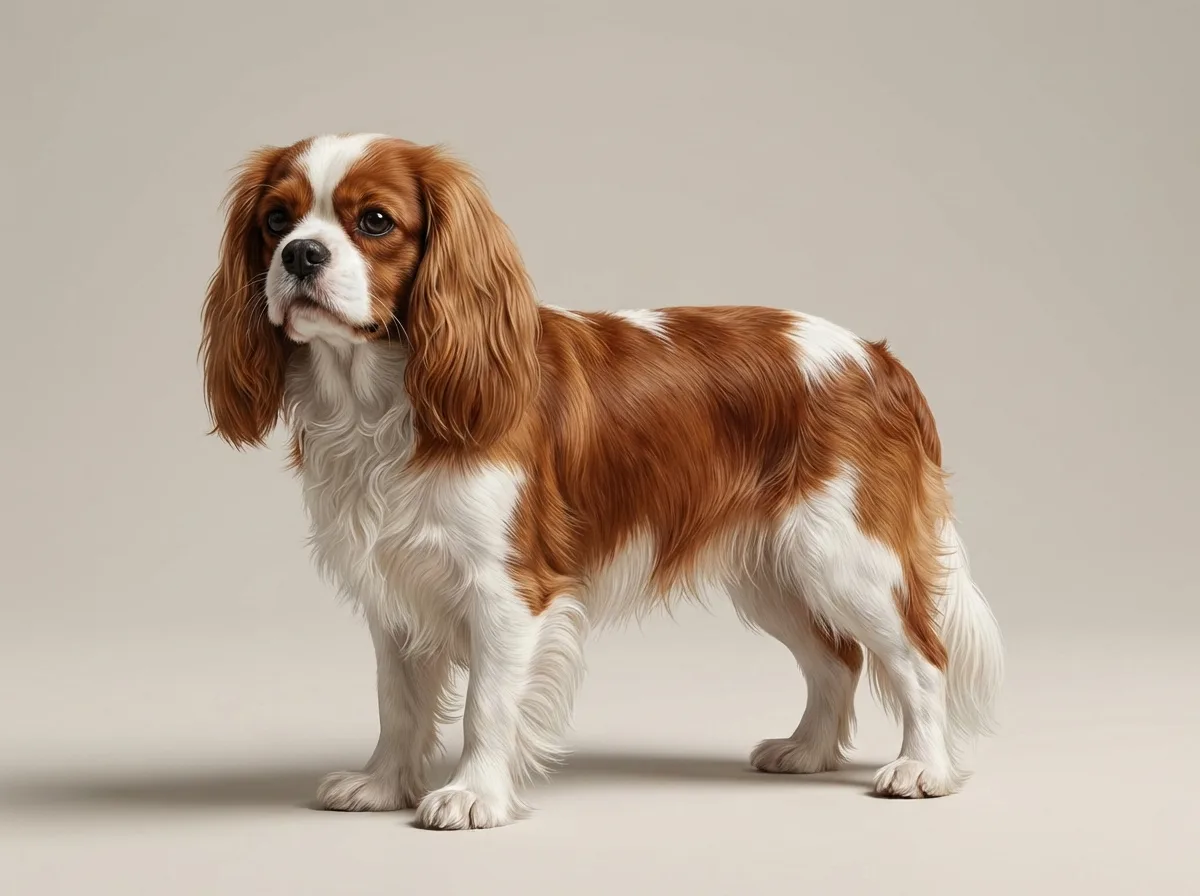
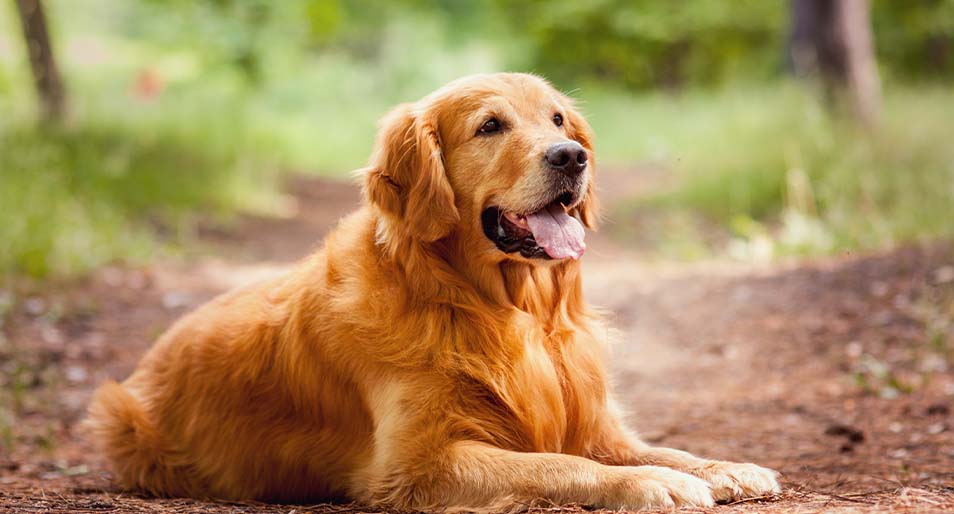
When searching for the best gentle dog breeds, consider traits like temperament, energy level, and size. Calm gentle dogs usually lack aggressive tendencies and can adapt well to various living situations. Soft-mouthed dogs, such as the Golden Retriever, are known for being gentle with their mouths, which is especially important when interacting with children. Breeds like the Newfoundland and Cavalier King Charles Spaniel are renowned for their peaceful demeanor, making them wonderful family pets.

Top Gentle Dog Breeds to Consider
Here are some of the best gentle dog breeds you might want to consider:

- Golden Retriever
- Newfoundland
- Cavalier King Charles Spaniel
- Bichon Frise
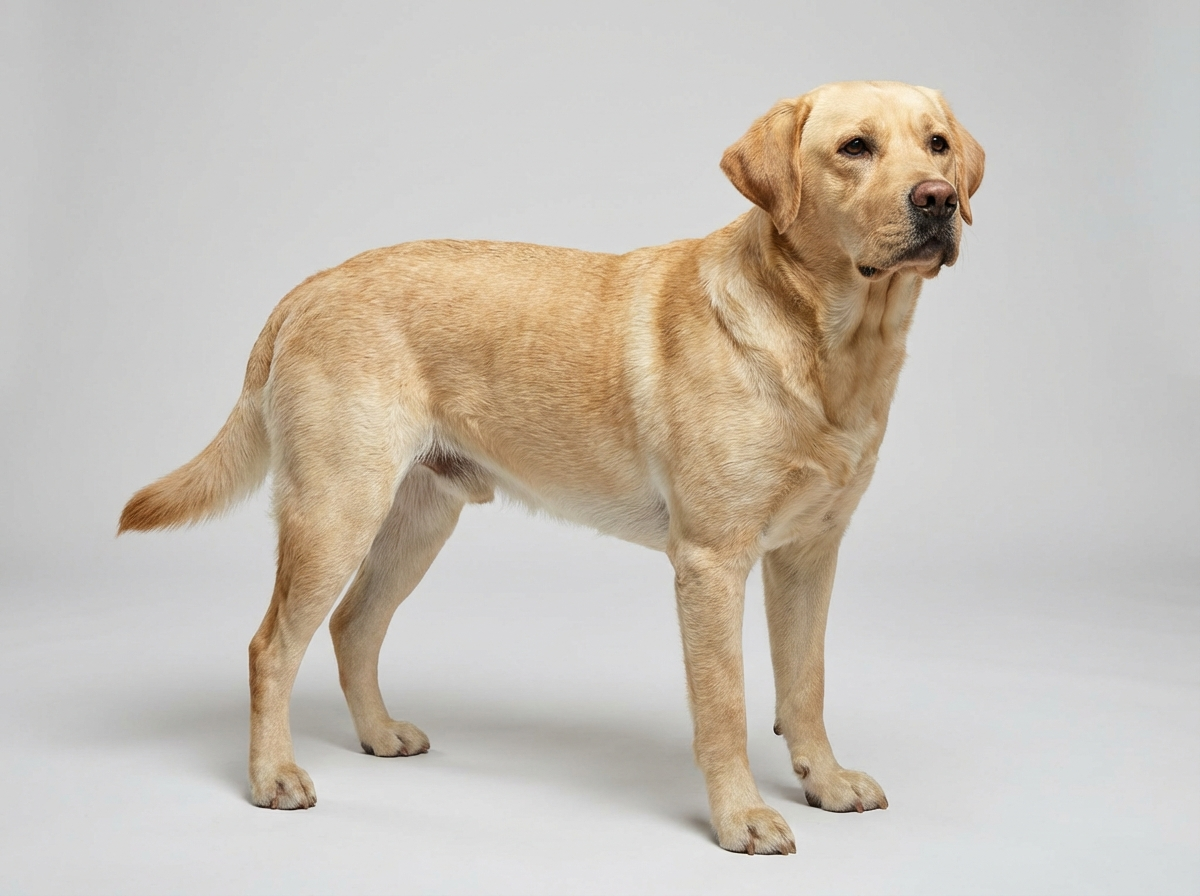
- Labrador Retriever
Final Thoughts on Choosing Gentle Breeds
In conclusion, selecting one of the best gentle dog breeds can make a significant difference in your home life. These dogs not only provide companionship but also bring a sense of peace and comfort. When choosing a breed, remember to consider your lifestyle and environment to ensure a perfect match.
Step-by-Step Plan for Finding the Best Gentle Dog Breeds
Finding the best gentle dog breeds for your home can be a rewarding journey. Here’s a step-by-step plan to help you make the right choice.
- 1. Research Gentle Breeds: Start by looking into breeds known for their calm and gentle temperament. Popular choices include the Newfoundland, Golden Retriever, and Cavalier King Charles Spaniel.
- 2. Evaluate Your Lifestyle: Consider your home environment and daily routine. Gentle dogs often thrive in calm settings and need ample time for exercise and companionship.
- 3. Visit Local Shelters: Check your local animal shelters or rescue groups for gentle dogs looking for homes. Meeting dogs in person can help you gauge their temperament.
- 4. Talk to Owners: Connect with current dog owners or breeders to learn about their experiences. Ask about the breed’s behavior, training needs, and suitability for sensitive owners.
- 5. Consider Training Needs: Gentle breeds may still require training to ensure they remain well-behaved. Look into obedience classes or online training resources that focus on positive reinforcement.
- 6. Assess Health Considerations: Research common health issues associated with the breeds you’re interested in. Speak with a vet to understand any potential costs or care requirements.
- 7. Prepare Your Home: Before bringing a dog home, ensure your space is safe and comfortable. Set up a designated area for your new pet with cozy bedding and toys.
- 8. Introduce Gradually: When you bring your new dog home, introduce them to family members slowly. Give them time to adjust to their new environment without overwhelming them.
- 9. Foster a Routine: Establish a consistent routine that includes feeding, walks, and playtime. Gentle dogs thrive on predictability and will feel more secure with a set schedule.
- 10. Monitor Behavior: Keep an eye on your dog’s behavior as they settle in. If you notice signs of anxiety or stress, consult a trainer or behaviorist to address any issues.
Common Mistakes When Choosing the Best Gentle Dog Breeds
Choosing the best gentle dog breeds can be tricky. Many owners make mistakes that lead to frustration and disappointment. Here are some common pitfalls to avoid.
- Ignoring Temperament Over Looks
- Assuming All Breeds Are the Same
- Neglecting Training Needs
- Overestimating Space Requirements
- Forgetting About Health Considerations
- Not Considering Activity Level
- Underestimating the Importance of Socialization
Myths vs. Facts About Gentle Dog Breeds
There are many misconceptions about gentle dog breeds. Let's debunk a few common myths and reveal the truths behind them.
- Myth: All gentle dogs are lazy.
- Fact: Gentle dogs can be energetic and playful.
- Myth: Gentle breeds are not good watchdogs.
- Fact: Many gentle dogs are alert and protective.
- Myth: Gentle dogs don’t need training.
- Fact: All dogs require training for good behavior.
- Myth: Gentle breeds are only small dogs.
- Fact: Large breeds can also be gentle and calm.
Advanced Tips for Choosing the Best Gentle Dog Breeds
If you're looking to go beyond the basics in selecting the best gentle dog breeds, consider these advanced tips. They will help you find a calm companion that fits your lifestyle and needs.
- Consider temperament testing: Before bringing a dog home, request a temperament test. This can reveal their natural behavior and compatibility with your family, especially for sensitive owners.
- Look into mixed breeds: Sometimes, mixed breeds can offer the gentleness of their parent breeds while being unique. Research combinations known for calmness, like a Golden Retriever and Cavalier King Charles Spaniel mix.
- Evaluate your environment: Think about your living situation. Some gentle breeds adapt better to apartments or homes with children than others. A peaceful breed like a Newfoundland may thrive in a spacious home, while a Cavalier might be perfect for a smaller space.
- Seek out socialization opportunities: Ensure your gentle dog gets plenty of socialization. Expose them to different people, environments, and other pets. This helps them develop into well-rounded adults.
- Research breed-specific health issues: Understanding the common health concerns associated with gentle breeds can help you prepare for your dog's future. For example, knowing that certain breeds may have joint issues can guide you in providing proper care.
Insider Secrets for Choosing the Best Gentle Dog Breeds
When you're looking for the best gentle dog breeds, there are some insider tips that can help you make a more informed decision. These insights can enhance your understanding of what to expect from your new furry friend.
- Personality over breed: While certain breeds like Golden Retrievers and Cavaliers are known for their gentle nature, individual personality matters more than breed alone. Spend time with the dog to see if their temperament aligns with your expectations.
- Socialization is key: Early and consistent socialization can make a significant difference in a dog's gentleness. Expose your dog to various people, environments, and other animals to foster a calm demeanor.
- Consider energy levels: Even gentle breeds can have varying energy levels. Breeds like Newfoundlands are typically calm, but they still need daily exercise to prevent anxiety and restlessness.
- Look for soft-mouthed breeds: Breeds known for their soft mouths, such as Labradors and some Terriers, tend to be gentler with their bites and interactions, making them great for families and sensitive owners.
- Find a match for your lifestyle: Gentle dogs often thrive in stable environments. Consider your daily routine, home size, and family dynamics to find a breed that fits well into your life.
Checklist for Choosing the Best Gentle Dog Breeds
Use this checklist to find the perfect gentle dog breed for your home. These steps will help you ensure that you choose a calm, gentle companion that fits your lifestyle.
- Research gentle breeds like Golden Retrievers, Newfoundlands, and Cavalier King Charles Spaniels.
- Consider your living situation: Do you have enough space for a larger dog?
- Evaluate your family's activity level: Are you looking for a calm dog or a more playful one?
- Look for breeders or shelters that prioritize temperament in their dogs.
- Ask about the dog's history and socialization experiences.
- Ensure that the dog has a soft mouth and gentle behavior towards children and other pets.
- Plan for training: Gentle breeds still need basic obedience training.
- Think about grooming needs: Some gentle breeds require regular grooming.
- Discuss with your family members to agree on responsibilities and expectations.
- Visit the dog several times before bringing them home to check compatibility.
Frequently asked questions
What is the most gentle dog?
Some of the most gentle dog breeds include the Golden Retriever, Cavalier King Charles Spaniel, and Newfoundland. These breeds are known for their calm and friendly nature, making them great companions for families and sensitive owners. Their soft-hearted demeanor often makes them excellent therapy dogs as well.
Are big dogs gentle?
Yes, many large dog breeds can be very gentle. Breeds like the Newfoundland and Great Dane are known for their kind and easygoing nature. However, it's important to socialize and train any dog, regardless of size, to ensure they exhibit gentle behavior.
Best gentle dogs for kids?
Gentle dog breeds that are great with kids include the Golden Retriever, Labrador Retriever, and Beagle. These breeds are typically patient and playful, making them ideal companions for children. Always supervise interactions between dogs and young kids to promote safe and positive experiences.
What characteristics define gentle dog breeds?
Gentle dog breeds are usually calm, friendly, and easy to train. They tend to have a soft mouth, meaning they are careful when playing or interacting with humans and other pets. These traits make them well-suited for families and individuals looking for a peaceful companion.
Are soft-mouthed dogs more gentle?
Yes, soft-mouthed dogs are typically more gentle in their interactions. Breeds like the Golden Retriever and Labrador Retriever have a natural instinct to carry items gently in their mouths. This characteristic often translates to a gentler demeanor overall, making them great for sensitive owners.
What characteristics define the best gentle dog breeds?
The best gentle dog breeds are usually calm, friendly, and patient. They often have a lower energy level and are less likely to exhibit aggressive behaviors. These traits make them great companions for families and sensitive owners.
Are gentle breeds suitable for first-time dog owners?
Yes, gentle breeds are often a good fit for first-time dog owners. Their calm demeanor makes training easier, and they typically require less rigorous exercise than higher-energy breeds. This can help new owners feel more confident in managing their pet.
Can gentle breeds adapt to apartment living?
Many gentle breeds can adapt well to apartment living, especially if they receive regular walks and mental stimulation. Breeds like the Cavalier King Charles Spaniel thrive in smaller spaces due to their moderate energy levels. However, it's essential to ensure they have space to play and explore.
How do I choose the right gentle dog breed for my family?
Consider your family's lifestyle, activity level, and any allergies when choosing a gentle breed. Research breeds that align with your needs, like the Newfoundland for families with kids or the Golden Retriever for active households. Meeting the dog before adoption can also help you see if their temperament fits your family.
Are gentle dog breeds good with children?
Yes, many gentle dog breeds are excellent with children due to their patient and tolerant nature. Breeds like Golden Retrievers and Newfoundlands are known for their affectionate behavior towards kids. Always supervise interactions to ensure safety for both the dog and the children.
What are some common misconceptions about gentle dog breeds?
One common misconception is that gentle breeds are weak or incapable of being protective. While they are known for their calm demeanor, many gentle breeds can still be loyal and protective of their families when needed. Additionally, some people think gentle breeds require less care, but they still need proper training and socialization.
What health issues should I be aware of with gentle breeds?
Like all dogs, gentle breeds can be prone to certain health issues. For example, Golden Retrievers often face hip dysplasia, while Newfoundlands can have heart issues. Regular vet check-ups and a healthy diet can help manage these concerns, so it's essential to stay informed about the specific needs of the breed you choose.