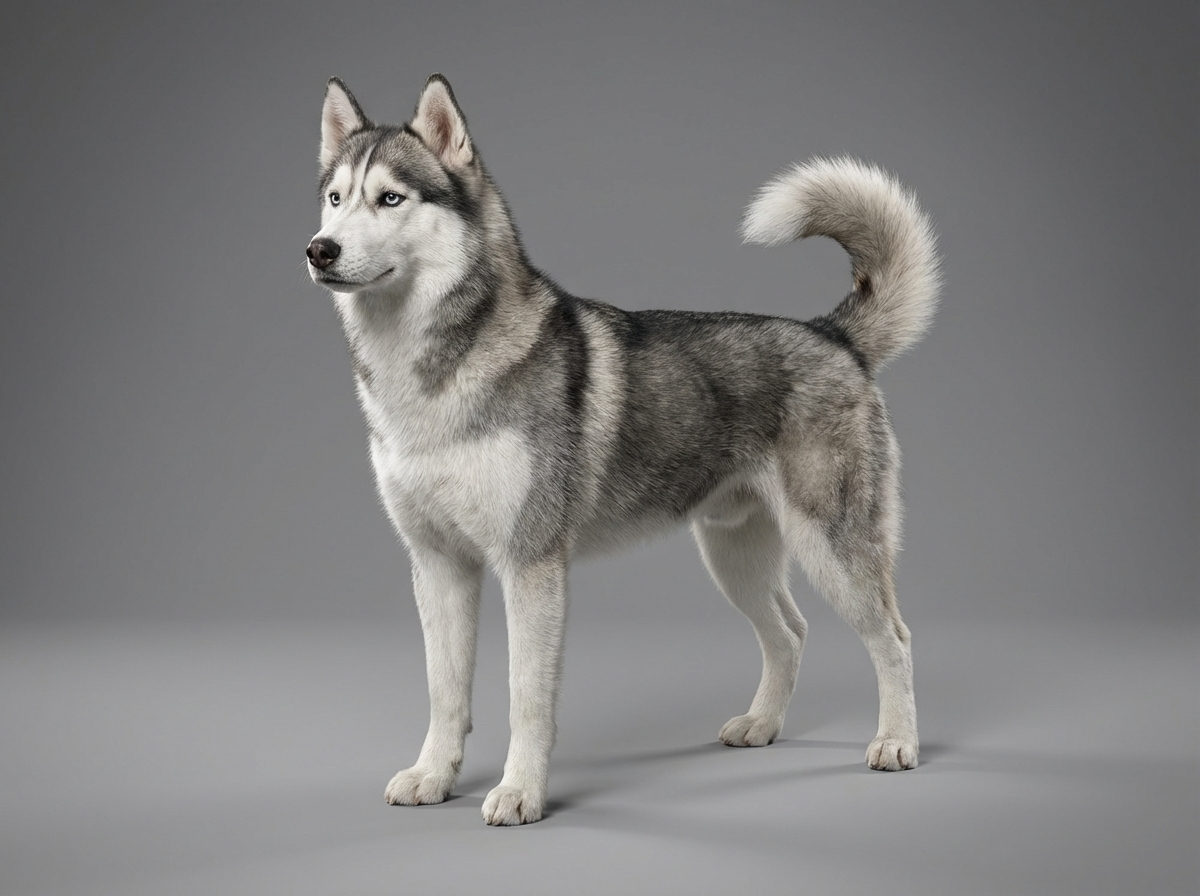
Best Dog Food for Senior Dogs by Age
There is no single 'senior' age — a 7-year-old Great Dane and a 7-year-old Chihuahua are at very different life stages, and food should follow the dog's actual size and health, not a birthday.
Owners of dogs roughly 7 years and older, especially medium, large and giant breeds where the senior transition happens earlier, and owners of any dog who has started showing age-related slowing, weight change or joint stiffness.
Feeding an older dog the same way as a younger adult, without adjusting for lower activity, joint changes and shifting calorie needs, is one of the more common gaps in long-term care — not because owners do not care, but because the change is gradual and easy to miss.

Why Calorie Needs Usually Drop

The Low-Protein Myth

Joint Support and Easier Digestion

- Glucosamine and chondroitin are common inclusions aimed at joint support — a reasonable preventive measure, though food-level doses are generally lower than a dedicated supplement and are not a substitute for vet-directed pain management if arthritis is already diagnosed.
- Omega-3 fatty acids support joint comfort and skin/coat quality, both common concerns as dogs age.
- Slightly more digestible fiber and protein sources can help with the gradual digestive slowing some senior dogs experience.
- Smaller or softer kibble can help a senior dog with dental wear or missing teeth chew more comfortably.
- None of these ingredient categories replace an actual diagnosis — persistent digestive upset, new stiffness or reluctance to move are reasons to see a vet, not just switch to a food with these ingredients listed.
When a Food Change Is Not Enough

Supplements Worth a Conversation With Your Vet

- Glucosamine and chondroitin — commonly used for joint support; food-level inclusion is a lighter approach than a dedicated joint supplement, which your vet can advise on if arthritis is already diagnosed.
- Omega-3 fatty acids (fish oil) — support joint comfort, skin and coat, and are broadly considered safe as a food-level addition for most senior dogs.
- Probiotics — some senior dogs benefit from digestive support as gut function shifts with age, though the evidence varies by product and strain.
- Antioxidant blends (vitamin E, vitamin C, certain plant-based antioxidants) — included in many senior formulas to support general cellular health; the practical benefit is modest but the inclusion is broadly considered low-risk.
- Anything marketed for cognitive support — genuine age-related cognitive decline in dogs is real and worth discussing with a vet directly if you notice signs like disorientation or changed sleep patterns, rather than relying on a supplement alone.
Wet Food, Dry Food and Texture as Dogs Age

Frequently asked questions
What is the best dog food for senior dogs?
A formula with moderate-to-adequate protein (not low-protein by default), lower calorie density matched to reduced activity, and often added joint-support ingredients like glucosamine and omega-3s — chosen based on your dog's actual body condition, not age alone.
What is the best dog food for a 7 year old dog?
It depends on size — a 7-year-old giant or large breed is more clearly senior than a 7-year-old small breed. Watch for actual signs like reduced activity or weight change rather than switching purely because of the age number.
What should I feed an 8 year old Lab?
A senior or adult formula with adequate protein and a calorie level matched to her current activity, since Labs are large breeds that typically slow down earlier than small breeds. Avoid choosing a food purely for low protein unless kidney disease has been diagnosed.
Do senior dogs need low protein food?
No, not by default. Low protein is a specific treatment for diagnosed kidney disease, not a general senior recommendation. Healthy senior dogs benefit from adequate protein to help maintain muscle mass.
How many calories does a senior dog need?
Usually fewer than they needed as a younger adult, because metabolism and activity typically decline with age. The right amount depends on your dog's current body condition and activity level, reassessed periodically rather than fixed at one number.
When should I switch my dog to senior food?
When you see actual signs — reduced activity, gradual weight gain, joint stiffness — rather than at a specific age. Size matters: giant and large breeds typically need this earlier (around 5 to 7) than small breeds (often 9 or later).
What are warning signs that need a vet, not just a food change?
Sudden weight loss, increased thirst or urination, ongoing vomiting or diarrhea, new lumps, or a sudden appetite change. These can signal a specific condition like kidney disease, diabetes or heart disease that needs diagnosis and possibly a therapeutic diet.
Should I feed a senior dog wet or dry food?
Either can work — dry kibble is usually more cost-effective, while wet food's softer texture and stronger aroma can help a dog with dental wear or a reduced appetite. Mixing a portion of wet food into kibble is a common, reasonable middle ground.
Are joint supplements worth it for senior dogs?
Glucosamine, chondroitin and omega-3s are commonly used for joint support and are broadly considered low-risk, but food-level amounts are lighter than a dedicated supplement. Confirm the right approach with your vet, especially if arthritis is already diagnosed.
Does a senior dog's water intake matter?
Yes — a noticeable increase or decrease from a dog's normal drinking pattern is worth mentioning at the next vet visit, since some age-related conditions can shift hydration needs.

Quick answers
View more answersBest dog food for senior dogs
Adequate protein with calories matched to reduced activity, plus joint-support ingredients — chosen by body condition, not age alone.
Best dog food for 7 year old dog
Depends on size — large/giant breeds are more clearly senior at 7 than small breeds. Watch for actual signs of slowing rather than the age itself.
Best dog food for 8 year old lab
A senior or adult formula with adequate protein and calories matched to her current, likely lower, activity level.
Best dog food for older dogs
Match calories to current activity and body condition, keep protein adequate unless kidney disease is diagnosed, and consider joint-support ingredients.
Related DogBreedCompass guides
- Labrador Retriever breed guide – The breed page covers full Labrador Retriever temperament and lifespan.
- Labrador Retriever cost of ownership by city – Vet costs often rise for senior dogs managing joint or chronic conditions.
- arthritis and joint disease in senior dogs – Arthritis and joint disease are the most common senior condition this guide's joint-support advice addresses.
- kidney disease in senior dogs – Kidney disease is the specific diagnosis that actually calls for a low-protein diet.
- best dog bed for older dogs, plus crates and ramps – Bedding and mobility equipment pair directly with senior joint care.
- best dogs for retirees and seniors – Readers researching senior dog needs often also look for retiree-friendly breed lists.
Important reminder
This guide is not medical advice. If your dog shows pain, sudden behavior change, or worsening symptoms, consult a licensed veterinarian.
Some links may be affiliate links. We may earn a commission at no extra cost to you. We only suggest products we believe are helpful for dog owners.
Want more tailored help?
Take the Lifestyle Match quiz to see which breeds and guides best fit your day-to-day life.
Take the quizMore guides you might like

Best Dogs for Active and Athletic Families: Breeds Ranked

Best Dogs for Health-conscious and Wellness-focused Owners

Siberian Husky vs Weimaraner: Size, Shedding, Cost & Temperament

Vizsla vs Welsh Springer Spaniel: Size, Cost & Temperament

Yorkshire Terrier Cost in San Francisco: Cost Breakdown

Weimaraner vs Welsh Springer Spaniel: Size, Cost & Temperament
Find your match
Not sure which breed is right for you? Take our 2-minute quiz to find out.
Take the quiz