Best Dog Breeds for Families: Top Picks for Your Household
Choosing the right dog breed for your family is essential. This guide highlights the best dog breeds for families, focusing on those that are good with kids and gentle.
Understanding the Best Dog Breeds for Families
Choosing the best dog breeds for families is not just about picking a cute puppy; it’s about finding a loyal companion who fits well within your home dynamics. Family dogs come with a unique set of characteristics that make them great with kids and adaptable to various lifestyles. Understanding these qualities is crucial because the right dog can enhance your family’s happiness, while the wrong choice may lead to stress and compatibility issues.
Why the Right Family Dog Matters
Dogs are often referred to as man's best friend for good reason. A well-chosen family dog can provide love, companionship, and even teach children responsibility. Additionally, gentle breeds that are good with kids can help foster a nurturing environment, allowing your children to grow up with a furry friend who teaches empathy and kindness.

What to Consider When Choosing a Family Dog
When selecting a dog, consider factors like size, temperament, and energy level. Popular family pets, such as Golden Retrievers or Labrador Retrievers, are known for their friendly nature and adaptability. On the other hand, breeds like Beagles offer a playful spirit and can be a perfect fit for active families. Always evaluate your family’s lifestyle and the amount of time you can dedicate to training and socialization.

Conclusion: Finding Your Perfect Match
Ultimately, the best dog breeds for families are those that align with your specific needs. Take the time to research and meet different breeds to see which one resonates with your family. The right dog can become a beloved member of your household, bringing joy, laughter, and unconditional love to your daily life.

Step-by-Step Plan to Choose the Best Dog Breeds for Families
Finding the right dog breed for your family can be a rewarding experience. Here’s a practical guide to help you choose the best dog breeds for families in just a week. Each step provides clear actions you can take to ensure your new furry friend fits seamlessly into your home.
- 1. Assess Your Family's Lifestyle: Consider your family's daily routine, activity levels, and preferences. Think about how much time you can dedicate to walks, playtime, and training.
- 2. Research Family-Friendly Breeds: Look into breeds known for being good with kids. Popular family pets like Golden Retrievers, Labradors, and Beagles are often great choices due to their gentle nature.
- 3. Visit Local Shelters: Spend some time at animal shelters to meet different breeds. Many dogs in shelters need loving homes, and you might find an unexpected match.
- 4. Talk to Dog Owners: Connect with friends or family who have dogs. Ask them about their experiences with different breeds and what they love about their pets.
- 5. Evaluate Allergies and Space: If anyone in your family has allergies, research hypoallergenic breeds. Also, consider your living situation—do you have a large yard or live in an apartment?
- 6. Set a Budget: Determine how much you can afford for dog ownership, including food, veterinary care, and grooming. Remember that some breeds can be more expensive to maintain than others.
- 7. Make a Decision: After gathering all your information, narrow down your choices. Discuss with your family which breed feels like the best fit for your lifestyle.
- 8. Prepare Your Home: Before bringing your new dog home, ensure your space is ready. Buy essentials like a dog bed, food and water bowls, toys, and grooming supplies.
- 9. Plan for Training: Look into local training classes or resources. Training is crucial for a happy, well-adjusted family dog.
- 10. Adopt with Love: Once you've made your choice, visit the shelter or breeder and adopt your new family member. Make sure to give them plenty of love and patience as they adjust to their new home.
Common Mistakes When Choosing the Best Dog Breeds for Families
Selecting the right dog breed for your family is a big decision. Many families make mistakes that lead to challenges. Here are some common errors and why they can backfire.
- Ignoring Activity Levels
- Overlooking Size Considerations
- Neglecting Training Needs
- Choosing Based on Looks
- Not Considering Allergies
- Forgetting About Long-Term Commitment
Myths vs. Facts About the Best Dog Breeds for Families
Many people have misconceptions about the best dog breeds for families. Let's debunk some common myths and reveal the truths behind them. Understanding these can help you make a more informed choice when selecting a family dog.
- Myth: All large dogs are dangerous and not good for kids.
- Fact: Many large breeds, like the Labrador Retriever, are gentle and affectionate with children.
- Myth: Dogs that are good with kids need to be hyperactive.
- Fact: Calm breeds, such as the Cavalier King Charles Spaniel, can be excellent family pets without being overly energetic.
- Myth: A dog must be a puppy to bond well with children.
- Fact: Many adult dogs, including mixed breeds, can form strong attachments with kids and adapt well to family life.
- Myth: Only specific breeds can be family-friendly.
- Fact: A variety of breeds, including mutts, can be loving family companions when raised in a nurturing environment.
- Myth: All dogs shed excessively, making them unsuitable for families.
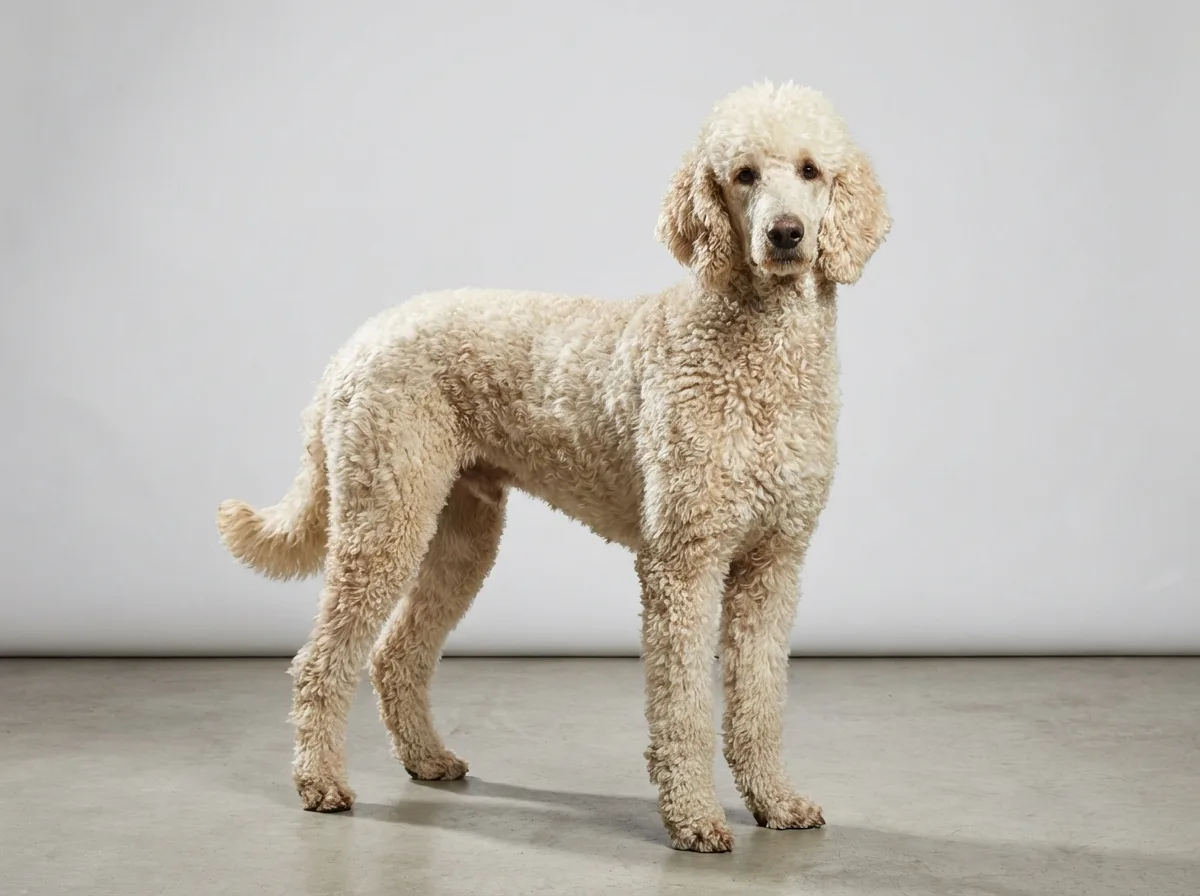
- Fact: Some breeds, like the Poodle and Bichon Frise, are hypoallergenic and better for families with allergies.
Advanced Tips for Choosing the Best Dog Breeds for Families
Choosing the best dog breeds for families goes beyond just picking a cute face. Here are some advanced tips to help you make a more informed decision. First, consider the dog's energy level. High-energy dogs may require more exercise and stimulation, which can be a challenge for busy families. Look for breeds that can adapt to your family's lifestyle.
Second, assess the breed's temperament. While some breeds are known to be good with kids, individual personalities vary. Spend time with potential breeds to see how they interact with your children. Third, think about size. Larger dogs may unintentionally hurt small children during play, while smaller breeds might not handle roughhousing well.
Additionally, research the breed's health history. Some breeds are prone to specific health issues that can lead to higher costs down the line. Finally, consider training needs. Some breeds require more training than others, and investing time in training can lead to a better family dog in the long run.
Insider Secrets for Choosing the Best Dog Breeds for Families
Understanding dog breeds deeply can make a significant difference when selecting a family pet. Here are some expert insights that can help you make a better decision.
- Consider energy levels: Not all gentle breeds are low-energy. Some, like the Labrador Retriever, need regular exercise to stay calm and happy.
- Temperament varies: Even within popular family pets, individual dogs can have unique personalities. Always meet the dog before deciding.
- Training is key: Early socialization and consistent training can greatly improve behavior, especially for breeds that are good with kids.
- Size matters: Bigger isn't always better. Medium-sized family dogs often adapt better to different living situations and are easier to manage.
- Age of the dog: Puppies are cute but can be a handful with young kids. Consider adopting an older dog that’s already trained.
Checklist for Choosing the Best Dog Breeds for Families
Use this checklist to find the perfect family dog that fits your lifestyle and needs. Consider each factor carefully to ensure you choose a breed that will thrive in your home.
- Assess your family's activity level and lifestyle.
- Consider the dog's size and energy level.
- Research breeds known for being good with kids, like Golden Retrievers or Labrador Retrievers.
- Evaluate how much time you can dedicate to training and socialization.
- Think about grooming needs—will you manage it, or prefer low-maintenance breeds?
- Check for any allergies in your family to specific dog breeds.
- Look for breeds that are gentle and patient, perfect for young children.
- Consider adopting from a shelter or rescue organization.
- Plan for the financial responsibility of dog ownership, including food, vet bills, and training costs.
Frequently asked questions
What is the #1 family dog?
Many experts consider the Labrador Retriever the #1 family dog. They are friendly, gentle, and great with kids. Their playful nature makes them a popular choice for families.
Best medium sized family dog?
The Beagle is often recommended as a great medium-sized family dog. They are friendly, curious, and usually get along well with children. Their manageable size and energetic personality make them ideal for family life.
What are some easy family dogs?
Some easy family dogs include the Golden Retriever, Labrador Retriever, and Beagle. These breeds are known for their friendly demeanor and adaptability. They generally require moderate exercise and training, making them suitable for families.
Which dog breeds are good with kids?
Several dog breeds are known for being good with kids, including Golden Retrievers, Labradors, and Beagles. These breeds are typically patient and playful, which helps them bond well with children. Always supervise interactions to ensure safety.
What are popular family pets?
Popular family pets include Labrador Retrievers, Golden Retrievers, and Beagles. These breeds are loved for their gentle temperament, loyalty, and ability to get along with children. They often thrive in active households.
What is the best dog breed for families with toddlers?
Breeds like Golden Retrievers and Labradors are often considered the best dog breeds for families with toddlers. They are known for their gentle nature and patience, making them great companions for young children. Always supervise interactions to ensure a safe environment.
Are there small dog breeds that are good with kids?
Yes, small dog breeds like Beagles and Cavalier King Charles Spaniels can be great family dogs. They are generally friendly and enjoy being part of family activities. However, it's essential to teach children how to interact gently with smaller dogs.
What are some family-friendly breeds for active families?
For active families, breeds like the Labrador Retriever, Border Collie, and Australian Shepherd are fantastic choices. They thrive on exercise and can keep up with energetic kids. These breeds also love outdoor adventures, making them excellent companions for active lifestyles.
How do I choose a dog breed that fits my family's lifestyle?
Consider your family's daily routine, activity level, and space when choosing a breed. If you’re often busy, look for easy-going breeds that require less exercise. If your family enjoys outdoor activities, opt for a breed that loves to play and run.
Are there any breeds to avoid for families with young children?
Certain breeds, like some terriers, can be more prone to nipping or rough play, making them less suitable for families with young children. Breeds that are overly protective or anxious may also not be the best fit. Always research and consider temperament before deciding.
How can I help my dog adjust to a new family environment?
To help your dog adjust to a new family environment, establish a consistent routine for feeding, exercise, and training. Give them a safe space to retreat when overwhelmed, and gradually introduce them to family members. Patience and positive reinforcement will ease their transition.
What should I consider if I have allergies in my family?
If allergies are a concern in your family, consider hypoallergenic dog breeds like Poodles or Bichon Frises. These breeds produce less dander, which can help reduce allergy symptoms. Regular grooming and cleaning can also make a big difference in maintaining an allergy-friendly home.