Best Dog Breeds for Condos: Discover Ideal Pets for Small Spaces
Finding the right dog breed for condo living can be a challenge. This guide will help you discover the best dog breeds for condos, focusing on quiet dogs and small apartment breeds that thrive in limited space.
Understanding the Best Dog Breeds for Condos
Finding the best dog breeds for condos is essential for anyone living in smaller spaces. Dogs can bring immense joy and companionship, but not all breeds are suited for the unique challenges of apartment living. In this guide, we'll explore which breeds thrive in a condo environment and what factors you should consider when making your choice.
When you're looking for the right dog for your condo, think about your lifestyle and living situation. Some dogs need more space to roam and play, while others are perfectly content curling up on the couch. Factors like noise levels, energy requirements, and size are crucial in picking a breed that fits your life. For instance, quiet dogs often make better neighbors, especially in buildings with shared walls.
Additionally, consider the activity level of the breed. Breeds that are more laid-back and adaptable tend to do well in smaller living spaces. On the other hand, high-energy dogs may require more outdoor time and exercise, which could be challenging in a condo setting. Knowing your potential furry friend’s needs will help ensure a happy home for both of you.
In this guide, we will discuss specific breeds that excel as condo dogs and provide tips on how to make your condo living experience more enjoyable for your pet. Whether you’re considering a small apartment breed or a quiet dog, we’ve got you covered. By the end, you’ll have a better understanding of what to look for in a dog and how to create a conducive living environment for your new companion.
Your Step-by-Step Guide to Finding the Best Dog Breeds for Condos
Choosing the right dog breed for your condo can be a rewarding experience. Follow these steps to find a breed that fits your lifestyle and living situation.

- Step 1: Assess Your Space
- Step 2: Research Breeds
- Step 3: Consider Activity Levels
- Step 4: Visit Local Shelters or Breeders
- Step 5: Prepare Your Condo
- Step 6: Plan for Training and Socialization
Step 1: Assess Your Space
Start by evaluating your condo's size and layout. Measure your living area and consider how much space you can dedicate to your new pet. This will help you determine if you need a small apartment breed or if you can accommodate a larger dog.

Step 2: Research Breeds
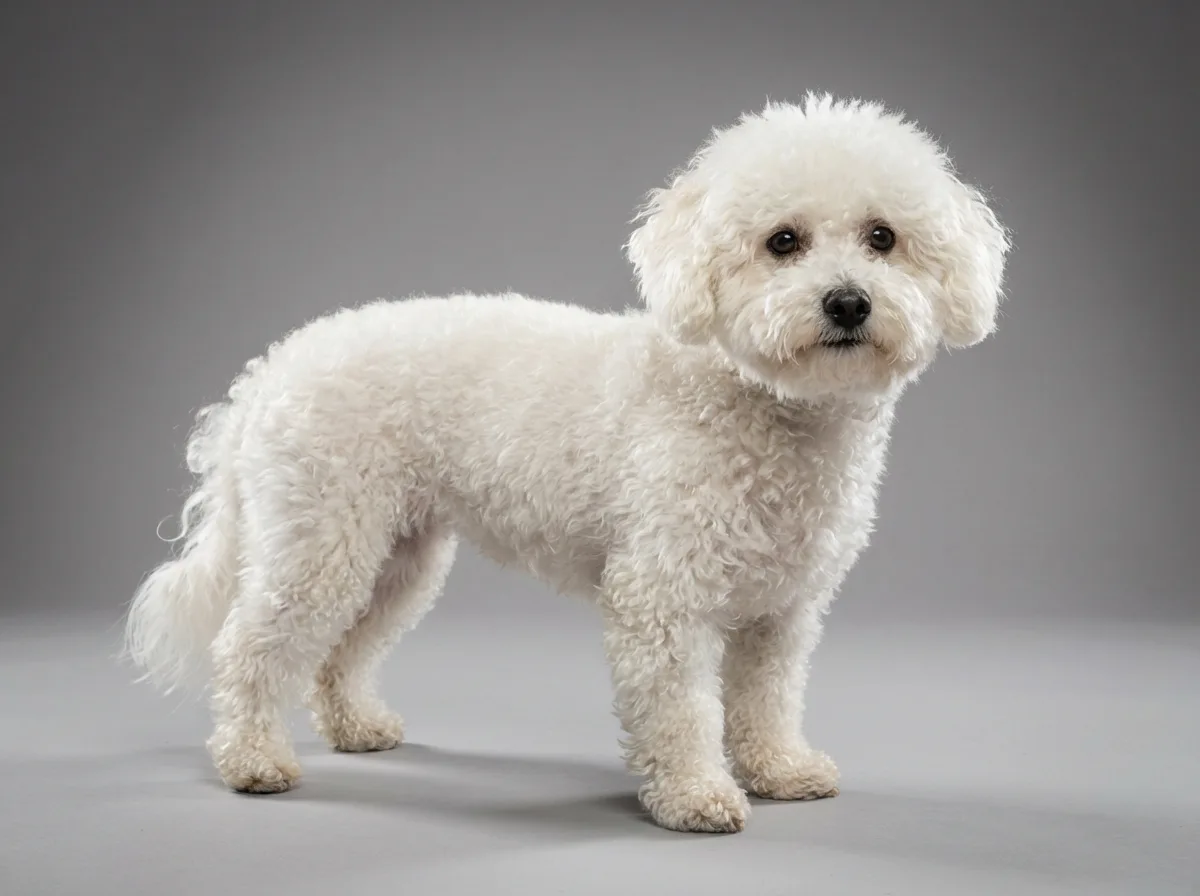
Look into dog breeds that are known to thrive in condos. Breeds like the Bichon Frise, French Bulldog, and Havanese are popular for their adaptability. Check out breed-specific traits, such as temperament and size, to find the best fit for your lifestyle.

Step 3: Consider Activity Levels
Different breeds have varying energy levels. If you lead a busy life or have limited outdoor space, look for quiet dogs or low-energy breeds. Consider how much time you can dedicate to exercise and playtime with your dog.
Step 4: Visit Local Shelters or Breeders
Once you've narrowed down your options, visit local shelters or reputable breeders. Meeting dogs in person can help you gauge their temperament and compatibility with your lifestyle. Don’t forget to ask about their history and care requirements.
Step 5: Prepare Your Condo
Before bringing your new dog home, ensure your condo is pet-friendly. Remove any hazards, secure loose items, and create a designated space for your dog. Stock up on essential supplies like food, water bowls, and cozy bedding.
Step 6: Plan for Training and Socialization
Training is essential for all dogs, especially in shared living spaces. Set aside time for basic obedience training and socialization with other pets and people. This will help your dog adjust to condo life and reduce any anxiety they may feel.
Common Mistakes When Choosing the Best Dog Breeds for Condos
Selecting the right dog breed for condo living can be tricky. Here are some common mistakes to avoid, ensuring a happier home for you and your pet.
- Ignoring Space Requirements
- Overlooking Noise Levels
- Neglecting Exercise Needs
- Choosing Based on Looks Alone
- Not Researching Breed Temperament
- Underestimating Barking Potential
Common Myths About the Best Dog Breeds for Condos
When it comes to choosing the best dog breeds for condos, there are several myths that can mislead potential dog owners. Let's debunk some of these myths and reveal the facts.
- Myth: All dogs need a yard to be happy.
- Myth: Small dogs are always quieter than big dogs.
- Myth: Certain breeds are naturally destructive in small spaces.
- Myth: Dogs will bark excessively in apartments.
- Myth: Only hypoallergenic dogs are suitable for condos.
Advanced Tips for Choosing the Best Dog Breeds for Condos
When selecting the best dog breeds for condos, it's essential to consider more than just size. Here are some advanced tips to ensure a happy life for both you and your furry friend in a smaller space.
- Research breed traits: Understand the characteristics of breeds that are known to thrive in condos. Breeds like Bichon Frise and Havanese tend to adapt well to smaller living spaces.
- Invest in training: Proper training can help your dog adapt to condo life. Focus on commands that promote good behavior, especially in shared spaces.
- Create a schedule: Establish a routine for walks and playtime. Regular exercise is crucial for keeping condo dogs mentally and physically stimulated.
- Use soundproofing materials: If noise is a concern, consider adding rugs or wall hangings that absorb sound. This can help keep your condo quieter and more comfortable for both you and your dog.
- Consider doggy daycare: If you're away from home often, a doggy daycare can provide socialization and exercise. This is especially beneficial for breeds that need more interaction.
Insider Secrets for Choosing the Best Dog Breeds for Condos
Finding the best dog breeds for condos goes beyond just size. Here are some insider secrets to help you make the right choice.
- Consider energy levels: Breeds with lower energy levels tend to adapt better to condo living. They require less space to run around and often enjoy lounging at home.
- Look for trainability: Some breeds are easier to train than others. A well-trained dog can adjust to condo life quicker, making it more enjoyable for both of you.
- Noise sensitivity matters: Breeds that are sensitive to noise can become anxious in busy environments. Choose quiet dogs that won't disturb your neighbors.
- Socialization needs: Some breeds thrive on social interaction while others are more independent. Understanding your dog’s social needs will help ensure a harmonious living situation.
- Research breed histories: Some breeds have been developed for urban environments, making them more suited for condo life.
Checklist for Choosing the Best Dog Breeds for Condos
Use this checklist to find the best dog breeds for condo living. Consider the following factors to ensure your new furry friend fits well in your home.
- Assess your living space: Measure the size of your condo and consider its layout.
- Research dog breeds: Look into breeds known for being quiet and adaptable to small spaces.
- Check breed energy levels: Choose breeds that require less exercise and can thrive indoors.
- Consider noise levels: Opt for breeds that are less likely to bark excessively.
- Evaluate grooming needs: Select breeds that have manageable grooming requirements.
- Plan for socialization: Ensure your dog can comfortably interact with other pets and people.
- Consider your lifestyle: Make sure the breed fits your daily routine and activity level.
Frequently asked questions
What are the best dog breeds for condos?
The best dog breeds for condos typically include smaller, quieter dogs that adapt well to apartment living. Breeds like the Bichon Frise, French Bulldog, and Havanese are great choices. They tend to be less active indoors and are often friendly with neighbors.
Are dogs allowed in most condos?
Whether dogs are allowed in condos varies by building. Many condos have pet policies that permit dogs, but some may have size or breed restrictions. Always check the specific rules of your condo association before getting a dog.
What is the best dog for high-rise living?
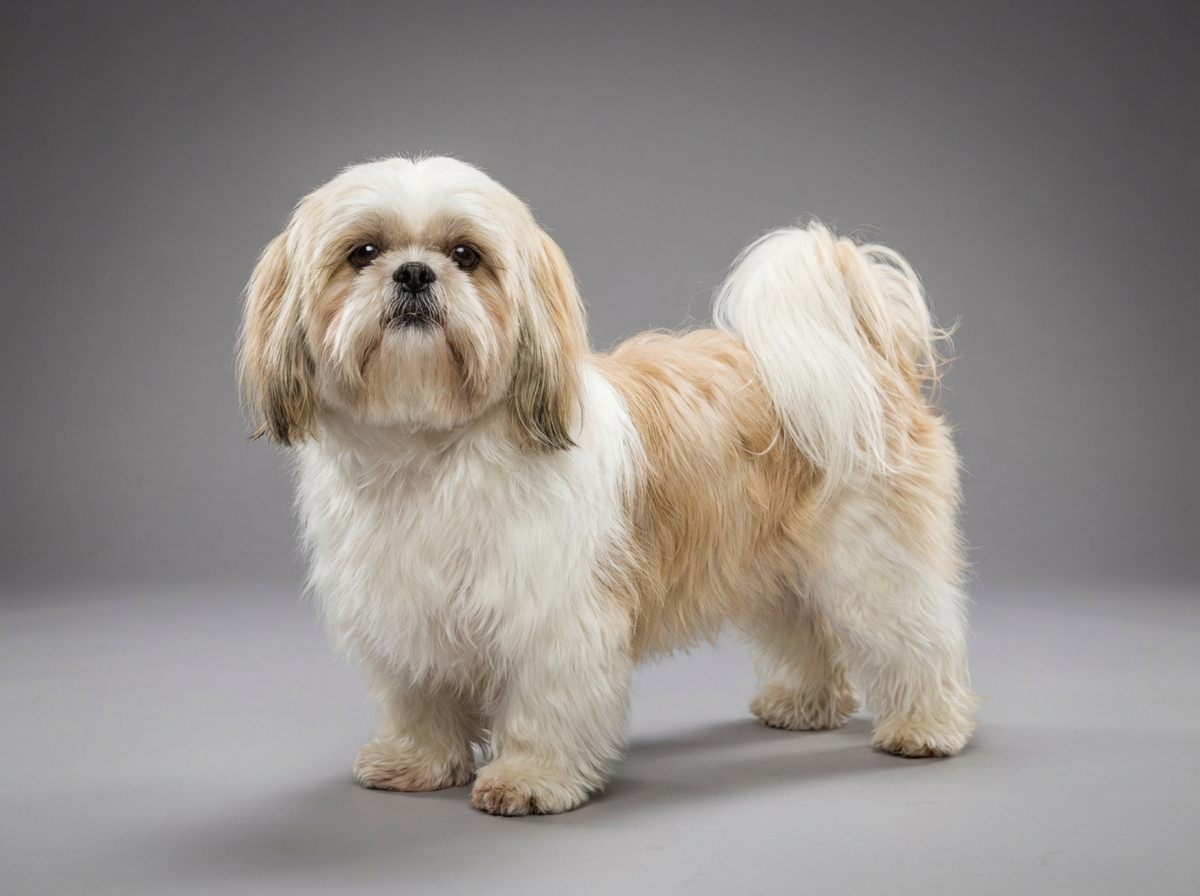
The best dog for high-rise living is usually a breed that is calm and adaptable. Smaller breeds like the Cavalier King Charles Spaniel or Shih Tzu are often ideal. They can thrive in limited space without needing extensive outdoor exercise.
What are some quiet dogs for shared walls?
Quiet dogs for shared walls include breeds known for their calm demeanor, such as the Basenji, French Bulldog, and Pug. These breeds typically bark less and are less likely to disturb neighbors in close quarters.
Can large dogs live in condos?
While large dogs can live in condos, it often depends on the dog's temperament and the condo's space. Some large breeds can adapt to apartment life if they get enough exercise outside. However, many condo policies may restrict larger breeds.
What is the best dog breed for high-rise living?
The best dog breeds for high-rise living tend to be smaller and more adaptable. Breeds like the French Bulldog and Bichon Frise are great options. They are generally quiet and can handle living in limited space.
Are there specific breeds that do well in condos?
Yes, many breeds thrive in condo life. Quiet dogs such as the Cavalier King Charles Spaniel and Havanese are popular choices. Their size and temperament suit small living spaces well.
How much exercise do condo dogs need?
Condo dogs typically need about 30 minutes to an hour of exercise daily. Regular walks and playtime in nearby parks can help meet their needs. It's essential to keep them mentally stimulated, too.
What are the best quiet dog breeds for shared walls?
For shared walls, quiet dog breeds like the Shih Tzu and Pug are recommended. These dogs tend to bark less and adapt well to apartment living. Their calm demeanor makes them great companions in close quarters.
Can I train my dog to be quiet in a condo?
Yes, training your dog to be quiet is possible with consistent reinforcement. Use positive methods to reward quiet behavior and address barking triggers. Training takes patience, but it can lead to a peaceful home environment.
What indoor activities can I do with my condo dog?
Indoor activities like puzzle toys, obedience training, and interactive games can keep your condo dog entertained. Short training sessions or agility courses can also provide fun and exercise. Remember to engage their minds as well as their bodies.
Are there any dog breeds I should avoid in a condo?
Yes, it's best to avoid large or highly energetic breeds in a condo. Breeds like the Border Collie or German Shepherd might feel cramped and require more space to roam. Opt for smaller, calmer breeds for a better fit.