Two things go wrong with dogs and storm shelters, and both are predictable.
The first is space. A shelter or safe room is sized for people, and a 35-to-55-pound dog loose in it during a frightening event is a genuine problem — for the dog, which has nowhere to settle, and for everyone else. The workable answer is a crate, either kept in the shelter or carried down with the dog. That means owning one that fits both the dog and the space, which is a measurement worth taking on a calm afternoon.
The second is the dog's own state. Noise aversion is a well-recognised condition in dogs and it is common: thunder, hail on a roof and tornado sirens produce genuine distress, and a distressed dog will not walk into a small dark room because you have asked it to. If the first time a dog ever sees the shelter is during a warning, you are trying to persuade a frightened animal into an unfamiliar confined space while a siren is going. It does not work, and the minutes it costs are the minutes that matter.
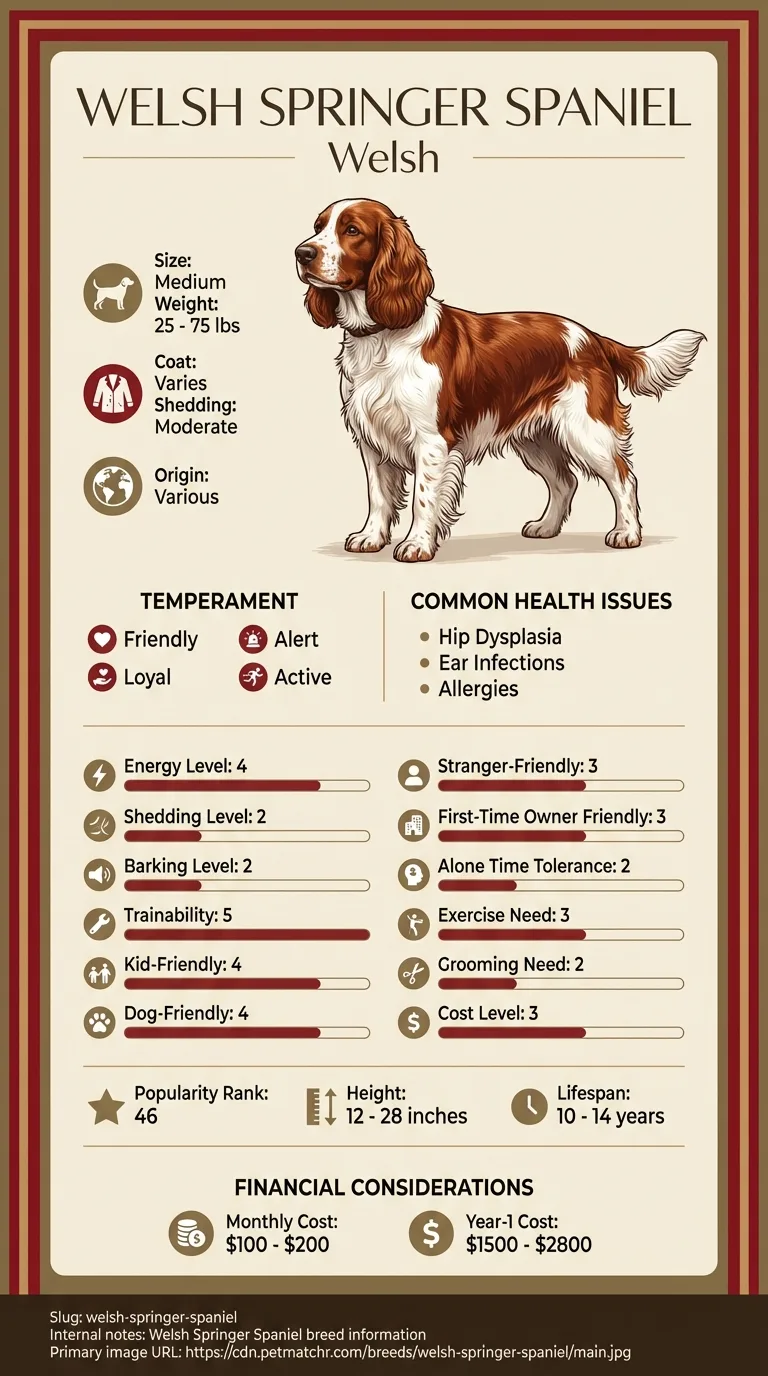
The conditioning is straightforward and free. Feed the dog in the crate. Put the crate in the shelter and feed it there. Go down for two minutes at a time on ordinary evenings with nothing happening. Do this over a few weeks in autumn or winter and the shelter becomes an unremarkable part of the house rather than the place associated with terror. This breed rates 4 out of 5 on trainability and is described as even-tempered, so it takes to this readily when the introduction is unhurried.
If your dog's reaction to thunder is severe rather than merely unhappy, that is worth raising with your veterinarian. Noise aversion is treatable, and treating it is a different and better project than managing it every spring.