Behavior
What are quick tips for German Wirehaired Pointer X-SCID?
Maintain a clean environment, limit exposure to other dogs, and ensure a good diet. Regular vet check-ups are crucial for managing this condition.

Quick answer
What are quick tips for German Wirehaired Pointer X-SCID?
Maintain a clean environment, limit exposure to other dogs, and ensure a good diet. Regular vet check-ups are crucial for managing this condition.
German Wirehaired Pointer x-scid is a serious health issue that affects your dog's immune system.
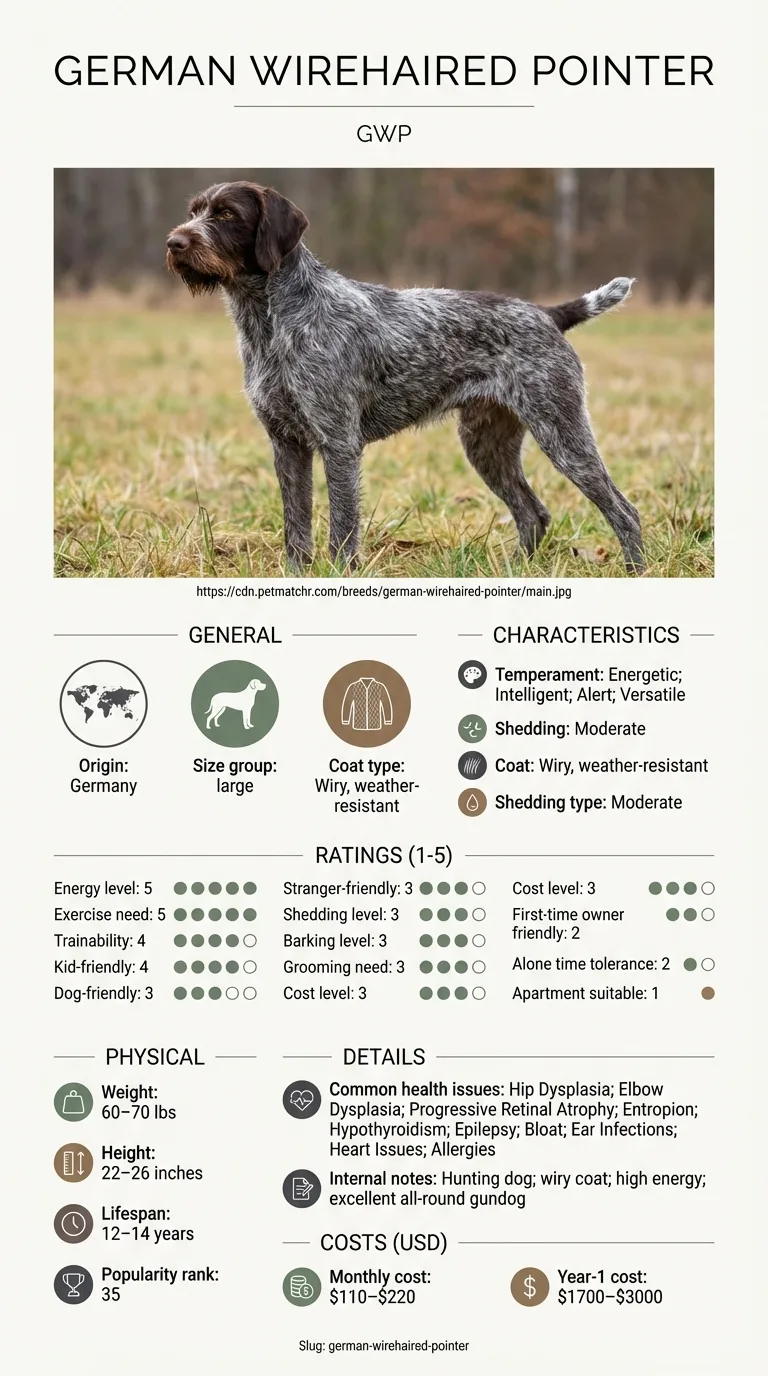
Owners of German Wirehaired Pointers, especially those new to the breed, often face challenges with x-scid. Understanding the implications of this condition can be overwhelming for anyone who cares deeply about their dog's health.
This guide is not medical advice. If your dog shows pain, sudden behavior change, or worsening symptoms, consult a licensed veterinarian.
Some links may be affiliate links. We may earn a commission at no extra cost to you. We only suggest products we believe are helpful for dog owners.
We research and check what we publish, but we do not warrant that any figure, date, price, or statement is accurate, complete, or current, and we accept no liability for any loss, cost, injury, or other harm arising from the use of this site. Use it as one reference among several. You remain responsible for your own decisions and for your dog's care - confirm anything that matters with a licensed veterinarian or another qualified professional before you act on it. Full disclaimer.
Check this first
Recognizing when your German Wirehaired Pointer x-scid needs immediate attention can save their life. If you notice any of these red-flag signs, call your vet immediately. These include persistent vomiting, difficulty breathing, severe lethargy, or a sudden drop in appetite. If your dog has recurrent infections or is unusually weak for more than a day, don’t wait. These symptoms could indicate a serious health crisis related to X-SCID.
In less severe cases, you may notice your German Wirehaired Pointer exhibiting mild symptoms, such as occasional diarrhea or a slight increase in scratching. These can often be monitored at home. Keep track of any changes, and consult your vet if symptoms persist for more than a few days. It’s essential to have a plan in place, such as a list of symptoms to watch for and a timeline for when to seek help.
X-SCID can be tricky because the symptoms can vary widely. Always err on the side of caution. If you're ever unsure, contacting your veterinarian is the best course of action.
If any of these apply, call your vet or an emergency clinic now. The rest of this page is for the cases that are not an emergency.
The German Wirehaired Pointer x-scid may face significant health challenges, particularly due to a condition known as X-SCID, or severe combined immunodeficiency. This breed often shows symptoms such as frequent infections, poor growth, and delayed recovery from illness, making daily life stressful for both the dog and the owner. Regular vet visits and a keen eye for health changes are crucial in managing this condition.
X-SCID is relatively rare, but it can significantly impact any German Wirehaired Pointer affected by it. Awareness and early detection can help manage the symptoms effectively.
The German Wirehaired Pointer (GWP) is an energetic and intelligent breed, which can lead to anxiety and stress if not properly stimulated. Their hunting background means they are naturally curious and active, which can contribute to behavior issues if their needs aren't met. Additionally, the GWP's moderate shedding and grooming requirements can sometimes become overwhelming for owners, adding to stress levels for both dog and owner.
Environmental factors like lack of exercise, inadequate training, or a chaotic household can trigger behavior problems in GWPs. If they feel confined or don't have enough mental stimulation, they may display anxiety-related behaviors. A noisy or busy home may also add to their stress, especially if they are not accustomed to such environments.
If your GWP shows signs of severe anxiety, such as excessive barking, destructive behavior, or withdrawal, it's time to consult your veterinarian. They can assess if there's an underlying health issue contributing to the behavior. Additionally, a vet can provide advice on anxiety management, including potential medication options.
Avoiding certain behaviors can greatly improve the situation for your German Wirehaired Pointer with X-SCID. Here are some common mistakes to watch out for.
Start here: German Wirehaired Pointer Most Common Genetic Disorders: Guide
See all German Wirehaired Pointer health problems, which breeds are prone to x scid, or the full German Wirehaired Pointer breed guide for temperament, exercise needs and ownership costs.
Improvement can take 3 to 6 months with consistent care and management.
Your German Wirehaired Pointer x-scid will show reduced anxiety and better coping strategies in stressful situations.
When Sarah adopted Max, her German Wirehaired Pointer, he showed signs of severe anxiety, especially during thunderstorms. After consulting a vet, she learned that he had X-SCID, which made him more sensitive to stress. Sarah started a consistent training routine that included desensitization techniques and calming exercises. Over several months, she noticed Max becoming more relaxed and even able to enjoy quiet time in his crate during storms.
Key takeaway: With patience and the right training methods, you can help your German Wirehaired Pointer x-scid manage anxiety effectively.
X-SCID is a genetic disorder that affects the immune system. It is inherited and found in some breeds, including the German Wirehaired Pointer. If your dog has X-SCID, it's important to consult with a vet for proper diagnosis and management. This answer relates to German Wirehaired Pointer x-scid.
Managing a German Wirehaired Pointer with X-SCID involves regular veterinary check-ups and monitoring for infections. Keeping your dog in a clean environment and limiting exposure to other animals can help reduce the risk of illness.
Currently, there is no cure for X-SCID. The focus is on managing symptoms and preventing infections. Your vet may recommend specific treatments to help your dog live a healthier life.
You should ensure your German Wirehaired Pointer has a stress-free environment and limit interactions with other dogs. Regular vet visits and a nutritious diet will also support their health.
X-SCID can significantly impact your dog's lifespan due to the increased risk of infections. With proper care and management, some dogs can live a fulfilling life, but regular vet care is essential.
Signs of X-SCID in your German Wirehaired Pointer include frequent infections, failure to thrive, and lethargy. If your dog shows unusual symptoms such as persistent diarrhea or difficulty breathing, it’s important to consult a vet.
Yes, X-SCID is a genetic condition that can be passed down from parents to their puppies. Responsible breeding practices can help reduce the risk of this disorder in future litters.
Supporting a German Wirehaired Pointer with X-SCID involves providing a clean environment, regular vet check-ups, and possibly specialized nutrition. Your vet may recommend specific supplements to boost their immune system.
It’s advisable to begin monitoring for signs of X-SCID in your German Wirehaired Pointer as early as puppyhood. Regular vet visits can help identify potential issues early on.
While there is no cure for X-SCID, management focuses on preventing infections and maintaining overall health. Your vet may suggest vaccinations and a strict hygiene regimen to help manage your dog's condition.
Maintain a clean environment, limit exposure to other dogs, and ensure a good diet. Regular vet check-ups are crucial for managing this condition.
You should schedule vet visits every 3-6 months to monitor your dog's condition and catch any infections early.
While there's no specific diet for X-SCID, a high-quality, balanced food can help support their overall health.
It's best to limit playtime with other dogs to reduce the risk of infections. Supervised interactions in safe environments are recommended.
A one-page prep sheet for this condition: the signs, the questions to ask, what to get priced. Unlocks here.
You get: Vet visit prep sheet
No spam. One-click unsubscribe. See our privacy policy.
Preview page 1 before you decide.