What are quick tips for managing German Wirehaired Pointer wobbler syndrome?
Regular vet check-ups, a controlled exercise routine, and a balanced diet can help manage symptoms. Always consult your vet before making changes to your dog's care.
German Wirehaired Pointer wobbler syndrome can lead to serious mobility issues. Understanding this condition is crucial for your dog's health.

Owners of German Wirehaired Pointers, especially those who enjoy outdoor activities with their dogs, may find this condition particularly challenging. It can lead to frustration and concern as they navigate their pet's care and mobility issues.
This guide is not medical advice. If your dog shows pain, sudden behavior change, or worsening symptoms, consult a licensed veterinarian.
Some links may be affiliate links. We may earn a commission at no extra cost to you. We only suggest products we believe are helpful for dog owners.
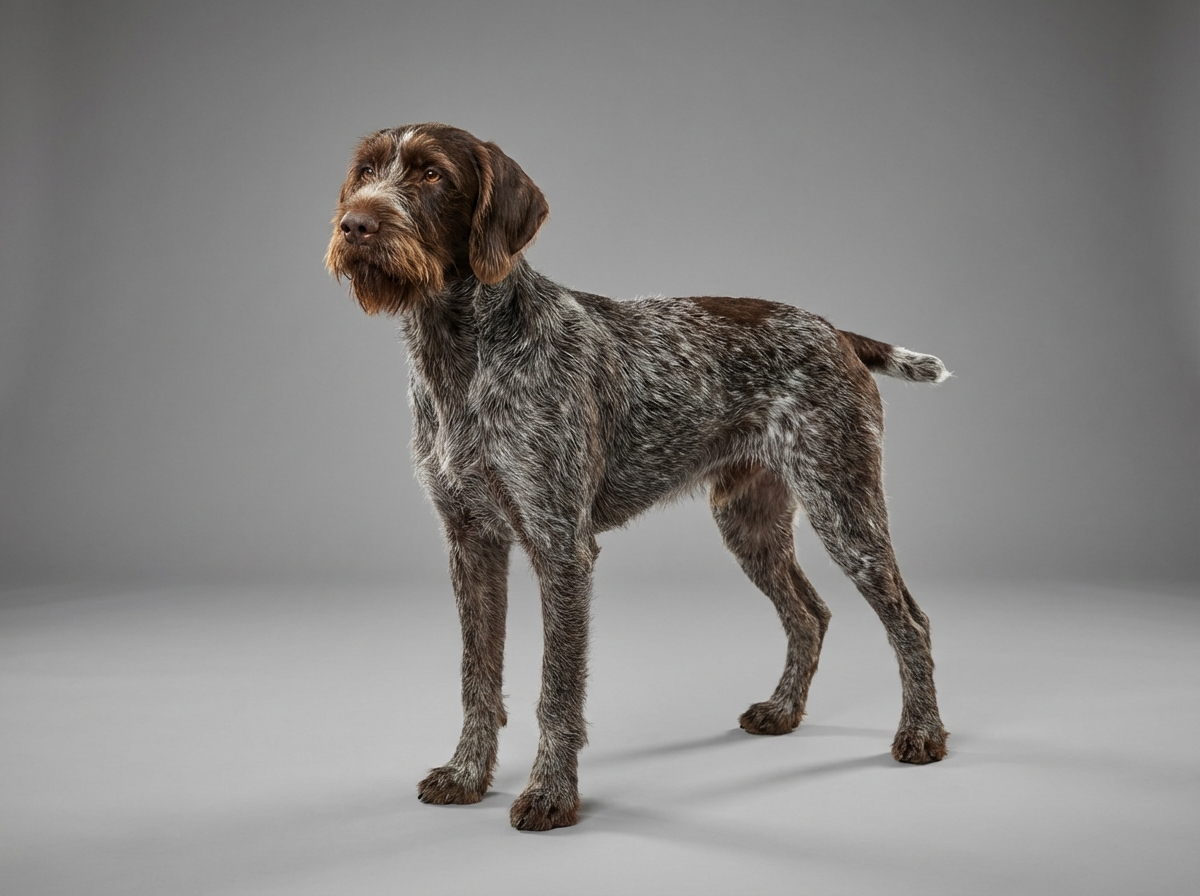
German Wirehaired Pointer wobbler syndrome is a serious condition that affects the neck and spine, causing wobbling and instability. This can make it difficult for your dog to walk or run properly. Daily life for a dog with this syndrome might include difficulty getting up, stumbling, or a noticeable lack of coordination.
Wobbler syndrome is not uncommon in German Wirehaired Pointers, especially among older dogs. It's essential to monitor your dog's mobility as they age, as early detection can lead to better management of the condition.
German Wirehaired Pointers, being a large and active breed, are prone to certain genetic conditions, including Wobbler Syndrome. Their build can lead to cervical vertebral instability, which affects the spinal cord and causes wobbling.
Environmental factors can also contribute to this condition. Poor nutrition, excessive jumping, or lack of proper exercise can strain their neck and spine, increasing the likelihood of developing symptoms.
If your German Wirehaired Pointer shows signs of wobbling or difficulty walking, consult a professional trainer experienced in handling mobility issues. They can offer tailored exercises to strengthen muscles around the spine.
If you notice persistent wobbling, weakness, or changes in behavior, it’s crucial to talk to your vet. They can assess your dog’s condition and recommend imaging or treatments, which may range from physical therapy to surgery.
You may start to see improvements in your German Wirehaired Pointer's wobbler syndrome within a few weeks of consistent training and management strategies. However, expect ongoing adjustments and support over several months.
Success means your dog shows reduced symptoms, improved mobility, and a better quality of life. Your GWP should be able to navigate its environment with more confidence and less wobbling.
Avoiding these common mistakes can help you better manage German Wirehaired Pointer wobbler syndrome.
German Wirehaired Pointer wobbler syndrome can be serious, and recognizing when to act is crucial. If your dog shows any severe symptoms, it's time to call your vet immediately. Look for signs like sudden loss of coordination, extreme weakness in the legs, or an inability to stand or walk. These can indicate a severe worsening of the condition and require urgent care.
On the other hand, if your GWP is showing mild signs like slight wobbling or occasional stumbling, you may have more time to monitor their condition. In these cases, keep track of their symptoms over a few days, and note any changes in behavior. Regular check-ins with your vet can help determine the best course of action for these less urgent cases.
It's essential to create a detailed observation plan. For mild symptoms, you can record when they occur, how long they last, and any other unusual behaviors. This information can be invaluable for your vet in assessing the situation. However, if your dog seems to be in pain, has trouble breathing, or exhibits severe lethargy, don't hesitate to seek immediate help. Your GWP's health depends on timely intervention.

Sarah, a dedicated dog owner in Seattle, noticed her German Wirehaired Pointer, Max, struggling with wobbler syndrome. After consulting her vet, she learned about important training techniques and lifestyle adjustments. With a structured exercise plan and tailored training, Sarah helped Max regain strength and balance over several months. While it wasn't an instant fix, the gradual improvements made Sarah's efforts worthwhile.
Key takeaway: With patience and the right approach, managing your German Wirehaired Pointer's wobbler syndrome can lead to noticeable improvements in their health and happiness.
German Wirehaired Pointer wobbler syndrome is a condition that affects the cervical spine, causing instability and resulting in wobbling or incoordination. This can lead to pain and reduced quality of life for your dog.
Wobbler syndrome can be due to genetic factors or developmental issues. Older dogs are more prone to this condition, but younger dogs can also be affected, especially if they have rapid growth rates.
Signs of wobbler syndrome include difficulty walking, wobbling, and weakness in the limbs. If you notice these symptoms, it’s important to consult your veterinarian for a proper diagnosis.
While you can’t always stop wobbler syndrome, management includes medication, physical therapy, and in some cases, surgery. Regular vet check-ups are essential to monitor your dog’s condition.
Treatment options vary based on severity but may include anti-inflammatory medications, pain relief, or surgery for severe cases. Your vet will help you choose the best approach for your dog.
Training can help improve your dog's balance and coordination, but it should be approached carefully. Work with a professional trainer experienced in handling dogs with special needs.
The cost of treatment can range from $500 to $7,000, depending on the severity and type of treatment required. Discuss options with your vet to plan your budget accordingly.
Early signs of German Wirehaired Pointer wobbler syndrome may include unsteady walking, difficulty jumping, and a reluctance to play. You might also notice your dog having trouble with coordination or exhibiting signs of pain in the neck area. If you observe these symptoms, it's essential to consult your veterinarian.
Yes, older German Wirehaired Pointers may show more pronounced symptoms of wobbler syndrome compared to younger dogs. Their bodies may be less resilient, and they might experience more pain or difficulty with mobility. Regular vet check-ups are crucial for older dogs to monitor any signs of this condition.
Managing wobbler syndrome at home involves providing a safe environment, ensuring your dog has a comfortable resting area, and avoiding activities that may cause injury. Gentle, controlled exercise can help maintain muscle strength. Always follow your vet's recommendations for any specific care.
Surgery is not always necessary for German Wirehaired Pointer wobbler syndrome. Some dogs may respond well to conservative treatments like medication and physical therapy. Your vet will help determine the best course of action based on your dog's specific condition and severity of symptoms.
Feeding a balanced diet is essential for a German Wirehaired Pointer with wobbler syndrome. Look for high-quality dog food that supports joint health, and consider supplements if recommended by your vet. Maintaining a healthy weight can also help reduce strain on their neck and spine.
Regular vet check-ups, a controlled exercise routine, and a balanced diet can help manage symptoms. Always consult your vet before making changes to your dog's care.
Surgery is not always necessary and depends on the severity of the condition. Your vet will recommend the best course of action based on your dog’s specific situation.
Yes, physical therapy can improve mobility and strength in dogs with wobbler syndrome. A certified canine physical therapist can create a tailored program for your dog.
If your dog shows increased difficulty walking, severe pain, or changes in behavior, contact your vet immediately. Early intervention can prevent complications.
While there are no proven home remedies, maintaining a healthy weight and providing a safe, comfortable space can help. Always consult your vet before trying new treatments.