Behavior
What are quick tips for managing German Wirehaired Pointer vwd1?
Regular vet check-ups and a safe living environment are key. Avoid situations that could lead to injuries, and keep your vet informed about your dog's condition.
German Wirehaired Pointer von Willebrand's Disease (vWD1) is a genetic bleeding disorder that affects your dog's ability to clot blood properly. This can lead to serious health issues if not managed properly.
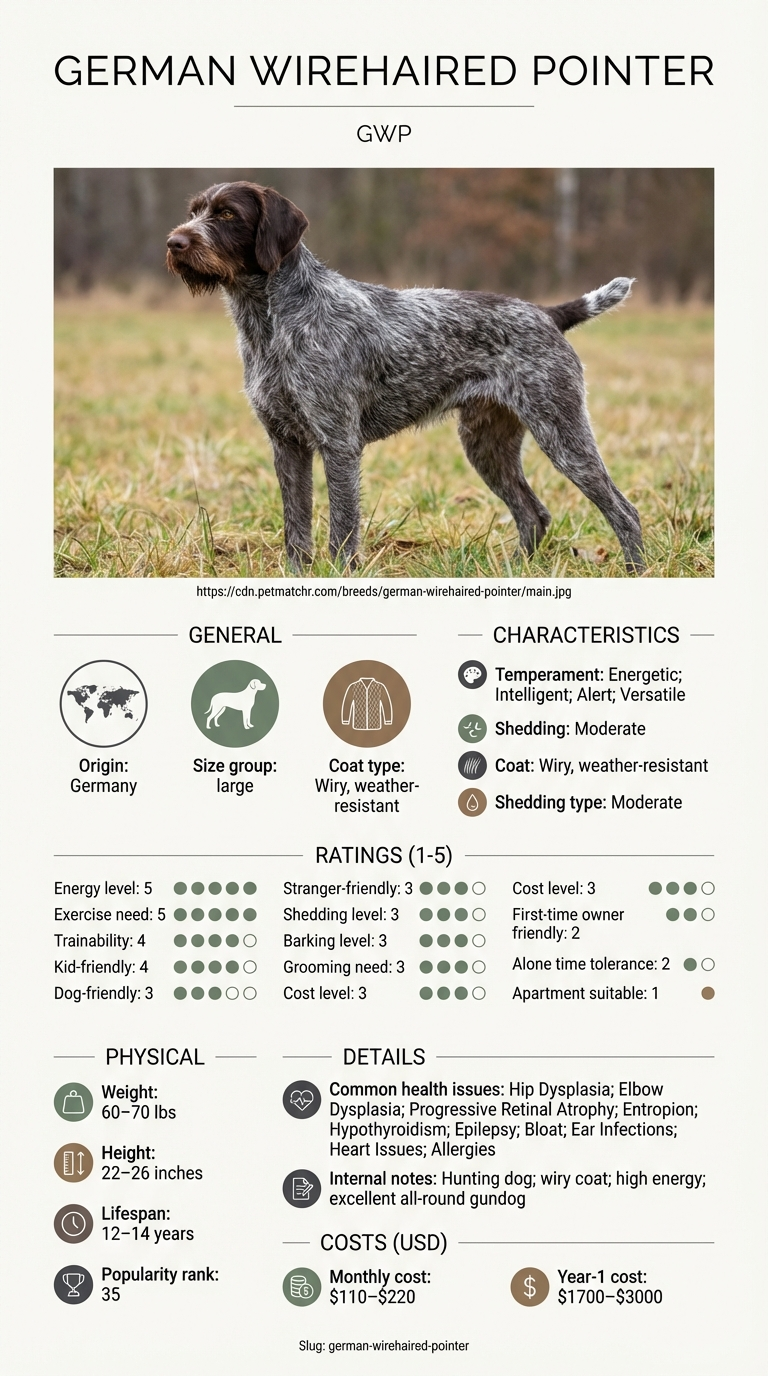
This issue often affects dedicated dog owners who are keen on maintaining their pet's health. Families with active lifestyles or those planning to engage in sports with their dogs may find this condition particularly concerning.
This guide is not medical advice. If your dog shows pain, sudden behavior change, or worsening symptoms, consult a licensed veterinarian.
Some links may be affiliate links. We may earn a commission at no extra cost to you. We only suggest products we believe are helpful for dog owners.
German Wirehaired Pointer von Willebrand's disease (vWD1) is a genetic bleeding disorder that can cause excessive bleeding after injuries or surgery. This condition often manifests as unusual bruising or prolonged bleeding from minor cuts, making daily life stressful for both the dog and the owner. Understanding the symptoms and managing them is crucial for keeping your dog safe and healthy.
Von Willebrand's disease (vWD1) is relatively common among German Wirehaired Pointers, affecting a significant number of dogs within this breed. Owners should be aware of the signs and consult their vet for regular check-ups to manage this disease effectively.
German Wirehaired Pointers (GWPs) are prone to von Willebrand's disease (vWD1) due to their genetic makeup. This inherited bleeding disorder affects blood clotting, making them more susceptible to excessive bleeding. It's important to be aware that vWD1 is more common in certain breeds, including GWPs, due to specific genetic factors.
Environmental factors contribute less directly but can exacerbate the condition. Stressful situations, such as rough play or injury, may lead to bleeding episodes. Additionally, a lack of proper vet care or inadequate training to avoid risky situations may increase the likelihood of bleeding.
If your German Wirehaired Pointer shows behavioral issues or anxiety that could lead to dangerous situations, consider consulting a professional trainer. Trainers can help teach your dog commands and appropriate behaviors to minimize risks.
If you notice any signs of bleeding, such as excessive bruising or prolonged bleeding from minor cuts, consult a vet immediately. Regular check-ups are also crucial to monitor your dog's condition and adjust care as needed.
Managing German Wirehaired Pointer von Willebrand's disease (vWD1) is a long-term commitment. You may notice improvements in your dog's health within a few weeks of following a proper care routine, but ongoing management is essential.
Success looks like maintaining your dog's quality of life with regular vet check-ups, understanding their symptoms, and being prepared for potential bleeding episodes. A stable routine and proactive care will help your dog lead a fulfilling life.
Avoid these common mistakes that can exacerbate your German Wirehaired Pointer's von Willebrand's disease (vWD1). Making small changes can lead to better health outcomes for your dog.
Recognizing when your German Wirehaired Pointer with von Willebrand's disease (vWD1) is in distress is crucial. There are clear signs that indicate an emergency, while other situations can be monitored over time. Understanding these differences can help you act swiftly or take a more cautious approach.
If your dog shows any of these red-flag signs, you should call your vet immediately: - Excessive bleeding from cuts or injuries. - Blood in urine or stool. - Unexplained bruising or swelling. - Weakness or lethargy that worsens quickly. These symptoms indicate a severe bleeding risk and require prompt medical attention.
On the other hand, if your German Wirehaired Pointer has occasional mild symptoms, such as minor nosebleeds or slight gum bleeding, you might monitor their condition at home. Keep track of any bleeding episodes and note their frequency. If they become more frequent or severe, consult your vet.
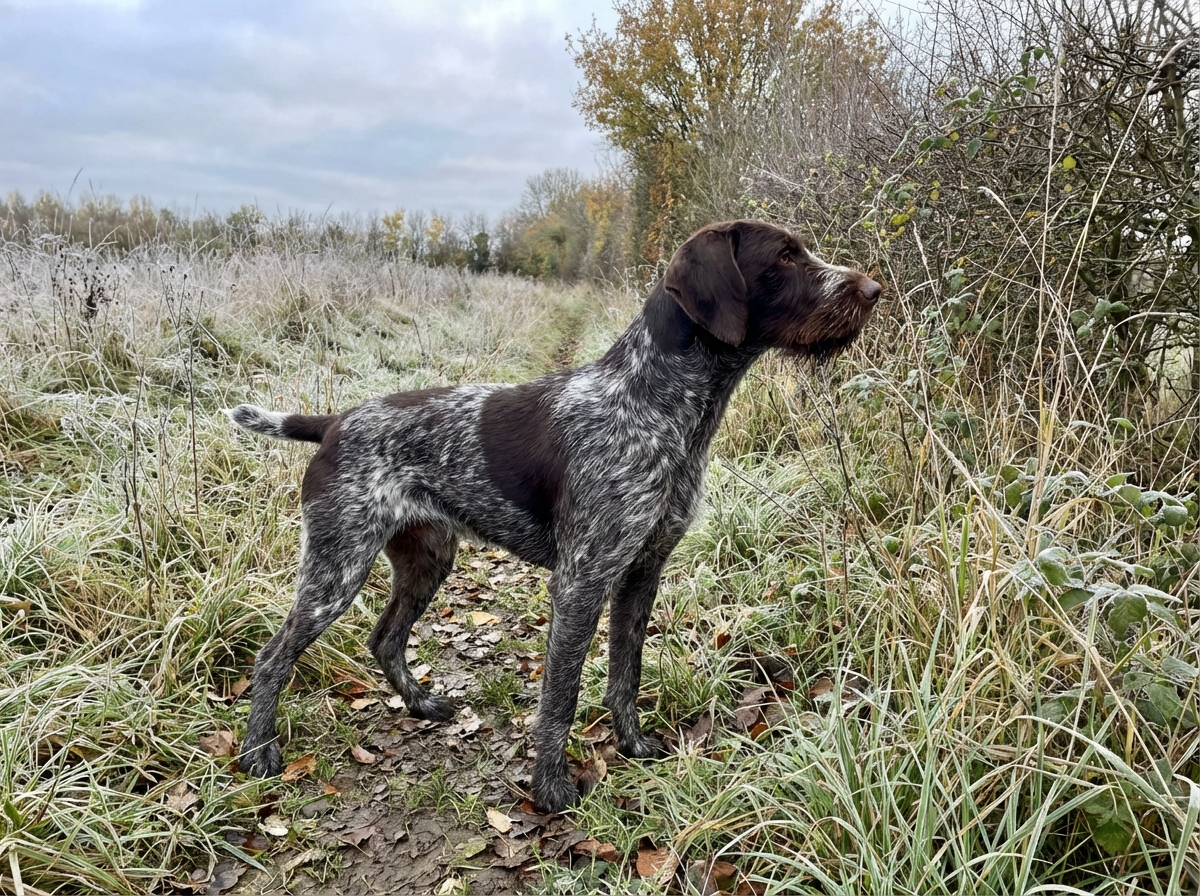
Sarah, a busy veterinarian in Seattle, adopted Max, a lively German Wirehaired Pointer. After a few months, she noticed that he had excessive bleeding after minor injuries. After a vet visit, she learned Max had von Willebrand's disease (vWD1). Initially, Sarah felt overwhelmed, unsure of how to manage his health. After consulting with a specialist and implementing a care plan, she learned to recognize signs of trouble and adjusted his activity levels. With the right approach, Max now enjoys outdoor adventures, but Sarah always keeps a first-aid kit handy just in case.
Key takeaway: Understanding and managing your dog's health condition can lead to a happier life for both you and your pet. Knowledge and preparation are key.
German Wirehaired Pointer von Willebrand's disease (vwd1) is a genetic bleeding disorder that affects the blood's ability to clot. This can lead to excessive bleeding from injuries or surgeries and may be life-threatening. It's important to have your dog tested if you suspect they might have this condition.
This disease is inherited and affects dogs genetically. If your German Wirehaired Pointer has a family history of bleeding disorders, they may be at a higher risk. Responsible breeders typically screen for vwd1 to avoid passing it on.
Management includes regular vet check-ups and potentially avoiding surgeries when possible. Providing a safe environment to reduce injury risk is crucial. Always inform your vet of your dog's condition for tailored treatment.
While there’s no cure for vwd1, treatment may involve medications to improve blood clotting. In severe cases, blood transfusions might be necessary. Always consult your veterinarian for the best course of action.
Look for signs like excessive bleeding from cuts, nosebleeds, or prolonged bleeding after surgery. Additionally, if your dog shows signs of weakness or lethargy, consult your vet immediately. Early recognition can save lives.
Prevention starts with responsible breeding and genetic testing. Regular vet visits can help catch potential problems early. Keeping your dog in a safe environment minimizes injury risks.
While there isn't specific training for vwd1, ensuring your dog is well-trained can help in managing their activities. Focus on commands that promote safety and prevent risky behaviors, especially during play.
Yes, older German Wirehaired Pointers can develop symptoms of von Willebrand's disease (vWD1). This genetic bleeding disorder may not show signs until later in life, so it's essential to monitor your dog for any unusual bleeding or bruising.
Common signs of von Willebrand's disease (vWD1) in German Wirehaired Pointers include excessive bleeding from minor cuts, nosebleeds, and prolonged bleeding after surgery. If you notice these symptoms, consult your veterinarian for evaluation.
Management of von Willebrand's disease (vWD1) in your German Wirehaired Pointer involves regular veterinary check-ups and avoiding situations that might lead to injury. Your vet may recommend specific treatments or lifestyle adjustments to help manage the condition.
Yes, von Willebrand's disease (vWD1) is a genetic disorder that can be passed down through breeding. Responsible breeders often screen for this condition to reduce its occurrence in future litters.
If your German Wirehaired Pointer experiences a bleeding episode, keep them calm and apply firm pressure to the wound if possible. Contact your veterinarian immediately for further instructions to prevent complications.
Regular vet check-ups and a safe living environment are key. Avoid situations that could lead to injuries, and keep your vet informed about your dog's condition.
Look for signs like prolonged bleeding from minor cuts or spontaneous nosebleeds. If your dog seems weak or lethargic, seek veterinary attention immediately.
Yes, managing vwd1 may include regular vet visits, medications, and potential emergency care, which can add up. Expect to budget for these ongoing costs.
Dogs with vwd1 require extra care and caution to prevent injuries, which can impact their activity level. Ensuring a safe, controlled environment is essential.
Avoid high-risk activities and keep your dog calm to minimize injury risks. Always communicate your dog's condition to anyone caring for them.