Behavior
What are quick tips for managing French Spaniel pregnancy complications?
Monitor your dog's health closely, maintain a balanced diet, and provide a calm environment. Regular vet visits are crucial for early detection of any issues.

Quick answer
What are quick tips for managing French Spaniel pregnancy complications?
Monitor your dog's health closely, maintain a balanced diet, and provide a calm environment. Regular vet visits are crucial for early detection of any issues.
French Spaniel pregnancy complications can be a serious concern for owners. Understanding these issues is crucial for ensuring the health of both the mother and her puppies.
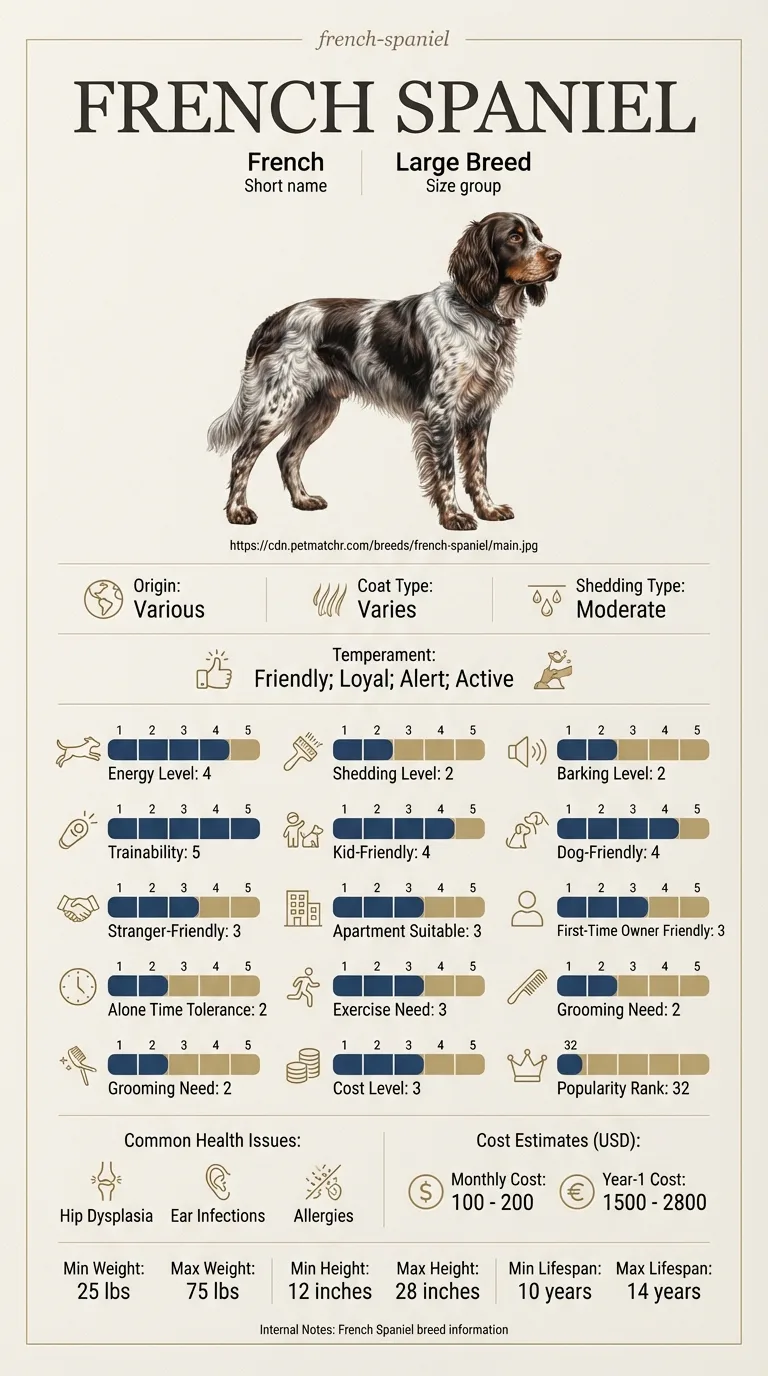
First-time French Spaniel owners, busy families, and anyone unfamiliar with dog pregnancy may struggle with these issues. Those who are not prepared for the challenges can feel overwhelmed when complications arise.
This guide is not medical advice. If your dog shows pain, sudden behavior change, or worsening symptoms, consult a licensed veterinarian.
Some links may be affiliate links. We may earn a commission at no extra cost to you. We only suggest products we believe are helpful for dog owners.
We research and check what we publish, but we do not warrant that any figure, date, price, or statement is accurate, complete, or current, and we accept no liability for any loss, cost, injury, or other harm arising from the use of this site. Use it as one reference among several. You remain responsible for your own decisions and for your dog's care - confirm anything that matters with a licensed veterinarian or another qualified professional before you act on it. Full disclaimer.
Check this first
Understanding when French Spaniel pregnancy complications become an emergency is crucial for your dog's health. You should call your vet immediately if you notice any red flags. These include severe vomiting, excessive bleeding, lethargy, or if your dog is straining without producing puppies. Additionally, if a puppy is stuck or if your dog shows signs of distress, seek veterinary help right away.
On the other hand, some situations can be closely monitored at home. If your French Spaniel shows mild vomiting or slight discomfort, you can wait and see while keeping a close eye on her. Symptoms like a decrease in appetite or light nesting behavior may not require immediate action. Just ensure you have a plan to monitor her progress.
Always trust your instincts; if something feels off, don’t hesitate to reach out to your vet. It’s better to be safe than sorry when it comes to your dog’s health.
If any of these apply, call your vet or an emergency clinic now. The rest of this page is for the cases that are not an emergency.
French Spaniel pregnancy complications can be a serious issue for both the mother and her puppies. These complications may manifest as distress, difficulty during labor, or health issues in the puppies. It's essential for owners to recognize the signs and seek veterinary assistance promptly.
Pregnancy complications in French Spaniels are relatively common, with studies indicating they face a 419% higher risk compared to other breeds. Awareness and preventive measures can help minimize these risks.
French Spaniels, like many large breeds, can face unique pregnancy complications due to their size and body structure. Their larger frames may lead to issues such as dystocia, where puppies face difficulty during delivery. Additionally, they might be more susceptible to conditions like gestational diabetes.
The environment also plays a significant role in pregnancy complications. Stressful living conditions, inadequate nutrition, or lack of proper veterinary care can exacerbate issues. Moreover, exposure to extreme temperatures or unsafe spaces can cause additional stress, impacting the pregnancy.
If you observe any concerning symptoms, like vaginal discharge, loss of appetite, or difficulty breathing, reach out to your veterinarian immediately. It's essential to discuss any pregnancy complications or concerns, as they can provide specific guidance tailored to your French Spaniel's needs.
When dealing with French Spaniel pregnancy complications, certain common mistakes can hinder improvement. Here are some behaviors to avoid and safer alternatives.
Start here: French Spaniel Most Common Genetic Disorders: Screening
See all French Spaniel health problems, which breeds are prone to pregnancy complications, or the full French Spaniel breed guide for temperament, exercise needs and ownership costs.
Addressing French Spaniel pregnancy complications typically takes 2 to 4 weeks of consistent care and monitoring. In severe cases, it may take longer, depending on the individual dog's condition.
Success means your French Spaniel is comfortable, showing fewer signs of distress, and managing any complications with the help of a vet. You’ll notice a more stable pregnancy and fewer emergencies.
Jenna, a first-time dog owner, was thrilled when her French Spaniel, Bella, became pregnant. However, she soon noticed Bella was lethargic and not eating well. After a vet visit, Jenna learned that Bella had pregnancy complications, which could lead to serious health risks. Determined to help her furry friend, Jenna followed the vet's advice: she adjusted Bella's diet, ensured she had a quiet space, and monitored her closely. Over the next few weeks, Bella's condition improved, and she began to regain her energy. Jenna felt relieved as she watched Bella prepare for the arrival of her puppies, knowing she had done everything she could.
Key takeaway: Understanding and responding promptly to French Spaniel pregnancy complications can lead to a healthier experience for both the dog and her owner.
French Spaniel pregnancy complications can happen due to various factors. Genetics, age, and overall health play significant roles. It’s important to consult your vet to identify specific risks and necessary precautions.
To help prevent complications, ensure your French Spaniel receives regular veterinary check-ups throughout her pregnancy. Proper nutrition and a stress-free environment are also key. Keeping her active but not overexerted can promote a healthier pregnancy.
Watch for signs like excessive vomiting, lethargy, or unusual discharge. If your dog seems in distress or displays any concerning symptoms, contact your veterinarian immediately. Early detection can be crucial for her and her puppies' health.
If complications arise, it’s vital to seek veterinary assistance right away. Your vet can provide treatment options and advice tailored to your dog's specific situation. Do not attempt home remedies, as they may worsen the condition.
Training can help reduce stress and anxiety during pregnancy. Consider gentle obedience training to reinforce calm behaviors and create a comforting routine. Avoid intense training that may cause stress or physical strain.
Yes, older French Spaniels may be at a higher risk for pregnancy complications. Their bodies may not handle the stress of pregnancy as well as younger dogs, so veterinary supervision is crucial.
Pregnancy complications in French Spaniels can arise from various factors, including genetics, pre-existing health issues, or stress during pregnancy. Monitoring your dog closely can help catch issues early.
To support your French Spaniel during pregnancy, provide a balanced diet, regular vet check-ups, and a calm environment. Ensuring she feels safe and comfortable can help reduce potential complications.
Monitor your dog's health closely, maintain a balanced diet, and provide a calm environment. Regular vet visits are crucial for early detection of any issues.
Offer her a quiet space, reduce stressors, and ensure she has comfortable bedding. Proper hydration and nutrition are essential for her well-being.
Prepare a whelping area, gather necessary supplies like whelping boxes, and have vet contact information readily available. Knowledge about potential complications can also help you stay ready.
A one-page prep sheet for this condition: the signs, the questions to ask, what to get priced. Unlocks here.
You get: Vet visit prep sheet
No spam. One-click unsubscribe. See our privacy policy.
Preview page 1 before you decide.