DogBreedCompass

What's the Best Dog for a Small Apartment?

Finding the right dog for your small apartment can be a challenge. This guide will help you choose the best dog breed for limited space while ensuring a happy home for both of you. (what's the best dog for a small apartment)

This guide is perfect for anyone living in a small apartment, whether you're a busy professional, a student, or a family with limited space. If you’re unsure about which dog breeds are suitable for indoor living or how to keep a pet happy in a small area, you’ll find valuable insights here.

Choosing a dog that fits your living situation is crucial for both you and your future pet. Many people mistakenly think that only small breeds can thrive in apartments, but that's not always true. Understanding which dogs can adapt well to smaller spaces helps prevent potential behavior issues and ensures a happier life for both you and your dog.

Finding the Best Dog for a Small Apartment – what's the best dog for a small apartment

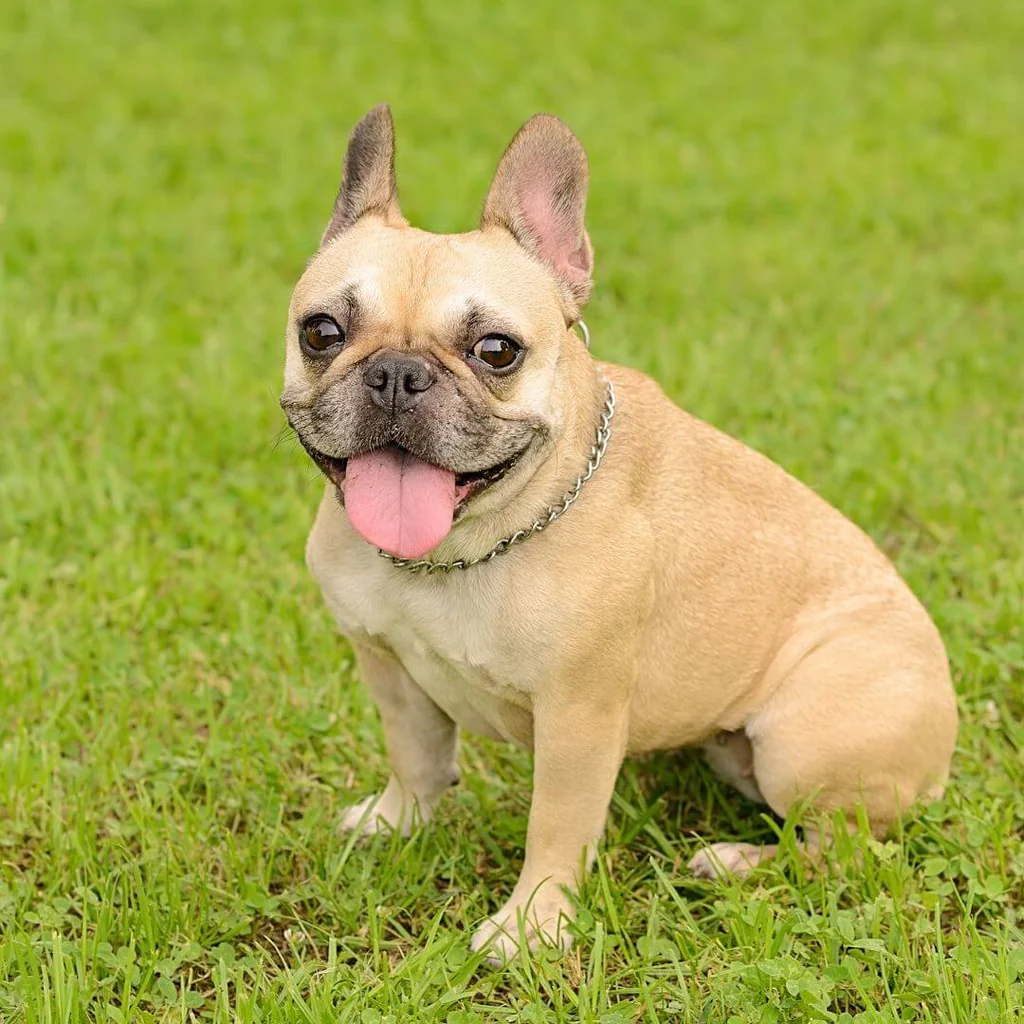
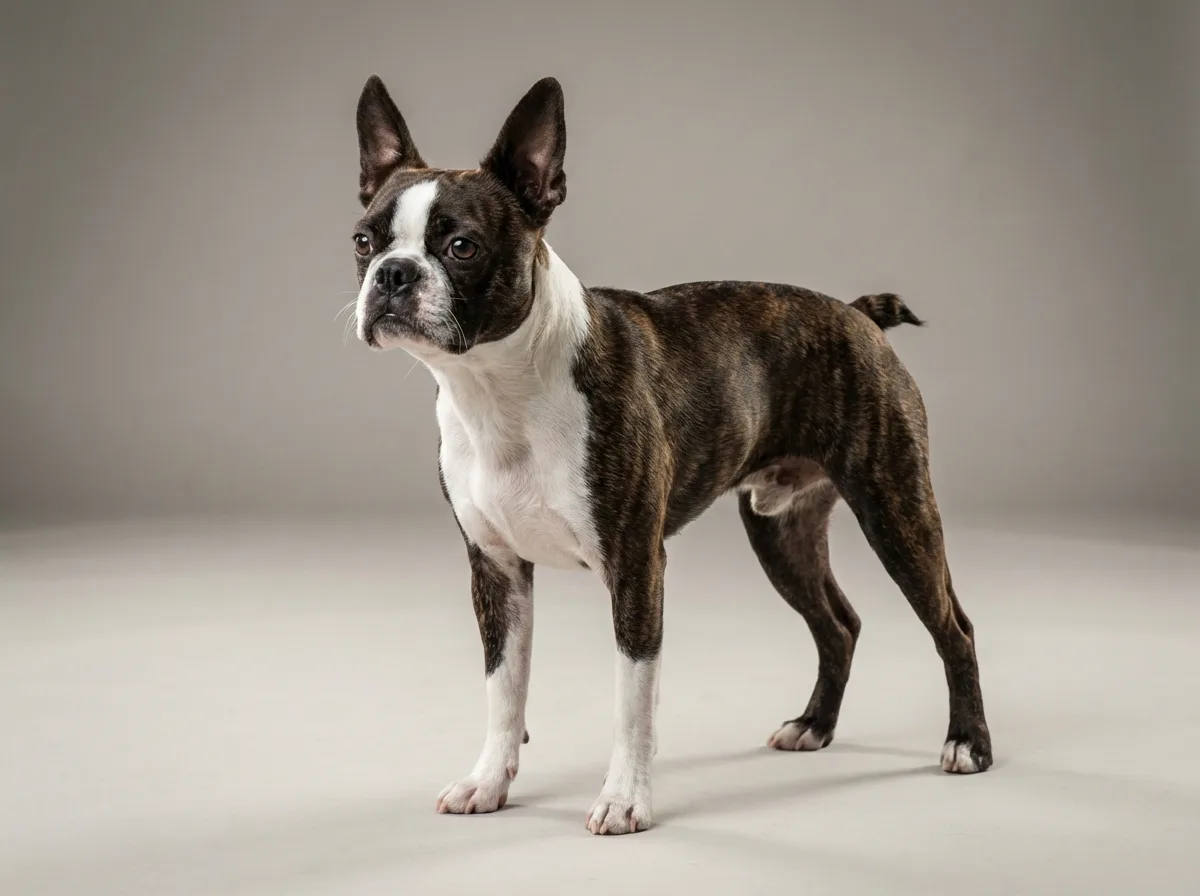
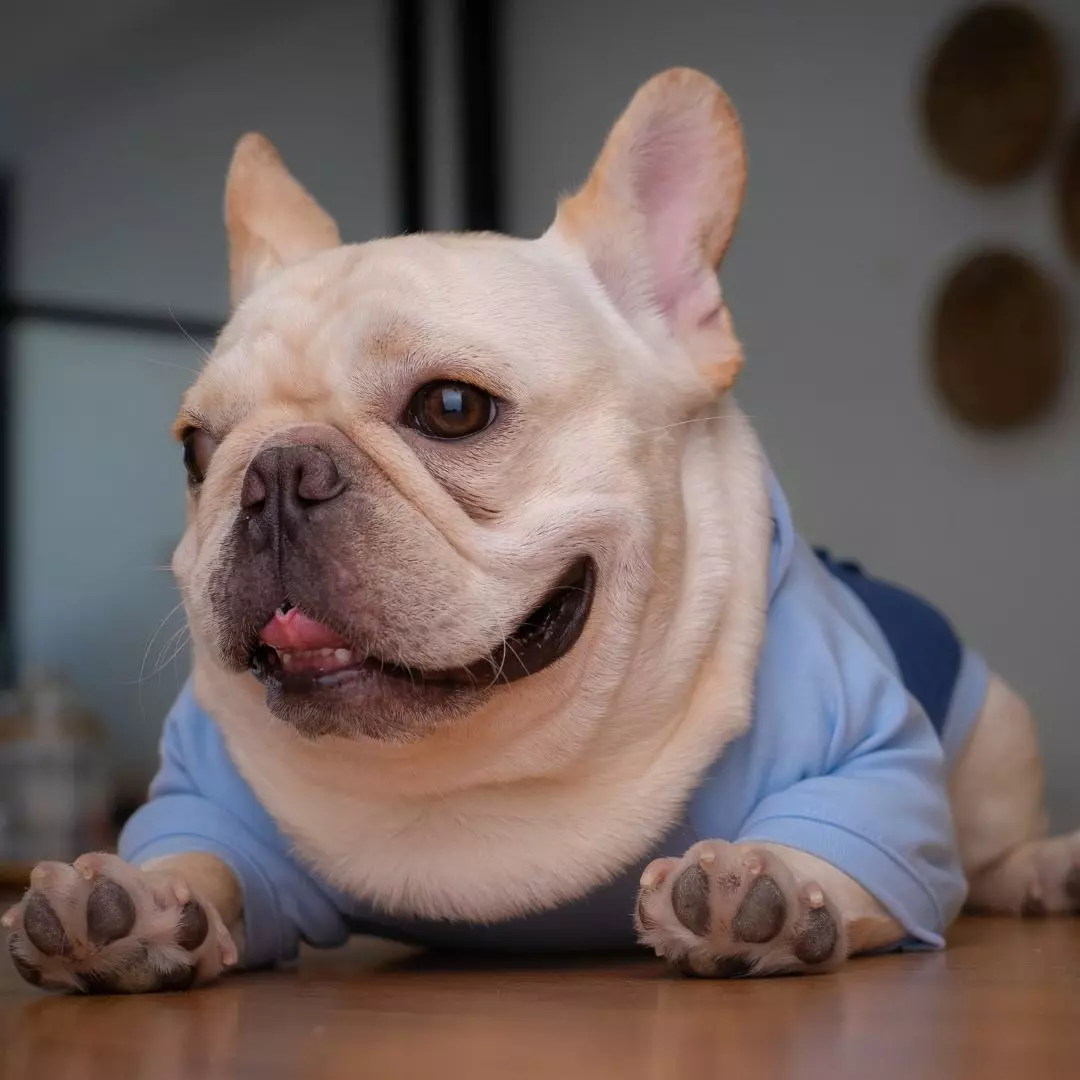
Choosing the right dog for a small apartment can be a practical consideration for both you and your furry friend. Many people wonder, 'What's the best dog for a small apartment?' This decision matters because the right breed can lead to a happy, harmonious living situation. A dog that fits well in a small space can help prevent behavioral issues and create a joyful bond in your home. Not every dog thrives in a tiny apartment. Some breeds need plenty of space to roam and play, while others adapt well to close quarters. Indoor dogs, like French Bulldogs and Pugs, are often ideal for apartment living. They tend to have lower exercise needs and can be content with shorter walks and indoor playtime. However, it's essential to consider your lifestyle and the dog's personality when making your choice. When selecting the best studio dog, think about factors such as energy levels, size, and temperament. For example, a high-energy dog may become destructive if they don’t get enough exercise. On the other hand, a calm breed can be a great companion for city dwellers who may not have access to expansive parks. Consider also the dog's noise levels; some small dogs are known for their barking, which can disturb neighbors in close quarters. Keep in mind your daily routine and how much time you can devote to your dog. If you work long hours, a breed that can handle being alone for a bit might be better for you. You should also think about training needs. Some breeds are more stubborn than others and may require extra patience to teach them good behavior in a small space. In addition, it's beneficial to explore other factors like grooming needs and potential health issues that certain breeds might have. For instance, breeds like Boston Terriers have specific health considerations that may require regular vet visits, which can add to overall ownership costs. In short, finding the best dog for your small apartment involves weighing various factors, including your lifestyle, the dog's personality, and your living space. With careful consideration, you can find a furry companion that perfectly fits your small space, bringing joy and companionship into your life. This guide will help you navigate the decision-making process, ensuring you choose a dog that will thrive in your unique environment.

Step-by-Step Plan for Choosing the Best Dog for a Small Apartment

Follow these practical steps to find the right dog for your small apartment. Each step focuses on a crucial aspect of pet ownership, ensuring you make an informed choice that suits your lifestyle.
What's the Best Dog for a Small Apartment? - Step-by-Step Plan for Choosing the Best Dog for a Small Apartment
  • 1. Assess Your Space and Lifestyle
  • 2. Research Suitable Breeds
  • 3. Visit Local Shelters or Breeders
  • 4. Consider Adoption Fees and Initial Costs
  • 5. Prepare Your Home for a New Dog
  • 6. Plan for Daily Exercise and Play
  • 7. Set Up a Routine for Training and Care

Why this helps

  • Helps narrow down your options based on real space and lifestyle.
  • Increases the chances of finding a compatible dog.
  • Supports local shelters and gives a dog a second chance.

Watch out for

  • ! May require time and effort to evaluate your lifestyle honestly.
  • ! Some breeds may come with higher health care costs.
  • ! Adoption may not always guarantee breed purity.

Common Mistakes When Choosing a Dog for a Small Apartment

Selecting the right dog for a small apartment can be tricky. Many owners make common mistakes that can lead to stress for both them and their pets. Here are some of the most frequent missteps to avoid.
What's the Best Dog for a Small Apartment? - Common Mistakes When Choosing a Dog for a Small Apartment
  • Choosing a high-energy breed
  • Underestimating exercise needs
  • Ignoring noise levels
  • Skipping training
  • Not considering size appropriately
  • Neglecting socialization
  • Failing to create a dog-friendly environment

Common Myths About Dogs for Small Apartments

Many people believe certain myths about having a dog in a small apartment. Let's debunk these misconceptions and uncover the facts.
What's the Best Dog for a Small Apartment? - Common Myths About Dogs for Small Apartments
  • Myth 1: Only small dogs can live in apartments.
  • Myth 2: Dogs need a lot of outdoor space to be happy.
  • Myth 3: All dogs bark excessively, causing noise complaints.
  • Myth 4: Dogs will automatically adapt to apartment living.
  • Myth 5: You can't train a dog to be calm in small spaces.

Advanced Tips for Choosing the Best Dog for a Small Apartment

If you're looking for what's the best dog for a small apartment, consider these advanced tips to ensure a harmonious living situation. First, focus on energy levels. Dogs with lower energy needs are often better suited for small spaces. Breeds like the French Bulldog or Pug thrive in less active environments and require less space to run around. Next, think about temperament. Some breeds are more adaptable to confined spaces and can handle being alone for longer periods. Look for dogs that are known for being calm and affectionate, like the Boston Terrier. They can be great companions in a studio or one-bedroom apartment. Additionally, invest in training and socialization. Even small dogs need proper training to behave well in close quarters. Early socialization can help them adjust to living closely with people and other pets. Consider using positive reinforcement techniques to encourage good behavior. Lastly, make use of vertical spaces. Small apartments can benefit from creative layouts. Install shelves or dog ramps to give your pet climbing options. This not only provides exercise but also makes your dog feel more engaged with their environment.

Why this helps

  • Lower energy dogs fit well in small spaces.
  • Calm and affectionate breeds adapt better.
  • Proper training improves behavior in confined areas.

Watch out for

  • ! Some breeds may still need regular exercise.
  • ! Not all small dogs are quiet or calm.
  • ! Limited space can impact larger breeds negatively.

How to Choose Dog for a Small Apartment

Finding the right dog for a small apartment can be tricky. Here are some expert insights that go beyond the basics. These tips can help you make the best choice for your living space and lifestyle.
  • Focus on Energy Levels: Some small dogs may seem perfect for apartments but have high energy needs. Breeds like the Pug or Boston Terrier might be small, but they still require daily exercise to stay healthy and happy. Consider their energy levels when making your choice.
  • Consider Barking: Noise can be a big issue in small spaces. Some small breeds are known for being yappy, which can disturb neighbors. Look for quieter breeds or consider training to keep barking at bay.
  • Look for Low-Shedding Breeds: Small apartments can get dirty quickly with shedding fur. Breeds like the French Bulldog are known for being low-shedders and might save you on cleaning time. This is a practical choice for apartment living.
  • Utilize Vertical Space: Dogs need space to roam and play. If you have limited floor space, think about using vertical areas. Dog shelves or climbing structures can give your pup a fun way to explore and exercise without taking up much room.
  • Choose a Breed that Fits Your Lifestyle: If you travel often or work long hours, opt for a dog that is more independent and can handle alone time. Breeds like the French Bulldog tend to be more adaptable to a busy lifestyle.

Why this helps

  • Helps narrow down options based on your actual living situation.
  • Provides practical insights that can lead to a happier dog and owner.
  • Encourages consideration of lifestyle factors beyond just size.

Watch out for

  • ! Might require more research and thought than simply choosing a breed based on size.
  • ! Some tips may not apply to every individual dog's temperament.

Checklist for Choosing the Best Dog for a Small Apartment

Use this checklist to find a dog that fits your small living space and lifestyle.
  • Consider your daily routine and available time for dog care.
  • Research breeds known for being good in small spaces.
  • Evaluate your apartment's size and layout for dog-friendly features.
  • Think about your activity level and how it matches the dog's needs.
  • Check pet policies in your building if renting.
  • Assess whether you can commit to daily walks and playtime.
  • Plan for dog training and socialization needs.
  • Consider adopting from a shelter or rescue that matches your lifestyle.

Why this helps

  • Helps narrow down dog breeds suitable for small spaces.
  • Ensures you meet the dog's exercise and care requirements.
  • Promotes a better match between your lifestyle and the dog's temperament.

Watch out for

  • ! May require time and effort to research and find the right dog.
  • ! Not all small breeds are low-energy or apartment-friendly.
  • ! Potential challenges in training and managing a dog in a small space.

Frequently asked questions

What's the best dog for a small apartment?

The best dog for a small apartment is typically a breed that is smaller in size and has lower energy levels. Breeds like French Bulldogs, Pugs, and Boston Terriers make great companions in compact living spaces. They require less room to move around and can adapt well to indoor life.

Best dog for 1 bedroom apartment?

For a one-bedroom apartment, consider breeds like Cavalier King Charles Spaniels or Dachshunds. These dogs are generally calm and enjoy being close to their owners, making them perfect for smaller spaces. Always remember to provide regular exercise to keep them happy and healthy.

Are big dogs okay in small apartments?

While some big dogs can live in small apartments, they usually require more space and exercise than smaller breeds. Dogs like Greyhounds, which are surprisingly calm indoors, may adapt well to smaller living areas. It's essential to evaluate the dog's energy level and exercise needs.

What are some quiet small dogs?

Quiet small dogs include breeds like the Shih Tzu, Bichon Frise, and the Maltese. These breeds are known for their calm demeanor and tend to bark less, making them suitable for apartment living. However, each dog's personality can vary, so it's good to meet them first.

Can small dogs live in a tiny apartment?

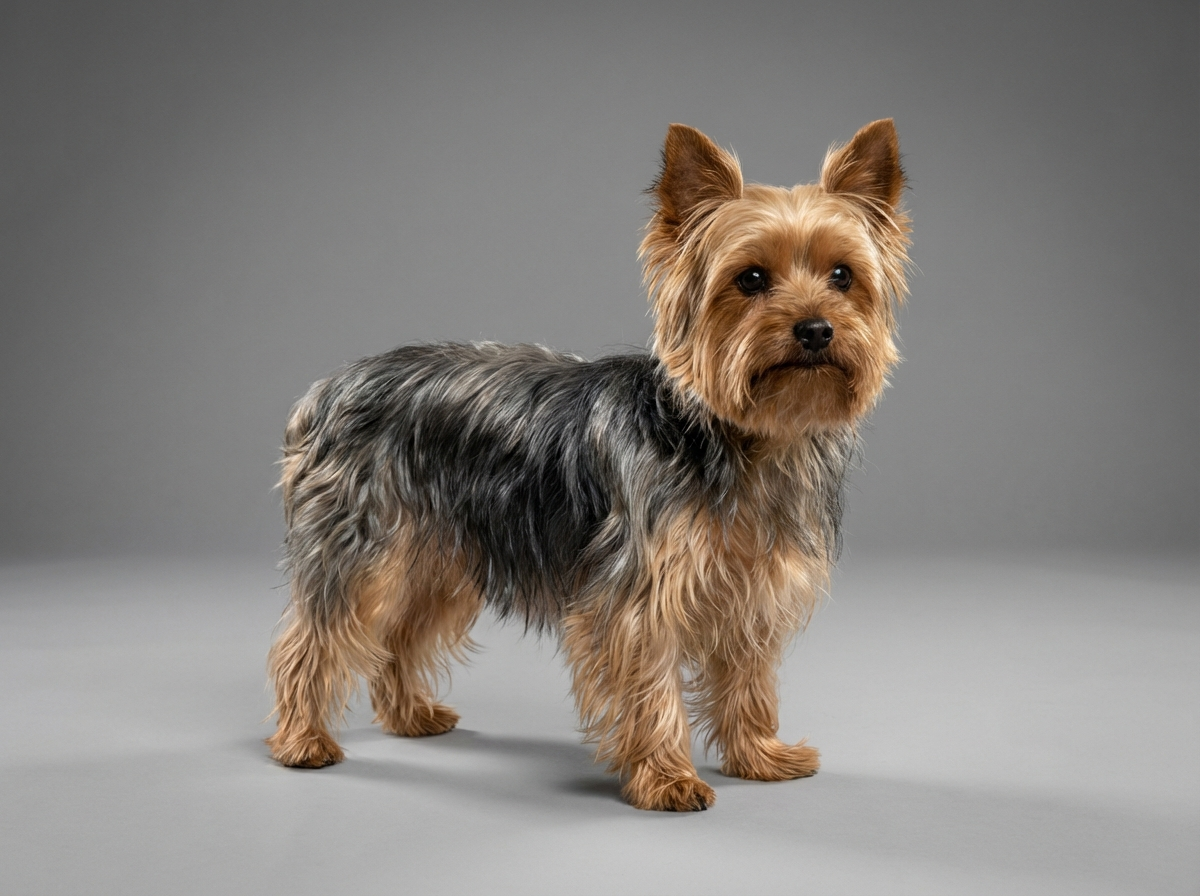
Yes, small dogs are often well-suited for tiny apartments. Breeds like Chihuahuas and Yorkshire Terriers thrive in smaller spaces and can be content with minimal outdoor time. Just ensure they get enough playtime and mental stimulation to remain happy.

How much exercise do indoor dogs need?

Indoor dogs typically need about 30 minutes to an hour of exercise each day, depending on the breed. Regular walks and playtime can help them burn off energy. It's crucial to engage them mentally and physically, especially in smaller living spaces.

Can I train my dog to live in a small space?

Yes, you can train your dog to live comfortably in a small space. Start with basic obedience training and gradually introduce them to their environment. Teaching them boundaries and helping them adjust to limited space can lead to a happy cohabitation.

What should I consider when choosing a dog for a tiny apartment?

When choosing a dog for a tiny apartment, consider the breed's size, energy level, and temperament. Look for breeds that are known to be adaptable to indoor living and have lower exercise needs. Also, think about your lifestyle and how much time you can dedicate to walks and play.

Are there any health concerns for indoor dogs?

Indoor dogs can face specific health concerns, such as obesity, due to less space for exercise. Regular vet check-ups and a balanced diet are essential. Additionally, ensure they have enough mental stimulation to prevent boredom-related behaviors.

Quick answers

View more answers
Living

What are some small apartment dogs?

Some great small apartment dogs include French Bulldogs, Pugs, and Boston Terriers. These breeds are compact and adapt well to indoor living.

Living

What is a good studio pet?

A good studio pet is typically a small breed with low exercise needs, such as a Shih Tzu or a Bichon Frise. They are usually content with indoor play.

Living

What are compact dog breeds?

Compact dog breeds include the Pug, French Bulldog, and Dachshund. These breeds are small but have big personalities, making them great companions.

Living

What is the best dog for a 1 bedroom apartment?

Small breeds like French Bulldogs and Pugs are great for one-bedroom apartments due to their size and temperament.

Living

Are big dogs okay in small apartments?

While some big dogs can adapt, it's generally better to choose smaller breeds for limited space to avoid stress for both the dog and owner.

Related DogBreedCompass guides

Important reminder

This guide is not medical advice. If your dog shows pain, sudden behavior change, or worsening symptoms, consult a licensed veterinarian.

Some links may be affiliate links. We may earn a commission at no extra cost to you. We only suggest products we believe are helpful for dog owners.

Want more tailored help?

Take the Lifestyle Match quiz to see which breeds and guides best fit your day-to-day life.

Take the quiz

More guides you might like

Find your match

Not sure which breed is right for you? Take our 2-minute quiz to find out.

Take the quiz