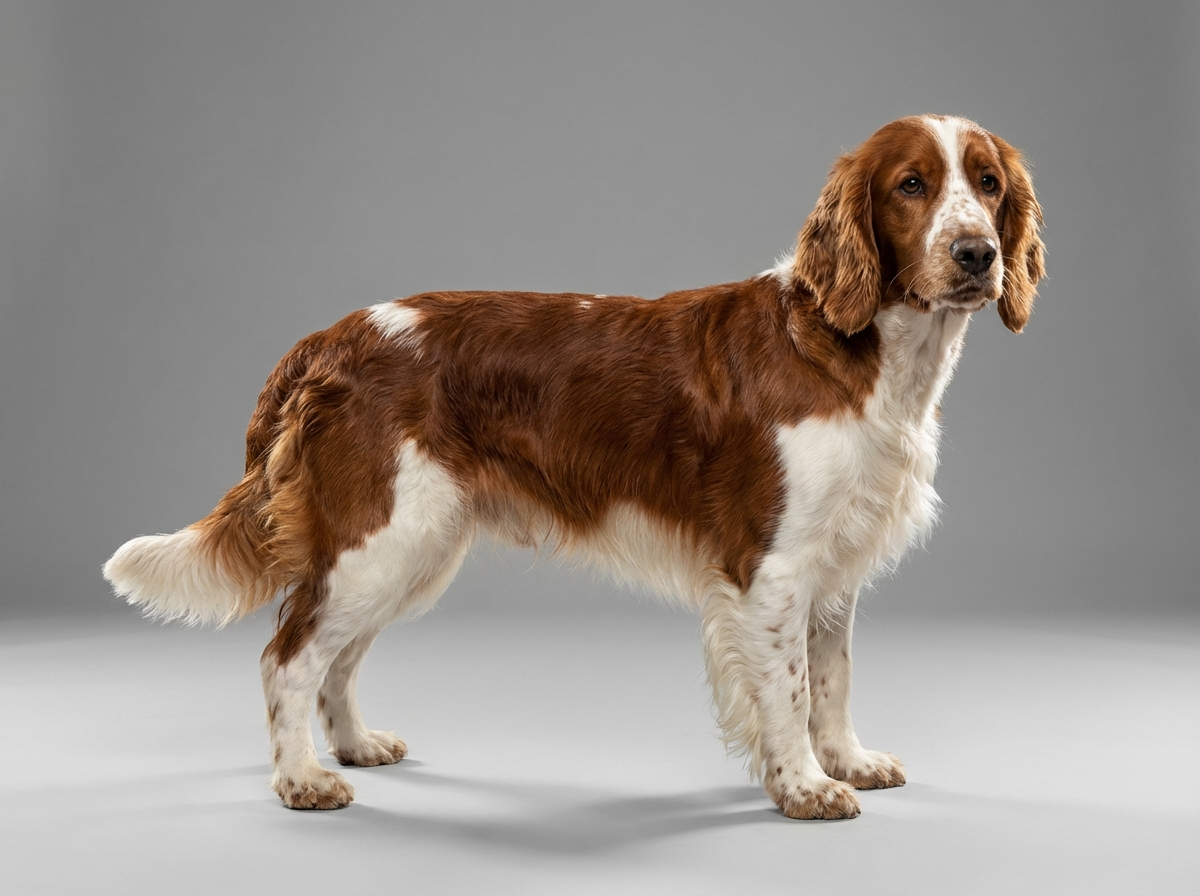
Obedient Dog Breeds: Your Guide to Well-Behaved Companions
Are you looking for obedient dog breeds that are easy to train? This guide will help you find well-behaved dogs that are perfect for families and individuals alike.
Understanding Obedient Dog Breeds
Finding the right dog breed can be overwhelming, especially if you want a well-behaved companion. Obedient dog breeds are often the best choice for families or individuals seeking a disciplined pet. These breeds tend to be easier to train and more compliant, making life with them much more enjoyable. In this guide, we'll explore what makes certain breeds stand out in terms of obedience and why it matters for dog owners.
Why Obedience Matters
Obedience in dogs is crucial for a harmonious relationship between pets and their owners. Well-behaved dogs are not only easier to manage, but they also bring peace of mind in various situations. Whether you're in a busy park or welcoming guests, a disciplined dog can make all the difference. Understanding which breeds are known for their obedience can help you make a more informed decision when choosing a pet.

Top Obedient Dog Breeds
Here are a few breeds renowned for their obedient nature:
1. Border Collie - Known for their intelligence and eagerness to please, they excel in obedience training.<br/>2. Golden Retriever - Friendly and adaptable, they’re popular for families and therapy work due to their trainability.<br/>3. German Shepherd - Highly versatile, they are often used in police and military roles due to their obedience and loyalty.

- Border Collie
- Golden Retriever
- German Shepherd
Training Tips for Obedient Breeds
Even the most obedient breeds require consistent training and socialization. Positive reinforcement techniques work best for encouraging good behavior. Start training early and keep sessions short but regular to maintain your dog's interest. It’s also essential to expose them to various environments and situations to help them learn how to respond appropriately.

Frequently Asked Questions
Here are some common questions about obedient dog breeds:
- What are the most obedient dog rankings?
- Are there dogs that listen to their owners better than others?
- Which is the best dog for obedience competitions?
- What are the most obedient dog rankings?
- Are there dogs that listen to their owners better than others?
- Which is the best dog for obedience competitions?
Step-by-Step Plan for Choosing Obedient Dog Breeds
Follow this step-by-step plan to find the obedient dog breed that fits your lifestyle and needs. You'll not only learn about compliant breeds but also how to ensure a well-behaved companion.
- Step 1: Assess Your Lifestyle
- Step 2: Research Obedient Dog Breeds
- Step 3: Visit Local Shelters or Breeders
- Step 4: Meet Potential Dogs
- Step 5: Consider Training Resources
- Step 6: Make an Informed Decision
Common Mistakes When Choosing Obedient Dog Breeds
Selecting an obedient dog breed can be exciting, but many owners make mistakes that hinder their success. Here are some common pitfalls and why they might backfire.
- Ignoring Breed-Specific Traits
- Overlooking Training Requirements
- Underestimating Exercise Needs
- Choosing Based on Looks Alone
- Neglecting Socialization
- Being Inconsistent with Commands
- Failing to Adapt Training Techniques
Common Myths About Obedient Dog Breeds
Many people have misconceptions about obedient dog breeds. Let's debunk some of the most common myths and clarify the facts behind them.
- Myth: All dog breeds are equally obedient.
- Myth: Obedient dogs don't require training.
- Myth: Only certain breeds can be trained to be obedient.
- Myth: Obedient dogs are naturally calm and don’t need exercise.
- Myth: Obedience means a dog will always listen perfectly.
Advanced Tips for Choosing Obedient Dog Breeds
When looking for obedient dog breeds, there are several advanced strategies to ensure you find the perfect fit for your lifestyle and needs. The right training techniques and environment can enhance obedience in even the most stubborn dogs. Here are some tips to consider:
1. Focus on Early Socialization: Start socializing your puppy as early as possible. Expose them to different people, environments, and other animals. This helps them become well-rounded and more adaptable, leading to better behavior.
2. Invest in Professional Training: Consider enrolling your dog in obedience classes with a certified trainer. This not only teaches commands but also helps establish a strong bond between you and your dog, reinforcing trust and respect.
3. Use Positive Reinforcement: Reward-based training works wonders for obedience. Use treats, praise, or playtime to motivate your dog. This creates a positive association with following commands, making them more likely to comply in the future.
4. Practice Consistency: Be consistent with commands and expectations. Use the same words and gestures for specific commands. This clarity helps your dog understand what you want, leading to quicker learning and better obedience.
5. Evaluate Your Environment: The environment can greatly influence your dog’s behavior. Ensure your home is safe and free from distractions that could hinder training. A calm and structured environment encourages obedience and discipline.
6. Tailor Training to Your Dog’s Personality: Every dog is unique. Some breeds may respond better to certain training methods than others. For instance, a Golden Retriever may thrive with games, while a German Shepherd could excel with more structured training routines. Pay attention to your dog’s reactions and adjust your approach accordingly.
7. Engage in Regular Mental Stimulation: Obedience can be improved by keeping your dog mentally engaged. Puzzle toys, training exercises, and interactive games can help them focus and reduce unwanted behaviors. A mentally stimulated dog is often more compliant and well-behaved.
8. Be Patient and Understanding: Training takes time, and it’s important to be patient. Celebrate small victories and be understanding of setbacks. Your dog’s progress will vary, and maintaining a positive attitude will encourage them to keep trying.
Following these advanced tips can lead to a more obedient dog and a stronger bond between you and your pet. Remember, every dog can learn to be well-behaved with the right approach and dedication.

Insider Secrets to Choosing Obedient Dog Breeds
Discover unique insights that go beyond the basic traits of obedient dog breeds. These tips can help you find the most compliant and well-behaved companions for your family.
- Breed Temperament Assessment: Not all obedient breeds are the same. Look beyond rankings and consider individual temperament. Some dogs may excel in obedience but struggle with anxiety or over-excitement.
- Socialization is Key: Early socialization plays a crucial role in developing obedient behavior. Expose your dog to various environments, people, and other animals to foster a calm and compliant demeanor.
- Training Methods Matter: Positive reinforcement is more effective than harsh corrections. Invest time in learning about reward-based training techniques to build a trusting relationship with your dog.
- Genetics Influences Behavior: While breed traits provide a foundation, genetics can impact individual behavior. Even within obedient breeds, some dogs may be more stubborn or require additional training.
- Consider Lifestyle Fit: An obedient dog breed may not be suitable for every home. Assess your living situation, activity level, and family dynamics to ensure a good match.
Your Checklist for Choosing Obedient Dog Breeds
Use this checklist to find the perfect obedient dog breed for your lifestyle. Each step helps you consider what you need and want in a pet.
- Research different obedient dog breeds like the Golden Retriever, German Shepherd, and Border Collie.
- Assess your living situation—do you have enough space for an active dog?
- Consider your daily routine. Do you have time for training and exercise?
- Think about energy levels—do you prefer a calm dog or a more energetic one?
- Evaluate your experience with dogs. Are you a first-time owner?
- Look into breed-specific traits—are they known for being easy to train?
- Check for any breed-specific health issues.
- Visit local shelters or breeders to meet potential dogs in person.
- Ask owners of the breeds you like about their experiences.
- Prepare your home with the necessary supplies (food, toys, training tools).
Frequently asked questions
What are the most obedient dog breeds?
Some of the most obedient dog breeds include the Border Collie, Golden Retriever, and German Shepherd. These breeds are known for their intelligence and willingness to follow commands. Their trainability makes them great companions for both families and individuals.
Which dogs listen best to their owners?
Generally, breeds like the Labrador Retriever, Poodle, and Rottweiler are known for being responsive to their owners. These dogs tend to be eager to please and are quick learners. Consistent training and positive reinforcement can enhance their obedience.
What is the best dog for obedience competitions?
Breeds such as the Border Collie and Belgian Malinois excel in obedience competitions due to their high intelligence and energy levels. They require a dedicated owner who can provide them with the training and mental stimulation they need to thrive. Choosing a dog that enjoys working with people is key.
Are there any specific training methods for obedient dogs?
Positive reinforcement is one of the best methods for training obedient dogs. This includes rewarding good behavior with treats, praise, or playtime. Consistency in commands and training sessions will help solidify their obedience.
Can any dog become obedient with training?
Yes, most dogs can become obedient with the right training and socialization. However, some breeds are naturally more compliant than others. It’s important to consider a dog’s temperament and energy levels when choosing a pet.
What are the characteristics of obedient dog breeds?
Obedient dog breeds often display a strong willingness to please their owners. They tend to be intelligent, trainable, and responsive to commands. Breeds like the Border Collie and Golden Retriever are known for their ability to follow instructions and adapt to training.
Are there any specific training methods for obedient dog breeds?
Positive reinforcement is the most effective training method for obedient dog breeds. This approach rewards good behavior with treats or praise, encouraging dogs to repeat those behaviors. Consistency and patience are key, as each dog learns at their own pace.
Can less obedient breeds become well-behaved with training?
Yes, even less obedient breeds can become well-behaved with proper training and socialization. It may take more time and effort, but with dedication, many dogs can learn to follow commands. Working with a professional trainer can also help accelerate the process.
What dogs are best for obedience competitions?
Breeds like the German Shepherd, Border Collie, and Golden Retriever often excel in obedience competitions. Their intelligence and eagerness to please make them highly trainable. However, individual temperament and training also play significant roles in competition success.
How do I choose the right obedient dog breed for my family?
Consider your family's lifestyle, activity level, and experience with dogs when choosing an obedient breed. Some breeds require more exercise and mental stimulation than others. Researching specific breed traits and talking to breeders or trainers can help you make an informed decision.
Are obedient dog breeds good with children?
Many obedient dog breeds, like Golden Retrievers, are known for being good with children. Their gentle nature and willingness to follow commands make them suitable family pets. However, it's essential to supervise interactions and teach children how to interact respectfully with dogs.
How much exercise do obedient dog breeds need?
Obedient dog breeds generally require regular exercise to maintain their physical and mental health. Daily walks, playtime, and training sessions are crucial. The specific exercise needs can vary by breed, so it's important to understand the requirements of the breed you choose.