Looking for a gentle giant? This guide will help you find the perfect large calm dog breeds that fit your family's lifestyle.
This guide is for anyone considering a large dog but wants a calm and gentle temperament. Whether you're a busy professional, a family with kids, or someone living in a spacious home, you'll find valuable insights here. If you worry about the energy levels of big dogs or need help choosing the right breed for a peaceful home life, this guide is tailored for you.
Understanding which large dog breeds are calm is crucial for making an informed decision about pet ownership. Many people mistakenly believe that all big dogs are hyper or difficult to manage. By exploring the characteristics of relaxed big dogs, you can ensure that your new furry friend fits seamlessly into your lifestyle, reducing stress and enhancing your overall happiness.
Understanding Large Calm Dog Breeds
Choosing a dog is a big decision, and if you’re leaning towards large calm dog breeds, you're in for a treat. These gentle giants, like Great Danes and Newfoundlands, offer a blend of size and serenity that can be perfect for families, individuals, or those seeking companionship without the hyperactivity. Understanding what makes these breeds special can help you find the right fit for your lifestyle.
Why Choose Large Calm Dog Breeds?
Large calm dog breeds are ideal for various living situations. They often have a relaxed demeanor, making them suitable for families, seniors, or anyone who prefers a less energetic companion. Their low energy levels mean they usually require less exercise compared to more active breeds, which can be a relief for busy owners.
Plus, their gentle nature often makes them great with children and other pets.
The Best Large Calm Dog Breeds for Families - Why Choose Large Calm Dog Breeds?
Popular Large Calm Dog Breeds
Some well-known breeds that fit the large calm dog category include:
- Great Dane
- Newfoundland
- Saint Bernard
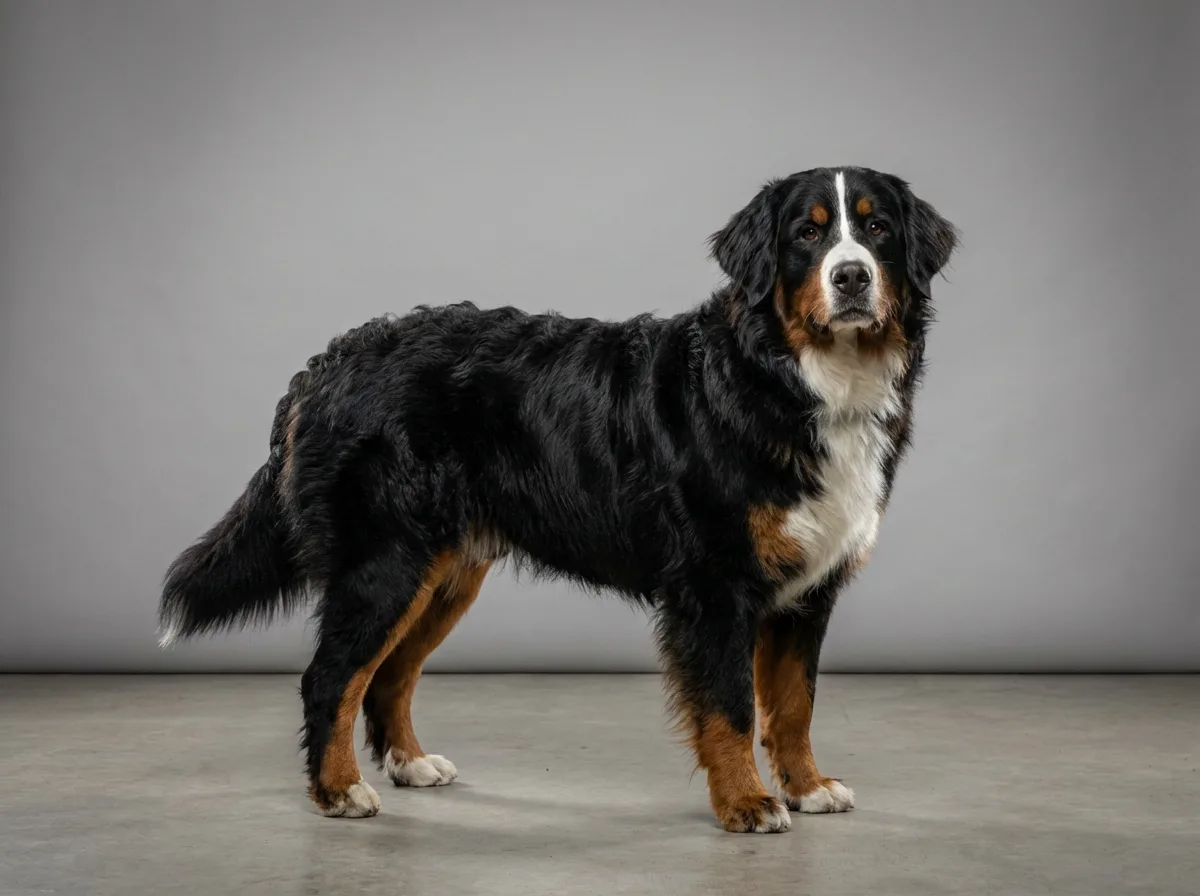
- Bernese Mountain Dog
These breeds are not only big in size but also big in heart, making them wonderful companions in various settings.
The Best Large Calm Dog Breeds for Families - Popular Large Calm Dog Breeds
Great Dane
Newfoundland
Saint Bernard
Bernese Mountain Dog
Things to Consider When Choosing a Large Calm Dog
While large calm dog breeds can be a great choice, it's important to consider their specific needs. They still require space to move around, and their size can pose challenges in smaller homes. Additionally, regular vet visits and healthy diets are essential to keep them in good shape.
Here are some pros and cons to keep in mind:
The Best Large Calm Dog Breeds for Families - Things to Consider When Choosing a Large Calm Dog
Why this helps
✓ Gentle temperament, good with kids and other pets
✓ Lower exercise needs compared to smaller breeds
✓ Great for companionship without high energy
Watch out for
! Need ample space due to their size
! Potential health issues related to larger breeds
! Can be more expensive to feed and care for
Finding Your Perfect Match
A large dog with a calmer temperament can suit some homes, but size adds practical requirements. Compare indoor space, exercise, training, handling, transport, food costs, and interactions with children or other pets. Meet the individual dog before deciding.
The Best Large Calm Dog Breeds for Families - Finding Your Perfect Match
Step-by-Step Plan for Choosing Large Calm Dog Breeds
Selecting a large, calm dog breed can greatly enhance your home life. Here’s a practical guide to help you find the perfect gentle giant for your family.
The Best Large Calm Dog Breeds for Families - Step-by-Step Plan for Choosing Large Calm Dog Breeds
1. Assess Your Lifestyle: Consider your daily routine, activity level, and living situation. Large calm dog breeds thrive in environments where they can enjoy a relaxed atmosphere.
2. Research Breeds: Look into breeds known for their calm demeanor, such as Great Danes, Newfoundlands, and Saint Bernards. Read about their characteristics and care needs.
3. Visit Local Shelters: Many gentle giants are waiting for homes in shelters. Spend time with different breeds to see which one matches your family's energy and lifestyle.
4. Talk to Owners: Connect with current dog owners or breeders to gather insights about living with calm large breeds. Ask about their experiences and any challenges they faced.
5. Consider Training Needs: Determine the training requirements for the breeds you are interested in. Calm dogs still need socialization and basic commands to thrive.
6. Evaluate Costs: Understand the financial commitment involved with owning a large dog. This includes food, vet care, grooming, and potential training classes.
7. Prepare Your Home: Make necessary adjustments to accommodate a large dog. Ensure you have the space, safety measures, and dog-proofing in place before bringing one home.
8. Plan for Exercise: Although these breeds are calm, they still need daily walks and playtime. Set a realistic schedule to ensure they get enough activity.
9. Establish a Routine: Dogs thrive on consistency. Create a daily routine for feeding, exercise, and training to help your new pet settle in.
10. Be Patient: Transitioning to life with a new dog can take time. Be patient and understanding as your large calm dog adjusts to their new home.
Why this helps
✓ Provides a structured approach to selecting a dog.
✓ Emphasizes the importance of lifestyle compatibility.
✓ Encourages interaction with both breeds and owners.
Watch out for
! May require significant time for research and preparation.
! Finding the right match may take longer than expected.
! Potential costs can be higher with larger breeds.
Common Mistakes with Large Calm Dog Breeds
Owning large calm dog breeds can be a rewarding experience, but many owners make mistakes that can lead to challenges. Here are some common pitfalls and why they backfire.
The Best Large Calm Dog Breeds for Families - Common Mistakes with Large Calm Dog Breeds
Underestimating Exercise Needs: Even the most relaxed big dogs require regular exercise. Neglecting this can lead to boredom, which may cause behavioral issues like chewing or barking.
Ignoring Socialization: Large breeds, like Great Danes and Newfoundlands, need to be socialized from a young age. Without proper exposure to different environments and people, they may become fearful or overly protective.
Neglecting Training: Some owners believe calm breeds don’t need as much training. This misconception can lead to a lack of obedience and control, making walks or outings difficult and stressful.
Feeding Poor Quality Diets: Large dogs have specific nutritional needs. Feeding them low-quality food can lead to health issues like obesity, which is especially concerning in larger breeds.
Assuming They’re Always Calm: Just because a breed is known for being mellow doesn’t mean every individual will be. Unexpected stressors can trigger anxiety, leading to unwanted behaviors.
Skipping Regular Vet Visits: Health problems can be more pronounced in large breeds. Regular check-ups are essential to catch any issues early, especially since calm breeds can hide discomfort.
Not Preparing for Size: Owning a large dog means adapting your living space. Failing to account for their size can lead to accidents, damage, or simply a lack of comfort for your pet.
Common Myths About Large Calm Dog Breeds
Understanding the truth behind large calm dog breeds can help you make informed decisions. Here are some common myths and the facts that debunk them.
The Best Large Calm Dog Breeds for Families - Common Myths About Large Calm Dog Breeds
Myth: All large dogs are aggressive.
Myth: Large calm dogs are lazy and require little exercise.
Myth: Gentle giants can’t be trained.
Myth: Mellow breeds don’t need socialization.
Myth: Low energy large breeds are not good for families.
Advanced Tips for Choosing Large Calm Dog Breeds
When selecting a large calm dog breed, there are several advanced tips to consider that can enhance your experience. First, consider the individual dog's temperament rather than just the breed. Each dog has its unique personality, and meeting potential pets in person can help you find the right match.
Look for a dog that shows a relaxed demeanor in different environments, especially around children and noise.
Second, consider the dog's background. Adoption centers often have information about a dog's history, which can provide insights into its behavior. A calm dog may have been raised in a quiet home or may have had positive socialization experiences.
Inquire about the dog's prior experiences to gauge how it may adapt to your lifestyle.
Third, engage in consistent training from an early age. While large calm breeds may naturally have a gentle disposition, proper training reinforces good behavior. Use positive reinforcement techniques to encourage calmness and good manners.
This not only enhances their behavior but also strengthens your bond.
Fourth, provide mental stimulation and enrichment. Even low-energy dogs need activities to keep their minds engaged. Puzzle toys, gentle obedience training, or even short scent trails can be excellent ways to keep them occupied without overexerting them.
This helps prevent boredom and can mitigate behavioral issues down the line.
Lastly, consider the living environment. Large calm dog breeds like Great Danes or Newfoundlands often thrive in spacious areas. Ensure your space allows for comfortable movement and relaxation.
If you live in an apartment, look into local parks or quiet areas for daily strolls. A calm environment will support their gentle nature and make training easier.
The Best Large Calm Dog Breeds for Families - Advanced Tips for Choosing Large Calm Dog Breeds
Why this helps
✓ Individual temperament matters more than breed alone.
✓ Understanding a dog's history can inform your decision.
✓ Consistent training enhances behavior and strengthens bonds.
✓ Mental stimulation prevents boredom and behavioral issues.
✓ A suitable living environment supports a calm lifestyle.
Watch out for
! Meeting individual dogs can be time-consuming.
! Not all rescue centers provide complete histories.
! Training requires commitment and consistency.
! Finding suitable mental activities can require effort.
! Limited space may restrict options for large breeds.
How to Evaluate a Large Dog for a Calmer Household
When selecting a large calm dog breed, there are several insider tips that can help you find the perfect match for your lifestyle. Here are some unique insights to consider.
The Best Large Calm Dog Breeds for Families - How to Evaluate a Large Dog for a Calmer Household
Look for breeds with a natural inclination for relaxation, like the Newfoundland or Great Dane.
Consider adopting an older dog; they often have calmer temperaments than puppies.
Training is crucial; even calm breeds need structure to thrive in a home environment.
Health issues can affect energy levels; be aware of any breed-specific conditions.
Socialization from a young age helps maintain a calm demeanor as they mature.
Why this helps
✓ Gentle giants like the Newfoundland are great with families and children.
✓ Many large calm breeds are also known for their loyalty and protective nature.
✓ Older dogs can be a better fit for busy households since they require less training and supervision.
Watch out for
! Some large breeds may still have bursts of energy, requiring regular exercise.
! Health care costs can be higher for large breeds due to size-related issues.
! Finding the right training techniques for calm breeds can take time and patience.
Checklist for Choosing Large Calm Dog Breeds
Use this checklist to find the perfect large calm dog breed that fits your lifestyle and family needs.
The Best Large Calm Dog Breeds for Families - Checklist for Choosing Large Calm Dog Breeds
Consider your living space: Do you have enough room for a large dog?
Evaluate your activity level: Are you looking for a low-energy companion?
Research breeds: Look into breeds like Great Danes, Newfoundlands, and Saint Bernards.
Check temperament: Ensure the breed is known for being calm and gentle.
Consider family dynamics: Is the dog good with children or other pets?
Assess grooming needs: Some large breeds require regular grooming.
Plan for costs: Factor in food, vet care, and training expenses.
Prepare for training: Invest time in basic obedience training.
Create a comfortable environment: Ensure your home is dog-friendly.
Think about socialization: Expose your dog to different people and situations.
Why this helps
✓ Large calm dogs can be excellent family pets.
✓ They often require less exercise than smaller breeds.
✓ Their gentle nature makes them suitable for various living situations.
Watch out for
! They need ample space to move comfortably.
! Grooming and food costs can be higher for large breeds.
! Some breeds may have specific health issues to consider.
Frequently asked questions
What big dog is calm?
Some calm large dog breeds include the Great Dane, Newfoundland, and Saint Bernard. These gentle giants are known for their relaxed demeanor and friendly nature, making them great companions. However, individual temperaments can vary, so it's essential to spend time with a dog before bringing them home.
Best calm large dog for family?
The Newfoundland is often considered one of the best calm large dogs for families. They are known for their gentle, patient temperament and are great with children. Additionally, Great Danes also make excellent family dogs due to their friendly and protective nature.
Are Great Danes calm?
Yes, Great Danes are generally calm dogs, especially when they are well-trained and socialized. While they can be playful, they tend to have a laid-back attitude at home. Their size can be intimidating, but they are usually good-natured and friendly.
What are the benefits of owning a calm large dog?
Owning a calm large dog can bring numerous benefits, such as a relaxed atmosphere in your home and a loyal companion. These breeds often adapt well to family life and can be less demanding in terms of exercise compared to more energetic breeds. Additionally, their gentle nature can be very soothing for both adults and children.
How much exercise do large calm dog breeds need?
While large calm dog breeds typically have lower energy levels, they still need regular exercise to stay healthy. Daily walks and some playtime are usually sufficient. It's important not to over-exercise them, as they can be prone to joint issues, especially as they age.
What are some common traits of large calm dog breeds?
Large calm dog breeds, often referred to as gentle giants, typically have a relaxed demeanor. They are usually good-natured, patient, and sociable, making them great companions for families. These breeds often require less exercise than smaller, more energetic dogs.
Are large calm dog breeds good with kids?
Yes, many large calm dog breeds are excellent with children. Breeds like the Newfoundland and Great Dane are known for their gentle nature and patience with kids. However, supervision is always important to ensure safe interactions.
What is the average lifespan of large calm dog breeds?
The average lifespan of large calm dog breeds varies, but most range from 8 to 12 years. Breeds like the Saint Bernard may have shorter lifespans due to their size. Regular vet check-ups and good care can help maximize their lifespan.
Do large calm dog breeds require a lot of grooming?
Grooming needs can vary among large calm dog breeds. For instance, Newfoundlands have thick coats that require regular brushing to prevent matting, while Great Danes have short coats and need less grooming. Understanding each breed's specific needs is essential.
Can large calm dog breeds live in apartments?
Yes, many large calm dog breeds can adapt to apartment living if they receive enough exercise. Breeds like the Great Dane can thrive in smaller spaces as long as they get daily walks and playtime. It's important to ensure they have enough room to move comfortably.
Are there any health issues common in large calm dog breeds?
Large calm dog breeds can be prone to specific health issues, including hip dysplasia and heart conditions. Regular vet visits and a healthy diet can help manage these risks. It's essential to be aware of potential health concerns when choosing a breed.
What is the best way to train large calm dog breeds?
Training large calm dog breeds should focus on positive reinforcement methods. They respond well to praise, treats, and gentle guidance. Consistency and patience are key, especially since some breeds may have a more laid-back attitude towards training.
This guide is not medical advice. If your dog shows pain, sudden behavior change, or worsening symptoms, consult a licensed veterinarian.
Some links may be affiliate links. We may earn a commission at no extra cost to you. We only suggest products we believe are helpful for dog owners.
We research and check what we publish, but we do not warrant that any figure, date, price, or statement is accurate, complete, or current, and we accept no liability for any loss, cost, injury, or other harm arising from the use of this site. Use it as one reference among several. You remain responsible for your own decisions and for your dog's care - confirm anything that matters with a licensed veterinarian or another qualified professional before you act on it. Full disclaimer.
Want more tailored help?
Take the Lifestyle Match quiz to see which breeds and guides best fit your day-to-day life.