
DogBreedCompass

French Bulldog Puppy Survival Guide

Navigating the first year with your French Bulldog puppy can be challenging. This guide offers essential tips and checklists to help you succeed.

This guide is perfect for first-time dog owners and busy families looking to understand the unique needs of a French Bulldog puppy. Whether you live in a bustling city or a quiet suburb, you'll find practical advice tailored to your lifestyle. It's also beneficial for those who may feel overwhelmed by the prospect of puppy training and want a clear roadmap to follow.

Understanding how to properly care for and train your French Bulldog puppy is vital to ensuring a happy and well-adjusted pet. Many new owners underestimate the effort needed for effective training and socialization, leading to behavior issues later on. This guide will help you avoid common pitfalls and create a strong bond with your puppy from day one, making the transition smoother for both of you.

Welcome to Your French Bulldog Puppy Survival Guide

Bringing home a French Bulldog puppy is an exciting adventure, but it can also be a bit overwhelming. This French Bulldog puppy survival guide is designed to help you navigate the first year of your new puppy's life with confidence and ease. You’ll learn essential French Bulldog puppy training tips, crate training techniques, and housebreaking strategies to set your furry friend up for success. French Bulldogs are known for their charming personalities and affectionate nature, but they also have unique needs that require attention and understanding. By providing proper training and socialization, you can help your puppy grow into a well-adjusted adult dog. This guide will walk you through a comprehensive checklist of what you need before bringing your French Bulldog puppy home, including supplies, training essentials, and health considerations. Moreover, we’ll cover crucial topics such as how to potty train a French Bulldog puppy and create a daily routine that works for both of you. Understanding your puppy's specific needs early on can prevent behavioral issues down the line, which is why this guide emphasizes the importance of early training and socialization. Whether you’re a first-time dog owner or adding a new member to your family, this guide will provide you with the tools you need to thrive in the first year with your French Bulldog. Follow along to ensure your puppy's journey is filled with love, learning, and plenty of tail wags!
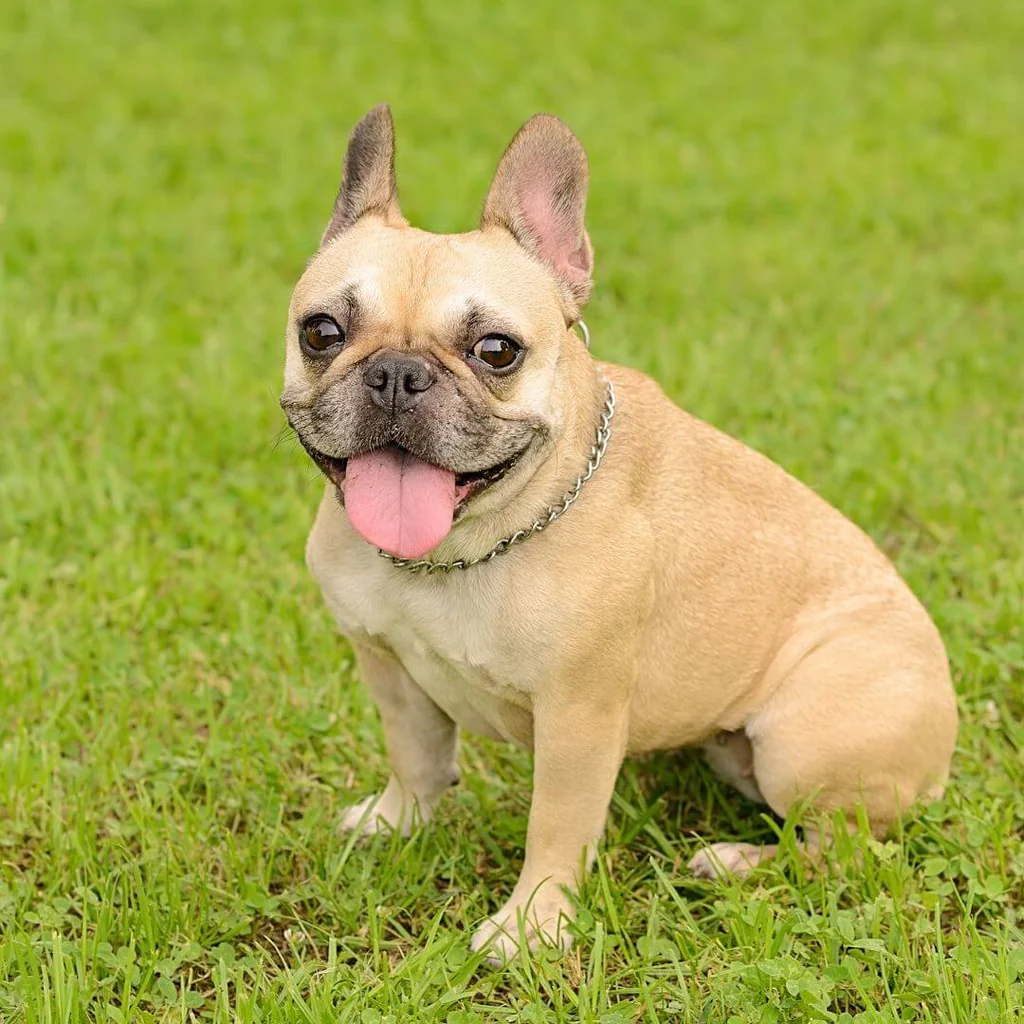
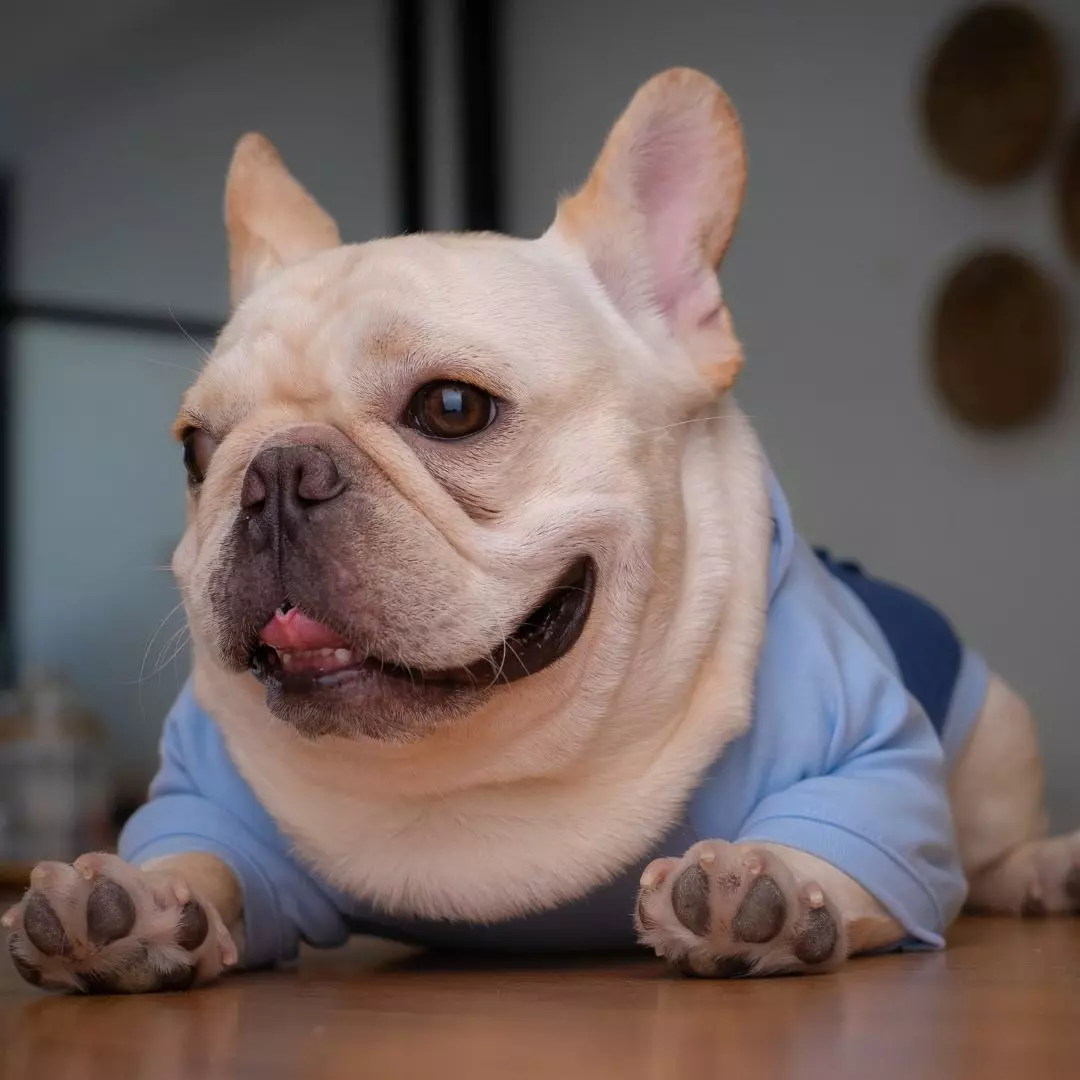
Step-by-Step Plan for Your French Bulldog Puppy

Follow these steps to ensure a smooth transition for your French Bulldog puppy and set the foundation for a happy life together.
French Bulldog Puppy Survival Guide - Step-by-Step Plan for Your French Bulldog Puppy
  • 1. Prepare Your Home: Before bringing your puppy home, puppy-proof your space. Remove any hazardous items and set up a designated space for your puppy's bed and crate.
  • 2. Gather Supplies: Buy essential items like a crate, food and water bowls, high-quality puppy food, toys, and grooming tools. Don’t forget a collar and leash for walks.
  • 3. Set Up a Routine: Establish a daily routine that includes feeding, playtime, potty breaks, and training sessions. Consistency helps your puppy feel secure.
  • 4. Start Crate Training: Introduce your puppy to the crate as a safe space. Make it a positive experience by using treats and toys. Gradually increase the time your puppy spends inside.
  • 5. Begin Housebreaking: Take your puppy outside frequently, especially after meals and naps. Praise them when they potty outside. Be patient, as housebreaking can take time.
  • 6. Socialize Your Puppy: Expose your puppy to different environments, people, and other animals to help them become well-adjusted. Puppy classes can be a great way to facilitate this.
  • 7. Implement Training Tips: Start with basic commands like sit, stay, and come. Use positive reinforcement, such as treats and praise, to encourage good behavior.
  • 8. Monitor Health: Schedule a vet visit to check your puppy's health and vaccinations. Discuss spaying/neutering options as well.
  • 9. Engage in Play: Provide plenty of playtime with toys and interaction. This not only entertains your puppy but also strengthens your bond.
  • 10. Stay Informed: Read up on French Bulldog puppy training tips and housebreaking guides to help you navigate any challenges.

Why this helps

  • Establishing a routine helps your puppy feel secure.
  • Crate training creates a safe environment for your puppy.
  • Socialization can prevent behavioral issues in the future.

Watch out for

  • ! Housebreaking can be time-consuming and requires patience.
  • ! Socialization needs to be done carefully to avoid overwhelming your puppy.
  • ! Training takes consistent effort and can be challenging at first.

Common Mistakes When Raising a French Bulldog Puppy

Raising a French Bulldog puppy can be a rewarding experience, but many new owners stumble over common pitfalls. Here are some mistakes to avoid:
French Bulldog Puppy Survival Guide - Common Mistakes When Raising a French Bulldog Puppy
  • Skipping Socialization
  • Inconsistent Training
  • Overfeeding
  • Neglecting Exercise
  • Ignoring Health Checks

Why this helps

  • Avoiding these mistakes can lead to a well-adjusted and healthy puppy.
  • Early socialization creates a confident adult dog.
  • Consistent training reinforces good behavior and strengthens your bond.

Watch out for

  • ! Skipping socialization can lead to behavioral issues later on.
  • ! Inconsistent training may confuse your puppy and make learning harder.
  • ! Overfeeding can lead to obesity and health problems, especially in a breed prone to weight issues.

Advanced Tips for Raising Your French Bulldog Puppy

While the basics of caring for a French Bulldog puppy are crucial, diving deeper into specific training and socialization strategies can set your pup up for success. Here are some advanced tips that can help you navigate the challenges that come with raising a Frenchie: 1. Positive Reinforcement with a Twist: While positive reinforcement is essential, consider adding variable rewards into your training sessions. This means sometimes rewarding your puppy with treats, and other times with praise or play. This unpredictability keeps your puppy engaged and eager to learn. 2. Utilize Crate Training Wisely: Crate training can be a game changer for housebreaking and providing your puppy with a safe space. To enhance this, try feeding your puppy in the crate or giving them special toys that are only available when they are inside. This will help them associate the crate with positive experiences. 3. Structured Socialization Experiences: French Bulldogs can be prone to anxiety if not properly socialized. Arrange controlled playdates with other dogs and expose your puppy to various environments, sounds, and people gradually. This can help lessen their fear of unfamiliar situations later in life. 4. Set a Consistent Routine: French Bulldogs thrive on routine. Establish a daily schedule for feeding, walks, playtime, and training sessions. This predictability will help your puppy feel secure and understand what is expected of them. 5. Watch for Health Signals: French Bulldogs are prone to certain health issues. Be vigilant about observing your puppy's breathing and energy levels, especially during play. If you notice any unusual symptoms, consult your vet promptly. By implementing these advanced strategies, you can ensure a smoother training process and a happier, healthier life for your French Bulldog puppy.
French Bulldog Puppy Survival Guide - Advanced Tips for Raising Your French Bulldog Puppy

Why this helps

  • Enhances training effectiveness
  • Builds a stronger bond with your puppy
  • Promotes better health and well-being

Watch out for

  • ! May require more time and patience
  • ! Could be challenging for first-time owners

A New Puppy Parent's Journey with a French Bulldog

When Sarah, a busy nurse in Los Angeles, decided to adopt a French Bulldog puppy named Bella, she felt both excitement and anxiety. As a first-time dog owner, she quickly realized that raising a puppy was more challenging than she expected. Bella was energetic and playful, but she struggled with housebreaking. Sarah tried several methods, including taking Bella outside every hour, but accidents still happened. After talking to a friend who had experience with puppies, Sarah learned about crate training. She researched the best practices for French Bulldog puppy crate training and established a routine. With patience and consistency, Bella started to understand that her crate was a safe space and a place to rest. Sarah also joined a local puppy training class, where she learned essential French Bulldog puppy training tips and socialization techniques. Over time, Bella became more comfortable around other dogs and people. Sarah documented her journey with a checklist to track Bella’s progress, which included vaccinations, training milestones, and socialization outings. Though it wasn't always easy, the bond they built through this process made it all worth it. Now, Bella is a well-adjusted member of Sarah's family, and they enjoy daily walks and playtime together.

Key takeaway: Raising a French Bulldog puppy requires patience, consistency, and a willingness to learn. Utilizing crate training and socialization classes can significantly ease the puppy-raising journey.

Frequently asked questions

How hard is it to raise a French Bulldog puppy?

Raising a French Bulldog puppy can be a bit challenging, especially due to their stubbornness and unique health needs. However, with patience and consistent training, most owners find it rewarding. The French Bulldog puppy survival guide can provide you with tips and techniques to make this journey smoother.

What do I need before bringing home a French Bulldog puppy?

Before bringing your French Bulldog puppy home, gather essential supplies like a crate, food and water bowls, puppy food, toys, and a comfortable bed. It's also wise to have a vet lined up for health checks. This preparation helps ensure a smooth transition for both you and your new puppy.

How to potty train a French Bulldog puppy?

Potty training a French Bulldog puppy involves establishing a routine and using positive reinforcement. Take your puppy outside frequently, especially after meals or naps, and reward them for doing their business outside. Consistency is key in this process to help them learn quickly.

What is the best age to start training a French Bulldog puppy?

The best age to start training a French Bulldog puppy is around 8 weeks old. Early training helps establish good habits and socialization, which is crucial for their development. Consistent and positive reinforcement works best with this breed.

How can I help my French Bulldog puppy with separation anxiety?

To help your French Bulldog puppy with separation anxiety, gradually get them used to being alone by leaving them for short periods and increasing the time as they adjust. Providing them with a safe space, like a crate, and engaging toys can also help ease their anxiety.

What should I include in my French Bulldog puppy first-year checklist?

Your French Bulldog puppy first-year checklist should include vaccinations, regular vet check-ups, training milestones, socialization opportunities, and a consistent feeding schedule. Don't forget important supplies like a crate, toys, and grooming tools.

How do I know if my French Bulldog puppy is properly house trained?

You can tell your French Bulldog puppy is properly house trained when they reliably go outside to relieve themselves and show signs like whining or going to the door when they need to go out. Patience and consistency during the training process are key.

What are common behavior issues in French Bulldog puppies, and how can I address them?

Common behavior issues in French Bulldog puppies include chewing, barking, and jumping. These can be addressed through consistent training, providing appropriate toys for chewing, and teaching commands to curb excessive barking. Early intervention can help prevent these behaviors from becoming habits.

What supplies do I need before bringing home a French Bulldog puppy?

Before welcoming your French Bulldog puppy, gather essential supplies like a crate, food and water bowls, puppy food, toys, and a comfortable bed. Don’t forget to pick up a collar and leash for walks, along with training pads for housebreaking.

How hard is it to raise a French Bulldog puppy?

Raising a French Bulldog puppy can be challenging due to their stubbornness, but with patience and consistency, you can overcome this. Their playful nature makes training fun, but be prepared for some resistance, especially during potty training and learning commands.

How do I potty train a French Bulldog puppy effectively?

To potty train your French Bulldog puppy, establish a routine by taking them outside frequently, especially after eating, drinking, or waking up. Praise and reward them when they go outside, and use a consistent command like 'go potty' to reinforce the behavior.

What are the best socialization practices for a French Bulldog puppy?

Socializing your French Bulldog puppy is crucial for their development. Introduce them to various environments, people, and other animals gradually. Positive experiences during their early months will help them grow into well-adjusted adults.

What should I include in a French Bulldog first year checklist?

A French Bulldog first year checklist should include vaccinations, scheduled vet check-ups, training milestones, and essential supplies. Regularly update their diet and exercise plan as they grow to ensure they stay healthy and happy.

How can I create a daily routine for my French Bulldog puppy?

Creating a daily routine for your French Bulldog puppy should involve consistent feeding times, regular potty breaks, scheduled playtime, and training sessions. This structure helps them feel secure and aids in their overall development.

What common challenges do French Bulldog puppies face during the first year?

French Bulldog puppies may face challenges like separation anxiety, difficulty in potty training, and socialization issues. Being aware of these challenges and addressing them with patience and proper training can make the first year smoother.

Quick answers

View more answers
Living

What to expect in the first week with a French Bulldog puppy?

In the first week, your French Bulldog puppy will likely be adjusting to their new environment. Expect some initial anxiety and require frequent bathroom breaks, along with lots of cuddling and playtime to help them settle in.

Living

What is a daily routine for a French Bulldog puppy?

A typical daily routine for a French Bulldog puppy includes regular feeding times, potty breaks, short walks, and play sessions. Establishing a consistent schedule will help them feel secure and promote good behavior.

Living

What do I need before bringing home a French Bulldog puppy?

Before bringing home a French Bulldog puppy, ensure you have a crate, food and water bowls, puppy food, toys, and a comfortable space for them to sleep.

Training

How to potty train a French Bulldog puppy?

To potty train a French Bulldog puppy, establish a regular feeding schedule, take them outside frequently, and reward them for doing their business outside.

Related DogBreedCompass guides

  • French Bulldog breed guideLearn more about the breed to understand their specific needs.
  • French Bulldog cost breakdownGet insights on the costs associated with owning a French Bulldog.
  • French Bulldog separation anxiety guideUnderstand how to help your French Bulldog cope with separation anxiety.
  • French Bulldog puppy training tipsCheck out tips for training your French Bulldog puppy effectively.
  • French Bulldog first year checklistFollow a checklist to ensure you have everything for your new puppy.

Trusted external resources

Important reminder

This guide is not medical advice. If your dog shows pain, sudden behavior change, or worsening symptoms, consult a licensed veterinarian.

Some links may be affiliate links. We may earn a commission at no extra cost to you. We only suggest products we believe are helpful for dog owners.

Want more tailored help?

Take the Lifestyle Match quiz to see which breeds and guides best fit your day-to-day life.

Take the quiz

More guides you might like

Find your match

Not sure which breed is right for you? Take our 2-minute quiz to find out.

Take the quiz