Bichon Frise vs Poodle: Choosing the Best Breed for You
Deciding between a Bichon Frise and a Poodle? This guide breaks down their key differences, helping you choose the best furry friend for your family. (bichon frise vs poodle)
Bichon Frise vs Poodle: Choosing the Right Fluffy Companion
When considering a new dog, many potential owners find themselves caught between the Bichon Frise and the Poodle. Both breeds are known for their hypoallergenic coats, playful personalities, and adorable looks. This guide delves deep into the comparison of Bichon Frise vs Poodle, helping you understand which breed might be the better fit for your lifestyle.
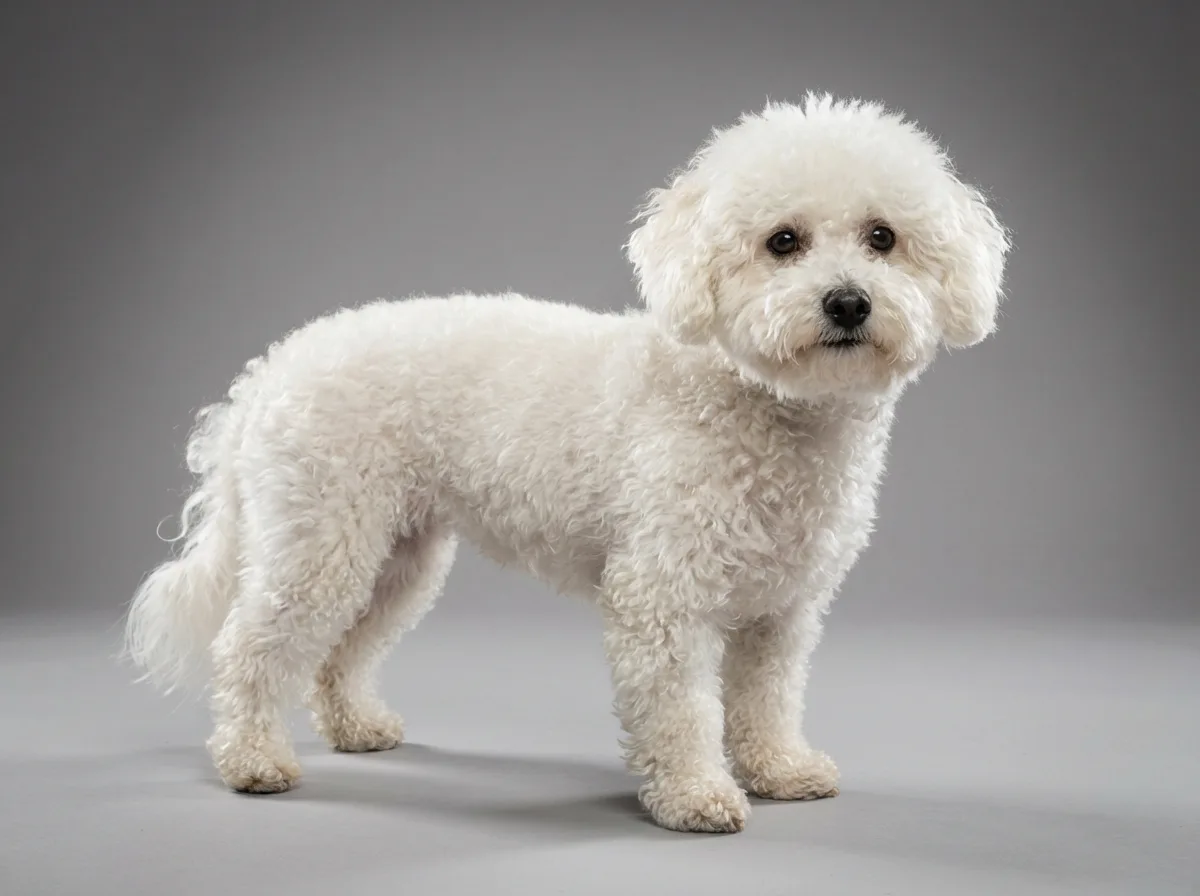
Understanding the differences between these two breeds is essential for any dog owner. The Bichon Frise is small, cheerful, and often described as a "clown" of the dog world. They are typically friendly, easy-going, and love to be around people. On the other hand, Poodles come in three sizes: Toy, Miniature, and Standard, offering more options for potential owners. They are known for their intelligence and adaptability, making them suitable for various living situations.
Why does this matter? Choosing the right breed affects your daily life, from grooming needs to exercise requirements. If you have young children, you might wonder which makes a better family dog: the Bichon or the Poodle. Each breed has its unique traits, and understanding these can help you make an informed decision. Additionally, both breeds are considered hypoallergenic, which can be a big plus for families with allergies.
In this guide, we will explore the characteristics of each breed, including their temperaments, grooming needs, and health issues. We'll also provide insights into their suitability for different families and living environments. You'll learn about their exercise needs, how they interact with children and other pets, and what to expect regarding training.
Ultimately, the choice between a Bichon Frise and a Poodle should be based on your lifestyle, preferences, and what you seek in a furry friend. By the end of this guide, you should have a clearer picture of which breed aligns with your expectations and living situation. Whether you prioritize a playful companion or a highly trainable dog, understanding the Bichon Frise vs Poodle will empower you to make a decision that leads to a happy home for you and your new pet.
Step-by-Step Guide to Choosing Between Bichon Frise and Poodle
Deciding between a Bichon Frise and a Poodle can be challenging. Here’s a practical step-by-step plan to help you make the best choice for your family.
- 1. Research the Breeds: Start by learning about the characteristics of both Bichon Frise and Poodles. Focus on their temperaments, sizes, and exercise needs.
- 2. Assess Your Living Situation: Consider your home environment. Do you have enough space for a medium-sized Poodle, or is a smaller Bichon a better fit?
- 3. Evaluate Your Family's Lifestyle: Think about your family dynamics. Are you looking for a playful companion for kids? Poodles can be more energetic, while Bichons are often more laid-back.
- 4. Consider Allergies: If anyone in your household has allergies, both breeds are hypoallergenic. However, check how each breed affects your family specifically.
- 5. Visit Local Breeders or Shelters: Spend time with both breeds. Interacting with them can give you a real feel for their personalities.
- 6. Review Grooming Needs: Understand the grooming requirements for both breeds. Poodles need regular professional grooming, while Bichons require consistent brushing.
- 7. Calculate Ownership Costs: Consider the costs of food, grooming, and vet care. Poodles may have higher grooming expenses than Bichons.
- 8. Talk to Current Owners: Reach out to owners of both breeds to get insights. They can share their experiences and tips.
- 9. Make a Decision: After gathering all the information, weigh the pros and cons. Choose the breed that best matches your lifestyle and preferences.
- 10. Prepare Your Home: Once you've decided, get your home ready for your new furry friend. Purchase necessary supplies like food, toys, and grooming tools.
Common Mistakes in Choosing Between Bichon Frise and Poodle
Choosing between a Bichon Frise and a Poodle can be challenging. Here are some common mistakes owners make when deciding on these breeds and why they can backfire.
- Not considering grooming needs
- Underestimating energy levels
- Ignoring health issues
- Assuming all dogs are hypoallergenic
- Choosing based on looks alone
- Neglecting training and socialization
- Overlooking compatibility with family
Common Myths vs. Facts: Bichon Frise vs. Poodle
When deciding between a Bichon Frise and a Poodle, it's important to separate fact from fiction. Here are some common myths and the truths behind them.
- Myth: Bichon Frises are not hypoallergenic.
- Fact: Bichon Frises are indeed considered hypoallergenic due to their curly coat, which helps trap dander and allergens.
- Myth: Poodles are high maintenance and difficult to groom.
- Fact: While Poodles do require regular grooming, many owners find it manageable with a good grooming routine.
- Myth: Bichon Frises are better for families than Poodles.
- Fact: Both breeds can be great family dogs, but their suitability often depends on the family's lifestyle and needs.
- Myth: Poodles are always larger than Bichon Frises.
- Fact: Poodles come in three sizes (Standard, Miniature, and Toy), so size varies depending on the Poodle type.
Advanced Tips for Choosing Between Bichon Frise and Poodle
When it comes to the bichon frise vs poodle debate, understanding the nuances can help you make a more informed choice. Here are some advanced tips to consider that go beyond the basics of breed characteristics.
Insider Secrets: Bichon Frise vs Poodle
When comparing the Bichon Frise and Poodle, there are some lesser-known insights that can help you make the best decision. Here are key expert tips to consider when choosing between these two popular breeds.
- Bichon Frises are known for their cheerful demeanor, but they may also have a stubborn streak. Early training and socialization are crucial for them to thrive.
- Poodles, especially Standard Poodles, often outperform Bichon Frises in intelligence and trainability. They excel in obedience and agility training.
- Both breeds are hypoallergenic, but Poodles tend to have a more consistent coat that requires less grooming than the Bichon Frise's curly fur, which can mat easily.
- Bichon Frises may be more adaptable to apartment living due to their small size, but they still need regular exercise to manage their energy levels.
- The health of both breeds varies; Poodles often have fewer genetic issues, while Bichons may suffer from skin allergies and dental problems, making regular vet check-ups essential.
Bichon Frise vs Poodle Decision Checklist
Use this checklist to evaluate whether a Bichon Frise or a Poodle is the right dog for you and your family. Consider your lifestyle, preferences, and the specific needs of each breed.
- Assess your living space: Is it suitable for a small breed?
- Consider family dynamics: Do you have young children or other pets?
- Evaluate allergies: Are you looking for a hypoallergenic dog?
- Research grooming needs: Are you prepared for regular grooming sessions?
- Check activity levels: Do you have time for daily walks and playtime?
- Think about training: Are you ready to train a potentially more intelligent dog?
- Review health factors: Are you aware of breed-specific health issues?
Frequently asked questions
Which is smarter, Bichon or Poodle?
Poodles are generally considered to be smarter than Bichons. They consistently rank among the top breeds for intelligence and trainability. Bichons can be trained, but they may take a bit more patience. This answer relates to bichon frise vs poodle.
Do Bichons shed more than Poodles?
Bichons and Poodles are both low-shedding breeds, making them great for allergy sufferers. However, Poodles tend to shed even less than Bichons. This makes the Poodle the better option if minimal shedding is a priority.
What is the healthiest breed, Bichon or Poodle?
Both breeds have their health challenges. Bichons may face issues like allergies and dental problems, while Poodles can have hip dysplasia or eye disorders. Regular vet check-ups and proper care can help manage these risks.
Are Bichons or Poodles better for families?
Both Bichons and Poodles can be good family dogs, but it may depend on your lifestyle. Bichons are known for their playful and affectionate nature, while Poodles can be more energetic and require more exercise. Consider your family's energy level when choosing.
How do Bichons and Poodles compare in grooming needs?
Both breeds require regular grooming to maintain their coats. Poodles need professional grooming every 4-6 weeks, while Bichons may only need grooming every 6-8 weeks. If grooming is a concern, consider the time and money involved.
What are the main differences in temperament between Bichons and Poodles?
Bichon Frises are known for their cheerful and playful nature. They often enjoy being around people and can be quite affectionate. Poodles, on the other hand, are intelligent and can be more reserved, making them great for training and activities, but they might take a bit longer to warm up to new people.
Which breed is better for apartment living, Bichon or Poodle?
Both breeds can adapt well to apartment living due to their size. Bichons are generally more laid-back and might be a better fit for a quieter environment. Poodles, especially Toy Poodles, also thrive in smaller spaces but require more mental stimulation to prevent boredom.
How do grooming needs compare for Bichons and Poodles?
Both Bichon Frises and Poodles require regular grooming to maintain their coats. Bichons need grooming every 4-6 weeks, while Poodles may need more frequent grooming, particularly if they have a thicker coat. Regular brushing at home is essential for both to prevent matting.
Are there any significant health issues to be aware of for Bichons and Poodles?
Bichon Frises are prone to skin issues and allergies, while Poodles may face hip dysplasia and certain eye problems. It's important to stay proactive with vet visits and discuss breed-specific health concerns with your veterinarian.
Which breed is easier to train, Bichon or Poodle?
Poodles are often considered easier to train due to their high intelligence and eagerness to please. Bichon Frises can be trained, but they may require more patience and consistency, as they can be a bit stubborn at times.
Can Bichons or Poodles be good therapy dogs?
Yes, both breeds can make excellent therapy dogs. Bichons are friendly and sociable, making them great for comforting people. Poodles, with their intelligence and calm demeanor, can also excel in therapy settings, especially when trained properly.