The Best Dog Breed for Allergy Sufferers: Your Guide to Low Dander Companions
Are you an allergy sufferer dreaming of having a dog? This guide will help you discover the best dog breeds for allergy sufferers, making your pet dreams come true!
Finding the Best Dog Breed for Allergy Sufferers
Choosing the best dog breed for allergy sufferers is crucial for creating a happy home. Many people love dogs but struggle with allergies triggered by pet dander. Fortunately, some dog breeds are known to produce less dander and are often considered more suitable for allergy sufferers.
Understanding which dog breeds are the best fit for those with allergies can improve your quality of life. It's important to note that no breed is entirely hypoallergenic, but some breeds produce fewer allergens than others. Low dander dogs, such as the Portuguese Water Dog or the Soft-Coated Wheaten Terrier, are often recommended for individuals with allergies. Their unique coat types help minimize shedding and dander, making them a better choice.
Managing dog allergies involves more than just choosing the right breed. Regular grooming, cleaning, and specific lifestyle adjustments can help reduce allergic reactions. For instance, bathe and brush your dog regularly to remove loose hair and dander. Additionally, creating an allergen-free zone in your home can provide a safe space for allergy sufferers.
This guide will explore the best dog breeds for allergy sufferers, including tips on managing dog allergies effectively. You'll learn about the characteristics of low dander dogs, which breeds are best suited for those with allergies, and how to maintain a harmonious environment with your furry friend. Armed with this knowledge, you can make a well-informed decision about bringing a dog into your life, ensuring your new companion fits seamlessly into your home without triggering your allergies.
Step-by-Step Plan for Choosing the Best Dog Breed for Allergy Sufferers
Follow these steps to find the best dog breed for allergy sufferers and ensure a comfortable living environment for everyone in your household.
- Research hypoallergenic dog breeds.
- Visit shelters or breeders to meet potential dogs.
- Consider your lifestyle and living situation.
- Consult with an allergist or veterinarian.
- Prepare your home for a new dog.
- Test for allergies before bringing a dog home.
- Adopt or purchase the right dog for your needs.
Common Mistakes When Choosing the Best Dog Breed for Allergy Sufferers
Choosing the right dog breed for allergy sufferers can be tricky. Many owners make common mistakes that can lead to discomfort or disappointment. Here are some of the most frequent pitfalls to avoid.
- Ignoring Individual Reactions: Every person reacts differently to dog allergens. Just because a breed is labeled 'hypoallergenic' doesn't mean it won't trigger allergies in everyone. Always spend time with a dog before bringing it home to see how you react.
- Underestimating Grooming Needs: Some low dander dogs require regular grooming to minimize allergens. Neglecting grooming can lead to increased shedding and dander in your home. Make sure you're prepared for the grooming routine required for your chosen breed.
- Choosing Based on Looks Alone: While it's easy to be drawn to a breed's appearance, it's essential to consider their temperament and care needs. A beautiful dog that doesn’t fit your lifestyle can lead to frustration and affect your allergy management.
- Assuming All Small Dogs Are Hypoallergenic: Many allergy sufferers assume that smaller breeds are better for allergies. However, some small dogs, like certain terriers, can produce more allergens than larger breeds. Research specific breeds thoroughly before deciding.
- Neglecting Home Environment: Your living space can impact your allergy management. If you choose a breed known for low dander but have a small apartment with little ventilation, you may still struggle with allergens. Consider both the dog and your environment.
- Failing to Use Allergy Management Techniques: Many owners overlook the importance of using air purifiers and regular cleaning to manage allergens. These tools are crucial in keeping your home comfortable for allergy sufferers.
- Not Consulting With Allergists: Some people make decisions about dog breeds without consulting a medical professional. It's important to get personalized advice from an allergist about which breeds might work best for you.
Myths vs. Facts About Dog Allergies
Many people believe common myths about dog allergies that can lead to confusion. Here are some prevalent myths and the facts that debunk them.
- Myth: All dogs cause allergies.
- Myth: Hypoallergenic dogs don't shed at all.
- Myth: Hypoallergenic breeds are always the best choice.
- Myth: You can't live with a dog if you have allergies.
- Myth: Doodles are completely hypoallergenic.
Advanced Tips for Choosing the Best Dog Breed for Allergy Sufferers
If you’re looking to go deeper in your quest for the best dog breed for allergy sufferers, here are some advanced tips to consider. These strategies will help you better manage allergies while enjoying the companionship of a dog.
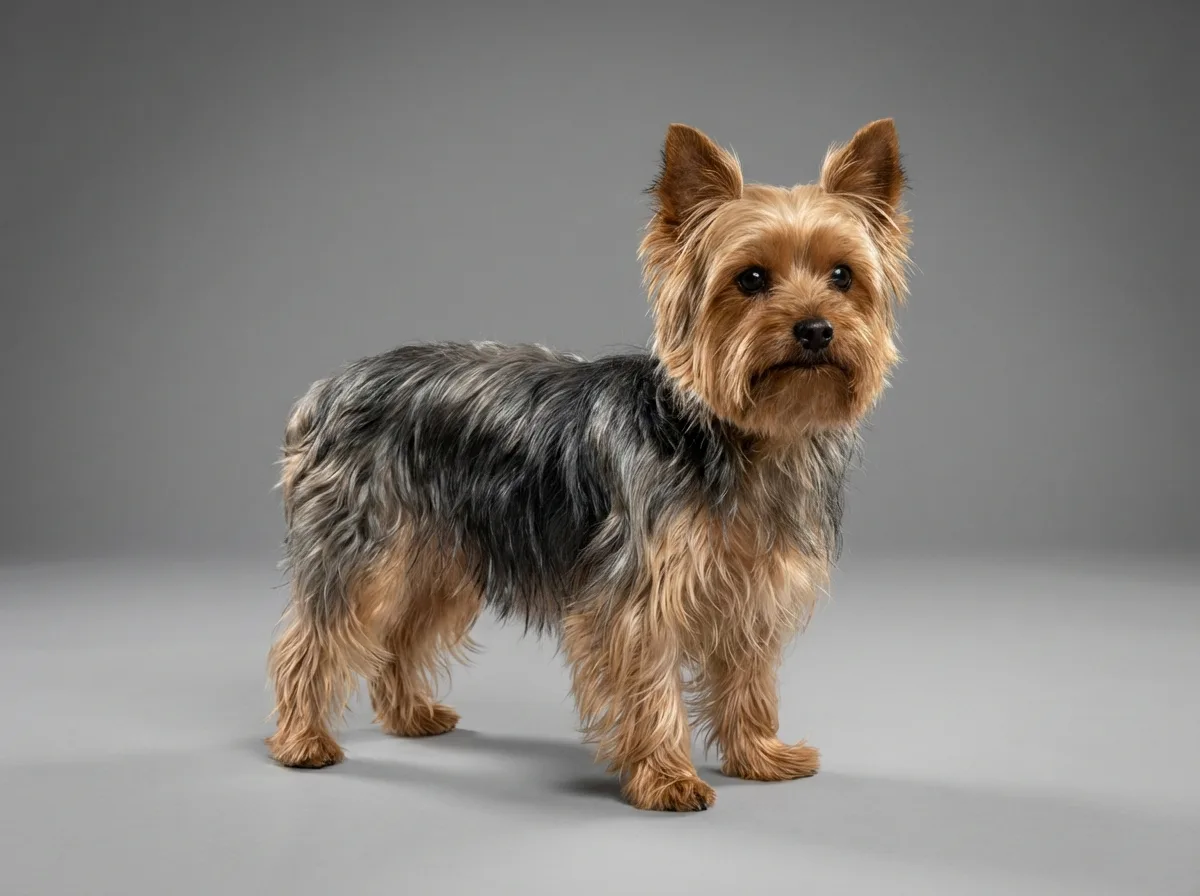
- Consider Dog Size and Coat Type: Smaller dogs with hair instead of fur often produce less dander. Breeds like the Yorkshire Terrier or Soft-Coated Wheaten Terrier might be ideal.
- Regular Grooming: Frequent brushing and bathing can help reduce allergens in your home. Establish a grooming routine, ideally done outside to limit dander indoors.
- Air Filtration Systems: Investing in HEPA air purifiers can significantly reduce airborne allergens, creating a healthier environment for both you and your dog.
- Choose Low-Dander Breeds: While no dog is completely hypoallergenic, breeds like the Portuguese Water Dog or Poodle are known to produce less dander and may suit allergy sufferers better.
- Consult an Allergist: Before bringing a dog home, it’s wise to consult with an allergist. They can provide personalized advice and allergy management tips.
Insider Secrets for Choosing the Best Dog Breed for Allergy Sufferers
Navigating dog ownership with allergies doesn't have to be overwhelming. Here are some insider secrets that can help you find the best dog breed for allergy sufferers and enjoy a happy, healthy relationship with your furry friend.
- Consider adopting a mixed breed: Sometimes, mixed breeds can have lower allergenic properties than purebreds. They may inherit the desirable traits from both breeds, making them a better fit for allergy sufferers.
- Bathe and groom regularly: Regular grooming and bathing can significantly reduce dander and allergens. Aim for at least once a week, and consider using wipes designed to reduce allergens.
- Invest in air purifiers: High-efficiency particulate air (HEPA) purifiers can help filter out pet dander, keeping your home environment more comfortable for allergy sufferers.
- Watch for food allergies: Some dogs can develop food allergies that may exacerbate dander production. Pay attention to any changes in your dog's skin or coat and consult your vet if you notice issues.
- Meet the dog first: Before bringing a dog home, spend time with them in a controlled environment. This can help you gauge your allergic reactions and ensure compatibility.
Checklist for Choosing the Best Dog Breed for Allergy Sufferers
Use this checklist as a guide to find the best dog breed that fits your allergy management needs.
- Research low dander dog breeds like the Portuguese Water Dog, Soft Coated Wheaten Terrier, and Yorkshire Terrier.
- Consider your lifestyle and living environment. Will your dog have enough space to play?
- Meet potential dog breeds to see if you have any allergic reactions before making a decision.
- Ask about the dog's grooming needs. Regular grooming can help reduce allergens.
- Consult with your doctor or allergist to discuss your specific allergies and how a dog might fit into your life.
- Look for hypoallergenic family dogs that are known to produce fewer allergens.
- Be prepared to manage dog allergies with regular cleaning and vacuuming.
- Consider adopting from a shelter or rescue, as they may have information on the dog's allergy compatibility.
- Create a designated dog-free zone in your home for relief when needed.
- Educate your family on proper dog handling to minimize allergy triggers.
Frequently asked questions
What is the best dog breed for allergy sufferers?
The best dog breed for allergy sufferers typically includes breeds known for having low dander. Breeds like the Portuguese Water Dog, Soft-Coated Wheaten Terrier, and Yorkshire Terrier are often recommended. These breeds tend to produce fewer allergens, making them suitable for those with allergies.
Can allergy sufferers live with dogs?
Yes, many allergy sufferers can live with dogs if they choose the right breed. It’s important to select low-dander breeds and implement strategies to manage dog allergies. Regular grooming, cleaning, and creating pet-free zones in the home can help reduce allergic reactions.
Which small dogs are best for allergies?
Small dogs that are often recommended for allergy sufferers include the Yorkshire Terrier and the Maltese. These breeds are known for their low-shedding coats and less dander, making them more manageable for those with allergies.
Are doodles hypoallergenic?
Doodles, such as Labradoodles and Goldendoodles, are often marketed as hypoallergenic. While they may produce less dander and shedding, it’s essential to note that no dog is completely hypoallergenic. Individual reactions can vary, so spending time with a breed before adopting is advisable.
What are the worst dogs for allergies?
The worst dogs for allergies typically include breeds that shed a lot and have long fur, such as Golden Retrievers and German Shepherds. These breeds can produce more dander and allergens, which might trigger allergy symptoms in sensitive individuals.
How can I manage dog allergies?
Managing dog allergies involves a combination of choosing the right breed and taking preventive measures. Regular grooming, cleaning bedding and carpets, and using air purifiers can help reduce allergens in the home. Talking to an allergist can also provide personalized strategies.
Can I train my dog to reduce allergens in my home?
While you can't completely train a dog to be allergen-free, you can teach them commands to stay off furniture or specific areas. Regular grooming and cleaning can also help minimize dander and allergens. Consistent training combined with good hygiene practices can make a big difference.
Are there specific care tips for dogs that are good for allergy sufferers?
Yes, there are several care tips that can help. Regular bathing and grooming can significantly reduce dander. Additionally, using air purifiers, washing dog bedding frequently, and vacuuming with HEPA filters can help keep allergens in check.
Which small dogs are best for allergies?
Some of the best small dogs for allergies include the Yorkshire Terrier and the Maltese. These breeds are known for having lower dander and are often recommended for allergy sufferers. Always spend time with a breed before bringing one home to see how your allergies react.
Are doodles hypoallergenic?
Doodles, such as Goldendoodles and Labradoodles, are often marketed as hypoallergenic due to their low-shedding coats. However, individual reactions can vary, so it’s essential to spend time with the breed before deciding. Regular grooming is necessary to maintain their coat and minimize allergens.
What is the worst dog breed for allergies?
Breeds like Bulldogs and Saint Bernards are often listed among the worst dogs for allergies due to their heavy shedding and high dander levels. If you're sensitive to allergens, it’s best to avoid these breeds. Always consider individual allergies, as reactions can vary from person to person.
Can allergy sufferers live with dogs?
Yes, many allergy sufferers can successfully live with dogs. Choosing the right breed, maintaining a clean environment, and following specific care routines can help manage symptoms. It's important to consult with an allergist for tailored advice before making a decision.
What are some low dander dog breeds to consider?
Low dander dog breeds to consider include the Portuguese Water Dog and the Soft-Coated Wheaten Terrier. These breeds are known for producing fewer allergens, making them more suitable for allergy sufferers. Always spend time with the breed to ensure compatibility with your allergies.