Looking for a dog that embraces relaxation? This guide explores the best calm dog breeds, perfect for creating a serene home environment.
This guide is perfect for first-time dog owners, families, or anyone living in a small space like an apartment. If you prefer a peaceful home and want a dog that matches your calm demeanor, you’ll find valuable insights here. Busy professionals or individuals seeking a less demanding pet will also benefit from understanding which breeds are naturally more relaxed.
Many people underestimate how a dog's energy level can impact daily life. Choosing from the best calm dog breeds can lead to a more harmonious household, especially for those with anxiety or hectic schedules. Understanding the characteristics of gentle dog breeds helps prevent mismatched expectations and fosters a positive relationship between you and your furry friend.
Understanding the Best Calm Dog Breeds
A calmer dog can suit a quieter home, but low-key behavior is not the same as having no exercise or training needs. Breed tendencies, age, socialization, and the individual dog all matter. Consider daily walks, enrichment, grooming, visitors, children, and other pets before deciding. Meet the dog in a realistic setting and plan a routine that supports both physical activity and rest.
Step-by-Step Guide to Finding the Best Calm Dog Breeds
If you're looking for the best calm dog breeds, follow these steps to find the perfect match for your lifestyle. These gentle dog breeds can bring peace and companionship to your home.
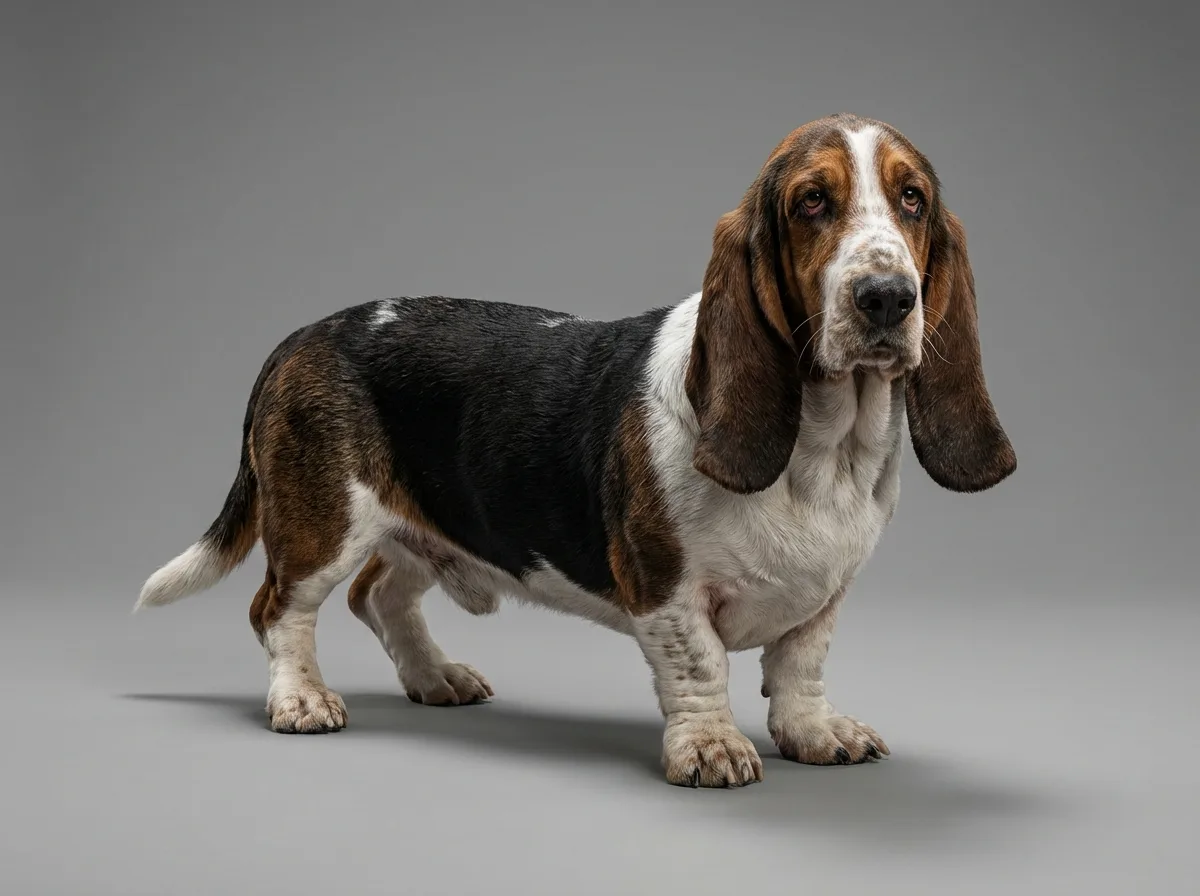
Basset Hound - Step-by-Step Guide to Finding the Best Calm Dog Breeds
1. Research Calm Breeds: Start by learning about dog breeds known for their calm demeanor. Look into breeds like Greyhounds, Great Danes, and Basset Hounds.
These breeds are often considered low energy and gentle.
2. Assess Your Living Situation: Consider your home environment. If you live in an apartment, you'll want to look for relaxed dogs that do well in smaller spaces.
Think about how much room they will need to feel comfortable.
3. Determine Your Activity Level: Reflect on your daily routine. If you prefer a quieter lifestyle, choose low energy dog breeds that require less exercise.
Consider how much time you can dedicate to walks and playtime.
4. Visit Local Shelters or Breeders: Spend time meeting different dogs. This will help you see their personalities in person.
Look for relaxed dogs that seem calm and friendly. Ask questions about their behavior and needs.
5. Consider the Size of the Breed: Think about how much space your chosen breed will need. Larger calm dog breeds may require more room to move around.
Make sure you have enough space for their comfort.
6. Evaluate Potential Health Issues: Research health concerns common in the breeds you're considering. Some gentle dog breeds may be prone to specific health issues.
Be prepared for potential veterinary costs.
7. Plan for Training: Calm dogs still need training. Look into obedience classes or training resources.
This will help you establish good behavior and a strong bond with your new friend.
8. Create a Comfortable Home: Prepare your home for your new dog. Set up a cozy space with a comfortable bed and toys.
Make sure your home is safe and dog-friendly.
9. Monitor Their Behavior: Once you bring your dog home, observe their behavior closely. Make adjustments as needed to ensure they feel safe and relaxed.
Be patient as they settle in.
10. Enjoy Your Calm Companion: Build a routine that includes quiet time together. Enjoy leisurely walks and cuddles.
A calm dog can be a wonderful addition to your life.
Why this helps
✓ Calm dogs are usually great for families and individuals.
✓ They often adapt well to apartment living.
✓ Lower exercise needs make them easier to care for.
Watch out for
! Some calm breeds may have health issues.
! They still require training and socialization.
! Finding the right breed may take time.
Common Mistakes When Choosing the Best Calm Dog Breeds
Choosing the best calm dog breeds can be a fulfilling journey, but it’s essential to avoid common pitfalls. Here are some mistakes that many dog owners make, along with why they can lead to problems.
Basset Hound - Common Mistakes When Choosing the Best Calm Dog Breeds
Ignoring breed characteristics
Assuming all calm dogs are low maintenance
Neglecting socialization needs
Underestimating exercise requirements
Failing to consider health issues
Choosing based solely on appearance
Overlooking training needs
Myths vs. Facts About Calm Dog Breeds
There are many misconceptions about the best calm dog breeds. Let's debunk some common myths and set the record straight.
Basset Hound - Myths vs. Facts About Calm Dog Breeds
Myth: All calm dog breeds are lazy.
Myth: Gentle dogs do not need exercise.
Myth: Quiet dogs don't bond with their owners.
Myth: Low energy dog breeds are not good for families.
Myth: All large calm dog breeds are aggressive.
Advanced Tips for Choosing the Best Calm Dog Breeds
If you're looking to dive deeper into selecting the best calm dog breeds, consider these advanced tips. These insights will help you understand more about a dog's temperament, needs, and how to foster a peaceful environment for both you and your new companion.
First, spend time with potential breeds before making a decision. This can be done through breed-specific meetups or local shelters. Observing dogs in a relaxed setting can give you a better sense of their energy levels and personalities.
Second, think about the dog's early socialization experiences. Dogs that are well-socialized tend to be calmer and more adaptable. Look for puppies or adult dogs that have had positive interactions with various people, environments, and other animals.
Third, consider the dog's background. Rescued dogs may come with baggage, but many are simply looking for a calm home. Understanding a dog's history can help you gauge their behavior and needs.
Some breeds, like Greyhounds or Basset Hounds, typically have calmer temperaments, so they might be a good fit for your lifestyle.
Fourth, create a calming environment at home. Dogs thrive in spaces that feel secure and relaxed. Use soft bedding, provide a quiet area for them to retreat to, and consider using calming aids like pheromone diffusers or calming music designed for dogs.
Lastly, stay consistent with training and routines. Calm dogs often benefit from structure and predictability. Establishing a daily routine for feeding, walks, and playtime can help your dog feel secure and reduce anxiety.
Basset Hound - Advanced Tips for Choosing the Best Calm Dog Breeds
Why this helps
✓ Promotes better understanding of individual dog needs
✓ Enhances the likelihood of a successful adoption
✓ Creates a more peaceful home environment
Watch out for
! May require additional time and effort
! Could limit options to specific breeds or backgrounds
! Requires ongoing commitment to training and socialization
How to Evaluate a Calmer Household Match
Look beyond a low-energy label. Ask how the individual dog behaves after exercise, around visitors, in new places, and during quiet time. Confirm the daily activity, enrichment, grooming, and training needs your household can meet consistently.
Great Dane - How to Evaluate a Calmer Household Match
Temperament Trumps Breed: While certain breeds are known for their calm nature, each dog is unique. Spend time with individual dogs before deciding.
Early Socialization Matters: Exposing puppies to various environments and experiences early on can promote a more relaxed demeanor in adulthood.
Consider Health Factors: Some breeds may have health issues that affect their behavior. For instance, pain can lead to anxiety, so always consider the health history of the breed.
Quiet, Not Lazy: Calm dogs can still be playful. Look for breeds that enjoy gentle play rather than those that are entirely sedentary.
Adoption Options: Shelters often have calmer adult dogs that are fully trained and ready for a quiet home. Consider adopting instead of buying.
Why this helps
✓ Individual temperament can lead to better matches for families.
✓ Socialization enhances calmness and adaptability.
✓ Understanding health issues helps prevent future behavior problems.
✓ Calm dogs can still participate in fun activities.
✓ Adopting can be a rewarding experience for both you and the dog.
Watch out for
! Temperament can be unpredictable, even within a breed.
! Socialization requires time and effort from the owner.
! Health issues may not be immediately apparent.
! Some calm dogs may not engage as much in play.
! Adoption may involve a lengthy process and can be competitive.
Checklist for Choosing the Best Calm Dog Breeds
Use this checklist to find the best calm dog breeds that fit your lifestyle and needs. These steps will help ensure you choose a relaxed dog that suits your home environment.
Great Dane - Checklist for Choosing the Best Calm Dog Breeds
Research different breeds known for their calm demeanor, such as Greyhounds and Basset Hounds.
Consider your living situation: do you have enough space for a larger breed like a Great Dane?
Evaluate your activity level: choose a breed that matches your energy, such as a low energy dog breed.
Check breed-specific resources for behavioral traits and care requirements.
Visit local shelters or breeders to meet potential dogs in person.
Ask about the dog's history and temperament to ensure it’s a good fit.
Consider adopting an older dog, as they are often calmer than puppies.
Think about your household dynamics: are there young children or other pets?
Create a calm environment at home with designated quiet spaces for your dog.
Plan for training sessions focused on socialization and relaxation.
Why this helps
✓ Helps you select a dog that fits your lifestyle perfectly.
✓ Increases the chances of a harmonious home environment.
✓ Reduces the likelihood of behavioral issues related to anxiety or hyperactivity.
Watch out for
! May require time and effort to research and find the right breed.
! Some calm breeds might still need regular exercise and mental stimulation.
! Adopting an older dog can come with unknown health issues.
Frequently asked questions
What is the calmest dog breed?
The calmest dog breed is often considered to be the Greyhound. Despite their racing background, Greyhounds are surprisingly gentle and enjoy lounging around. They make excellent companions for those looking for a relaxed pet.
This answer relates to best calm dog breeds.
Which dogs are best for anxiety?
Gentle dog breeds like the Basset Hound and Great Dane are known for their calm demeanor, making them suitable for individuals with anxiety. Their relaxed nature can be comforting, providing a sense of security. Additionally, these breeds typically enjoy quiet environments.
Are there large calm dog breeds?
Yes, there are several large calm dog breeds, including the Great Dane and the Mastiff. These breeds are known for their gentle and relaxed temperament, making them great companions for families and individuals alike. They usually prefer a more laid-back lifestyle.
What are some low energy dog breeds?
Low energy dog breeds include the Basset Hound, Shih Tzu, and Cavalier King Charles Spaniel. These breeds typically require less exercise and are content with short walks and plenty of rest. They can be perfect for owners who prefer a more relaxed pace of life.
What are the best calm dogs for apartments?
Some of the best calm dogs for apartments include the French Bulldog, Pug, and Cavalier King Charles Spaniel. These breeds tend to be smaller and have lower energy levels, making them suitable for living in smaller spaces. They appreciate a cozy environment and are usually quiet.
What are some quiet dog breeds?
Quiet dog breeds include the Shih Tzu and the Basenji. These breeds are less likely to bark excessively, making them ideal for quieter living environments. Their calm demeanor can make them excellent companions for those seeking a peaceful home.
How do I choose a calm dog breed for my family?
When choosing a calm dog breed for your family, consider your lifestyle and living situation. Look for breeds that match your energy level and home environment. Meeting the dog in person can also help you gauge their temperament.
Can calm dog breeds be trained easily?
Calm dog breeds are often easier to train due to their relaxed nature. They tend to be more receptive to commands and less prone to distractions. However, consistent training and positive reinforcement are essential for any dog, regardless of breed.
What are some common traits of relaxed dogs?
Common traits of relaxed dogs include a gentle demeanor, low energy levels, and a preference for lounging over playing. They often enjoy quiet environments and can be great companions for people with a more laid-back lifestyle. These traits make them suitable for apartment living and families with young children.
This guide is not medical advice. If your dog shows pain, sudden behavior change, or worsening symptoms, consult a licensed veterinarian.
Some links may be affiliate links. We may earn a commission at no extra cost to you. We only suggest products we believe are helpful for dog owners.
We research and check what we publish, but we do not warrant that any figure, date, price, or statement is accurate, complete, or current, and we accept no liability for any loss, cost, injury, or other harm arising from the use of this site. Use it as one reference among several. You remain responsible for your own decisions and for your dog's care - confirm anything that matters with a licensed veterinarian or another qualified professional before you act on it. Full disclaimer.
Want more tailored help?
Take the Lifestyle Match quiz to see which breeds and guides best fit your day-to-day life.