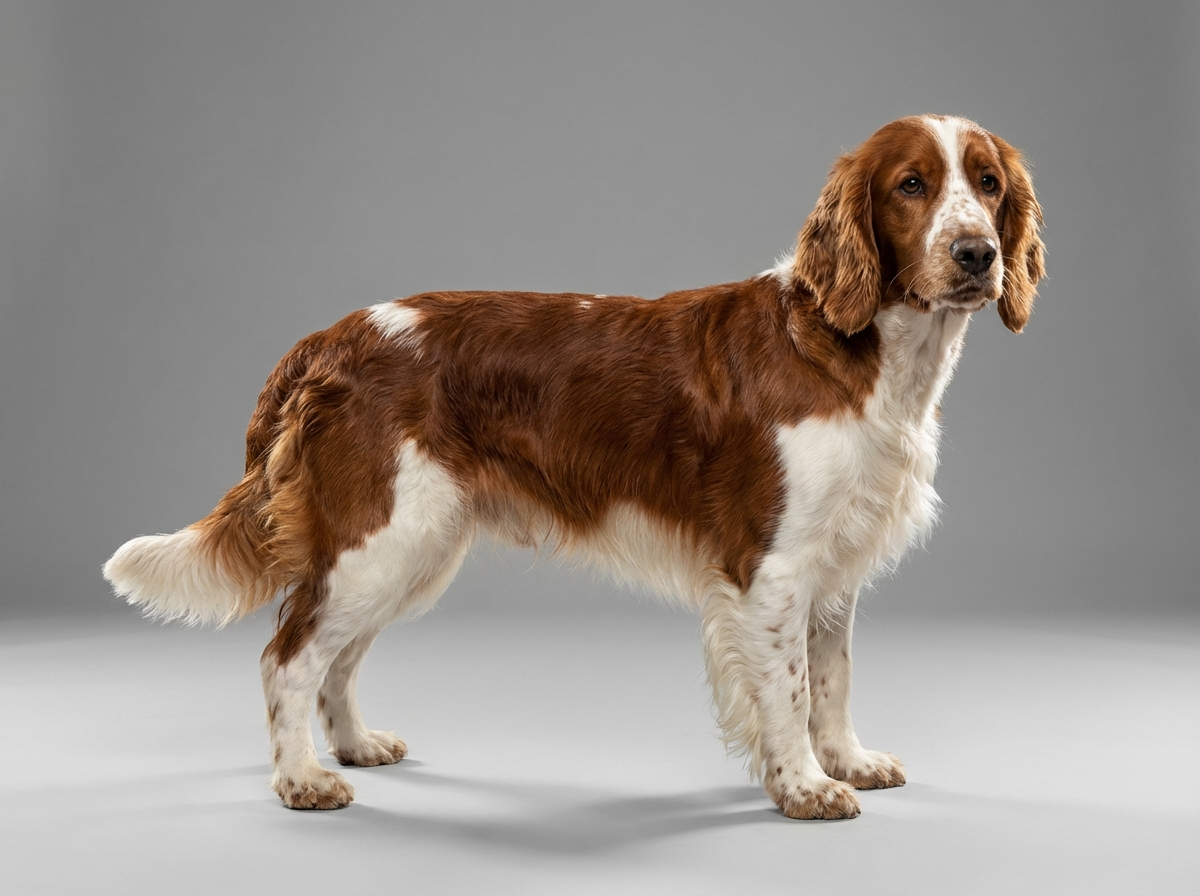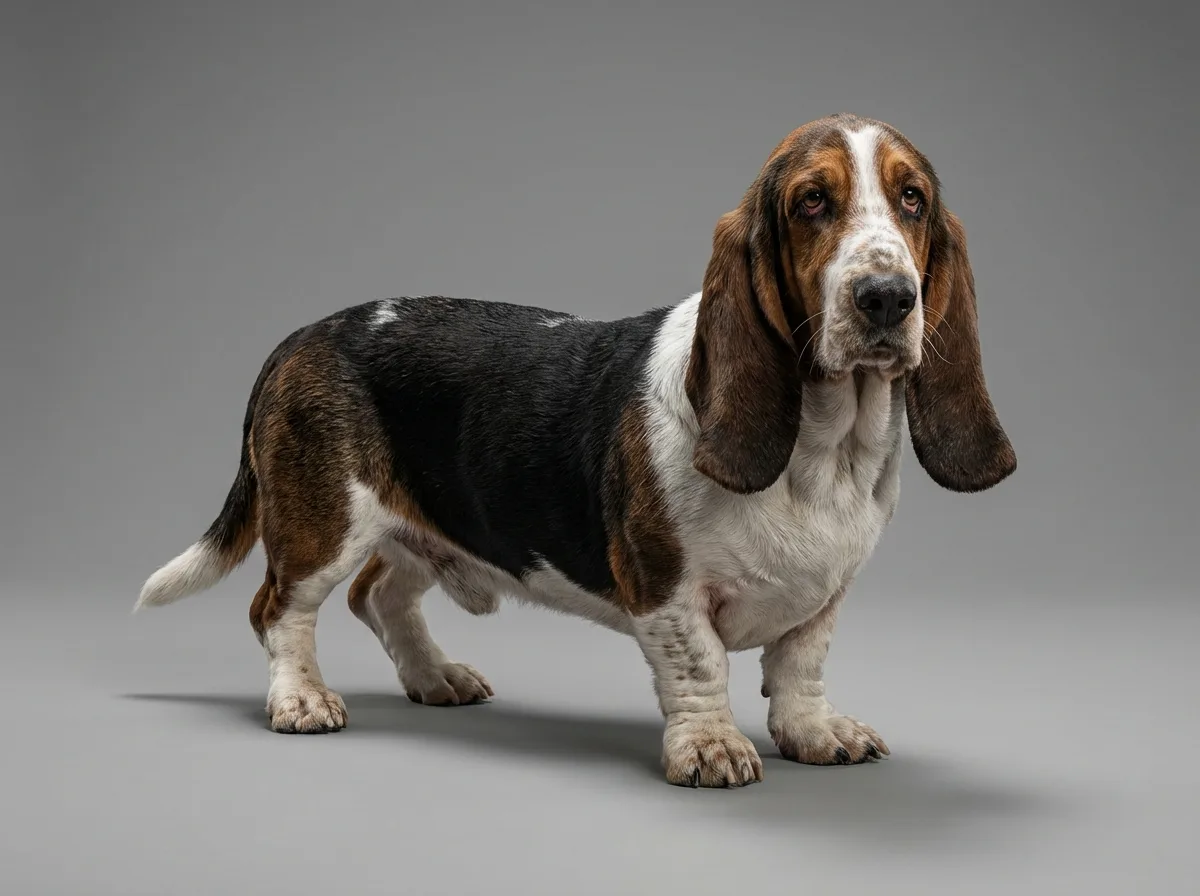
DogBreedCompass

Beagle vs Basset Hound: A Comprehensive Guide

Deciding between a Beagle and a Basset Hound? This guide breaks down their temperaments, sizes, and needs to help you choose the right furry friend. (beagle vs basset hound)

This guide is for anyone considering adding a Beagle or Basset Hound to their family, whether you're a first-time dog owner or someone looking to expand your furry crew. It’s particularly useful for families, active individuals, or those living in apartments, as it addresses key factors that affect dog ownership.

Understanding the differences between a Beagle and a Basset Hound is crucial for ensuring a good match between your lifestyle and your new pet. Many people assume that all dog breeds are similar, but this isn't the case. Misjudging a breed’s temperament or care requirements can lead to frustration for both you and your dog.

Understanding Beagle vs Basset Hound: Which is Right for You?

When deciding between a Beagle and a Basset Hound, it's essential to understand the core differences and similarities between these two beloved breeds. Both dogs have unique characteristics, but they also share a common history as hunting companions. Knowing what each breed offers can help you make an informed choice that suits your lifestyle and preferences. The Beagle is known for its friendly demeanor and boundless energy. They are curious and playful, making them excellent family pets. On the other hand, the Basset Hound is more laid-back, with a gentle and affectionate personality. Their calm nature can be a great fit for families or individuals looking for a more relaxed companion. Understanding these temperament differences is vital as it can influence how well the dog fits into your home. Size also plays a significant role in choosing between a Beagle and a Basset Hound. Beagles typically weigh between 20 to 30 pounds and stand about 13 to 15 inches tall. Basset Hounds, however, are generally heavier, weighing between 40 to 65 pounds, and stand around 14 to 15 inches tall. This size difference can affect your living situation, especially if you live in a smaller space. Training and grooming requirements are also crucial to consider. Beagles are known for their strong noses and hunting instincts, which can make training a bit challenging. They require consistent training and socialization from an early age. Basset Hounds, while generally easier to groom due to their short coat, can be stubborn when it comes to training. Their independent nature might require more patience and creative training methods. This guide will delve deeper into the Beagle vs Basset Hound comparison by exploring aspects like temperament, size, training needs, and grooming. We will provide practical tips to help you decide which breed aligns best with your lifestyle. By the end, you'll have a clearer understanding of what each dog brings to the table, allowing you to choose the best furry friend for your home. Whether you opt for the energetic Beagle or the calm Basset Hound, both breeds promise to bring joy and companionship into your life.

Step-by-Step Guide: Beagle vs Basset Hound

Choosing between a Beagle and a Basset Hound can be tough. Follow these steps to make an informed decision that fits your lifestyle and preferences.
  • Step 1: Assess Your Lifestyle
  • Step 2: Research Both Breeds
  • Step 3: Consider Space Requirements
  • Step 4: Evaluate Temperament Needs
  • Step 5: Think About Training Experience
  • Step 6: Plan for Grooming
  • Step 7: Visit Local Shelters or Breeders
  • Step 8: Talk to Current Owners
  • Step 9: Evaluate Costs
  • Step 10: Make Your Decision

Why this helps

  • Helps clarify your needs and expectations.
  • Gives you a better understanding of breed characteristics.
  • Ensures you choose a dog that fits your living situation.
  • Allows you to find a dog with a compatible temperament.
  • Prepares you for training challenges or successes.
  • Assists in understanding grooming requirements.
  • Connects you with available dogs in your area.
  • Provides real-life insights from current dog owners.
  • Helps in budgeting for your future pet.
  • Supports making an informed final choice.

Watch out for

  • ! May take time to gather all information.
  • ! Requires honest evaluation of your lifestyle.
  • ! Could lead to information overload.
  • ! Might require travel to visit breeders or shelters.
  • ! Involves emotional decisions about pet ownership.
  • ! Budgeting can be stressful for some.
  • ! Talking to owners may reveal unexpected challenges.

Common Mistakes When Choosing Between Beagle and Basset Hound

Selecting the right dog breed can be challenging. Here are some common mistakes owners make when considering Beagles and Basset Hounds, and the pitfalls behind these choices.
  • Ignoring Exercise Needs: Both breeds need regular exercise, but many owners underestimate this. Beagles are active and require daily walks, while Basset Hounds, despite their laid-back nature, still need to stay active to prevent obesity.
  • Overlooking Temperament Differences: Beagles are more energetic and social, while Basset Hounds are often more relaxed. Choosing based on looks rather than temperament can lead to mismatched expectations.
  • Neglecting Training: Some owners think Beagles are easy to train due to their intelligence. However, their stubbornness can make training challenging. Basset Hounds can be similarly difficult if not properly trained from a young age.
  • Assuming Size Equals Space: While both breeds are medium-sized, many people don't consider their activity levels. A Beagle may thrive in a larger yard, while a Basset Hound can adapt to smaller spaces if exercised adequately.
  • Underestimating Health Issues: Both breeds have specific health concerns; Beagles may suffer from obesity, while Basset Hounds are prone to ear infections. Neglecting these can lead to costly vet bills down the road.
  • Choosing Based on Popularity: Popular breeds like Beagles can attract new owners without understanding their unique requirements. This can lead to frustration and abandonment if their needs aren’t met.
  • Not Preparing for Grooming Needs: While both breeds have relatively low grooming needs, Basset Hounds can shed more due to their loose skin. Failing to consider this can lead to extra work and disappointment.

Myths vs. Facts: Beagle vs Basset Hound

There are several myths surrounding Beagles and Basset Hounds that can lead to misconceptions. Let’s debunk some of the most common ones.
  • Myth: Beagles are hyper and untrainable.
  • Myth: Basset Hounds are lazy and don’t need exercise.
  • Myth: Beagles are better hunting dogs than Basset Hounds.
  • Myth: Basset Hounds are always calm and quiet.

Advanced Tips for Choosing Between Beagles and Basset Hounds

Deciding between a Beagle vs Basset Hound isn't just about looks or temperament; it involves understanding their unique traits and how they fit into your lifestyle. Here are some advanced tips to help you make an informed choice. First, consider your living situation. Beagles are energetic and need ample space to run and play. If you live in a small apartment, a Basset Hound, with its more laid-back nature, might be a better fit. However, both breeds benefit from regular walks and mental stimulation. Next, think about your activity level. Beagles are known for their hunting instincts and love to chase scents. If you enjoy outdoor activities like hiking, a Beagle could be your perfect companion. Basset Hounds, on the other hand, enjoy leisurely strolls and are content to snuggle at home. Training is another important factor. Beagles can be stubborn due to their independent nature. It’s crucial to use positive reinforcement techniques and keep training sessions short and fun. In contrast, Basset Hounds are usually more eager to please, making them easier to train, but they can also be easily distracted. Additionally, consider health aspects. While both breeds can face health issues, Beagles are prone to obesity, so monitoring their diet and exercise is essential. Basset Hounds can suffer from ear infections due to their long ears, so regular cleaning is necessary. Always consult your vet about specific health concerns regardless of the breed you choose. Lastly, think about grooming needs. Both breeds have short coats, but Basset Hounds can shed more due to their skin folds. Regular brushing will help manage shedding and keep their coats healthy. Be sure to invest in a good vacuum cleaner if you opt for a Basset Hound! In summary, assessing your living space, activity level, training approach, health considerations, and grooming needs can significantly influence your choice between a Beagle and a Basset Hound.

Insider Secrets: Expert Tips on Beagle vs Basset Hound

Choosing between a Beagle and a Basset Hound can be tricky. Here are some expert insights to help you make a more informed decision.
  • Beagles are known for their high energy and playful nature, making them better suited for active families.
  • Basset Hounds, while laid-back, can be quite stubborn, which may lead to training challenges.
  • Both breeds have strong scent-driven instincts, so early training and socialization are crucial.
  • The Beagle's bark is often more persistent than the Basset's howl, which can affect neighborhood harmony.
  • Grooming needs vary: Basset Hounds tend to shed more due to their longer coat, while Beagles require regular ear cleaning.

Why this helps

  • Beagles are great for families who enjoy outdoor activities and playtime.
  • Basset Hounds are affectionate companions that love to lounge around, perfect for a more relaxed lifestyle.
  • Both breeds are excellent with children and make great family pets.

Watch out for

  • ! Beagles require more exercise and mental stimulation, which can be time-consuming.
  • ! Basset Hounds may be more prone to certain health issues, such as hip dysplasia and ear infections.
  • ! Training a Basset Hound can be frustrating due to their independent nature.

Beagle vs Basset Hound: Quick Decision Checklist

Use this checklist to weigh your options between a Beagle and a Basset Hound. Consider your lifestyle, space, and training needs before making a decision.
  • Assess your living space: Do you have enough room for a Beagle's energy or a Basset Hound's laid-back nature?
  • Evaluate your activity level: Are you active enough for a Beagle, or would a more relaxed Basset Hound fit better?
  • Consider training preferences: Are you prepared for the Beagle's stubbornness, or do you prefer the Basset's ease of training?
  • Think about grooming needs: Are you ready for regular grooming for either breed?
  • Check allergy considerations: Do you or family members have allergies to dog fur or dander?
  • Look into health issues: Are you aware of the common health concerns for both breeds?
  • Discuss with family: Are all household members on board with the breed choice?
  • Review your budget: Can you afford the costs associated with each breed, including food, vet care, and grooming?

Why this helps

  • Beagles are energetic and friendly, making them great for active families.
  • Basset Hounds are laid-back and affectionate, perfect for those who enjoy a calm companion.
  • Both breeds have a strong sense of smell, making them great for hunting and tracking activities.

Watch out for

  • ! Beagles can be stubborn and challenging to train for inexperienced owners.
  • ! Basset Hounds may be prone to health issues due to their unique body structure.
  • ! Both breeds can be vocal, which may not be suitable for apartment living.

Frequently asked questions

Is a Beagle or Basset Hound better?

Choosing between a Beagle and a Basset Hound depends on your lifestyle. Beagles are more energetic and require regular exercise, making them great for active families. Basset Hounds are more laid-back and can adapt to a quieter home, but they need some playtime too. This answer relates to beagle vs basset hound.

Do Basset Hounds howl like Beagles?

Both Beagles and Basset Hounds are known for their vocalizations. Beagles tend to bark and howl more frequently, especially when excited. Basset Hounds can howl but are generally quieter, using their deep barks to communicate.

Which is easier to train: Beagle or Basset Hound?

Training a Beagle can be challenging due to their independent nature and strong hunting instincts. Basset Hounds are also stubborn but may respond better to a calm, patient approach. Consistency and positive reinforcement work well for both breeds.

What are the key differences in size between Beagles and Basset Hounds?

Beagles typically weigh between 20 to 30 pounds and stand about 13 to 15 inches tall. Basset Hounds, on the other hand, are heavier, weighing 40 to 65 pounds and standing around 14 to 15 inches tall. Their body shapes also differ significantly.

What health issues are common in Beagles and Basset Hounds?

Beagles are prone to obesity and ear infections, while Basset Hounds can suffer from hip dysplasia and other joint issues due to their heavy build. Regular vet check-ups and a balanced diet are essential for both breeds.

What are the main differences in exercise needs between a Beagle and a Basset Hound?

Beagles are energetic dogs that require a lot of exercise, ideally an hour of activity each day. Basset Hounds, on the other hand, are more laid-back and can get by with about 30 minutes of exercise daily. If you're considering either breed, think about your activity level and how much time you can dedicate to walks and play.

How do Beagle and Basset Hound grooming needs compare?

Grooming needs for both breeds are relatively low. Beagles have short, dense coats that only need occasional brushing, while Basset Hounds also have short hair but may require more frequent cleaning of their skin folds to prevent irritation. Regular grooming will keep both breeds looking their best.

What is the average lifespan of a Beagle compared to a Basset Hound?

Beagles typically live around 12 to 15 years, while Basset Hounds have a slightly shorter lifespan, averaging about 10 to 12 years. When choosing between the two, consider the lifespan and how that fits with your long-term plans.

Are Beagles or Basset Hounds more prone to health issues?

Both breeds have their share of health concerns. Beagles are prone to obesity and ear infections, while Basset Hounds may face hip dysplasia and certain eye conditions. Regular vet check-ups and a healthy diet are essential for both breeds to help manage these risks.

Which breed is more affectionate: Beagle or Basset Hound?

Both breeds are known for their friendly demeanor, but Basset Hounds tend to be more laid-back and cuddly. Beagles are playful and energetic, but they also love being around their families. Your choice may depend on whether you prefer a more active or relaxed companion.

What are the training challenges specific to Beagles and Basset Hounds?

Beagles can be stubborn and easily distracted due to their hunting background, making consistent training essential. Basset Hounds are more laid-back but can also be independent, so patience is key. Both breeds respond well to positive reinforcement but may require extra time and effort to train.

Do Beagles or Basset Hounds make better family pets?

Both breeds can make excellent family pets, but it depends on your family's lifestyle. Beagles are great for active families who enjoy outdoor activities, while Basset Hounds are perfect for families that prefer a more relaxed environment. Consider your family's energy level and preferences before deciding.

Quick answers

View more answers
Health

What is the lifespan of a Beagle vs Basset Hound?

Beagles typically live between 12 to 15 years, while Basset Hounds have a lifespan of about 10 to 12 years.

Living

What grooming needs do Beagles and Basset Hounds have?

Beagles have short coats that require minimal grooming, while Basset Hounds need regular cleaning of their ears and occasional brushing due to their loose skin.

Health

Are Beagles or Basset Hounds more prone to health issues?

Both breeds have specific health concerns; Beagles are more prone to obesity, while Basset Hounds often face joint problems.

Living

What is the lifespan of a Beagle vs Basset Hound?

Beagles typically live around 12-15 years, while Basset Hounds have a lifespan of about 10-12 years.

Health

Are there significant health issues in Beagles and Basset Hounds?

Both breeds can face health issues; Beagles may struggle with obesity, while Basset Hounds often have ear and joint problems.

Related DogBreedCompass guides

Important reminder

This guide is not medical advice. If your dog shows pain, sudden behavior change, or worsening symptoms, consult a licensed veterinarian.

Some links may be affiliate links. We may earn a commission at no extra cost to you. We only suggest products we believe are helpful for dog owners.

Want more tailored help?

Take the Lifestyle Match quiz to see which breeds and guides best fit your day-to-day life.

Take the quiz

More guides you might like

Find your match

Not sure which breed is right for you? Take our 2-minute quiz to find out.

Take the quiz