Costs
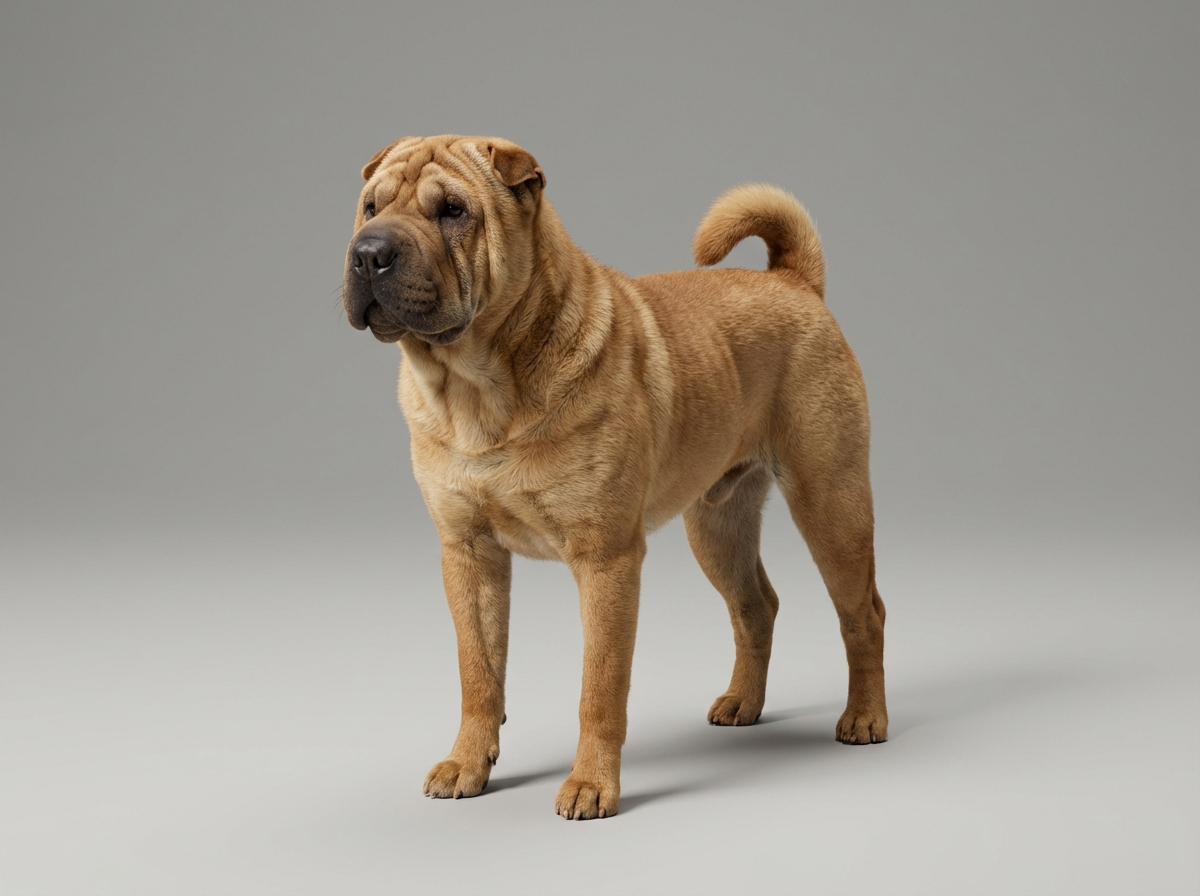
Chinese Shar-Pei cost in Burlington
About $107–$212/month, $1,500–$3,075 for year one — near average, with an honest note on limited local endocrine-specialist access given this breed's documented Hypothyroidism risk.

See Chinese Shar Pei price across all cities →
Quick answer
Chinese Shar-Pei cost in Burlington
About $107–$212/month, $1,500–$3,075 for year one — near average, with an honest note on limited local endocrine-specialist access given this breed's documented Hypothyroidism risk.
A Chinese Shar-Pei in Burlington costs about $107–$212 a month, with the first year around $1,500–$3,075 — near the national average, worth a real, honest note: this breed's documented Hypothyroidism risk sometimes calls for an endocrinology-focused workup beyond routine bloodwork, and Vermont's genuinely smaller vet market means fewer specialist options to shop between than a larger metro offers.
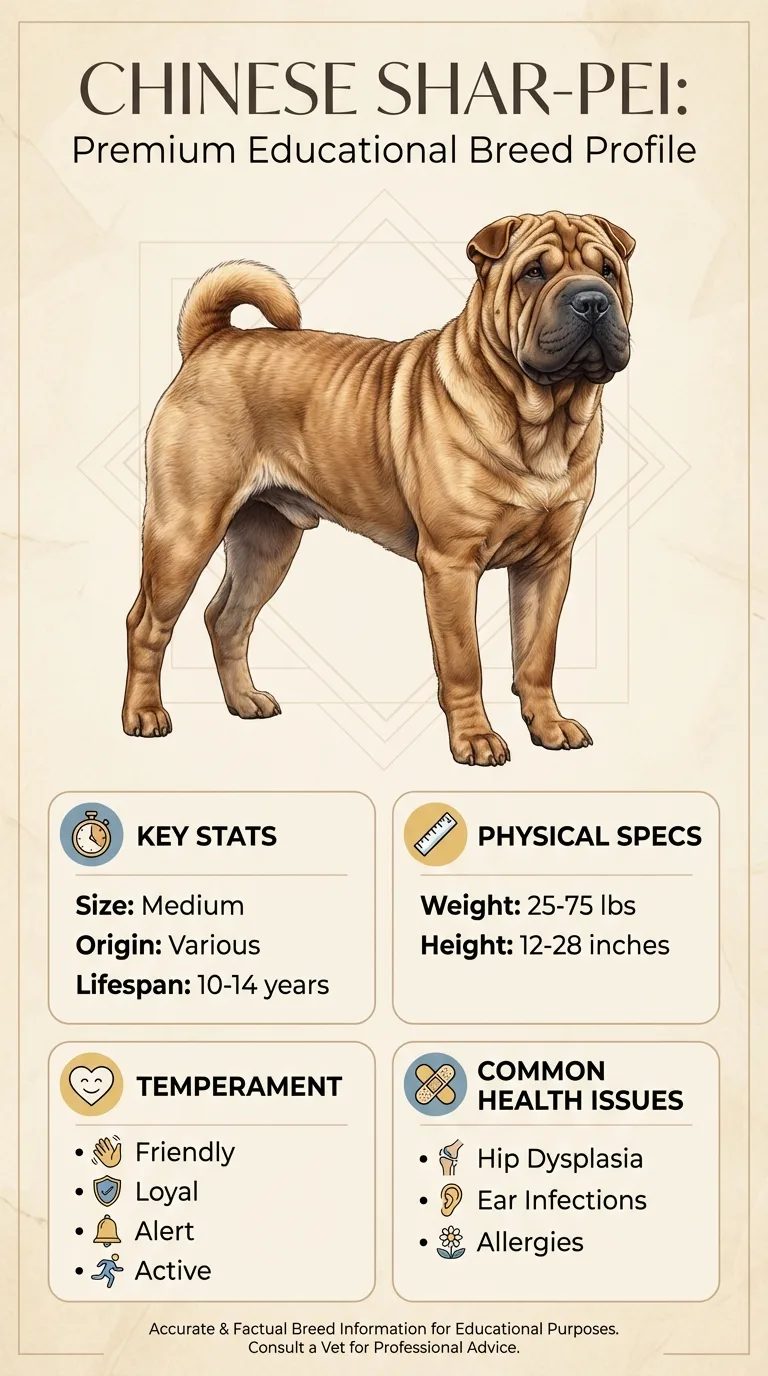
Skin Fold Dermatitis and Entropion are the breed's more commonly documented health risks most likely to produce an unplanned bill, alongside this breed's real, documented Hypothyroidism risk. This breed's genuine independence means it manages alone-time reasonably well, though its documented reserved temperament still calls for thoughtful socialization.
These figures reflect Burlington's genuinely near-average general pricing, with a real note on the specialist-access planning this breed's documented Hypothyroidism risk may warrant given Vermont's smaller vet market.
Estimate · source: estimation · confidence: medium · updated 2026-09-05 · not a quote
| Item | Cost range |
|---|---|
One-time setup (initial vet visit, spay/neuter, gear) Covers the first exam, vaccinations, spay/neuter if needed, and basic gear — priced at Burlington's near-average rates. | $385 - $645 |
| Item | Cost range |
|---|---|
Food Priced close to the national average for this breed's medium size. | $46 - $74 |
Each range starts from a national baseline for this breed's size class and is then adjusted for local cost of living and veterinary pricing. The baselines, and the source each one came from, are listed on our sources page (dataset 2026.09). Two inputs, the purchase price and the emergency reserve, have no published national figure we could verify, so we leave them to you rather than invent them.
These are planning estimates, not quotes. Your own numbers will move with the individual dog, your vet and your insurer. Build a budget with your own figures.
For a Chinese Shar-Pei in Burlington, insurance is genuinely worth taking seriously given this breed's documented skin, eye and thyroid-related risks, particularly given the real added cost of specialist travel this region can require.
Given this breed's real, varied documented health risk profile and the genuine possibility of needing to travel for specialist endocrine care, insurance purchased while the dog is young is worth pricing out seriously before anything is on record.
Owners who've built a genuinely solid emergency fund, including a buffer for specialist travel, and are comfortable managing a procedure themselves can reasonably self-insure instead.
Burlington's average costs are a fair baseline, and knowing where the nearest endocrine specialist is costs nothing but saves real time later.
This breed's documented Hypothyroidism risk is usually manageable through routine bloodwork and medication from a general practice vet, but a genuinely unclear or treatment-resistant case can benefit from a specialist with deeper endocrinology experience, a real resource most general practices don't have in-house. Vermont's genuinely smaller population supports fewer competing specialty clinics than a larger metro, meaning less room to seek a second opinion if a first treatment plan isn't working.
Asking a general vet directly about referral options if symptoms don't resolve as expected, rather than assuming the first treatment plan is the only path, is a real, practical step worth taking given the region's genuinely smaller specialist network.
Burlington otherwise runs close to the national average across food and routine vet care, and the region's real winters keep parasite prevention a genuinely bounded, seasonal cost.

A Burlington Chinese Shar-Pei owner noticed their dog's hypothyroidism symptoms weren't improving despite standard medication dosing, and their vet explained the nearest endocrinology specialist was over an hour away in a neighboring state. Making the trip for a proper dosage adjustment resolved the lingering symptoms within weeks.
Key takeaway: In Burlington specifically, this breed's real documented thyroid risk benefits from knowing specialist options ahead of time given the region's smaller network.
About $107–$212, near the national average, consistent with Burlington's roughly typical general cost of living.
Roughly $1,500–$3,075, including the initial vet exam, spay/neuter if needed, and gear on top of ongoing monthly costs.
Usually not — most cases respond well to routine bloodwork-guided medication through a general practice vet, though a confusing case may benefit from specialist input.
It can involve more searching — Vermont's smaller vet market supports fewer specialty clinics than a larger metro, given this breed's documented Hypothyroidism risk.
Worth pricing out given the breed's documented skin, eye and thyroid-related risks, bought while the dog is young and before anything is on record.
Around $825 covers a typical significant vet visit in this market, reflecting Burlington's near-average local pricing.
About $107–$212/month, $1,500–$3,075 for year one — near average, with an honest note on limited local endocrine-specialist access given this breed's documented Hypothyroidism risk.
This guide is not medical advice. If your dog shows pain, sudden behavior change, or worsening symptoms, consult a licensed veterinarian.
Some links may be affiliate links. We may earn a commission at no extra cost to you. We only suggest products we believe are helpful for dog owners.
We research and check what we publish, but we do not warrant that any figure, date, price, or statement is accurate, complete, or current, and we accept no liability for any loss, cost, injury, or other harm arising from the use of this site. Use it as one reference among several. You remain responsible for your own decisions and for your dog's care - confirm anything that matters with a licensed veterinarian or another qualified professional before you act on it. Full disclaimer.
One sheet with every line item, the emergency fund and when insurance pays off - unlocks on this page.
You get: 12-month budget sheet
No spam. One-click unsubscribe. See our privacy policy.
Preview page 1 before you decide.