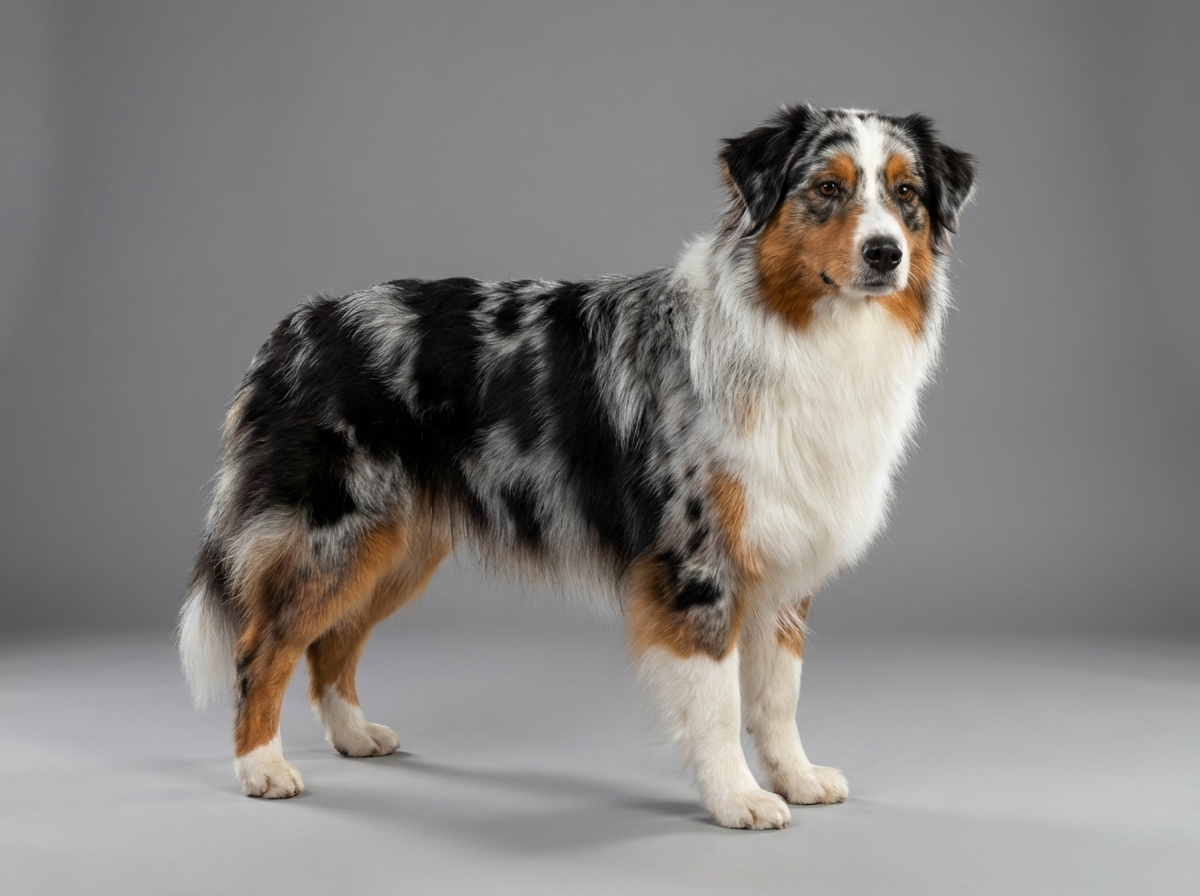
Costs
Australian Shepherd cost in Little Rock
About $88–$168/month, $1,350–$2,450 for year one — below average, with a real hypothyroidism-vs-aging confusion worth a blood test to rule out.

See Australian Shepherd price across all cities →
Quick answer
Australian Shepherd cost in Little Rock
About $88–$168/month, $1,350–$2,450 for year one — below average, with a real hypothyroidism-vs-aging confusion worth a blood test to rule out.
An Australian Shepherd in Little Rock costs about $88–$168 a month, with the first year around $1,350–$2,450 — below the national average, worth a real, easy-to-miss note: this breed's documented hypothyroidism risk can look a lot like a naturally mellowing middle-aged dog, and mistaking one for the other delays a simple blood test that catches it.
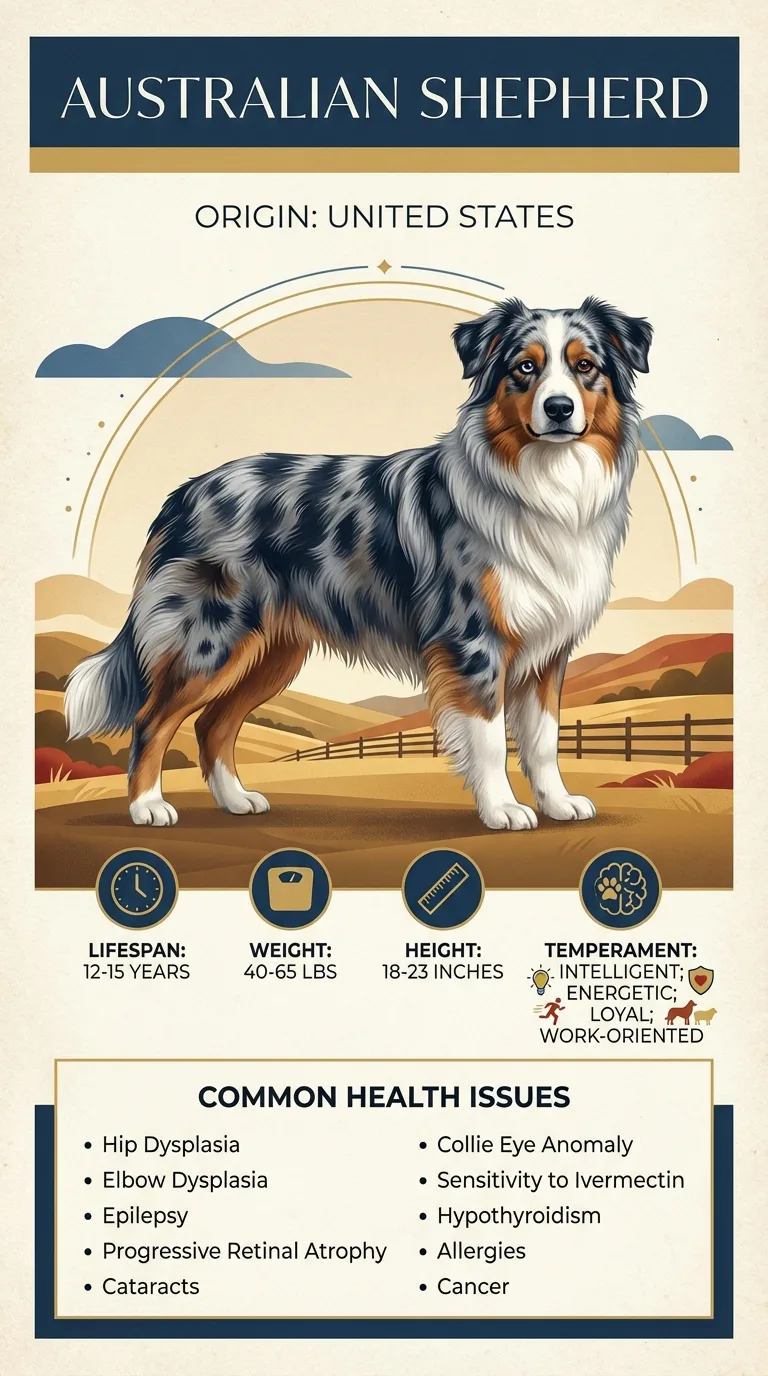
Hip and elbow dysplasia, along with epilepsy, are the breed's documented health risks most likely to produce an unplanned bill. This breed's very high exercise and mental-stimulation needs remain a real ongoing consideration, requiring genuine daily commitment regardless of city.
These figures reflect Little Rock's genuinely low-tier general pricing, with a real note on watching for hypothyroidism symptoms that can be mistaken for normal aging.
Estimate · source: estimation · confidence: medium · updated 2026-09-05 · not a quote
| Item | Cost range |
|---|---|
MDR1 genetic test (one time) A single test, ideally done early, that tells every future vet whether the dog carries the drug-sensitivity mutation common in this breed. | $55 - $90 |
One-time setup (initial vet visit, spay/neuter, gear) Covers the first exam, vaccinations, spay/neuter if needed, and basic gear — priced at Little Rock's low-tier rates. | $340 - $575 |
| Item | Cost range |
|---|---|
Food Priced below the national average for this breed's medium size, reflecting Arkansas's low general pricing. | $42 - $68 |
Near-year-round flea, tick & heartworm prevention A genuine eleven-month cost given Arkansas's long, humid warm season. | $13 - $24 |
Each range starts from a national baseline for this breed's size class and is then adjusted for local cost of living and veterinary pricing. The baselines, and the source each one came from, are listed on our sources page (dataset 2026.09). Two inputs, the purchase price and the emergency reserve, have no published national figure we could verify, so we leave them to you rather than invent them.
These are planning estimates, not quotes. Your own numbers will move with the individual dog, your vet and your insurer. Build a budget with your own figures.
For an Australian Shepherd in Little Rock, insurance is genuinely worth taking seriously given the breed's documented hip/elbow dysplasia and epilepsy risk, independent of the hypothyroidism-screening note above.
Given this breed's real orthopedic and neurological risk profile, insurance purchased while the dog is young is worth pricing out seriously before anything is on record.
Owners who've built a genuinely solid emergency fund and are comfortable managing a procedure or ongoing condition themselves can reasonably self-insure instead.
Little Rock's low costs help across the board, and a routine blood panel catches hypothyroidism early and affordably.
Hypothyroidism is a real, documented condition in this breed, and its early signs, gradual weight gain, reduced energy, a coat that looks duller than it used to, overlap closely with what many owners simply attribute to a dog getting older. That overlap matters more here than in a naturally low-energy breed, since a genuine slowdown from this breed's documented high baseline energy can look like normal aging rather than a treatable thyroid issue.
A simple blood test catches hypothyroidism reliably, and once diagnosed, daily medication manages it well and affordably for the rest of the dog's life. The real cost of missing it isn't the treatment itself, it's the months or years of reduced quality of life that pass before a mellowing dog finally gets tested.
Little Rock otherwise ranks among the more affordable metros this site tracks, and Arkansas's real long, humid warm season keeps parasite prevention close to a year-round cost, the main offsetting expense here.

A Little Rock Australian Shepherd owner watched their once-tireless six-year-old dog gradually slow down over several months, assuming it was simply settling into middle age the way people expect an active dog eventually to. A routine wellness blood panel flagged low thyroid levels instead, and once treatment started, the dog's energy and coat condition both improved noticeably within weeks.
Key takeaway: In Little Rock specifically, this breed's real hypothyroidism risk is worth ruling out with a simple test before assuming a slowdown is just normal aging.
About $88–$168, below the national average, reflecting Arkansas's genuinely low general cost of living.
Roughly $1,350–$2,450, including the initial vet exam, spay/neuter if needed, an MDR1 genetic test, and gear on top of ongoing monthly costs.
A simple blood test is the only reliable way to tell — this breed's documented hypothyroidism symptoms genuinely overlap with normal aging signs, making a test worth requesting rather than assuming.
Not especially — once diagnosed, daily medication manages it affordably for the rest of the dog's life; the real cost is in the time lost before diagnosis, not the treatment itself.
Worth pricing out given the breed's hip/elbow dysplasia risk and elevated epilepsy rate, bought while the dog is young and before anything is on record.
Around $700 covers a typical significant vet visit in this market, reflecting Little Rock's below-average local pricing.
About $88–$168/month, $1,350–$2,450 for year one — below average, with a real hypothyroidism-vs-aging confusion worth a blood test to rule out.
This guide is not medical advice. If your dog shows pain, sudden behavior change, or worsening symptoms, consult a licensed veterinarian.
Some links may be affiliate links. We may earn a commission at no extra cost to you. We only suggest products we believe are helpful for dog owners.
We research and check what we publish, but we do not warrant that any figure, date, price, or statement is accurate, complete, or current, and we accept no liability for any loss, cost, injury, or other harm arising from the use of this site. Use it as one reference among several. You remain responsible for your own decisions and for your dog's care - confirm anything that matters with a licensed veterinarian or another qualified professional before you act on it. Full disclaimer.
One sheet with every line item, the emergency fund and when insurance pays off - unlocks on this page.
You get: 12-month budget sheet
No spam. One-click unsubscribe. See our privacy policy.
Preview page 1 before you decide.