Behavior
What are quick tips for handling Shih Tzu allergic reactions?
Regularly groom your Shih Tzu to reduce allergens, and keep your home clean. Consult your vet for allergy testing and appropriate treatment options.

Quick answer
What are quick tips for handling Shih Tzu allergic reactions?
Regularly groom your Shih Tzu to reduce allergens, and keep your home clean. Consult your vet for allergy testing and appropriate treatment options.
Shih Tzu allergic reactions can be a frustrating challenge for many dog owners. These reactions can lead to discomfort and health issues for your furry friend, making it crucial to understand and address them.
This issue often affects first-time dog owners or families with children who may not notice subtle changes in their pet's behavior. Busy professionals or those living in urban areas may also struggle to identify and address their Shih Tzu's allergic reactions promptly, leading to further complications.
This guide is not medical advice. If your dog shows pain, sudden behavior change, or worsening symptoms, consult a licensed veterinarian.
Some links may be affiliate links. We may earn a commission at no extra cost to you. We only suggest products we believe are helpful for dog owners.
We research and check what we publish, but we do not warrant that any figure, date, price, or statement is accurate, complete, or current, and we accept no liability for any loss, cost, injury, or other harm arising from the use of this site. Use it as one reference among several. You remain responsible for your own decisions and for your dog's care - confirm anything that matters with a licensed veterinarian or another qualified professional before you act on it. Full disclaimer.
Check this first
Red-flag signs that mean you should call your vet immediately include severe swelling, difficulty breathing, or excessive itching and scratching that leads to open wounds. If your Shih Tzu has a sudden onset of vomiting or diarrhea, especially if it contains blood, that’s another urgent sign. Any signs of anaphylaxis, such as fainting or lethargy, require immediate action.
On the other hand, mild allergic reactions can often be monitored at home. If your Shih Tzu has a minor rash, sneezing, or occasional itching, these may not be emergencies. Track symptoms and consider keeping a log of when they occur. It’s also helpful to identify potential allergens like certain foods or environmental triggers. If symptoms persist or worsen, it’s best to consult your veterinarian for advice.
By recognizing these signs, you can ensure that your Shih Tzu receives the right care at the right time. Always err on the side of caution; if you’re unsure, it’s better to reach out to your vet.
If any of these apply, call your vet or an emergency clinic now. The rest of this page is for the cases that are not an emergency.
Shih Tzus are adorable small dogs, but they can be prone to allergic reactions. These reactions can manifest as itchy skin, watery eyes, or gastrointestinal upset. Common triggers include certain foods, pollen, dust mites, and even fleas. If you're noticing your Shih Tzu scratching or biting at their skin, it's worth investigating potential allergies.
Allergic reactions are relatively common in Shih Tzus, affecting approximately 10-20% of the breed at some point in their lives. This makes it essential for owners to be aware of the signs and consult a vet for proper diagnosis and treatment.
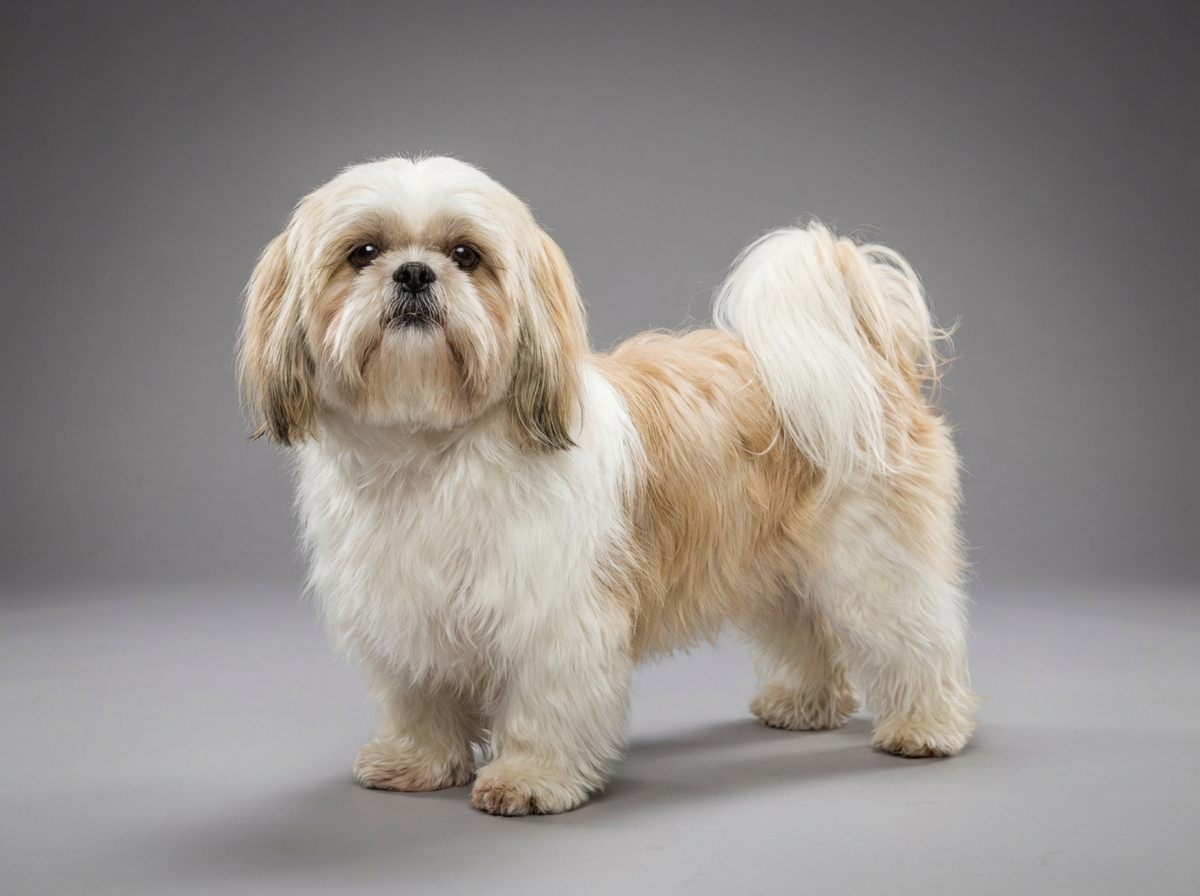
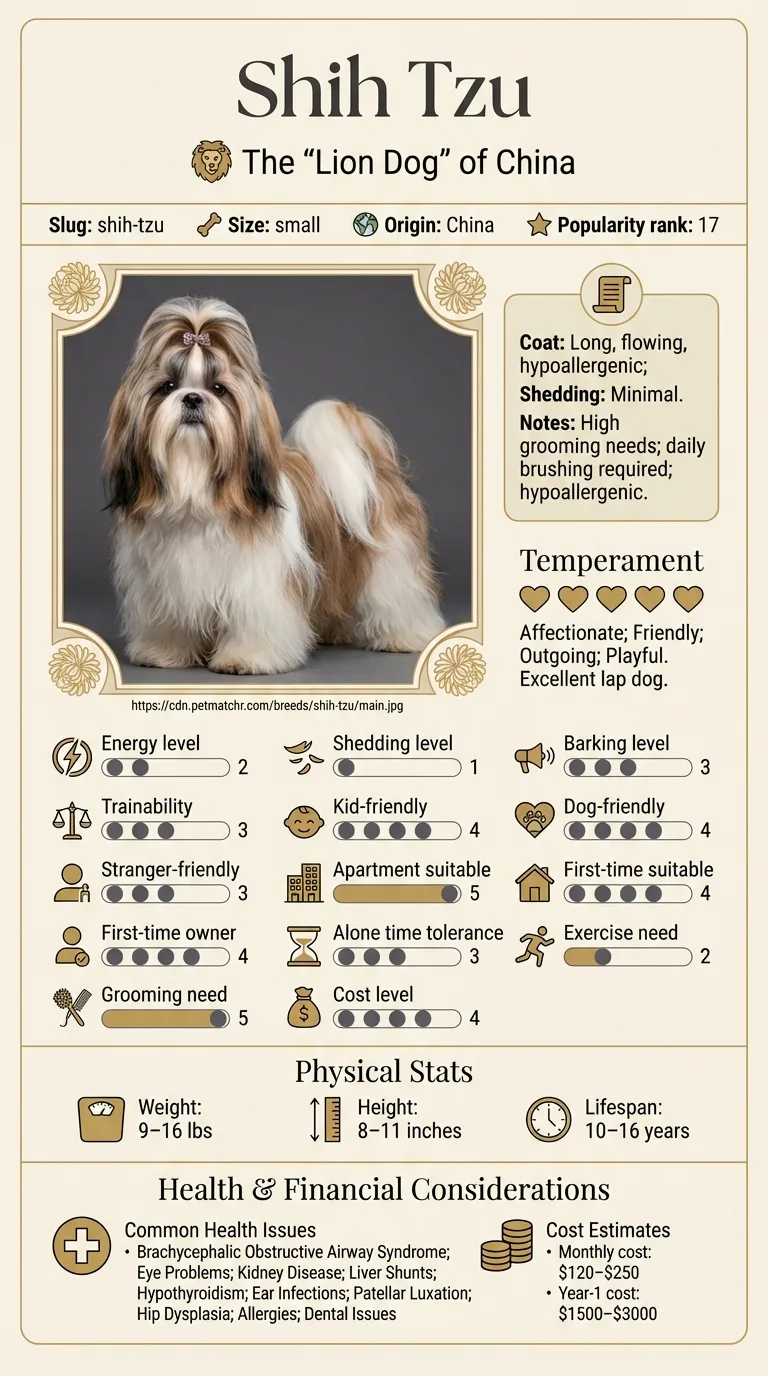
Shih Tzus are known for their long, flowing, hypoallergenic coats, but they can still be prone to allergies. Their unique genetic makeup can make them sensitive to various allergens like pollen, dust mites, and certain foods. Additionally, their brachycephalic structure can sometimes exacerbate respiratory issues related to allergies.
Environmental factors play a significant role in Shih Tzu allergic reactions. Common triggers include household dust, mold, and chemicals from cleaning products. Changes in diet or exposure to new plants and materials in their surroundings can also lead to allergic responses.
If you notice persistent symptoms like itching, swelling, or gastrointestinal upset, it’s time to consult your vet. They can perform tests to identify specific allergens and recommend appropriate treatment options.
Avoiding common mistakes can help manage and reduce your Shih Tzu's allergic reactions effectively. Here are some behaviors to steer clear of, along with safer alternatives.
Start here: Shih Tzu Most Common Genetic Disorders: What to Screen For
See all Shih TZU health problems, which breeds are prone to allergic reactions, or the full Shih TZU breed guide for temperament, exercise needs and ownership costs.
Most owners see improvements within 4 to 8 weeks after implementing changes.
Your Shih Tzu experiences fewer allergic reactions, with reduced symptoms like itching and skin irritations, allowing for a more comfortable life.
When Lisa adopted Bella, her adorable Shih Tzu, she quickly noticed Bella scratching excessively. After a vet visit, Lisa learned that Bella was prone to allergic reactions, especially to certain foods and environmental triggers. Determined to help her furry friend, Lisa started by switching Bella to a hypoallergenic diet and cleaning her home more frequently to reduce dust and pollen. Within weeks, Bella's symptoms improved significantly, and she became a much happier pup.
Key takeaway: With patience and the right changes, you can effectively manage your Shih Tzu's allergic reactions and improve their quality of life.
Shih Tzus can have allergic reactions due to environmental factors, food ingredients, or even flea bites. Common allergens include pollen, dust, and certain grains. If your Shih Tzu shows symptoms like itching or redness, it's essential to identify the trigger.
To minimize allergic reactions in your Shih Tzu, start by consulting your vet for allergy testing. They may recommend dietary changes or medications to alleviate symptoms. Regular cleaning of your home and grooming your dog can also help reduce allergens.
Signs of allergic reactions in Shih Tzus include excessive itching, redness of the skin, ear infections, and gastrointestinal upset. If you notice these symptoms, it's important to seek veterinary advice promptly. Early intervention can prevent more severe reactions.
Yes, certain foods like beef, dairy, and wheat can trigger allergic reactions in Shih Tzus. If you suspect food allergies, consider an elimination diet under veterinary supervision to identify the culprit. Switching to a hypoallergenic diet may also help.
Training your Shih Tzu to avoid allergens can be beneficial. Use positive reinforcement to teach commands like 'leave it' when they encounter potential allergens. Consistent training can help your dog manage their environment better.
Yes, Shih Tzus can develop allergies at any age. It's common for dogs to become more sensitive to certain allergens as they grow older, so keep an eye on any changes in their behavior or physical condition.
If your Shih Tzu shows persistent signs of an allergic reaction, such as severe itching, swelling, or difficulty breathing, you should consult your vet immediately. Early intervention can help prevent more serious health issues.
Absolutely, diet can play a significant role in allergic reactions for Shih Tzus. Common food allergens include grains, dairy, and certain proteins, so consider discussing a hypoallergenic diet with your vet.
To help manage your Shih Tzu's allergic reactions, keep their environment clean and free from allergens. Regular grooming, bathing with hypoallergenic shampoos, and using air purifiers can also help reduce exposure to triggers.
Regularly groom your Shih Tzu to reduce allergens, and keep your home clean. Consult your vet for allergy testing and appropriate treatment options.
Aim to clean your home at least once a week, focusing on areas where your Shih Tzu spends time. This helps reduce dust and allergens.
Expect to spend around $120 to $250 monthly on treatments and medications for allergic reactions. Initial vet visits may add to this cost.
Yes, untreated allergies can lead to chronic skin problems and infections. Regular veterinary care is crucial to manage their health.
Positive reinforcement training can help your Shih Tzu learn to avoid allergens. Consistency is key to successful training.
A one-page prep sheet for this condition: the signs, the questions to ask, what to get priced. Unlocks here.
You get: Vet visit prep sheet
No spam. One-click unsubscribe. See our privacy policy.
Preview page 1 before you decide.