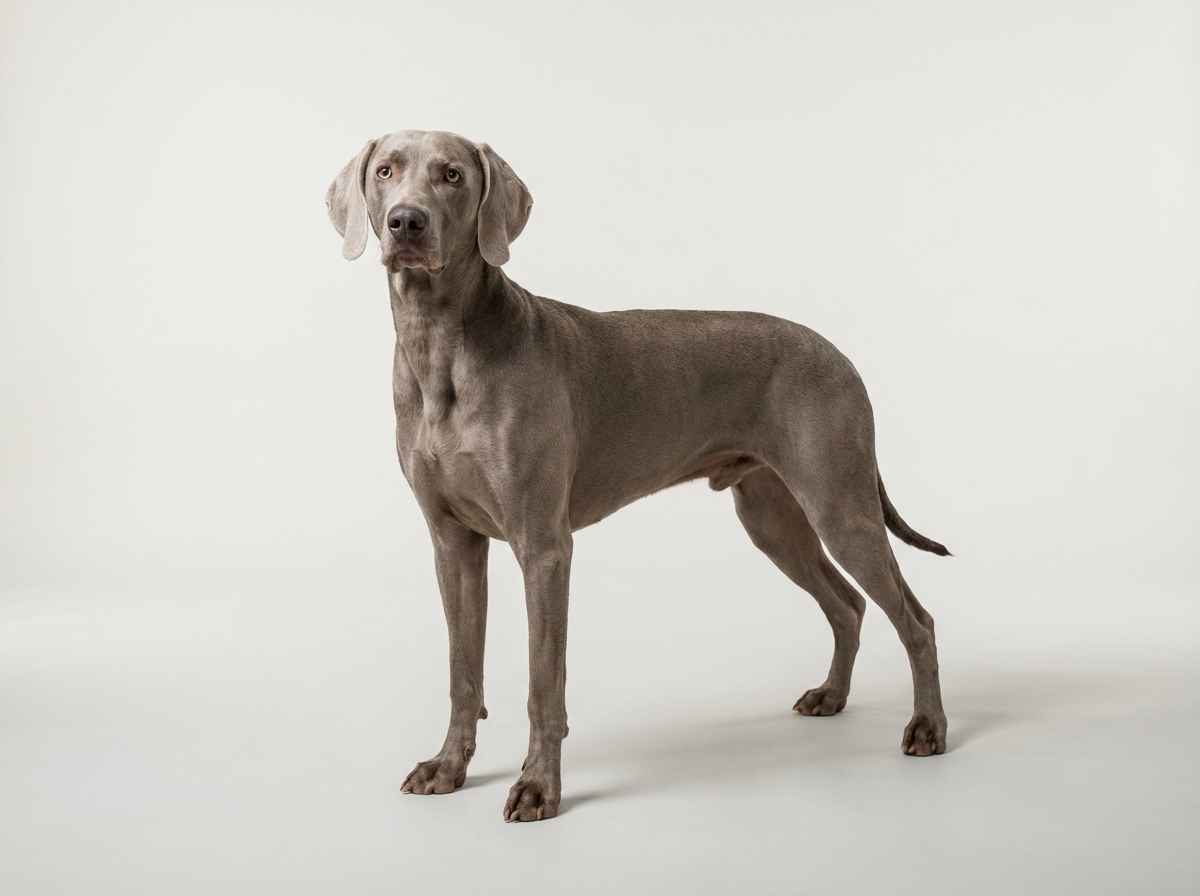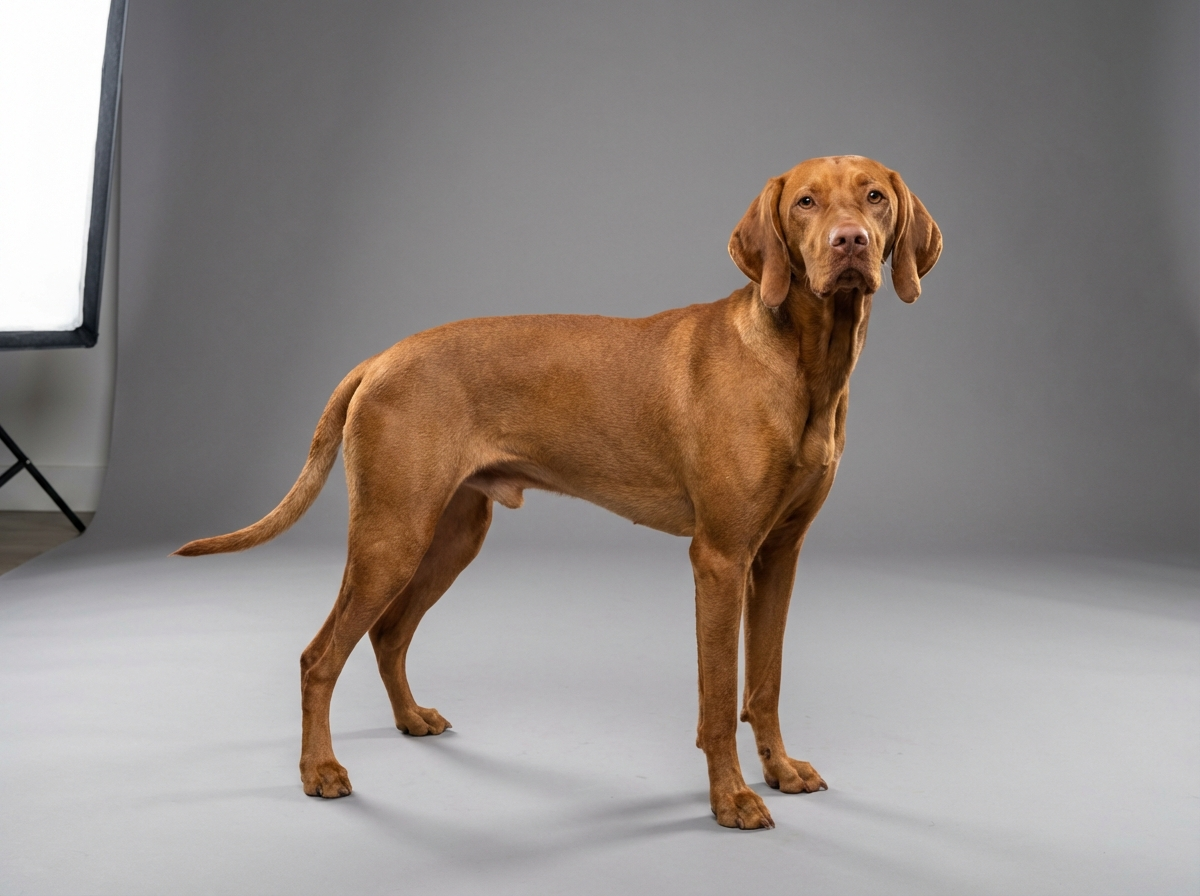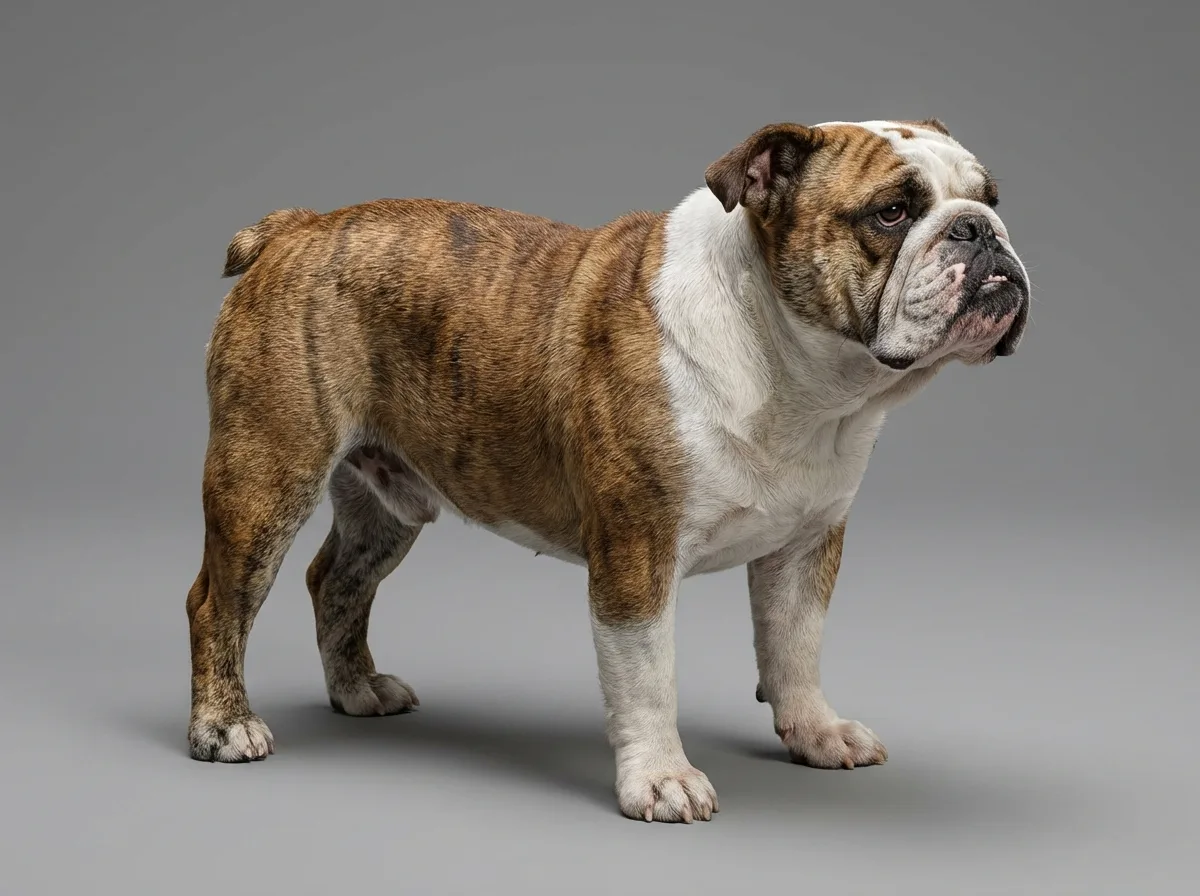
Stubborn Dog Breeds: How to Train and Understand Them
Are you struggling with a strong-willed dog? This guide will help you understand stubborn dog breeds and provide practical training tips to manage their behavior.
Understanding Stubborn Dog Breeds
Stubborn dog breeds can be quite a challenge for owners. These independent dogs often have a mind of their own, making training feel like a wrestling match rather than a cooperative effort. Understanding the nature of these strong-willed dogs is essential for successful training and a harmonious relationship with your pet.
Many dog owners find themselves frustrated with their pets' reluctance to follow commands. Breeds like Bulldogs, Beagles, and Shiba Inus are known for their independent streaks, which can lead to misunderstandings between the dog and owner. Recognizing that these dogs are not maliciously disobeying but rather have their own ideas can help you adjust your training approach.
Training a stubborn dog requires patience and a deep understanding of their needs. It’s not just about making them obey; it’s about finding ways to motivate them effectively. For example, using positive reinforcement, like treats or praise, can encourage your pet to engage and learn, rather than resist. Additionally, establishing a clear routine and using consistent commands will help your stubborn pup understand what is expected of them.
This guide will provide insights into identifying stubborn dog breeds, understanding their behaviors, and effective training strategies. The journey may be challenging, but it can also be rewarding. With the right tools and knowledge, you can turn your challenging pet into a well-behaved companion.
It’s crucial to remember that stubbornness in dogs is often linked to their breed traits. Independent breeds thrive when they feel their decisions matter. Therefore, creating an environment where they can make choices can lead to better cooperation. As you navigate the ups and downs of training, lean on resources and community support to help you through the tough times. Remember, you’re not alone in this journey.
Step-by-Step Training for Stubborn Dog Breeds
Training stubborn dog breeds can be challenging but rewarding. Follow these steps to improve your training approach and bond with your independent dog.
- 1. Understand Your Dog's Nature: Research your breed's traits to know what makes them stubborn.
- 2. Establish Leadership: Be consistent and assertive. Your dog needs to see you as the leader.
- 3. Use Positive Reinforcement: Reward good behavior with treats or praise. This encourages them to repeat those actions.
- 4. Keep Training Sessions Short: Limit sessions to 5-10 minutes to maintain your dog's focus.
- 5. Be Patient and Consistent: Repetition is key. Practice commands regularly, even if it feels slow.
- 6. Incorporate Play: Mix training with fun games to keep your dog engaged and excited.
- 7. Socialize Your Dog: Expose your dog to various environments and people to help them adapt and respond better.
- 8. Seek Professional Help: If you're struggling, consider enrolling in a training class or hiring a professional trainer.
Common Mistakes with Stubborn Dog Breeds
Owning a stubborn dog breed can be rewarding, but many owners make mistakes that lead to frustration. Here are some common pitfalls and why they can backfire.
- Underestimating their independence
- Using harsh training methods
- Not providing enough mental stimulation
- Ignoring their socialization needs
- Inconsistent commands and rules
- Neglecting to be patient
- Failing to understand their breed traits
Debunking Myths About Stubborn Dog Breeds
There are many misconceptions about stubborn dog breeds that can lead to frustration for owners. Let's clear up some of these myths and provide the facts.
- Myth: All stubborn dog breeds are untrainable.
- Myth: Independent dogs don’t bond with their owners.
- Myth: Stubbornness is a sign of aggression.
- Myth: Only certain breeds are considered stubborn.
- Myth: You can train a stubborn dog with harsh methods.
Advanced Tips for Training Stubborn Dog Breeds
Training stubborn dog breeds can be challenging, but with the right strategies, you can achieve success. Here are some advanced tips to help you navigate training with these independent and strong-willed dogs.
- Use Positive Reinforcement: Focus on rewarding desired behaviors with treats or praise. Stubborn dogs respond better to incentives than punishment.
- Establish a Routine: Consistency is key. Set a daily training schedule to help your dog know what to expect and when.
- Incorporate Play: Make training sessions fun by including games. Engaging your dog in play can make them more open to learning.
- Be Patient and Flexible: Flexibility in your training approach is important. If one method isn't working, be willing to try another.
- Know Their Triggers: Understand what motivates your dog, whether it's food, toys, or affection. Use these motivators in your training.
Insider Secrets for Training Stubborn Dog Breeds
Training stubborn dog breeds can be a rewarding yet challenging experience. Here are some expert insights that can help you navigate the journey with your strong-willed pup.
- Use high-value rewards: Independent dogs often respond better to high-value treats rather than standard kibble. Find out what your dog loves most, whether it's cheese, chicken, or even a favorite toy, and use that to motivate them during training.
- Set realistic goals: Recognize that training a stubborn dog may take longer than usual. Focus on small, achievable goals to keep your dog engaged and prevent frustration for both of you. Celebrate small wins to build confidence.
- Incorporate play into training: Many strong-willed dogs respond well to play. Incorporate games like fetch or tug-of-war into your training sessions to keep your dog excited and willing to learn. This creates a fun environment where your dog is more likely to cooperate.
- Be consistent with commands: Stubborn breeds thrive on consistency. Use the same commands, tone, and hand signals every time. If you mix up commands, your dog may become confused and less willing to comply with your requests.
- Understand their personality: Different breeds have unique traits that affect their training. For instance, Bulldogs may be stubborn due to their strong-willed nature, while Beagles can be easily distracted. Tailor your training approach to match your dog's personality.
Checklist for Managing Stubborn Dog Breeds
Use this checklist to help you navigate the challenges of owning stubborn dog breeds. These steps will aid in training and understanding your independent pup.
- Research your dog's breed characteristics.
- Establish a consistent daily routine for training.
- Use positive reinforcement techniques, like treats and praise.
- Set clear boundaries and rules for your dog.
- Incorporate fun and engaging training sessions.
- Be patient and ready to adapt your training methods.
- Socialize your dog with other animals and people.
- Consider enrolling in a professional training class.
- Practice basic commands regularly to reinforce learning.
- Stay calm and composed, even during challenging moments.
Frequently asked questions
What are the most stubborn dog breeds?
Some of the most stubborn dog breeds include Bulldogs, Beagles, and Shiba Inus. These breeds often have strong wills and can be independent thinkers, making training a challenge. However, with patience and the right techniques, they can still be trained effectively.
How can I train a stubborn dog?
Training a stubborn dog involves using positive reinforcement and being consistent. Start with short, fun training sessions to keep their attention. Additionally, using treats or toys as rewards can motivate them to learn and follow commands.
Why are Bulldogs considered stubborn?
Bulldogs are often seen as stubborn due to their independent nature and strong personalities. They tend to have a laid-back attitude and can be selective about when they want to obey commands. This can make training them a bit more challenging.
What are some tips for living with a strong-willed dog?
Living with a strong-willed dog requires patience and understanding. Establishing a routine can help provide structure, and engaging them in regular physical and mental activities can prevent boredom. Proper socialization from a young age is also crucial.
Are stubborn dogs harder to train than other breeds?
Stubborn dogs can be harder to train due to their independent thinking and resistance to commands. However, every dog is different. With the right approach, such as positive reinforcement and consistent training, many stubborn breeds can learn effectively.
What are the characteristics of stubborn dog breeds?
Stubborn dog breeds often display strong-willed behavior and may resist commands. They tend to be independent thinkers, which can make training a challenge. Understanding their personality traits is key to finding effective training methods.
How can I motivate my stubborn dog during training?
Motivating a stubborn dog often requires finding the right rewards. Some dogs respond well to treats, while others might prefer toys or praise. Consistency and patience are essential to keep them engaged.
Are certain stubborn dog breeds better for experienced owners?
Yes, stubborn dog breeds are often recommended for experienced owners who can handle their strong personalities. Breeds like the Shiba Inu or Bulldog may not be suitable for first-time dog owners due to their independent nature.
Can stubborn dogs learn obedience commands?
Absolutely! While it may take more time and patience, stubborn dogs can learn obedience commands. Using positive reinforcement and breaking commands into smaller steps can significantly improve their responsiveness.
Why do some breeds have a reputation for being stubborn?
Certain breeds, like the Beagle and Bulldog, have developed traits that may be perceived as stubborn due to their independent nature. These breeds often prioritize their instincts over commands, which can lead to challenges in training.
What should I do if my stubborn dog ignores commands?
If your stubborn dog ignores commands, first ensure you're using clear cues and consistent commands. Practicing in a distraction-free environment can help. Gradually introduce distractions as they become more responsive.
How do environmental factors affect training stubborn dog breeds?
Environmental factors, like noise and other animals, can significantly impact the training of stubborn dog breeds. Creating a calm and controlled training space can help minimize distractions and improve focus.