DogBreedCompass
← Back to breed profile

German Wirehaired Pointer Osteochondritis Dissecans (OCD)

German Wirehaired Pointer osteochondritis dissecans (OCD) is a painful joint condition that can affect your dog's mobility and quality of life.

German Wirehaired Pointer Osteochondritis Dissecans (OCD) infographic

Owners of German Wirehaired Pointers, particularly those who are active with their dogs, often face challenges with OCD. This includes families who enjoy outdoor activities, as well as first-time dog owners who may not be aware of the breed's specific health needs.

Important reminder

This guide is not medical advice. If your dog shows pain, sudden behavior change, or worsening symptoms, consult a licensed veterinarian.

Some links may be affiliate links. We may earn a commission at no extra cost to you. We only suggest products we believe are helpful for dog owners.

What this problem looks like

German Wirehaired Pointer osteochondritis dissecans (OCD) is a joint condition that can cause significant discomfort in your dog. It often occurs when the cartilage in the joints doesn't develop properly, leading to pain and mobility issues. You may notice your GWP limping, avoiding certain movements, or showing signs of pain when playing or exercising.

Common triggers

  • Rapid growth during puppyhood
  • Over-exertion or high-impact activities
  • Genetic predisposition

Osteochondritis dissecans is relatively common in large breeds like the German Wirehaired Pointer. While not every dog will experience this issue, it's wise for owners to be aware of the signs and seek veterinary advice if they notice any discomfort.

Why this happens

Breed factors

German Wirehaired Pointers (GWPs) are prone to osteochondritis dissecans (OCD) due to their large size and energetic nature. Rapid growth in large breeds can lead to abnormal cartilage development in joints. This can cause joint discomfort, especially in their elbows and knees.

Environment factors

The environment also plays a significant role in the development of OCD. Excessive exercise, high-impact activities, or rough play can exacerbate joint issues. Additionally, an improper diet during their growth phase may contribute to OCD by affecting bone and joint health.

What you can try

At-home strategies

  • Limit high-impact activities, especially during their growth phase. Opt for low-impact exercises like swimming or gentle walks to keep them active without stressing their joints.
  • Maintain a balanced diet suited for large breed puppies to control growth rates. Consult with your vet for appropriate food recommendations.
  • Implement a consistent routine that includes rest periods throughout the day to prevent overexertion.

When to consider a trainer

If your GWP shows signs of discomfort or reluctance to engage in regular activities, consider consulting a trainer. A professional can provide guidance on modifying exercises and help develop a training plan that accommodates their condition.

When to talk to your vet

If you notice persistent limping, swelling, or signs of pain in your GWP, it's crucial to discuss these with your vet. Early intervention can prevent further complications and may involve imaging or specialized treatments.

Realistic expectations

You can expect to see improvements in your German Wirehaired Pointer's condition within 4 to 8 weeks, depending on the severity of the OCD and the consistency of your training and management efforts.

Success means your dog shows reduced signs of discomfort, improved mobility, and a more active lifestyle, while also responding positively to training routines.

Mistakes that make this worse

Understanding common mistakes can help you support your German Wirehaired Pointer better. Here are some behaviors to avoid and safer alternatives.

  • Ignoring Signs of Pain: Some owners may overlook signs of discomfort, thinking their dog will be fine. Instead, regularly check for limping or reluctance to play, and consult your vet if you notice anything unusual.
  • Overexercising: Too much exercise can worsen OCD symptoms. Instead, provide short, controlled walks and play sessions, gradually increasing intensity as your dog improves.
  • Neglecting Weight Management: Excess weight puts additional strain on joints. Ensure your dog is on a balanced diet and adjust portion sizes if they're gaining weight.
  • Skipping Vet Visits: Some owners may delay veterinary visits due to cost or time. Regular check-ups are vital for managing OCD, so schedule visits as needed to keep track of your dog's joint health.
  • Using Inappropriate Training Methods: Punitive training techniques can increase anxiety. Focus on positive reinforcement methods to build trust and encourage good behavior without fear.
  • Not Providing Adequate Rest: Some owners may not recognize the need for rest. Create a comfortable, quiet space for your dog to relax and recover between activities.
  • Ignoring Joint Supplements: Some owners believe supplements are unnecessary. Discuss with your vet the benefits of joint supplements, which can support cartilage health.

When German Wirehaired Pointer Osteochondritis Dissecans (OCD) is an Emergency

Recognizing when German Wirehaired Pointer osteochondritis dissecans (OCD) is an emergency is crucial. If your dog shows severe limping, significant swelling, or is unable to put weight on the affected leg, it's time to call your vet immediately. Other red flags include persistent pain despite rest and changes in appetite or behavior, which can indicate a serious issue requiring prompt attention.

German Wirehaired Pointer Osteochondritis Dissecans (OCD) - When German Wirehaired Pointer Osteochondritis Dissecans (OCD) is an Emergency

When to Watch and Wait

In cases where your German Wirehaired Pointer shows mild limping or occasional stiffness, you can monitor their condition at home. Look for improvement over a few days with rest and gentle activity. If symptoms persist or worsen, consult your vet for further assessment and treatment options. Keeping track of their activity and any changes can help in discussions with your vet.

German Wirehaired Pointer Osteochondritis Dissecans (OCD) - When to Watch and Wait

A Journey with Max and OCD

Sarah, a busy veterinarian in Denver, adopted Max, her German Wirehaired Pointer, hoping for a companion for her active lifestyle. Shortly after bringing him home, she noticed Max limping after playtime and seemed reluctant to jump or run. Concerned, Sarah took him to her clinic, where he was diagnosed with osteochondritis dissecans (OCD). Determined to help Max, Sarah developed a tailored training and exercise plan focused on low-impact activities. With regular vet check-ups, physical therapy, and patience, Max gradually regained his strength and began enjoying walks again, albeit in shorter bursts. Sarah learned to balance his energy needs with his condition, ultimately creating a happier life for both of them.

Key takeaway: Understanding your dog's health condition and adjusting their routine can lead to significant improvements in their quality of life.

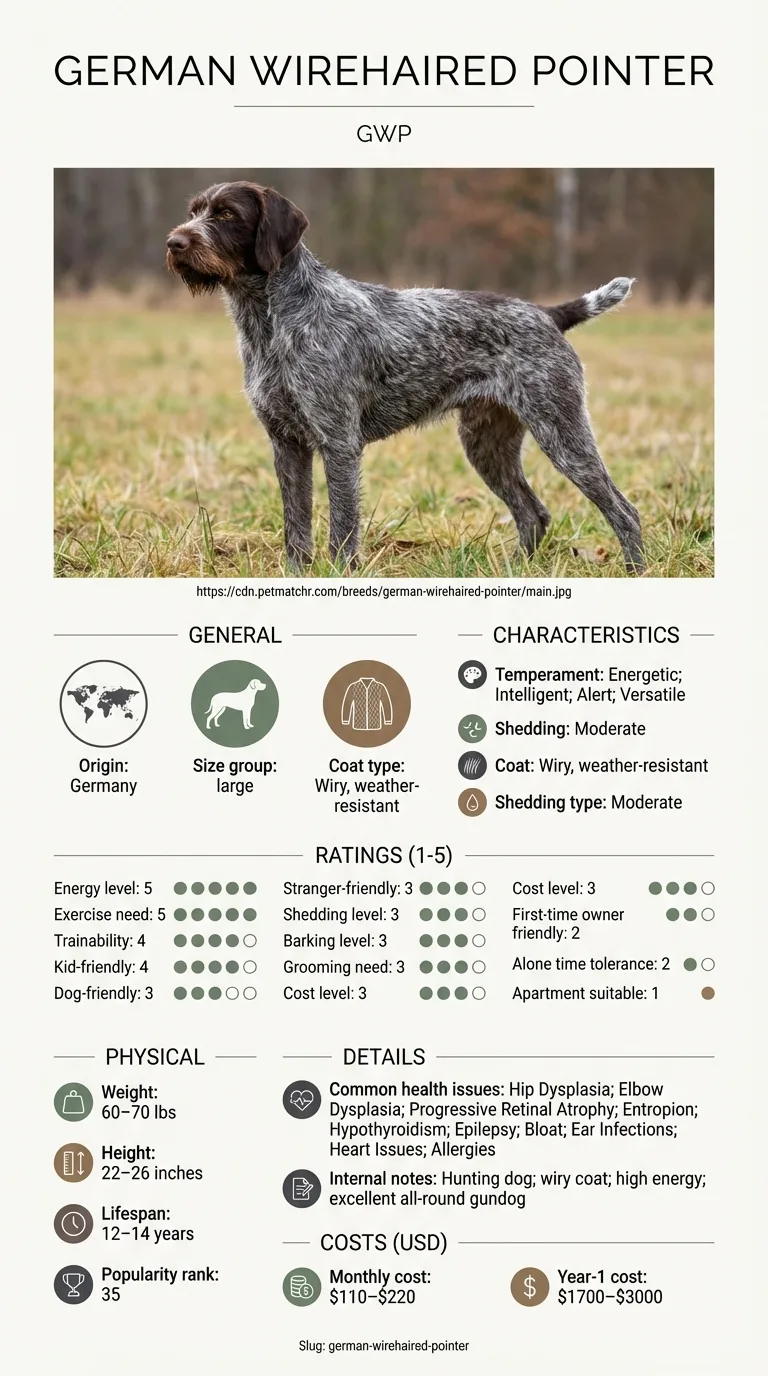
Frequently asked questions

Why does my German Wirehaired Pointer have osteochondritis dissecans (OCD)?

German Wirehaired Pointers may develop osteochondritis dissecans (OCD) due to genetic predispositions, rapid growth, or excessive exercise during their formative months. It's essential to monitor their activity levels and consult your vet to understand specific risk factors for your dog.

How can I stop my German Wirehaired Pointer from having issues with OCD?

To manage German Wirehaired Pointer osteochondritis dissecans (OCD), focus on controlled exercise and weight management. Reducing high-impact activities can help prevent further joint damage, and working with a vet on a tailored fitness plan is crucial.

What are the signs of osteochondritis dissecans (OCD) in my German Wirehaired Pointer?

Signs of OCD in a German Wirehaired Pointer include limping, reluctance to exercise, swelling around the joints, or difficulty moving. If you notice any of these symptoms, it's important to consult your veterinarian for proper diagnosis and treatment.

Can osteochondritis dissecans (OCD) be treated without surgery?

In some cases, German Wirehaired Pointer osteochondritis dissecans (OCD) can be managed through rest, physical therapy, and anti-inflammatory medications. However, severe cases may still require surgical intervention, so always discuss options with your vet.

How does training help with OCD in German Wirehaired Pointers?

Training can help your German Wirehaired Pointer with OCD by reinforcing controlled movements and reducing the risk of injury. Incorporating gentle training exercises can strengthen muscles around the joints, providing better support and stability.

What are the early signs of German Wirehaired Pointer osteochondritis dissecans (ocd)?

Early signs of German Wirehaired Pointer osteochondritis dissecans (ocd) may include limping, reluctance to play or exercise, and stiffness after resting. Keep an eye on any unusual behavior, especially if your dog seems to favor one leg.

Can osteochondritis dissecans (ocd) in German Wirehaired Pointers be managed with training?

While training can help manage your German Wirehaired Pointer's behavior, it won't directly treat osteochondritis dissecans (ocd). Focus on gentle, low-impact activities and consult your vet for specific training techniques that accommodate your dog's condition.

When should I consider seeing a vet for my dog's joint pain?

If your German Wirehaired Pointer shows persistent signs of pain, such as difficulty walking or yelping when touched, it's time to see a vet. Early intervention can prevent further damage and improve your dog's quality of life.

Are older German Wirehaired Pointers more prone to osteochondritis dissecans (ocd)?

Osteochondritis dissecans (ocd) typically affects younger dogs, but older German Wirehaired Pointers can experience joint issues due to wear and tear. Regular check-ups can help monitor their joint health as they age.

How can I support my German Wirehaired Pointer during recovery from osteochondritis dissecans (ocd)?

Support your German Wirehaired Pointer's recovery by providing a comfortable resting area and following your vet's recommendations for exercise and medication. Keeping their weight in check can also reduce joint stress.

Quick answers

View more answers
Behavior

What are some quick tips for managing German Wirehaired Pointer osteochondritis dissecans (OCD)?

To manage German Wirehaired Pointer osteochondritis dissecans (OCD), limit high-impact activities, maintain a healthy weight, and consult your vet for a tailored exercise plan.

Health

How can I tell if my dog is in pain from OCD?

Signs that your German Wirehaired Pointer may be in pain from OCD include limping, reluctance to play, or unusual aggression when touched near their joints.

Health

Is surgery always necessary for OCD treatment?

Not always. Many cases of German Wirehaired Pointer osteochondritis dissecans (OCD) can be managed with non-surgical methods, but severe instances may require surgery.

Living

Can exercise worsen OCD in my dog?

Yes, excessive or high-impact exercise can worsen German Wirehaired Pointer osteochondritis dissecans (OCD). It's essential to follow a vet-recommended exercise routine.

Health

What should I feed my dog if they have OCD?

A balanced diet that supports joint health is crucial for dogs with German Wirehaired Pointer osteochondritis dissecans (OCD). Consult your vet for recommendations on appropriate foods and supplements.

Related DogBreedCompass guides

Related guides