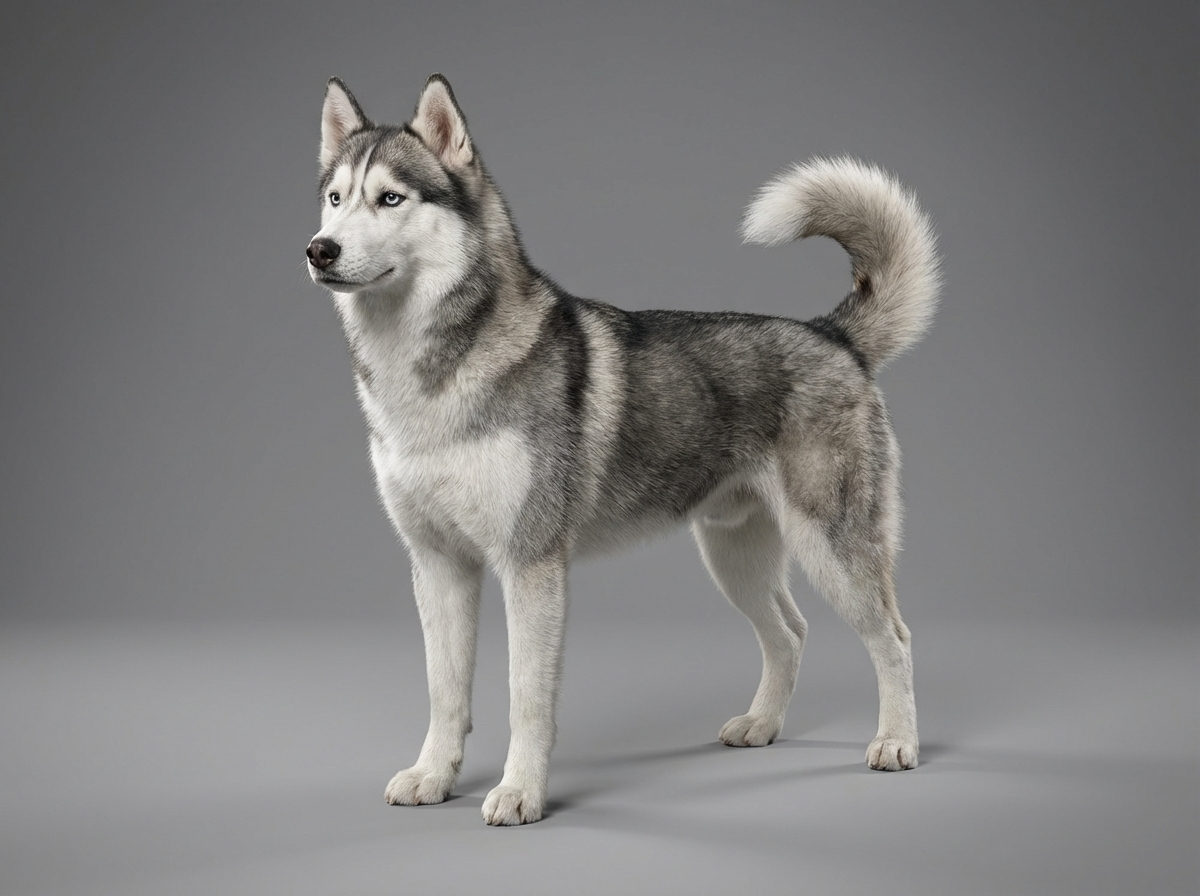
Ultimate Guides: "Complete Guide to Choosing a Dog for [X]: Ultimate Guides: Complete Guide to Choosing a Dog for You
Choosing the right dog can be overwhelming. This complete guide will help you understand what to consider based on your lifestyle and needs. (Ultimate Guides: "Complete Guide to Choosing a Dog for [X])
Why Choosing the Right Dog Matters – Ultimate Guides: "Complete Guide to Choosing a Dog for [X]
Choosing a dog is a big decision that affects your life for years to come. Different breeds have unique traits, energy levels, and needs that can greatly influence your lifestyle. This guide is here to help you navigate through those choices and find the perfect match for your household.
What You’ll Learn in This Guide
This ultimate guide covers everything you need to know about choosing a dog. From understanding breed characteristics to evaluating your home environment, we’ll dive into essential considerations. We’ll also touch on ownership costs, training tips, and how to handle common challenges that may arise.
Why This Guide is Important for You
Many first-time dog owners underestimate the commitment involved in dog ownership. It’s not just about finding a cute puppy; it’s about ensuring that you and your future furry friend are compatible. This guide aims to prevent potential issues by addressing these important factors upfront, so you can make an informed choice.
How to Use This Guide Effectively
As you progress through the guide, take notes on what resonates with you. Reflect on your lifestyle, family dynamics, and what you want in a dog. Each section will provide insights and practical tips to help you evaluate your options.
Key Takeaways for Potential Dog Owners
Here are some key takeaways to keep in mind as you start your dog-finding journey:
- Assess your living situation, including space and time available for a pet.
- Research different breeds to understand their needs and characteristics.
- Consider long-term costs such as food, vet visits, and training.
Step-by-Step Guide to Choosing the Right Dog
Follow these steps to make a thoughtful decision about bringing a dog into your life. Each step includes actionable tasks that can help you find the perfect furry companion.
- Step 1: Assess Your Lifestyle
- Step 2: Research Dog Breeds
- Step 3: Evaluate Ownership Costs
- Step 4: Visit Shelters and Breeders
- Step 5: Prepare Your Home
- Step 6: Consider Training and Socialization
- Step 7: Make the Final Decision
Common Mistakes in Choosing a Dog
Choosing the right dog can be challenging. Many new owners make common mistakes that can lead to stress for both them and their new pet. Here are some frequent pitfalls to avoid.
- Not Considering Activity Level: Many people choose a dog based on looks rather than lifestyle. A high-energy dog needs regular exercise, and if you live a sedentary lifestyle, this can lead to behavioral issues.
- Ignoring Size and Space Requirements: Selecting a large breed for a small apartment can be a recipe for disaster. Owners may underestimate the space a dog needs to thrive, leading to frustration and anxiety for the dog.
- Underestimating Lifespan and Commitment: Dogs are a long-term commitment, often living 10-15 years or more. Some people fail to consider how their life might change over that time, which can lead to abandonment or rehoming.
- Neglecting Health Care Costs: Many new owners forget about the ongoing health care expenses associated with dog ownership. Regular vet visits, vaccinations, and potential emergencies can add up quickly, stressing your budget.
- Failing to Research Breed-Specific Traits: Every breed has unique characteristics and potential health issues. Not researching these can result in unexpected challenges that may not align with your lifestyle.
- Skipping Training: Many owners assume that dogs will naturally understand house rules. In reality, early training is crucial for a well-behaved pet. Neglecting this can lead to behavioral problems down the line.
- Not Considering the Family Dynamic: Bringing a dog into a home with young children or other pets requires careful consideration. Some breeds may not be suitable for families, leading to conflicts that could have been avoided.
Debunking Common Myths About Choosing a Dog
When considering the ultimate guide to choosing a dog, it's important to separate myth from fact. Here are some common misconceptions that can lead to poor decisions.
- Myth: All dogs are the same and will fit into any lifestyle.
- Myth: Purebred dogs are always healthier than mixed breeds.
- Myth: You can train any dog to be a perfect pet with enough effort.
- Myth: Dogs only need basic care, like food and water.
- Myth: Adopting a dog is always cheaper than buying one.
Advanced Tips for Choosing the Right Dog
If you're ready to dive deeper into the process of choosing a dog, here are some advanced tips to consider. These insights will help you refine your decision-making and ensure you find the perfect canine companion for your lifestyle.
- Assess Your Lifestyle: Evaluate your daily routine and activities to determine which dog breeds fit best. Consider energy levels, exercise needs, and time for training.
- Research Breed Traits: Go beyond the basics and delve into specific breed characteristics. Look at temperament, grooming needs, and potential health issues to find a breed that aligns with your lifestyle.
- Consider Adoption vs. Breeders: Decide if you want to adopt from a shelter or buy from a breeder. Each option has its pros and cons, and understanding both can lead to a more informed choice.
- Connect with Local Dog Owners: Join community groups or forums to get firsthand experiences from other dog owners. They can offer valuable insights into breed behavior and ownership costs.
- Prepare Your Home: Before bringing a dog home, ensure your living space is safe and welcoming. Dog-proof your home and gather necessary supplies to make the transition easier.
Insider Secrets to Choosing the Right Dog
Finding the perfect dog isn't just about picking a breed. Here are some insider secrets that can make your decision easier and more informed.
- Consider the dog's energy level in relation to your lifestyle. Active breeds need more exercise, while others may be more laid-back.
- Research breed-specific health issues. Some breeds are prone to certain conditions, which can affect ownership costs and your vet visits.
- Think about long-term commitment. Dogs can live 10-15 years or more, so consider your future plans regarding work, family, and living situation.
- Don’t overlook mixed breeds. They often combine the best traits of their parent breeds and can be more adaptable to different living situations.
- Try fostering before committing. This gives you a real-life experience and can help you determine if a particular breed fits your household.
Checklist for Choosing the Right Dog
This checklist will guide you through the essential steps to selecting the perfect dog for your lifestyle. Follow these steps to ensure you're making an informed decision.
- Assess your lifestyle: Consider your daily routine, work schedule, and activity level.
- Evaluate your living situation: Determine if you have enough space for a dog and check for pet policies.
- Research breeds: Look into different dog breeds to find one that matches your energy level and personality.
- Consider maintenance: Think about grooming needs, health issues, and exercise requirements.
- Budget for costs: Calculate the expected costs of food, vet visits, supplies, and training.
- Meet potential dogs: Spend time with dogs at shelters or breeders to see which ones connect with you.
- Prepare your home: Make necessary adjustments to ensure a safe and comfortable environment for your new dog.
- Plan for training: Invest in training classes or resources to help your dog adjust well.
- Get necessary supplies: Purchase food, toys, a bed, and other essentials before bringing your dog home.
- Create a schedule: Establish a routine for feeding, walking, and training your new dog.
Frequently asked questions
What do I need to know about the ultimate guide to choosing a dog for [X]?
The ultimate guide to choosing a dog for [X] covers everything from selecting the right breed to understanding ownership costs and potential challenges. It provides insights into lifestyle compatibility and offers tips on training and care. This guide is perfect for anyone looking to make an informed decision about dog ownership. This answer relates to Ultimate Guides: "Complete Guide to Choosing a Dog for [X].
Is the ultimate guide to choosing a dog for [X] good for beginners?
Absolutely! The ultimate guide to choosing a dog for [X] is designed with beginners in mind. It breaks down complex information into easy-to-understand sections, making it accessible for first-time dog owners. You'll find valuable tips and resources to help you get started on the right foot.
How does the ultimate guide to choosing a dog for [X] work?
The ultimate guide to choosing a dog for [X] works by providing a step-by-step approach to dog selection. It helps you assess your lifestyle needs, budget, and available space, while also highlighting various breeds that fit your criteria. Each section includes practical tips and resources to simplify the decision-making process.
What factors should I consider in the ultimate guide to choosing a dog for [X]?
Several factors are crucial when using the ultimate guide to choosing a dog for [X]. These include your living situation, activity level, and family dynamics. It's also essential to consider the breed's temperament, grooming needs, and health concerns to find the best fit for your home.
Can the ultimate guide help with dog behavior issues?
Yes, the ultimate guide to choosing a dog for [X] addresses common behavior issues and how to prevent them. It provides tips on training and socialization, which are vital for a well-adjusted pet. Understanding these aspects can help you enjoy a harmonious relationship with your new dog.
What should I consider when choosing a dog for my lifestyle?
When selecting a dog, think about your daily routine, living space, and activity levels. Some breeds require more exercise and mental stimulation, while others may be more relaxed. It's essential to match a dog’s needs with your own to ensure a happy companionship.
Are there specific dog breeds better suited for families with children?
Yes, certain breeds are known for their patience and gentle nature with kids. Breeds like Golden Retrievers and Labradors tend to be friendly and tolerant. However, always supervise interactions between dogs and young children to ensure safety and comfort for both.
How can I find out about a dog breed's temperament?
Researching each breed's characteristics is crucial. This information can often be found in breed-specific guides, dog breed websites, or from reputable breeders. Additionally, talking to dog owners can provide real-life insights into breed behavior.
What if I have allergies? Are there dog breeds that are better for allergy sufferers?
Yes, some breeds are considered hypoallergenic, such as Poodles and Bichon Frises. These breeds tend to shed less and produce fewer allergens. However, individual reactions can vary, so spend time with a breed before making a decision.
How important is training when choosing a dog?
Training is extremely important in establishing a healthy relationship with your dog. Some breeds are more trainable than others, while certain dogs may require more patience and consistent training. Consider your ability to commit time to training when choosing a dog.
Can I adopt a dog from a shelter instead of buying from a breeder?
Absolutely! Adopting from a shelter is a wonderful option. Many dogs in shelters need loving homes, and you can often find a variety of breeds. Just be sure to ask about the dog's history and temperament to find a good fit for your lifestyle.
What are the long-term costs of owning a dog?
Long-term costs include food, grooming, veterinary care, and supplies. On average, dog owners can expect to spend anywhere from $500 to $2,000 annually, depending on the breed and individual needs. It's essential to budget accordingly to ensure you can provide for your dog throughout its life.