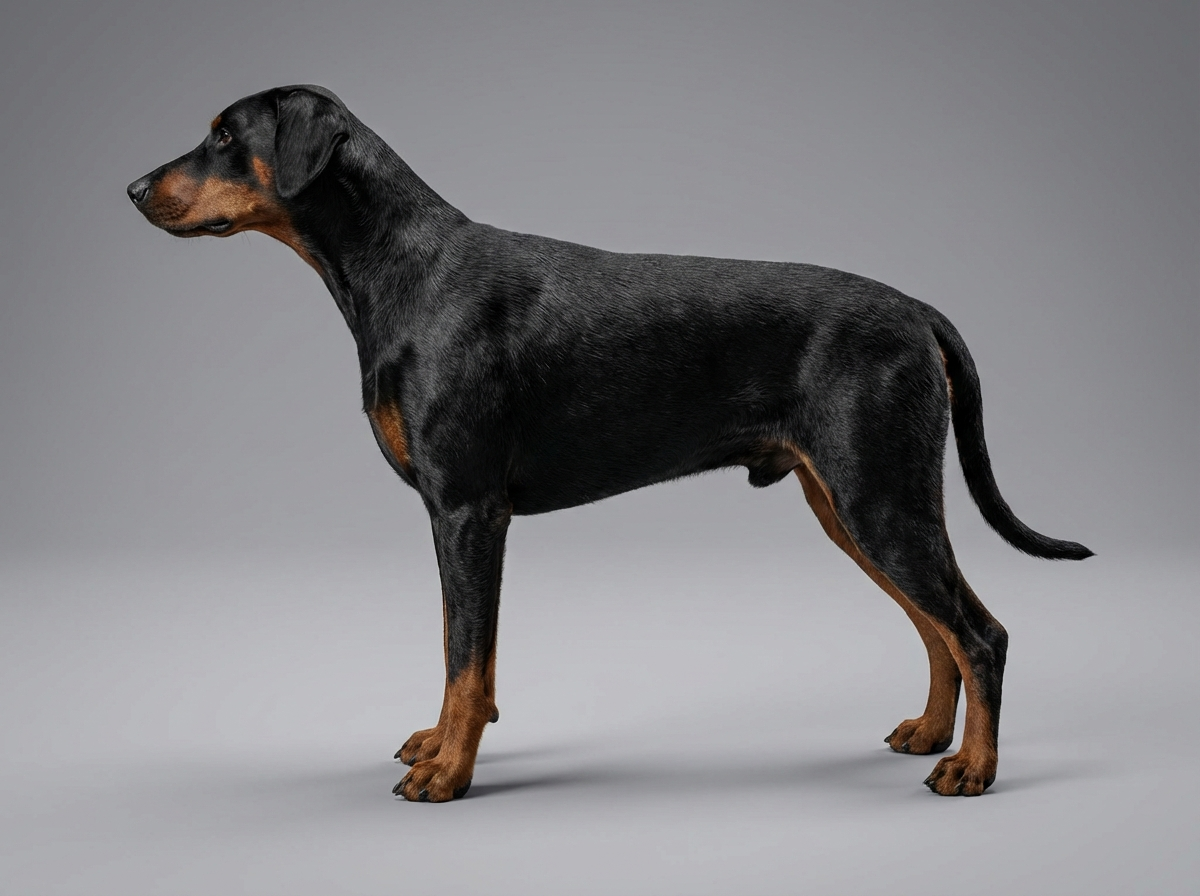
What are quick tips for Doberman Pinscher autoimmune diseases?
Provide a balanced diet, keep stress levels low, and ensure regular vet check-ups. Monitor their skin for any changes or infections, and consult your vet immediately if issues arise.
Autoimmune diseases can be a serious concern for Doberman Pinschers, leading to skin conditions and hair loss. (Doberman Pinscher autoimmune diseases)

Owners of Doberman Pinschers who notice skin problems or sudden changes in behavior often struggle with these autoimmune diseases. This may include pet parents who are busy and unaware of the signs, as well as those who have recently adopted a Doberman.
This guide is not medical advice. If your dog shows pain, sudden behavior change, or worsening symptoms, consult a licensed veterinarian.
Some links may be affiliate links. We may earn a commission at no extra cost to you. We only suggest products we believe are helpful for dog owners.
Doberman Pinscher autoimmune diseases can be a challenging issue for owners. These conditions often lead to skin problems, such as sores and hair loss, which can be distressing for both the dog and the owner. Daily life may involve regular vet visits, special diets, and a close watch on symptoms like excessive scratching or unusual behavior.
Autoimmune diseases are relatively common in Doberman Pinschers compared to other breeds. Many Dobermans may experience at least one autoimmune issue during their lifetime, making awareness and proactive care essential.
Doberman Pinschers are genetically predisposed to certain autoimmune diseases. Their immune systems can mistakenly attack their own tissues, leading to conditions like skin disorders and other health issues. This susceptibility is more common in larger breeds like Dobermans.
Environmental factors also play a role in autoimmune diseases. Stress, poor nutrition, and exposure to certain chemicals can weaken a Doberman's immune system. An unhealthy living environment or lack of proper care can exacerbate these issues.
If your Doberman exhibits signs of anxiety or stress related to their condition, working with a trainer specializing in canine behavior can help. They can teach you strategies to manage your dog's stress and improve their overall well-being.
If you notice persistent skin issues or other concerning symptoms, consult your vet. They can provide a proper diagnosis and recommend treatment options for autoimmune diseases. Early intervention is crucial for managing your Doberman's health effectively.
Addressing Doberman Pinscher autoimmune diseases can take several months of consistent management and care. Initially, you might see some improvement within 4 to 6 weeks after starting a treatment plan.
Success means your Doberman shows fewer symptoms, such as reduced sores and improved coat health. Regular vet check-ups will help monitor progress and adapt treatment as needed.
Avoiding common pitfalls can help improve your Doberman's autoimmune issues. Here are mistakes many owners make and how to correct them.
Red flags that mean you should call your vet immediately include severe skin sores, excessive bleeding, or signs of infection such as swelling and pus. If your Doberman shows sudden lethargy, loss of appetite, or difficulty breathing, these are also urgent signs. Autoimmune diseases can progress quickly, and timely treatment is essential.
On the other hand, if your dog has mild skin irritation or occasional hair loss without other alarming symptoms, you can monitor these conditions at home. Keeping a close eye on their behavior and looking for any changes is important. Consider implementing a plan that includes regular check-ins with your vet, dietary adjustments, and proper skincare routines.
In summary, trust your instincts. If you feel something is off, don’t hesitate to reach out to your vet. It's better to be safe and ensure your Doberman is healthy and happy.

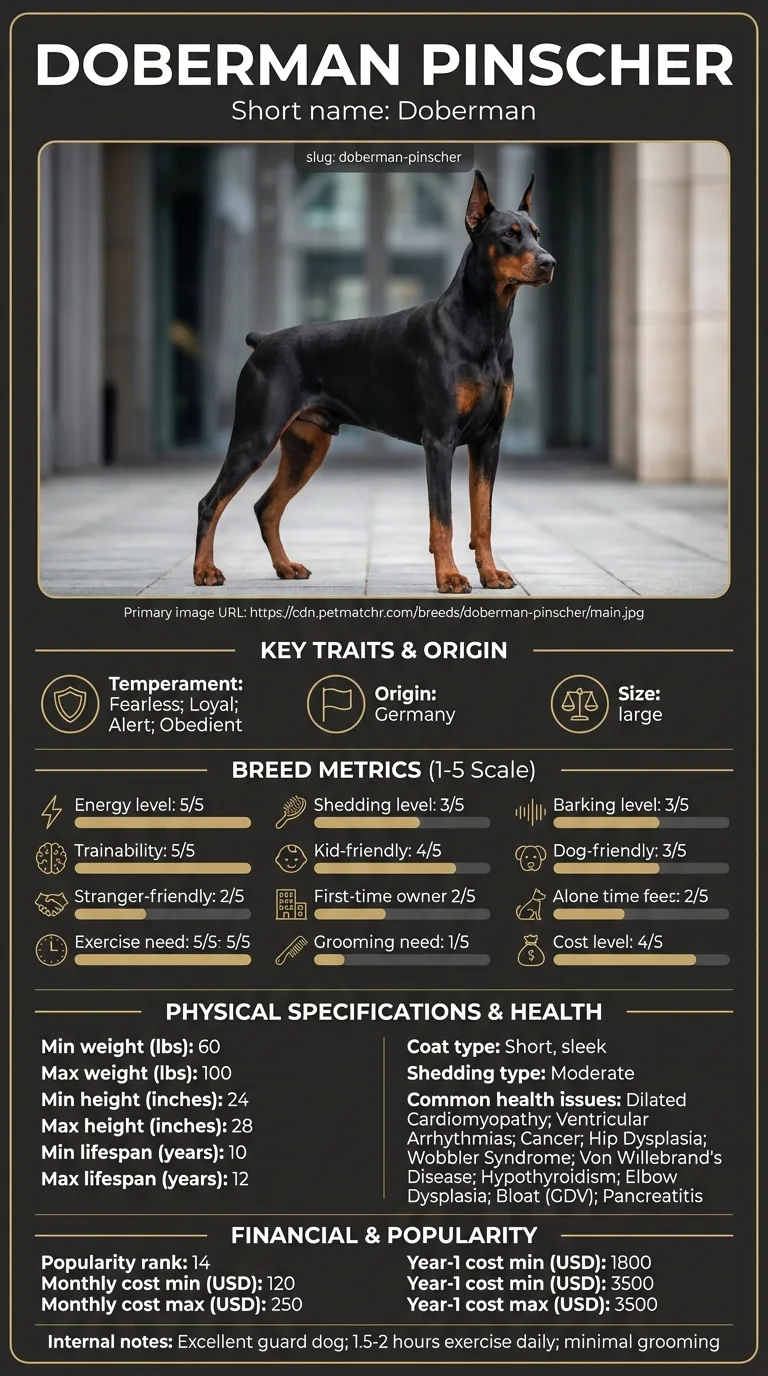
Sarah, a devoted Doberman owner, noticed her dog Max developing sores and losing patches of fur. Concerned, she took him to the vet, who diagnosed him with an autoimmune disease. It was a tough journey, requiring regular vet visits and a careful diet. With patience and dedication, Sarah followed the vet’s advice, including medication and supplements. After three months, Max's symptoms significantly improved, and his coat grew back healthier than ever.
Key takeaway: Consistent care and a tailored treatment plan can make a significant difference in managing Doberman Pinscher autoimmune diseases.
Doberman Pinschers are genetically predisposed to certain autoimmune diseases due to their immune system's response. Factors like genetics, environmental triggers, and stress can contribute to these health issues. Regular veterinary check-ups can help catch problems early.
While you can't always prevent autoimmune diseases, maintaining a healthy diet and reducing stress can help. Regular vet visits to monitor health are crucial. If issues arise, your vet may recommend medications or changes in care.
Common symptoms include skin conditions like sores and hair loss, lethargy, and recurrent infections. Watch for unusual behaviors, like excessive scratching or changes in appetite. If you notice these signs, consult your vet promptly.
Yes, training is vital to ensure your Doberman remains calm and well-behaved, especially if they're dealing with health issues. Positive reinforcement training can help ease anxiety and improve their overall well-being. Consider enrolling in a training class tailored for their needs.
Treatment options often include immunosuppressive medications, dietary changes, and managing stress. Your vet will tailor a treatment plan based on your Doberman's specific needs. Always follow your vet's guidance for the best results.
Common signs include skin conditions like sores, hair loss, and redness. You might also notice lethargy, loss of appetite, or changes in behavior. If you observe these symptoms, it's crucial to consult your vet.
Diet can play a role in managing autoimmune diseases, but it's not a cure. A balanced diet rich in essential nutrients may help support your dog's immune system. Always consult your vet before making any dietary changes.
Yes, some Doberman Pinschers may be more susceptible due to genetics. If you have a family history of autoimmune diseases in your dog, be extra vigilant for symptoms. Regular vet check-ups can help catch issues early.
Support can include providing a stress-free environment, regular vet visits, and following a treatment plan. Training and socialization can also help improve their overall well-being. Consider consulting a dog behaviorist for additional strategies.
If you notice any unusual symptoms like persistent skin issues, drastic changes in behavior, or appetite loss, it's time to visit the vet. Early intervention can make a significant difference in managing autoimmune diseases.
Provide a balanced diet, keep stress levels low, and ensure regular vet check-ups. Monitor their skin for any changes or infections, and consult your vet immediately if issues arise.
Boost your Doberman's immune system with a nutritious diet, plenty of exercise, and mental stimulation. Avoid exposure to known allergens and toxins.
Expect a multi-faceted approach, including medication and lifestyle changes. Regular check-ups will be necessary to adjust treatments as needed.