DogBreedCompass
← Back to breed profile

Bloodhound Cruciate Ligament Injuries: What You Need to Know

Bloodhound cruciate ligament injuries can lead to serious health issues. Understanding these injuries is crucial for your pet's well-being.

Bloodhound Cruciate Ligament Injuries: What You Need to Know infographic

Owners of Bloodhounds, especially those who lead active lifestyles, may struggle with these injuries. Many find it challenging to manage their dog's exercise needs while ensuring their safety.

Important reminder

This guide is not medical advice. If your dog shows pain, sudden behavior change, or worsening symptoms, consult a licensed veterinarian.

Some links may be affiliate links. We may earn a commission at no extra cost to you. We only suggest products we believe are helpful for dog owners.

What this problem looks like

Bloodhound cruciate ligament injuries are common and can severely impact your dog's mobility. These injuries typically manifest as limping, reluctance to run or jump, and signs of pain. Owners may notice their Bloodhound favoring one leg, especially after vigorous activities or sudden movements.

Common triggers

  • High-impact activities like jumping or running
  • Obesity, which increases stress on ligaments
  • Age-related wear and tear
  • Inadequate warm-ups before exercise
  • Slippery surfaces

Cruciate ligament injuries are fairly common in Bloodhounds, especially given their size and activity level. Many Bloodhounds experience these injuries at some point, often exacerbated by their playful and energetic nature. If your Bloodhound is active, being aware of these risks is crucial.

Why this happens

Breed factors

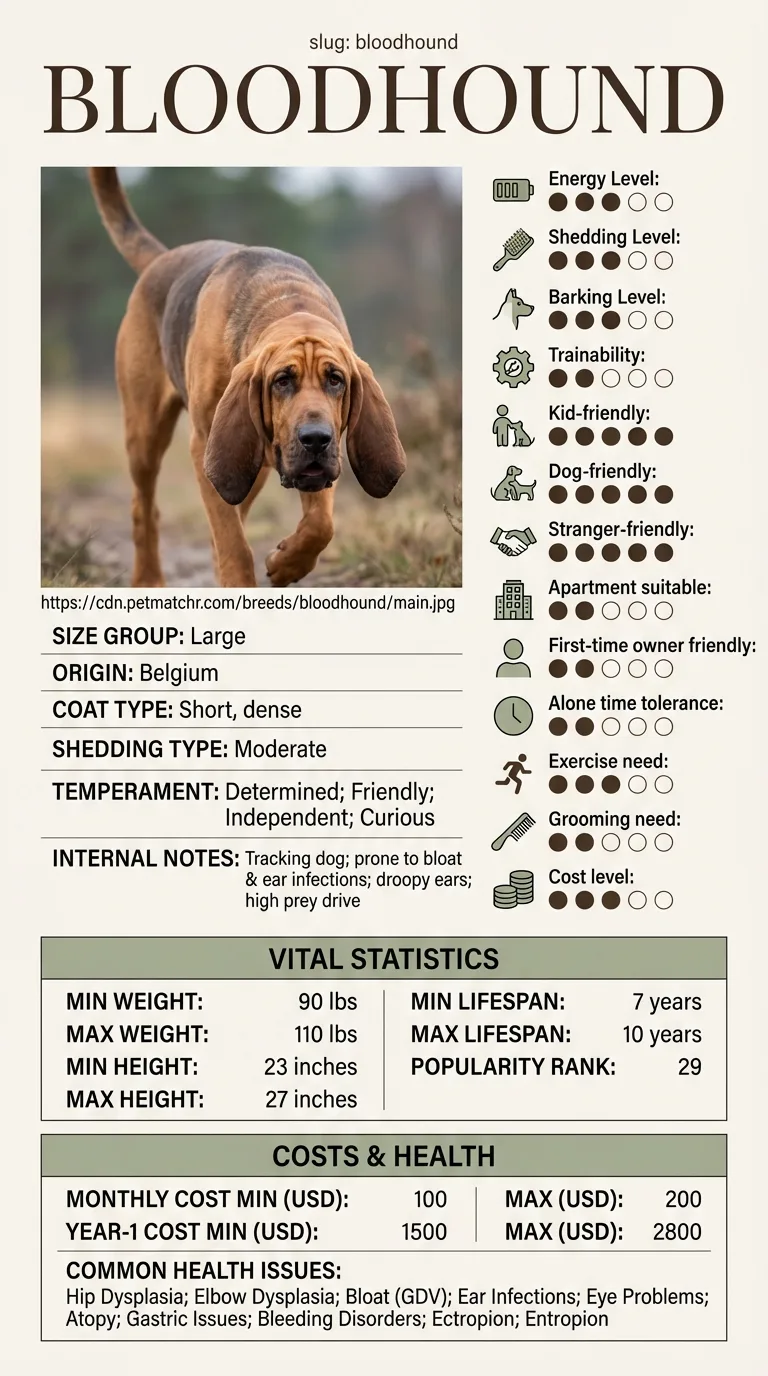
Bloodhounds are large dogs with a hefty weight range of 90 to 110 pounds. Their size and build can make them more susceptible to knee injuries, particularly cruciate ligament ruptures. Additionally, their independent nature may lead them to engage in activities that increase injury risk, such as excessive jumping or running.

Environment factors

Environmental factors also play a significant role. Poorly maintained surfaces, such as uneven ground or slippery floors, can increase the likelihood of accidents. Lack of proper exercise or warm-up routines before play can put extra strain on their joints, making injuries more likely.

What you can try

At-home strategies

  • Create a safe, clutter-free space for your Bloodhound to play. Ensure that the area is free from any hazards that could cause slips or falls.
  • Incorporate gentle stretching and warm-up exercises into your dog's routine before any physical activity. This can help prepare their muscles and joints for action.
  • Monitor your dog's weight to prevent excess strain on their joints. A balanced diet and regular exercise can help maintain a healthy weight.
  • Use supportive gear like knee braces during vigorous activities if your vet recommends them. This can provide additional stability to your dog's joints.

When to consider a trainer

If your Bloodhound is consistently showing signs of joint discomfort, or if they struggle with basic commands and self-control during play, consider hiring a professional trainer. A trainer can help teach your dog safe play techniques and improve their overall obedience.

When to talk to your vet

If your Bloodhound is limping, shows reluctance to move, or seems to be in pain after activity, it's crucial to consult your veterinarian. They can assess the injury and recommend appropriate treatment options, including physical therapy or surgery if necessary.

Realistic expectations

Addressing Bloodhound cruciate ligament injuries typically takes 3 to 6 months of consistent training and rehabilitation.

Success means your Bloodhound can move comfortably without pain, regain strength in the affected leg, and resume normal activities. Regular vet check-ups will help track progress.

Mistakes that make this worse

Avoiding these common mistakes can help manage and prevent Bloodhound cruciate ligament injuries.

  • Ignoring early signs of discomfort: Not addressing limping or reluctance to play can worsen injuries. Instead, be proactive by consulting a vet at the first sign of pain.
  • Over-exercising: High-impact activities can strain ligaments. Opt for low-impact exercises like swimming or walking on soft surfaces.
  • Neglecting weight management: Obesity increases stress on joints. Ensure your Bloodhound maintains a healthy weight through balanced nutrition and regular exercise.
  • Poor training techniques: Using harsh corrections can lead to anxiety and injury. Employ positive reinforcement methods to encourage safe behavior.
  • Skipping warm-ups: Jumping into vigorous play without a warm-up can lead to injuries. Always start with light activity to prepare their muscles.
  • Not providing adequate rest: Overworking your dog can delay recovery. Allow your Bloodhound plenty of downtime, especially after an injury.
  • Ignoring joint supplements: Some owners overlook the benefits of joint support. Consider consulting your vet about adding glucosamine or omega-3s to their diet.

When Bloodhound Cruciate Ligament Injuries Are an Emergency

Recognizing when a Bloodhound's cruciate ligament injury is an emergency can be crucial for their health. Certain signs should prompt immediate action, while other symptoms can be monitored over time. If your Bloodhound shows severe limping, swelling around the knee, or is unable to bear weight on the affected leg, these are red flags that require a vet visit right away.

Bloodhound Cruciate Ligament Injuries: What You Need to Know - When Bloodhound Cruciate Ligament Injuries Are an Emergency

Symptoms to Monitor

If your Bloodhound is limping mildly or showing slight discomfort but can still walk, you might not need to rush to the vet. Instead, monitor the situation for worsening signs. Keeping your dog calm and limiting exercise can help prevent further injury as you assess their condition over the next few days.

Bloodhound Cruciate Ligament Injuries: What You Need to Know - Symptoms to Monitor

A Journey of Recovery: Max the Bloodhound

Max, a 5-year-old Bloodhound, faced a tough challenge when he ruptured his cruciate ligament while playing in the backyard. His owner, Sarah, initially felt overwhelmed by the vet's recommendations for surgery and rehabilitation. After some research, she decided to start with a combination of controlled exercise and guided physical therapy instead of immediately opting for surgery. With diligent effort over several months, including following a tailored exercise plan and regular vet visits, Max gradually regained his strength and mobility. Sarah learned to recognize the signs of overexertion and adapted their routine accordingly, which helped Max thrive without surgical intervention.

Key takeaway: With patience and a solid plan, many Bloodhounds can recover from cruciate ligament injuries without surgery, but it requires commitment and professional guidance.

Frequently asked questions

Why does my Bloodhound have cruciate ligament injuries?

Bloodhound cruciate ligament injuries often occur due to their large size and active nature. These breeds are prone to knee ligament issues, especially if they engage in high-impact activities without proper conditioning. Factors like age, weight, and existing health conditions can also increase the risk.

How can I stop Bloodhound cruciate ligament injuries?

To help prevent Bloodhound cruciate ligament injuries, ensure your dog has a balanced exercise routine. Gradually increase activity levels and avoid sudden, high-impact play. Regular check-ups with a veterinarian can help identify any risk factors early.

What are the signs of cruciate ligament injuries in Bloodhounds?

Signs of cruciate ligament injuries include limping, reluctance to put weight on the affected leg, and swelling around the knee joint. You may also notice your Bloodhound being less active or showing signs of pain when moving. If you see these symptoms, consult your vet promptly.

What should I do if my Bloodhound injures its cruciate ligament?

If your Bloodhound has a cruciate ligament injury, limit their activity immediately and consult a veterinarian. They may recommend rest, pain management, or even surgery, depending on the severity of the injury. Follow your vet's guidance for rehabilitation to aid recovery.

Can training help prevent cruciate ligament injuries in Bloodhounds?

Yes, proper training can help prevent Bloodhound cruciate ligament injuries. Focus on strengthening the muscles around the knee through controlled exercises, and avoid abrupt movements that can stress the ligaments. Consistent training can improve their overall stability and agility.

What are the symptoms of cruciate ligament injuries in Bloodhounds?

Symptoms can include limping, swelling around the knee, and reluctance to put weight on the affected leg. You may also notice your Bloodhound having difficulty getting up or jumping.

Can older Bloodhounds get cruciate ligament injuries?

Yes, older Bloodhounds are at a higher risk for cruciate ligament injuries due to age-related wear and tear on their joints. Regular check-ups with your vet can help monitor their joint health.

How can I prevent cruciate ligament injuries in my Bloodhound?

To help prevent injuries, keep your Bloodhound at a healthy weight and provide regular, low-impact exercise. Training that strengthens their leg muscles, such as controlled walking and swimming, can also be beneficial.

When should I see a vet for my Bloodhound's knee pain?

If your Bloodhound shows persistent limping or signs of pain, it's important to consult a vet. Early diagnosis can lead to better treatment options and a quicker recovery.

Are cruciate ligament injuries hereditary in Bloodhounds?

While genetics can play a role, environmental factors like weight and activity level also significantly influence the risk of cruciate ligament injuries. Responsible breeding practices can help minimize hereditary risks.

Quick answers

View more answers
Behavior

What are some quick tips for Bloodhound cruciate ligament injuries?

To prevent these injuries, ensure your Bloodhound has a balanced exercise routine and maintain a healthy weight. Regular vet check-ups are also important to monitor their joint health.

Costs

How much does treatment cost for Bloodhound cruciate ligament injuries?

Treatment for Bloodhound cruciate ligament injuries can range from $1,500 to $3,000, depending on the severity and whether surgery is required.

Health

What is the recovery time for a Bloodhound with a cruciate ligament injury?

Recovery time for Bloodhound cruciate ligament injuries varies but typically ranges from 6 weeks to several months, depending on treatment type and adherence to rehabilitation.

Living

Can I still exercise my Bloodhound after a cruciate ligament injury?

After a cruciate ligament injury, it's important to follow your vet's advice on when to resume exercise. Gradual reintroduction of activity is key for safe recovery.

Related DogBreedCompass guides

  • how to stop Bloodhound cruciate ligament injuriesUnderstanding how to prevent injuries can help your Bloodhound stay active and healthy.
  • Bloodhound cruciate ligament injuries trainingTraining is crucial for managing your Bloodhound’s behavior and health.
  • Bloodhound behavior problemsLearn about common behavior problems in Bloodhounds to better understand their needs.
  • Bloodhound separation anxiety guideIf your Bloodhound is feeling anxious, this guide can help you address it effectively.
  • Bloodhound cost breakdownUnderstanding the costs associated with owning a Bloodhound can help you plan better.

Related guides