DogBreedCompass
← Back to breed profile

Understanding Bloodhound Allergic Reactions

Bloodhound allergic reactions can be a frustrating challenge for owners. These reactions may cause discomfort and health issues for your beloved pet.

Understanding Bloodhound Allergic Reactions infographic

This issue often affects owners who are new to the breed or those who live in areas with high pollen counts, dust, or other allergens. Busy families or individuals with active lifestyles may find it especially challenging to monitor and address these reactions.

Important reminder

This guide is not medical advice. If your dog shows pain, sudden behavior change, or worsening symptoms, consult a licensed veterinarian.

Some links may be affiliate links. We may earn a commission at no extra cost to you. We only suggest products we believe are helpful for dog owners.

What this problem looks like

Bloodhound allergic reactions can manifest in various ways, from itching and redness to gastrointestinal issues. These reactions may occur due to food allergies, environmental triggers like pollen, or even contact with certain materials. Owners may notice their Bloodhound scratching excessively, experiencing skin irritations, or having digestive upset after eating or being outdoors.

Common triggers

  • Certain food ingredients, such as grains or proteins
  • Pollen from grass, trees, and weeds
  • Dust mites and mold in the home
  • Fleas and other parasites
  • Chemicals in cleaning products or grooming supplies

Allergic reactions are relatively common in Bloodhounds, with studies suggesting they have a 276% higher risk compared to some other breeds. Many owners report facing these reactions at least once, and understanding the signs can help manage their impact.

Why this happens

Breed factors

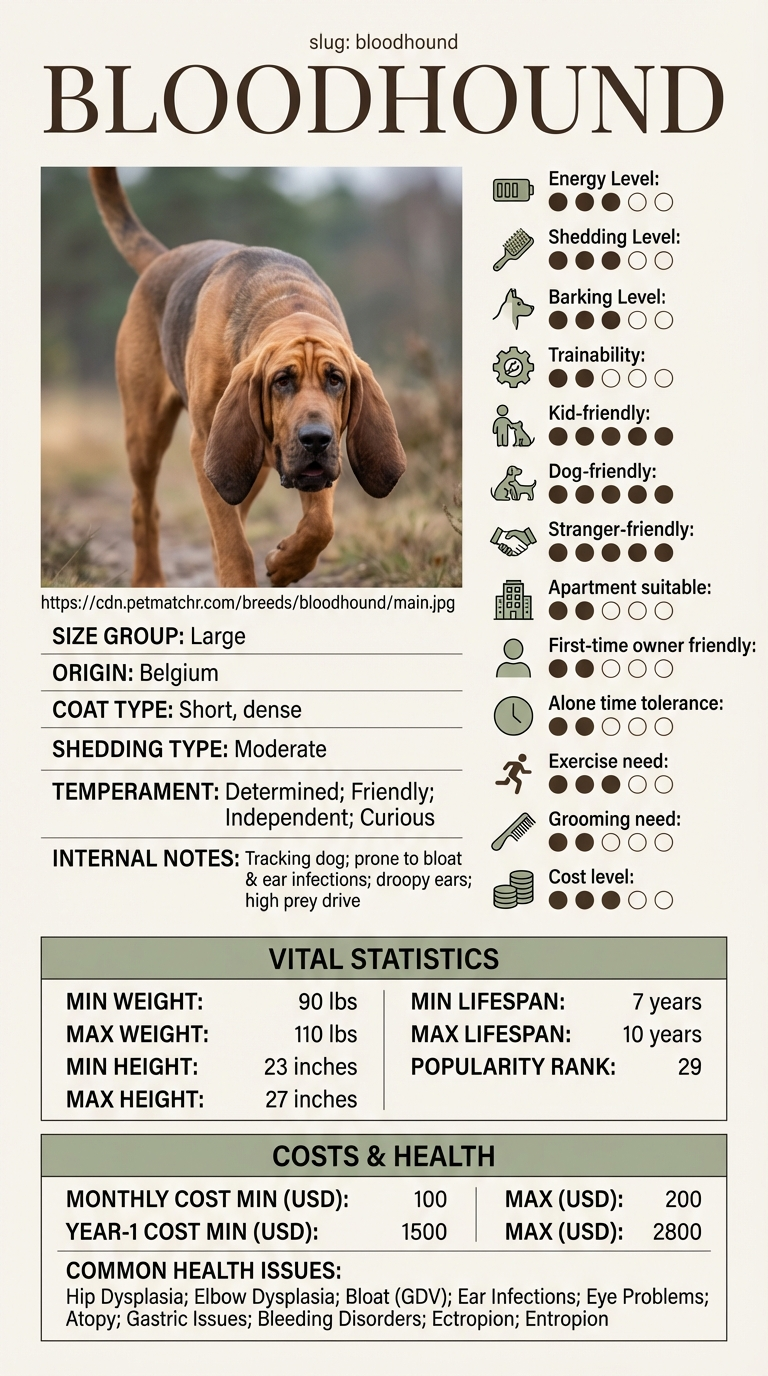
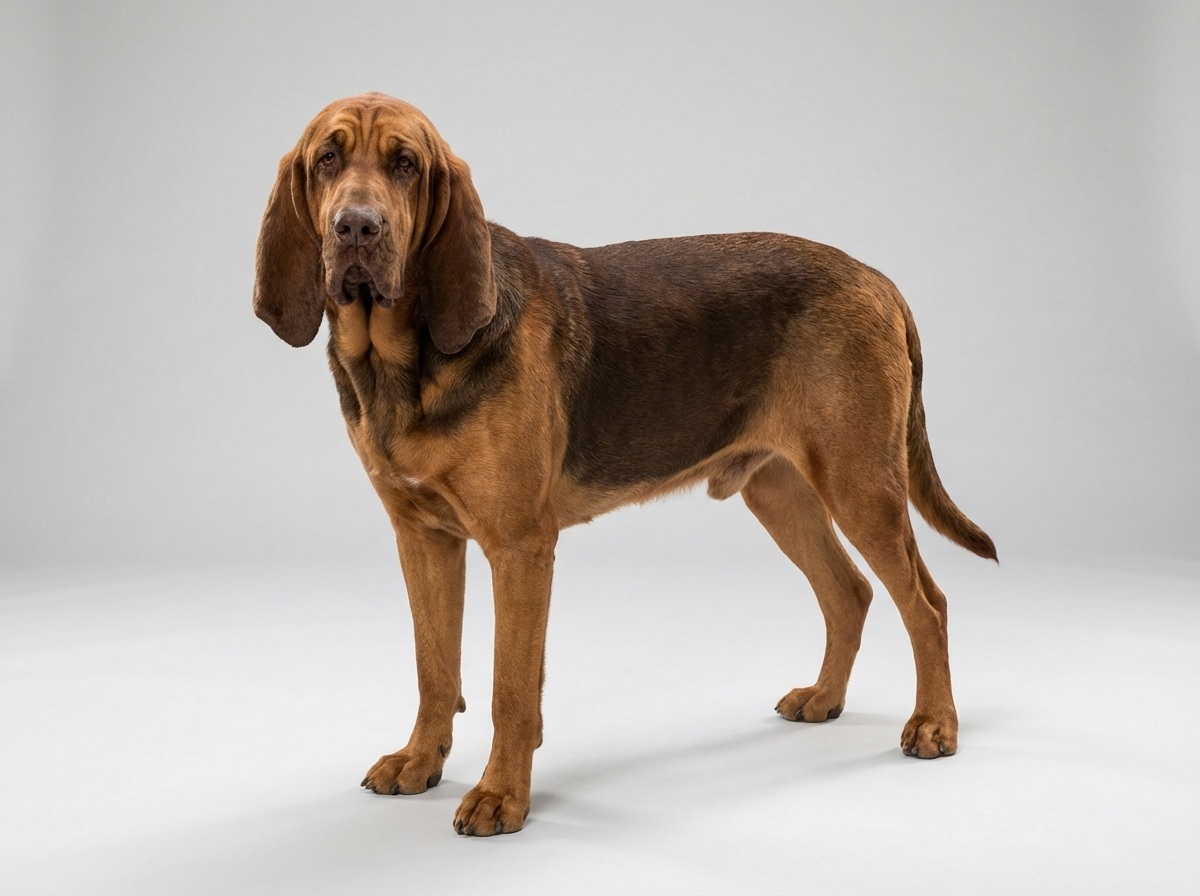
Bloodhounds can be prone to allergic reactions due to their sensitive skin and high shedding levels. Their droopy ears and skin folds also create a warm, moist environment that can foster infections and allergies.

Environment factors

Allergic reactions in Bloodhounds can be triggered by environmental factors like pollen, dust mites, or certain food ingredients. Changes in diet or exposure to new cleaning products can also lead to unexpected reactions.

What you can try

At-home strategies

  • 1. Keep your Bloodhound's environment clean by regularly vacuuming and using air purifiers to reduce allergens.
  • 2. Bathe your dog with hypoallergenic shampoo every few weeks to help soothe their skin and remove irritants.
  • 3. Monitor their diet and consider switching to a limited ingredient dog food to identify potential food allergies.
  • 4. Introduce new foods slowly, keeping a detailed log of any changes in their health or behavior.
  • 5. Regularly check their ears for signs of infection and clean them with vet-recommended solutions.

When to consider a trainer

If your Bloodhound shows severe reactions or changes in behavior, consider consulting a professional trainer who specializes in behavior problems, as this can help address anxiety related to allergies.

When to talk to your vet

If your Bloodhound experiences persistent allergic reactions, such as swelling, itching, or gastrointestinal upset, it’s essential to contact your vet. They can recommend tests or medications to alleviate your dog's symptoms.

Realistic expectations

You can expect to see improvements in your Bloodhound's allergic reactions within 4 to 8 weeks of consistent management and training.

Success looks like your Bloodhound experiencing fewer allergic symptoms, such as itching and skin irritations, and responding well to treatment plans or dietary changes.

Mistakes that make this worse

Avoiding common mistakes can help alleviate your Bloodhound's allergic reactions. Here are some behaviors to steer clear of.

  • Ignoring Symptoms: Failing to recognize signs of an allergic reaction can lead to worsening conditions. Keep an eye out for itching, swelling, or gastrointestinal issues.
  • Using Harsh Cleaning Products: Many household cleaners can trigger allergic reactions. Opt for pet-safe cleaning products to reduce exposure to irritants.
  • Inconsistent Diet: Switching your Bloodhound's food too often can upset their stomach and trigger allergies. Stick to a consistent diet that has been approved by your vet.
  • Overlooking Environmental Allergens: Dust, pollen, and mold can all contribute to allergic reactions. Regularly clean your home and consider using air purifiers to mitigate these allergens.
  • Neglecting Veterinary Advice: Skipping vet visits or not following their recommendations can prolong your dog's discomfort. Consult your vet for appropriate treatments or dietary changes.
  • Delaying Treatment: Waiting too long to address your dog's allergic reactions can lead to more severe health issues. It's better to act quickly when you notice symptoms.
  • Self-Medicating: Giving your Bloodhound over-the-counter medications without veterinary guidance can be dangerous. Always consult with your vet before administering any medication.

When Bloodhound Allergic Reactions Are an Emergency

Recognizing when Bloodhound allergic reactions require immediate veterinary attention can save your dog from serious harm. If your Bloodhound experiences severe swelling, difficulty breathing, or persistent vomiting, these are red flags that mean you should call your vet right away. Allergic reactions can escalate quickly, and signs like hives or extreme lethargy shouldn't be ignored.

On the other hand, if your Bloodhound has mild symptoms such as occasional sneezing or a minor rash, you might monitor them at home. Create a plan to track any changes and maintain a diary of their reactions over time. Keeping your vet informed of these less severe symptoms can help determine the best next steps without rushing into the clinic unnecessarily.

Understanding Bloodhound Allergic Reactions - When Bloodhound Allergic Reactions Are an Emergency

A Journey to Relief: Sam and His Bloodhound

Sam, a busy veterinarian from Atlanta, noticed his Bloodhound, Max, scratching incessantly and developing red patches on his skin. After a visit to the vet, he learned that Max had allergic reactions likely caused by certain food ingredients and environmental allergens. Sam researched how to stop Bloodhound allergic reactions and switched Max to a hypoallergenic diet while also incorporating regular baths to soothe his skin. Over several weeks, Max's symptoms began to improve significantly. Sam also learned to manage his home environment by reducing dust and pollen exposure. Now, Max enjoys a happier, itch-free life.

Key takeaway: With patience and the right approach, managing your Bloodhound's allergic reactions can lead to a healthier and happier dog.
Frequently asked questions

Why does my Bloodhound have allergic reactions?

Bloodhounds can have allergic reactions due to various factors, including food, environmental allergens, or flea bites. Their sensitive skin and immune systems make them more prone to these reactions. Identifying the specific allergen may require a vet visit and possibly allergy testing.

How can I stop my Bloodhound's allergic reactions?

To stop Bloodhound allergic reactions, first identify and eliminate the allergen from their environment. This may involve changing their diet, using hypoallergenic products, or managing flea control rigorously. Consult your vet for tailored recommendations and potential medication.

What are common signs of allergic reactions in Bloodhounds?

Common signs of allergic reactions in Bloodhounds include itching, redness, swelling, and gastrointestinal upset. You might also notice excessive scratching or licking, which can lead to skin infections. Monitoring your dog closely can help catch these symptoms early.

Can Bloodhound allergic reactions be treated at home?

Some mild allergic reactions can be treated at home with antihistamines, but always consult your vet first for proper dosage. Bathing your Bloodhound with hypoallergenic shampoo may also soothe their skin. However, severe reactions should always be treated by a professional.

Is there a specific diet to help with Bloodhound allergic reactions?

Yes, a limited-ingredient or hypoallergenic diet may help manage Bloodhound allergic reactions. These diets typically exclude common allergens like wheat, soy, and certain proteins. Discuss dietary changes with your vet to ensure your dog gets complete nutrition.

Why does my Bloodhound have allergic reactions?

Bloodhounds can have allergic reactions due to various factors such as food ingredients, environmental allergens like pollen or dust, or even skin irritants. It's essential to identify the trigger, which may require a vet's help for proper testing.

What are the signs of allergic reactions in Bloodhounds?

Common signs include itching, swelling, redness, or rashes on the skin. You might also notice gastrointestinal issues like vomiting or diarrhea. If your Bloodhound shows these symptoms, it's time to consult your vet.

Can I train my Bloodhound to avoid allergens?

Training can help your Bloodhound learn to avoid certain environments or materials that trigger allergic reactions. However, it may not completely eliminate reactions; proper management and care are crucial.

What should I do if my Bloodhound has a severe allergic reaction?

If your Bloodhound experiences severe symptoms like swelling around the face or difficulty breathing, seek emergency veterinary care immediately. Quick action can be vital in these situations.

Are there specific foods that can trigger allergic reactions in Bloodhounds?

Yes, certain proteins like beef, chicken, or dairy can be common allergens for Bloodhounds. It's important to monitor your dog's diet and consult with a vet to determine the best food options for your pet.

Quick answers

View more answers
Behavior

What are quick tips for managing Bloodhound allergic reactions?

To manage Bloodhound allergic reactions, keep a clean living space, use hypoallergenic grooming products, and consult a vet for dietary adjustments. Regular vet check-ups are essential for monitoring their health.

Costs

How expensive are treatments for Bloodhound allergic reactions?

Treatments for Bloodhound allergic reactions can range from $100 to $300 per vet visit, plus ongoing costs for medications or special diets. Budgeting around $50 to $100 monthly for ongoing care is wise.

Health

Can Bloodhound allergic reactions lead to other health issues?

Yes, untreated allergic reactions can lead to secondary infections, skin issues, or more severe health problems. Regular monitoring and prompt treatment are crucial to prevent complications.

Related DogBreedCompass guides

  • why does my Bloodhound have allergic reactionsUnderstanding the underlying causes can help you manage your Bloodhound's allergic reactions more effectively.
  • Bloodhound allergic reactions trainingTraining can significantly reduce the frequency and severity of allergic reactions in your Bloodhound.
  • Bloodhound common health issuesExplore common health issues for Bloodhounds, which can include conditions that lead to allergic reactions.
  • Bloodhound ownership costsLearn about the costs associated with owning a Bloodhound, including potential medical expenses related to allergies.
  • Bloodhound separation anxiety guideSeparation anxiety can exacerbate behavioral issues, including reactions to allergens, so understanding this can help.

Related guides