Guide

good breed for first time owners smaller spaces: Good Breed for First-Time Owners in Smaller Spaces

Finding the right dog breed can be tough, especially for first-time owners in smaller living spaces. This guide will help you choose a breed that fits your lifestyle and home. (good breed for first time owners smaller spaces)

Choosing a Good Breed for First-Time Owners in Smaller Spaces – good breed for first time owners smaller spaces

Finding a good breed for first-time owners in smaller spaces is key to a successful dog ownership experience. Many new dog owners live in apartments or small homes where space can be limited. Selecting the right breed that fits your lifestyle can make all the difference in ensuring both you and your dog are happy and comfortable together.

When considering a dog for a smaller living space, it’s important to think about the dog's size, energy level, and temperament. Smaller dog breeds typically adapt better to confined areas, as they require less room to move around. Additionally, many small breeds are more adaptable to apartment living and can thrive with short, regular walks and playtime.

Understanding your lifestyle is crucial. For example, if you lead a busy life, you might want a breed known for being low maintenance and easygoing. Alternatively, if you have more time to dedicate to training and exercise, you may consider a slightly more energetic breed. It’s all about finding the right balance between your needs and the dog's characteristics.

In this guide, we’ll explore the best options for beginner dogs that thrive in small spaces. We’ll cover breeds that are easy for new owners to manage, along with their unique traits. Additionally, we’ll provide tips on how to set up your home for your new furry friend, ensuring a smooth transition into dog ownership. By making an informed decision, you can avoid common pitfalls and create a happy environment for both you and your new dog.

Moreover, we’ll share insights on how to handle any challenges that may arise as you adapt to life with your new pet. From understanding basic training techniques to managing behavior issues, you’ll find helpful advice throughout. The goal is to empower you with the knowledge needed to create a fulfilling bond with your dog, leading to a rewarding experience for everyone involved.

Whether you’re looking for the best first dog for a small house or easy small dogs for new owners, this guide aims to support you in making the right choice. With the right breed, you’ll be able to enjoy the companionship of a pet without feeling overwhelmed.

Step-by-Step Plan for Choosing a Good Breed for First-Time Owners in Smaller Spaces

Finding the right dog breed for your small home can feel overwhelming. Follow these steps to make an informed decision that suits your lifestyle and space.

Common Mistakes First-Time Dog Owners Make in Smaller Spaces

Navigating dog ownership in small spaces can be tricky. Many first-time owners make mistakes that can lead to frustration for both them and their dogs. Here are some common missteps to avoid.

Debunking Myths About Choosing a Good Breed for First-Time Owners in Smaller Spaces

When it comes to selecting a dog for your small home or apartment, several myths can lead to confusion. Let’s clear up some common misconceptions.

Advanced Tips for Choosing a Good Breed for First Time Owners in Smaller Spaces

Choosing the right breed for a small space as a first-time owner can be nuanced. Here are some deeper tips to help you make a more informed decision.

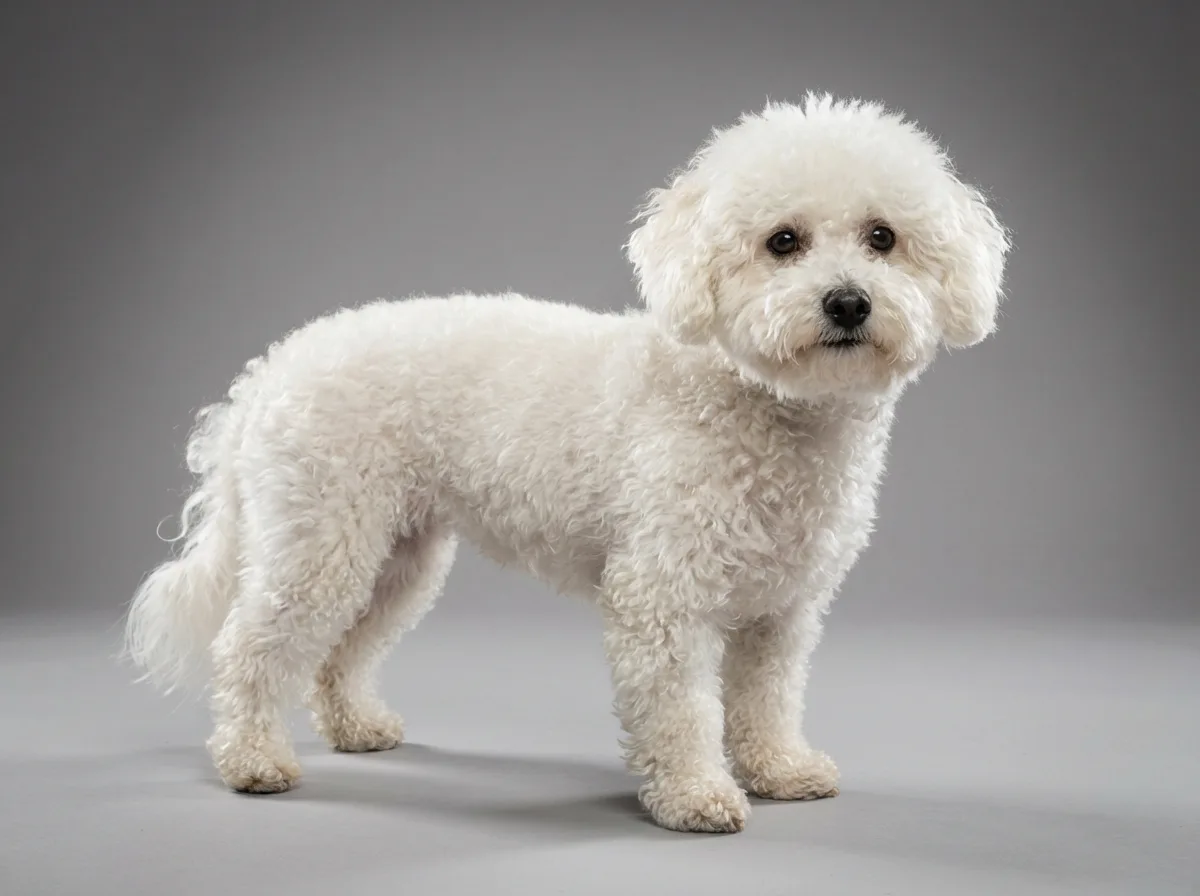
1. Consider Activity Levels: While small dogs generally need less space, their energy levels can vary widely. Breeds like the Bichon Frise might enjoy a good play session, while Cavalier King Charles Spaniels may be more laid-back. Assess how much exercise you can realistically provide before making a decision.

2. Grooming Needs: If you choose a breed with a longer coat, be prepared for regular grooming. Havanese dogs, for instance, have beautiful fur but require consistent brushing. If you want to minimize grooming time, look for breeds with shorter coats or less shedding.

3. Socialization is Key: Small dogs can be prone to behavioral issues if not properly socialized. Start early by introducing your pup to various environments, people, and other pets. This helps them become well-adjusted adults and can mitigate anxiety or aggression issues later on.

4. Training Techniques: Focus on positive reinforcement methods. Small dogs often respond well to treats and praise. Additionally, consider enrolling in a local training class specifically designed for small breeds. This can enhance your bond and ensure your dog is well-behaved.

5. Understand Your Lifestyle: Reflect on your daily routine. If you work long hours, consider a breed that can tolerate being alone or explore options like doggy daycare. Alternatively, breeds that thrive on companionship, such as the Cavalier King Charles Spaniel, may not be the best fit for extended alone time.

6. Create a Dog-Friendly Space: Even in a small apartment, you can create designated areas for your dog. Use baby gates to manage space and set up a comfy corner with their bed, toys, and food. This helps them feel secure and allows for a peaceful coexistence in a limited area.

7. Assess Local Resources: Look into local parks, training facilities, and dog-friendly spaces. Access to these resources can significantly enhance your experience as a new dog owner. Research nearby dog parks where you can socialize your dog and meet other pet owners.

By keeping these advanced tips in mind, you can find a breed that not only fits your living space but also complements your lifestyle. The right mix of breed characteristics and your personal situation can make all the difference in creating a happy home for both you and your new companion.

Insider Secrets for Choosing a Good Breed for First Time Owners in Smaller Spaces

Here are some expert insights that can help you choose the best dog breed for your lifestyle, especially if you're a first-time owner living in a smaller space.

Checklist for Choosing a Good Breed for First-Time Owners in Smaller Spaces

Use this checklist to find the right dog breed that fits your lifestyle and living space as a first-time owner.

Frequently asked questions

What is the easiest dog to raise in a small apartment?

The easiest dog to raise in a small apartment often includes breeds like the Bichon Frise and Cavalier King Charles Spaniel. These dogs are friendly, adaptable, and don’t require a lot of space to thrive. They usually enjoy being close to their owners, making them great companions for apartment living. This answer relates to good breed for first time owners smaller spaces.

Best starter dog for small spaces?

For small spaces, breeds such as the Havanese or French Bulldog are often recommended as starter dogs. They are generally low-energy and can be satisfied with short walks and playtime indoors. Their size and temperament make them suitable for first-time owners living in smaller homes.

What are low maintenance dogs for beginners in apartments?

Low maintenance dogs for beginners in apartments include breeds like the Shih Tzu and Pug. These dogs tend to be easygoing and don't require extensive grooming or high levels of exercise. Their calm nature and smaller size make them a good fit for first-time owners in smaller spaces.

What factors should I consider when choosing a dog for a small space?

When choosing a dog for a small space, consider the breed’s energy level, size, and grooming needs. Look for breeds that are known to be adaptable and can handle living in close quarters without becoming anxious. It's also important to think about your lifestyle and how much time you can dedicate to exercise and training.

Are there specific breeds recommended for first-time dog owners?

Yes, several breeds are recommended for first-time dog owners, particularly in smaller spaces. Breeds like the Bichon Frise, Cavalier King Charles Spaniel, and Havanese are often suggested due to their friendly nature and ease of training. These breeds also tend to adapt well to apartment living.

What is the easiest dog to raise in a small apartment?

The easiest dog to raise in a small apartment is often one that is smaller in size and has a calm temperament. Breeds like the Bichon Frise or Cavalier King Charles Spaniel are great choices because they adapt well to limited space and don’t require excessive exercise. They also tend to be friendly and easy to train, making them ideal for first-time owners.

Best starter dog for small spaces?

When looking for the best starter dog for small spaces, consider breeds like the Havanese or Pug. These dogs are typically low-energy and can thrive in smaller areas without needing vast yards. They also bring a lot of joy and companionship, which is perfect for first-time dog owners.

What are low maintenance dogs for beginners in apartments?

Low maintenance dogs for beginners in apartments include breeds that require minimal grooming and exercise. Breeds such as the French Bulldog and Shih Tzu are great options as they are generally easy to care for. These dogs also adapt well to indoor living, making them perfect for first-time owners in smaller spaces.

Can small dogs be good for families with children?

Yes, many small dogs can be great for families with children. Breeds like the Cavalier King Charles Spaniel are known for their friendly nature and gentle disposition, making them excellent companions for kids. However, it's essential to supervise interactions and choose a breed that matches your family's energy level.

What should I consider before getting a dog in a small space?

Before getting a dog in a small space, consider the breed's energy level and exercise needs. Some dogs require more room to roam and may become anxious in small environments. Additionally, think about your lifestyle and how much time you can dedicate to training and socializing your new pet.

Are there any specific training tips for small dogs in apartments?

Training small dogs in apartments should focus on housebreaking and socialization. Start with basic commands and gradually introduce them to various environments and other pets. Positive reinforcement techniques, such as treats and praise, work well for small dogs, helping them learn without stress.

How much exercise do small dogs need in an apartment setting?

Small dogs typically need about 30 minutes to an hour of exercise each day, which can be broken into several short walks. Playtime indoors with toys or games can also help meet their exercise needs. It’s important to keep them mentally stimulated to prevent boredom, especially in smaller living spaces.