Gentle Dog Breeds: Your Guide to Calm and Kind Companions
Searching for gentle dog breeds? This guide will help you find calm pets that are perfect for families, kids, and anyone seeking a non-aggressive companion.
Understanding Gentle Dog Breeds
Choosing a dog is a big decision, especially if you’re looking for gentle dog breeds. These breeds are known for their calm demeanor and friendly nature, making them ideal companions for families, seniors, and anyone seeking a loving pet. This guide will help you understand what gentle dog breeds are, why they matter, and how to choose the right one for your lifestyle.
Why Gentle Dog Breeds Matter
Gentle dog breeds can significantly impact your home environment. They tend to be more adaptable to various living situations, from apartments to larger homes. Their calm nature also makes them less likely to engage in aggressive behaviors, which is crucial for families with young children or other pets. Moreover, owning a gentle dog can reduce stress and increase happiness, making them wonderful companions for all ages.

What to Consider When Choosing Gentle Breeds
When selecting a gentle breed, consider your living space, activity level, and family dynamics. Breeds like the Newfoundland, Golden Retriever, and Cavalier King Charles Spaniel are known for their gentle nature and can be great choices. Additionally, think about the dog's size and energy level, as these factors can influence how well they fit into your lifestyle. A gentle dog doesn’t mean a lazy dog; some require regular exercise to stay healthy and happy.

Top Gentle Dog Breeds
Here are some breeds often recognized for their gentleness.

- Newfoundland - Known for their kind temperament and love for children.
- Golden Retriever - Friendly and intelligent, they thrive on companionship.
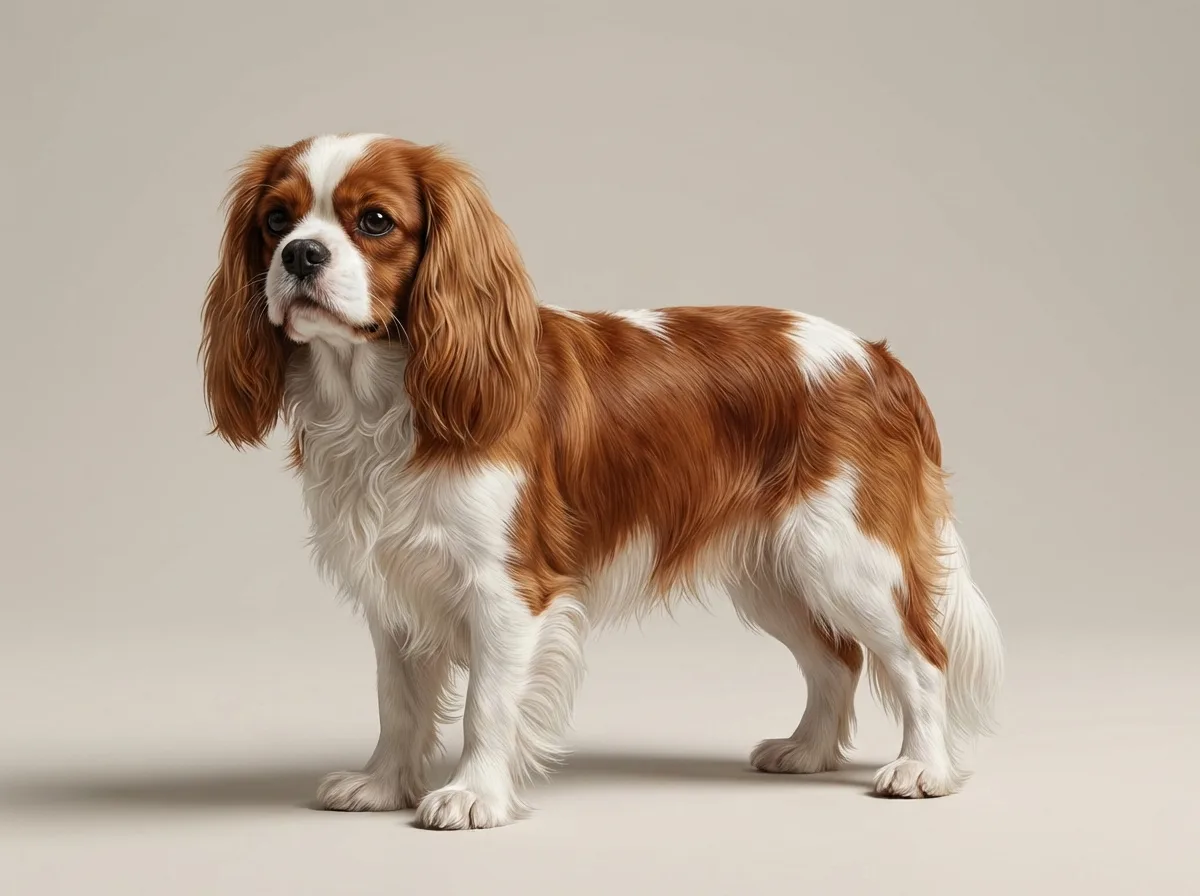
- Cavalier King Charles Spaniel - Affectionate and gentle, perfect for families.
Conclusion
Gentle dog breeds can be a fantastic addition to your home. They bring joy, companionship, and a sense of calm. Take your time to research and choose a breed that fits your lifestyle, ensuring a happy and fulfilling relationship for years to come.
Step-by-Step Guide to Choosing Gentle Dog Breeds
Finding the right gentle dog breed can make a world of difference for your family. Follow these steps to ensure you choose a calm and kind pet that fits your lifestyle.
- 1. Assess Your Living Situation: Consider your home environment, including space and whether you have children or other pets.
- 2. Research Gentle Breeds: Look into breeds known for their gentle nature, such as the Newfoundland, Golden Retriever, and Cavalier King Charles Spaniel.
- 3. Evaluate Activity Level: Think about how much exercise you can provide. Calm dogs often prefer moderate walks and playtime.
- 4. Visit Shelters and Breeders: Spend time with different dogs to see their behavior and how they interact with you and your family.
- 5. Consider Adoption: Many gentle dogs are available for adoption at local shelters. This can be a rewarding experience.
- 6. Speak to Owners: Connect with current owners of the breeds you’re considering. They can share first-hand experiences about their gentle nature.
- 7. Prepare Your Home: Make necessary adjustments in your living space for your new dog, such as creating a comfortable sleeping area.
- 8. Gather Supplies: Purchase essential supplies like food, a collar, and toys that suit your gentle dog breed.
- 9. Plan for Training: Consider enrolling in basic obedience classes to help your gentle dog thrive with structure and socialization.
- 10. Take Your Time: Choosing a gentle dog breed is an important decision. Take your time to ensure you make the right choice.
Common Mistakes When Choosing Gentle Dog Breeds
Choosing the right gentle dog breed can be tricky. Many owners make common mistakes that can lead to anxiety, frustration, or even behavioral issues. Here are some mistakes to watch out for.
- Not researching breed temperaments
- Ignoring energy levels
- Underestimating training needs
- Neglecting socialization
- Choosing based on looks rather than personality
- Failing to consider lifestyle fit
- Believing all gentle breeds are the same
Common Myths About Gentle Dog Breeds
Many people have misconceptions about gentle dog breeds. Here, we debunk some of the most common myths and provide the facts that set the record straight.
- Myth 1: Gentle dog breeds are not good for protection.
- Myth 2: All calm dogs are lazy.
- Myth 3: Gentle breeds are not suitable for active families.
- Myth 4: Non-aggressive breeds can't be trained.
Advanced Tips for Choosing Gentle Dog Breeds
If you're looking to dive deeper into the world of gentle dog breeds, consider these advanced tips. They will help you make informed decisions and ensure a good match between your lifestyle and your new furry friend.
First, think about your living situation. Gentle dog breeds often thrive in calmer environments. If you live in a bustling area, consider breeds that adapt well to noise and activity, like the Cavalier King Charles Spaniel. They are friendly and can cope with a busy household, making them ideal for families with children.
Next, focus on training methods. Many gentle breeds respond best to positive reinforcement. Techniques such as clicker training and reward-based systems can help establish good behavior. Consistency is key; gentle breeds often seek to please their owners, so be patient and rewarding to reinforce desired actions.
Also, engage in socialization. Early exposure to various environments, people, and other pets can increase the gentle nature of a dog. Regular outings, playdates, and training classes can help your dog learn how to interact calmly and confidently in different situations.
Additionally, consider the breed's energy levels. Some gentle breeds, like the Newfoundland, enjoy a good romp but also appreciate downtime. Tailoring exercise routines to accommodate their energy can prevent anxiety and promote a calm demeanor.
Lastly, don't underestimate the value of breed research. Each breed has unique traits and tendencies. For instance, while Golden Retrievers are known for their gentleness, they also require regular exercise and mental stimulation. Understanding these nuances can help you choose a breed that will integrate smoothly into your life.

Insider Secrets to Gentle Dog Breeds
Choosing gentle dog breeds can be a rewarding experience, but there are some lesser-known tips that can help you find the perfect match for your family. Here are some expert insights to keep in mind.
- Look for breeds with a history of being therapy or service dogs. They are often bred for gentle temperaments.
- Consider the individual dog's upbringing. A calm environment during their early months can lead to a more gentle adult dog.
- Pay attention to the dog's energy levels and activity needs. Lower-energy breeds tend to be more relaxed and gentle.
- Socialization is key. Dogs that are well-socialized from a young age are typically more adaptable and gentle with people and other pets.
- Training methods can greatly influence behavior. Positive reinforcement techniques can help nurture gentleness and reduce aggression.
Checklist for Choosing Gentle Dog Breeds
Use this checklist to find the right gentle dog breed for you and your family.
- Evaluate your living situation and space availability.
- Research gentle dog breeds like the Newfoundland, Golden Retriever, and Cavalier King Charles Spaniel.
- Consider the dog's size and energy level in relation to your lifestyle.
- Think about your family structure, especially if you have kids.
- Look for breeds known for their calm demeanor and friendly nature.
- Visit local shelters or breeders to interact with potential dogs.
- Ask about the dog's history and temperament from the breeder or shelter.
- Prepare your home for a new pet with a safe space and necessary supplies.
- Plan for training sessions to reinforce gentle behavior.
- Consult with a vet for health considerations specific to the breed.
Frequently asked questions
What is the gentlest dog?
Some of the gentlest dog breeds include the Newfoundland, Golden Retriever, and Cavalier King Charles Spaniel. These breeds are known for their calm demeanor and affectionate nature, making them great companions for families and individuals alike. Their gentle behavior often makes them suitable for therapy and support roles.
Are big dogs gentle?
Yes, many large dog breeds can be quite gentle. For example, Newfoundlands are known for their sweetness and patience, while Great Danes can be surprisingly gentle giants. It’s essential to remember that individual temperament can vary, so meeting the dog before deciding is always a good idea.
Best gentle dogs for kids?
Some of the best gentle dogs for kids include the Golden Retriever, Labrador Retriever, and Beagle. These breeds are known for their friendly and tolerant nature, making them excellent companions for children. Always supervise interactions to ensure safety for both the kids and the dog.
What are some calm dog breeds?
Calm dog breeds include the Basset Hound, Shih Tzu, and English Bulldog. These breeds tend to have lower energy levels and are more relaxed, which can be perfect for families or individuals looking for a laid-back companion. Their temperament typically makes them great for apartment living as well.
What are non-aggressive breeds?
Non-aggressive breeds include the Cavalier King Charles Spaniel, Labrador Retriever, and Pug. These dogs are usually friendly and sociable, making them great for families or first-time dog owners. Training and socialization are key to ensuring any breed maintains a gentle disposition.
What are some gentle dog breeds that are great with children?
Gentle dog breeds that are great with children include Golden Retrievers, Cavaliers, and Newfoundlands. These breeds are known for their calm demeanor and patience, making them ideal companions for kids. Always supervise interactions to ensure safety and comfort for both the dog and child.
Are big dogs gentle, or do they tend to be more aggressive?
Many big dogs can be gentle, especially breeds like the Newfoundland or Great Dane. While size might suggest a potential for aggression, temperament varies by breed and individual personality. Proper training and socialization play a crucial role in promoting a gentle nature.
How do I choose a gentle dog breed for my lifestyle?
Consider your living arrangements, activity level, and family dynamics when choosing a gentle dog breed. Breeds like Cavalier King Charles Spaniels are great for apartment living, while larger breeds may need more space. Researching each breed’s energy levels and care needs will help ensure a good fit.
Can gentle dog breeds be trained easily?
Yes, gentle dog breeds often respond well to training due to their calm nature and eagerness to please. Positive reinforcement methods, such as treats and praise, work effectively. Consistency and patience are key to successfully training any dog, regardless of breed.
What are some tips for introducing gentle dog breeds to other pets?
When introducing gentle dog breeds to other pets, take it slow and ensure a controlled environment. Supervise the initial meetings and reward positive interactions with treats. Gradually increase their time together while observing their behavior to ensure comfort and safety.
Are there gentle breeds that require less exercise?
Yes, some gentle breeds, like the Cavalier King Charles Spaniel, require less exercise than more active breeds. They enjoy short walks and playtime but are usually content to lounge with their owners. Consider your activity level and choose a breed that matches your lifestyle.
What is the gentlest dog breed for first-time owners?
The Cavalier King Charles Spaniel is often considered one of the gentlest dog breeds for first-time owners. They are friendly, easy to train, and adapt well to different living environments. Their affectionate nature makes them great companions for new dog parents.