DogBreedCompass

Easiest Dogs to Own: Your Guide to Hassle-Free Companions

Looking for a dog that fits your busy lifestyle? This guide explores the easiest dogs to own, perfect for those wanting a simple, loving companion.

This guide is perfect for busy individuals, families with children, or anyone looking for a simple companion. If you have a hectic schedule or are new to dog ownership, these breeds can be a great fit. Whether you live in a small apartment or a large house, the easy-going nature of these dogs can help create a harmonious home environment.

Many people underestimate the time and effort required for dog ownership, leading to frustrating experiences or even rehoming pets. Understanding which breeds are easier to manage is crucial for making an informed decision. By choosing the right breed, you can enjoy a fulfilling relationship with your dog while minimizing stress and complications.

Easiest Dogs to Own: Your Guide to Hassle-Free Companions

Understanding the Easiest Dogs to Own

Choosing the right dog can be a daunting task, especially for busy individuals or families. The concept of the 'easiest dogs to own' is crucial for those who want a furry friend but may not have the time or energy for high-maintenance breeds. This guide will help you identify breeds that are low-demand, easy-going, and generally hassle-free, making your dog ownership experience enjoyable.

Why Easiest Dogs Matter

Understanding what makes a dog easy to own is essential for potential pet parents. Some people lead busy lives, juggling work, family, and personal commitments. Selecting a low-maintenance dog can provide companionship without overwhelming your schedule.

This choice can lead to a more fulfilling relationship with your pet, reducing the stress often associated with dog ownership.

Pug - Why Easiest Dogs Matter

What to Look for in Easy-Going Breeds

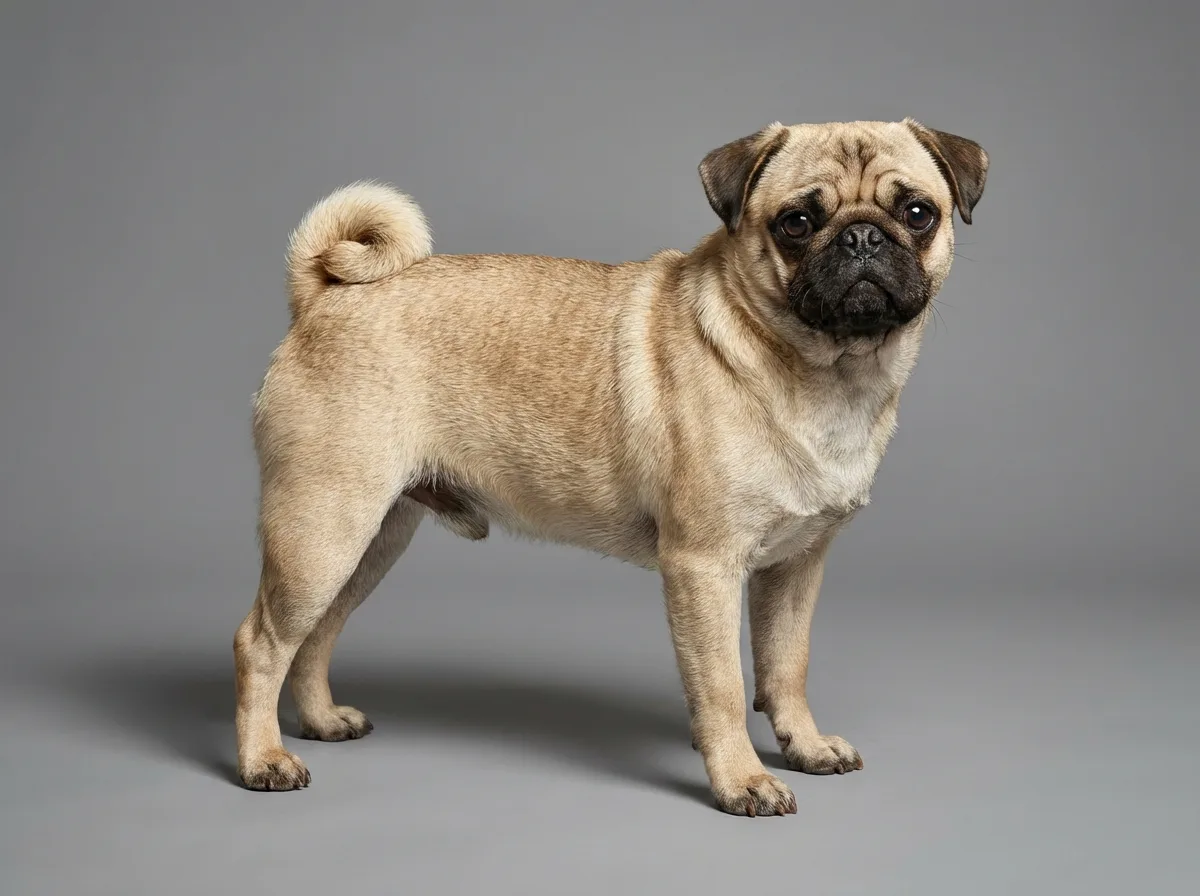
When identifying the easiest dogs to own, consider several factors. Look for breeds known for their calm demeanor, minimal grooming needs, and moderate exercise requirements. Breeds like Greyhounds, Whippets, and Pugs often fall into this category.

These dogs tend to adapt well to various living situations and are generally more forgiving of occasional lapses in attention or care.

Pug - What to Look for in Easy-Going Breeds

How to Choose the Right Breed

To determine the best breed for your lifestyle, assess your daily routine and living situation. Ask yourself how much time you can dedicate to training, exercise, and companionship. Researching breeds that align with your schedule can save you from the frustration of high-maintenance dogs.

Remember, even easy-going dogs need love and attention, so find a balance that works for you.

Pug - How to Choose the Right Breed

Final Thoughts

To choose well, selecting the easiest dogs to own can significantly enhance your pet ownership experience. By understanding what breeds fit your lifestyle, you can find a loyal companion that complements your daily life. The right dog can provide joy and companionship without adding stress to your already busy life.

Take the time to research and choose wisely, and you'll be rewarded with a loving, low-maintenance pet.

Pug - Final Thoughts

Step-by-Step Plan for Choosing the Easiest Dogs to Own

Follow these steps to find the easiest dogs to own, ensuring a smooth transition into pet ownership.

Bulldog - Step-by-Step Plan for Choosing the Easiest Dogs to Own
  • Step 1: Assess Your Lifestyle
  • Step 2: Research Breeds
  • Step 3: Visit Local Shelters or Breeders
  • Step 4: Prepare Your Home
  • Step 5: Plan for Training and Socialization
  • Step 6: Budget for Ongoing Costs
  • Step 7: Welcome Your New Dog

Why this helps

  • ✓ Helps you find a breed that fits your lifestyle.
  • ✓ Increases the chances of a successful match.
  • ✓ Prepares you for long-term commitment.

Watch out for

  • ! May require time and effort for research.
  • ! Initial costs can add up depending on the breed.
  • ! Adjusting to a new dog can be challenging.

Detailed Steps to Find Your Perfect Companion

Here's a closer look at each step to ensure you choose the right dog for your home.

Bulldog - Detailed Steps to Find Your Perfect Companion

Step 1: Assess Your Lifestyle

Consider your daily routine. Do you work long hours or travel often? If you have a busy schedule, look for low demand pets that require less attention.

Bulldog - Step 1: Assess Your Lifestyle

Step 2: Research Breeds

Look for easy going breeds like Greyhounds or Pugs. Make a list of hassle free dogs that match your energy level and lifestyle.

Bulldog - Step 2: Research Breeds

Step 3: Visit Local Shelters or Breeders

Check out local shelters and reputable breeders. Meeting dogs in person can help you find a simple companion that clicks with you.

Bulldog - Step 3: Visit Local Shelters or Breeders

Step 4: Prepare Your Home

Make your home safe and welcoming. Remove hazards and create a cozy space for your new dog to settle in comfortably.

Cavalier King Charles Spaniel - Step 4: Prepare Your Home

Step 5: Plan for Training and Socialization

Invest in basic training classes. This helps with behavior management and eases anxiety for both you and your dog.

Cavalier King Charles Spaniel - Step 5: Plan for Training and Socialization

Step 6: Budget for Ongoing Costs

Consider food, vet visits, and supplies. Knowing the least demanding dog breeds can help you plan for realistic ownership costs.

Cavalier King Charles Spaniel - Step 6: Budget for Ongoing Costs

Step 7: Welcome Your New Dog

Bring your new dog home and give them time to adjust. Patience is key to building a strong bond with your new companion.

Cavalier King Charles Spaniel - Step 7: Welcome Your New Dog

Common Mistakes When Choosing the Easiest Dogs to Own

Selecting the easiest dogs to own can be tricky. Many new dog owners fall into certain traps that can lead to frustration and disappointment. Here are the most common mistakes and why they can backfire.

Cavalier King Charles Spaniel - Common Mistakes When Choosing the Easiest Dogs to Own
  • Not researching the breed's characteristics
  • Ignoring exercise needs
  • Underestimating grooming requirements
  • Overlooking training and socialization
  • Failing to consider lifestyle compatibility
  • Assuming all small dogs are easy
  • Neglecting health considerations

Common Myths About Easiest Dogs to Own

Many people have misconceptions about what makes a dog easy to own. Let's debunk some of the most common myths and clarify the facts behind them.

Basset Hound - Common Myths About Easiest Dogs to Own
  • Myth: All small dogs are easy to take care of.
  • Myth: Dogs don't need much exercise.
  • Myth: Low-shedding dogs are low-maintenance.
  • Myth: Any breed can be a good family dog.
  • Myth: Easy-going breeds don't require training.

Advanced Tips for Choosing the Easiest Dogs to Own

Choosing the easiest dogs to own involves more than just picking a breed. To ensure a smooth transition into dog ownership, consider these advanced tips that go beyond the basics. They can help you create a harmonious environment for both you and your new furry friend.

Basset Hound - Advanced Tips for Choosing the Easiest Dogs to Own

Why this helps

  • ✓ Helps you match the dog's needs with your lifestyle.
  • ✓ Encourages a well-behaved pet through consistent training.
  • ✓ Quality supplies can prevent health issues and enhance comfort.
  • ✓ Understanding breed traits can prevent future problems.
  • ✓ A routine fosters stability for both you and your dog.

Watch out for

  • ! Requires time to research and understand breed specifics.
  • ! Training can be time-consuming and needs patience.
  • ! Quality supplies may have a higher upfront cost.
  • ! Establishing a routine can be challenging for busy schedules.
  • ! Not all breeds can adapt easily to every environment.

How to Choose the Easiest Dogs to Own

Selecting a dog that fits your lifestyle can be tricky, but these insider tips will guide you to the easiest dogs to own. Here are some lesser-known insights that can help you make the right choice.

Basset Hound - How to Choose the Easiest Dogs to Own
  • Consider adult dogs over puppies: They often require less training and are usually more settled.
  • Look for breeds that are known for adaptability: Dogs like Greyhounds and Whippets can thrive in various living situations.
  • Research breed-specific health issues: Some breeds may have fewer health problems, translating to less stress and cost over time.
  • Maintenance matters: Some breeds shed less and need less grooming, making them ideal for busy owners.
  • Understand the dog's energy level: Breeds with lower energy needs, like Pugs, are often happier with less exercise.

Why this helps

  • ✓ Adult dogs can be more predictable and often come with basic training.
  • ✓ Adaptable breeds can fit into many environments, from apartments to houses.
  • ✓ Low-maintenance dogs save time and reduce grooming costs.
  • ✓ Understanding energy levels helps match a dog’s needs with your lifestyle.

Watch out for

  • ! Adult dogs may have unknown past issues or behavioral quirks.
  • ! Adaptable breeds still need regular exercise and mental stimulation.
  • ! Low-maintenance doesn’t mean no maintenance; all dogs require attention.
  • ! Choosing the wrong dog based on energy levels can lead to frustration.

What "easy" means in practice — and where it is a trap

Easy is not one quality. A breed can be easy to train and hard to exercise, or easy to leave alone and expensive to groom. Break it into the four things that actually take your time, and rank breeds separately on each.

Training effort — how quickly the dog learns household rules and how much it wants to co-operate. Exercise load — the daily minimum below which behaviour deteriorates. Grooming — brushing time plus the professional appointments a coat forces on you. Tolerance for being alone — the hours the dog can settle without distress.

Most "easiest dogs" lists optimise for the first and ignore the rest, which is how people end up with a friendly, biddable dog they cannot afford to groom or cannot leave for a working day.

The trap in the other direction is size. Small dogs are assumed to be easy because they eat less and fit anywhere, but toy breeds are among the harder dogs to house-train, are more likely to be under-socialised because they get carried instead of walked, and carry dental and joint costs that a bigger dog often does not.

The genuinely easiest dog for most households is an adult, medium-sized, short-coated dog with a known history — usually from a rescue that has already lived with it in a foster home and can tell you exactly how it behaves when the house is empty.

Basset Hound - What "easy" means in practice — and where it is a trap

Checklist for Choosing the Easiest Dogs to Own

Use this checklist to find a dog that fits your lifestyle and needs. Easiest dogs to own can make companionship enjoyable without overwhelming responsibilities.

Basset Hound - Checklist for Choosing the Easiest Dogs to Own
  • Consider your living situation: apartment or house?
  • Assess daily time availability for dog care.
  • Research breeds known for low energy and easygoing nature.
  • Look for dogs with minimal grooming needs.
  • Evaluate whether you want a puppy or an adult dog.
  • Think about size: do you prefer small breeds or larger ones?
  • Check local shelters for low-maintenance dog options.
  • Ask about the dog's temperament and training history.
  • Plan for training and socialization: how much time can you dedicate?
  • Prepare your home with necessary supplies (food, bed, toys).

Why this helps

  • ✓ Less time-consuming care and training.
  • ✓ Lower stress levels for owners.
  • ✓ Companionship without constant demands.

Watch out for

  • ! May not suit active families looking for a playful dog.
  • ! Some breeds might still require exercise and engagement.
  • ! Low-maintenance doesn't mean no maintenance.

Frequently asked questions

What is the most low maintenance dog?

Some of the easiest dogs to own include Greyhounds and Whippets. These breeds are known for their calm demeanor and lower exercise needs, making them great companions for busy owners.

What are the easiest dogs to own?

The easiest dogs to own are typically breeds that are low-energy and adaptable. Pugs and Bulldogs are also popular choices for their friendly nature and minimal grooming requirements.

Are there hassle free dogs for busy people?

Yes, certain breeds are perfect for busy lifestyles. Dogs like the French Bulldog and Cavalier King Charles Spaniel are easy-going and can thrive in smaller living spaces, requiring less time for exercise and training.

What are the least demanding dog breeds?

Breeds like the Basset Hound and Shih Tzu are known for being less demanding. They typically enjoy lounging around and are content with moderate daily exercise.

What makes a dog a simple companion?

A simple companion is a breed that requires less training, exercise, and grooming. Easy-going breeds like the Pug excel in this area, making them ideal for first-time dog owners.

What breeds are considered the easiest dogs to own?

Some of the easiest dogs to own include Greyhounds, Whippets, and Pugs. These breeds are known for their friendly nature and lower exercise requirements, making them great companions for busy families or individuals.

Are there any low maintenance dogs for apartment living?

Yes, several low maintenance dog breeds are well-suited for apartment living. Breeds like French Bulldogs and Cavalier King Charles Spaniels thrive in smaller spaces and require less exercise than larger breeds.

Can easy going breeds adapt to different living situations?

Absolutely! Easy going breeds often adapt well to a variety of living situations. For example, a Greyhound can be comfortable in both a house and an apartment, as long as it receives regular walks and playtime.

What should I consider if I want a simple companion dog?

When looking for a simple companion dog, consider your lifestyle, living space, and activity level. It's important to choose a breed that matches your daily routine and energy levels to ensure a happy relationship.

Are there any breeds that are good for busy people?

Yes, there are several breeds that fit well with busy lifestyles. Breeds like the Bulldog or the Shiba Inu are known for their independent nature and can handle being alone for longer periods without significant issues.

How do I determine if a breed is a good fit for my family?

To determine if a breed is a good fit for your family, assess factors like the dog's energy level, grooming needs, and temperament. Researching and meeting the breed in person can also provide insights into how they might fit into your home.
Quick answers

View more answers
Living

What are easy own dogs?

Easy-own dogs include breeds like Greyhounds and Pugs, known for their low maintenance and friendly personalities.

Living

What are hassle free pets?

Hassle-free pets are typically low-energy breeds that require minimal grooming and training, like Bulldogs and Cavalier King Charles Spaniels.

Living

Which simple breeds are best for busy owners?

Simple breeds that fit busy lifestyles include Whippets and Basset Hounds, known for their calm nature and lower exercise needs.

Living

What is the most low maintenance dog?

The Greyhound is often considered one of the most low maintenance dogs due to its calm demeanor and minimal grooming needs.

Living

Dogs for busy people?

Breeds like Whippets and Pugs can be great for busy people as they are generally easy-going and require less exercise than other breeds.

Related DogBreedCompass guides

  • Greyhound breed guide – Learn about the unique traits and care needs of Greyhounds.
  • Whippet breed overview – Discover why Whippets are considered easy companions.
  • Pug breed information – Explore the charming characteristics of Pugs and their care.
  • Dogs for busy people guide – Find out which dogs are perfect for busy lifestyles.
  • Least demanding dog breeds – Understand what makes a dog low maintenance and easy to care for.

Important reminder

This guide is not medical advice. If your dog shows pain, sudden behavior change, or worsening symptoms, consult a licensed veterinarian.

Some links may be affiliate links. We may earn a commission at no extra cost to you. We only suggest products we believe are helpful for dog owners.

We research and check what we publish, but we do not warrant that any figure, date, price, or statement is accurate, complete, or current, and we accept no liability for any loss, cost, injury, or other harm arising from the use of this site. Use it as one reference among several. You remain responsible for your own decisions and for your dog's care - confirm anything that matters with a licensed veterinarian or another qualified professional before you act on it. Full disclaimer.

Want more tailored help?

Take the Lifestyle Match quiz to see which breeds and guides best fit your day-to-day life.

Take the quiz

More guides you might like

Find your match

Not sure which breed is right for you? Take our 2-minute quiz to find out.

Take the quiz