Best Miniature Dog Breeds: Find Your Perfect Tiny Companion
Looking for the best miniature dog breeds? This guide will help you choose the perfect small companion that fits your lifestyle and needs.
This guide is perfect for first-time dog owners, families living in apartments, or anyone looking for a small companion dog. Whether you have a busy schedule or a cozy home, miniature breeds can fit nicely into your life. You'll find insights tailored to your needs, helping you choose the right breed for your lifestyle.
Understanding the best miniature dog breeds is crucial for making an informed decision. Many people mistakenly think all small dogs are the same, leading to mismatched expectations. By learning about the specific traits and care requirements of these breeds, you can avoid common pitfalls and ensure a happy, healthy life for both you and your new pet.
Understanding the Best Miniature Dog Breeds
Finding the best miniature dog breeds can be a delightful journey for dog lovers. Mini dogs, often known for their charming personalities and adorable appearances, make wonderful companions. This guide is designed to help you explore these tiny treasures, understand their unique traits, and determine which breed might be the perfect fit for your lifestyle.
Why Miniature Dogs Matter
Miniature dog breeds are not just cute; they often fit perfectly into urban living and small homes. Their size makes them ideal for individuals or families who may not have the space for larger dogs. Additionally, small companion dogs can provide love and joy without overwhelming their owners.
They also tend to require less exercise than larger breeds, making them great for busy lifestyles.
Miniature Schnauzer - Why Miniature Dogs Matter
What to Know About Miniature Breeds
When choosing a mini dog, it's essential to consider their health and temperament. Understanding the difference between toy and miniature breeds can also clarify your options. Miniature breeds may have specific health concerns, so it's important to research and choose responsibly.
Knowing the healthiest mini dogs can help you make an informed decision that supports a long and happy life for your new companion.
Best Miniature Dog Breeds: Find Your Perfect Tiny Companion - What to Know About Miniature Breeds
Exploring Your Options
In this guide, we will review various miniature dog breeds, including their characteristics, care requirements, and potential health issues. You'll learn about popular options like the Miniature Poodle, Miniature Schnauzer, and Miniature Pinscher. Each breed has its own charm and quirks, making it crucial to find one that aligns with your lifestyle and preferences.
Best Miniature Dog Breeds: Find Your Perfect Tiny Companion - Exploring Your Options
Conclusion: Finding Your Perfect Mini Dog
As you explore the best miniature dog breeds, remember that each dog has its unique personality. Take your time to learn about different breeds and their needs. With the right information, you can find a mini companion that will bring joy and companionship to your life for years to come.
Best Miniature Dog Breeds: Find Your Perfect Tiny Companion - Conclusion: Finding Your Perfect Mini Dog
Step-by-Step Plan for Choosing the Best Miniature Dog Breeds
Finding the best miniature dog breed for you can be an exciting journey. Follow these steps to make an informed decision and find the perfect small companion dog.
Best Miniature Dog Breeds: Find Your Perfect Tiny Companion - Step-by-Step Plan for Choosing the Best Miniature Dog Breeds
Step 1: Research Miniature Breeds - Start by learning about different miniature dog breeds like the Miniature Poodle, Miniature Schnauzer, and Miniature Pinscher. Each breed has unique traits and characteristics.
Step 2: Assess Your Lifestyle - Consider your daily routine, living space, and activity level. Mini dogs, especially teacup breeds, may require more attention and care than you think.
Step 3: Evaluate Health Considerations - Research the common health issues associated with mini dogs. Some breeds may be prone to specific problems, so it's essential to know what to expect.
Step 4: Visit Local Shelters or Breeders - Meet various miniature breeds in person. This experience can help you understand their temperaments and whether they fit your lifestyle.
Step 5: Prepare Your Home - Ensure your home is ready for a small dog. This includes creating a safe environment and purchasing essential items like a bed, toys, and food.
Step 6: Plan for Training - Start thinking about how you will train your new companion. Small dogs often have big personalities, so consistent training is key.
Step 7: Budget for Ownership Costs - Calculate the costs associated with owning a miniature dog, including food, grooming, and veterinary care. Miniature breeds can have varying price ranges.
Step 8: Consider Lifelong Commitment - Remember that adopting a dog is a long-term commitment. Make sure you are ready for the responsibility that comes with caring for a pet.
Why this helps
✓ Allows for informed decision-making.
✓ Helps find a breed that fits your lifestyle.
✓ Encourages responsible pet ownership.
Watch out for
! Can be time-consuming to research.
! Decision fatigue from too many options.
! Need for ongoing commitment and care.
Common Mistakes When Choosing the Best Miniature Dog Breeds
Selecting the right miniature dog breed can be tricky. Here are common mistakes many owners make and why they backfire.
Best Miniature Dog Breeds: Find Your Perfect Tiny Companion - Common Mistakes When Choosing the Best Miniature Dog Breeds
Ignoring breed-specific traits
Overestimating their energy levels
Neglecting training and socialization
Assuming they don't need exercise
Choosing based on looks alone
Overlooking health issues
Not considering their lifespan
Common Myths About Best Miniature Dog Breeds
Let's debunk some common myths about miniature dog breeds. Understanding the truth can help you make informed decisions when choosing a small companion.
Miniature Schnauzer - Common Myths About Best Miniature Dog Breeds
Myth: Miniature dogs are always unhealthy.
Fact: While some breeds may have health issues, many miniature dogs can be quite healthy with proper care.
Myth: Mini dogs are not real dogs.
Fact: Miniature dogs have the same needs and behaviors as larger dogs; they're just smaller in size.
Myth: All miniature breeds are hyper and need constant exercise.
Fact: Energy levels vary by breed; some mini dogs are quite calm and enjoy lounging.
Myth: Teacup breeds are safe to handle for children.
Fact: Teacup breeds can be fragile, making them less suitable for young kids who may not handle them gently.
Myth: Mini dogs don’t require training.
Fact: Regardless of size, all dogs benefit from training to ensure good behavior.
Advanced Tips for Choosing the Best Miniature Dog Breeds
When exploring the best miniature dog breeds, it’s essential to consider factors beyond just size and cuteness. Here are some advanced tips to help you make the best choice for your lifestyle and home.
1. Assess Your Activity Level: Different miniature breeds have varying energy levels. For instance, Miniature Schnauzers are known for their playful nature, while some teacup breeds might prefer a more relaxed environment.
Match your dog’s energy to your activity level for a better fit.
2. Research Lifespan and Health Issues: Mini dogs can have specific health concerns. For example, many teacup breeds are prone to dental issues and heart problems.
Look into the common health issues of your chosen breed to understand potential vet costs.
3. Consider Training Needs: Smaller dogs can sometimes be more stubborn. Breeds like the Miniature Pinscher may require firm but gentle training to prevent behavioral issues.
Start training early and consistently to ensure a well-adjusted companion.
4. Socialization is Key: Miniature dogs can become anxious if not properly socialized. Expose them to different environments, people, and other pets early on.
This can help reduce anxiety and improve their adaptability to new situations.
5. Think About Living Space: While mini dogs are often ideal for apartments, consider their need for play and exercise. Even small breeds need daily walks or playtime.
Ensure you have a plan for keeping them active without relying solely on a backyard.
6. Grooming Requirements: Different breeds have various grooming needs. For example, a Miniature Poodle requires regular grooming to prevent matting, while a Miniature Pinscher has a short coat that’s easier to maintain.
Assess how much time and money you can allocate to grooming.
7. Be Prepared for Emotional Needs: Small companion dogs thrive on human interaction. Be ready to dedicate time to bonding, as loneliness can lead to separation anxiety.
Consider adopting two small dogs to keep each other company if you’re often away.
By following these tips, you can make a more informed decision about which miniature dog breed is the best fit for your life. Remember, each small dog has its unique personality and needs, so take the time to find the right match for you.
Miniature Schnauzer - Advanced Tips for Choosing the Best Miniature Dog Breeds
How to Choose Miniature Dog Breeds
When it comes to selecting the best miniature dog breeds, there are some insider tips that can make a big difference. Here are a few expert insights to guide you in making the best choice for your lifestyle and preferences.
Miniature Schnauzer - How to Choose Miniature Dog Breeds
Not all mini dogs are created equal – some require more exercise than others, so consider your activity level.
Teacup breeds often come with higher health risks, so do thorough research on health issues associated with them.
Small companion dogs can have big personalities; understanding breed temperament is crucial for a harmonious home.
Socialization is key for toy dogs; start early to ensure they develop well-rounded behavior.
Many miniature breeds can be trained effectively using positive reinforcement, making them eager learners.
Why this helps
✓ Easy to transport due to their small size.
✓ Can fit into smaller living spaces like apartments.
✓ Often require less food and lower overall maintenance costs.
Watch out for
! Some may have health issues, particularly teacup breeds.
! Small dogs can be more fragile, requiring careful handling.
! Certain breeds may be more prone to anxiety and behavioral issues if not properly trained.
Checklist for Choosing the Best Miniature Dog Breeds
Use this checklist to find the best miniature dog breed for your lifestyle and needs. Consider each factor carefully to ensure you make the right choice.
Miniature Schnauzer - Checklist for Choosing the Best Miniature Dog Breeds
Evaluate your living situation: Do you have enough space for a dog?
Research different miniature breeds: Look into personality traits and energy levels.
Consider grooming needs: Some breeds require more maintenance than others.
Check for breed-specific health issues: Understand common conditions in mini dogs.
Think about exercise requirements: Ensure you can provide adequate activity.
Prepare for training: Miniature breeds may need consistent training to thrive.
Look at the costs: Budget for food, grooming, and veterinary care.
Assess your daily routine: Make sure you have time for a companion dog.
Meet potential breeds: Visit shelters or breeders to see dogs in person.
Consider adopting: Many wonderful mini dogs are looking for homes.
Why this helps
✓ Smaller dogs are often easier to manage in small spaces.
✓ Many miniature breeds are affectionate and great companions.
✓ They usually require less food and can be more cost-effective.
Watch out for
! Some mini dogs can be prone to health issues.
! They may have higher energy levels and need regular exercise.
! Training can be challenging if they develop small dog syndrome.
Frequently asked questions
What is a miniature dog?
Miniature dogs are small breeds that typically weigh less than 20 pounds and stand under 18 inches tall. They are known for their compact size and are often considered ideal companions for apartment living. Examples include breeds like the Miniature Poodle and Miniature Schnauzer.
What is the difference between toy and miniature dogs?
Toy dogs are generally smaller than miniature dogs, often weighing under 10 pounds. Miniature breeds, while still small, tend to be a bit larger and sturdier. Both types make great companions, but their size can impact their care and training needs.
What are the healthiest miniature dog breeds?
Some of the healthiest miniature dog breeds include the Miniature Poodle and Miniature Pinscher. These breeds tend to have fewer genetic health issues compared to others. Regular vet check-ups and a good diet can help maintain their health.
Are miniature dogs good for families?
Miniature dogs can be great for families, especially those with older children who understand how to interact with pets. However, some breeds may be more sensitive and require gentle handling. It's essential to choose a breed that matches your family's lifestyle.
How much exercise do miniature dogs need?
Most miniature dogs require daily exercise, but the amount varies by breed. Generally, 30 minutes to an hour of playtime or walks is beneficial. Keeping them active helps prevent behavioral issues and keeps them healthy.
What are the best miniature dog breeds for first-time owners?
Breeds like the Miniature Poodle and Miniature Schnauzer are often recommended for first-time owners. They are typically friendly, trainable, and adaptable, making them easier for new pet parents to manage.
What is the difference between toy and miniature dog breeds?
Toy breeds are smaller than miniature breeds, typically weighing under 10 pounds. Miniature breeds generally fall between 10 and 20 pounds. This distinction can affect your choice based on size preferences and living conditions.
Are miniature dog breeds good for families with young children?
While many miniature dogs can be good with kids, some breeds may not tolerate rough handling. It's important to choose a breed known for its gentle nature, such as the Miniature Poodle. Always supervise interactions to ensure safety for both the dog and the child.
How much exercise do miniature dog breeds need?
Miniature dog breeds typically need about 30 minutes of exercise daily. This can include walks, playtime, or mentally stimulating activities. Adjust the amount based on the dog's energy level and age to ensure they stay healthy and happy.
Can miniature dogs live in small apartments?
Yes, many miniature dogs are well-suited for apartment living due to their small size. However, they still require regular walks and playtime. Consider their energy levels and barking tendencies when choosing a breed for an apartment setting.
What are the grooming needs for miniature dog breeds?
Grooming needs vary by breed but many miniature dogs require regular brushing and occasional professional grooming. For example, Miniature Poodles need regular clipping to keep their coat in good shape. It's essential to establish a grooming routine early on.
Miniature breeds are small dog breeds that are typically under 20 pounds and make excellent companions for various living situations.
Living
What are some examples of tiny dogs?
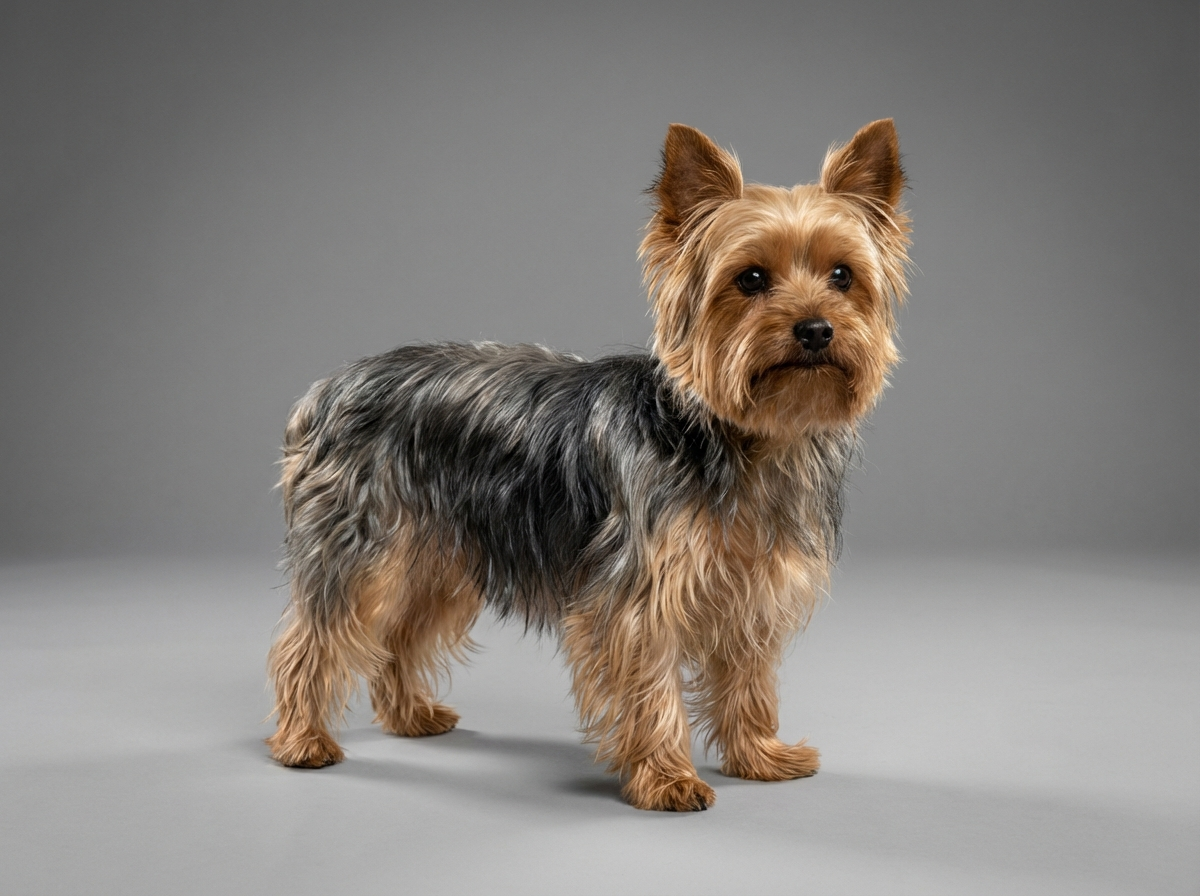
Examples of tiny dogs include the Chihuahua, Yorkshire Terrier, and Pomeranian, all known for their adorable small size.
Living
What is the smallest pet you can have?
The smallest pets often include tiny dog breeds like teacup Chihuahuas or even small rodents like hamsters. These pets require specific care due to their size.
Living
What is a miniature dog?
Miniature dogs are small-sized breeds typically weighing under 20 pounds. They are often known for their affectionate nature and adaptability.
Living
Difference between toy and miniature?
Toy dogs are usually smaller than miniature breeds, often weighing under 10 pounds. Miniature breeds tend to be slightly larger but still maintain a small size.
Related DogBreedCompass guides
Miniature Poodle guide – Learn about the charming personality and needs of this popular breed.
This guide is not medical advice. If your dog shows pain, sudden behavior change, or worsening symptoms, consult a licensed veterinarian.
Some links may be affiliate links. We may earn a commission at no extra cost to you. We only suggest products we believe are helpful for dog owners.
We research and check what we publish, but we do not warrant that any figure, date, price, or statement is accurate, complete, or current, and we accept no liability for any loss, cost, injury, or other harm arising from the use of this site. Use it as one reference among several. You remain responsible for your own decisions and for your dog's care - confirm anything that matters with a licensed veterinarian or another qualified professional before you act on it. Full disclaimer.
Want more tailored help?
Take the Lifestyle Match quiz to see which breeds and guides best fit your day-to-day life.