Best Dog for Small Apartment No Yard: A Practical Guide
The best dog for a small apartment with no yard is an individual dog whose exercise, training, and care needs fit the routine you can keep every day.
This guide is for people choosing a dog for a small apartment, studio, or other home with no private yard. It is especially useful if you are comparing small apartment dog breeds and want to make a decision based on your schedule and local walking options rather than square footage alone.
A realistic match can make apartment life more comfortable for the dog, you, and nearby neighbors. Looking beyond a breed label helps you plan for exercise, noise, grooming, training, and backup care. It also leaves room for the individual dog's personality, which may differ from general breed descriptions.
Start With Your Routine, Not a Breed List
- Walking access: Identify safe routes, nearby green space, and what happens when weather makes a usual walk less practical.
- Toilet-break plan: Consider how quickly you can get outside, how often you can do it, and who can help on long days.
- Work and absence: Be realistic about meetings, commuting, errands, travel, and future schedule changes.
- Noise and neighbors: Plan for door sounds, elevators, shared hallways, visitors, and the time needed to teach calm behavior.
- Indoor enrichment: Make room for training, appropriate play, safe chewing options, and a quiet place to rest.
- Budget and support: Include routine veterinary care, food, grooming as needed, supplies, training, and backup care.
Why this helps
- ✓ Connects the decision to daily care instead of appearance alone.
- ✓ Helps reveal where a dog walker, family member, or trainer may be useful.
- ✓ Makes it easier to compare an adult dog and a puppy honestly.
Watch out for
- ! An honest review may show that waiting is the better choice.
- ! A flexible routine can still change because of work, travel, or illness.
- ! No schedule can predict every individual dog's adjustment needs.
Three Small-Breed Starting Points to Explore
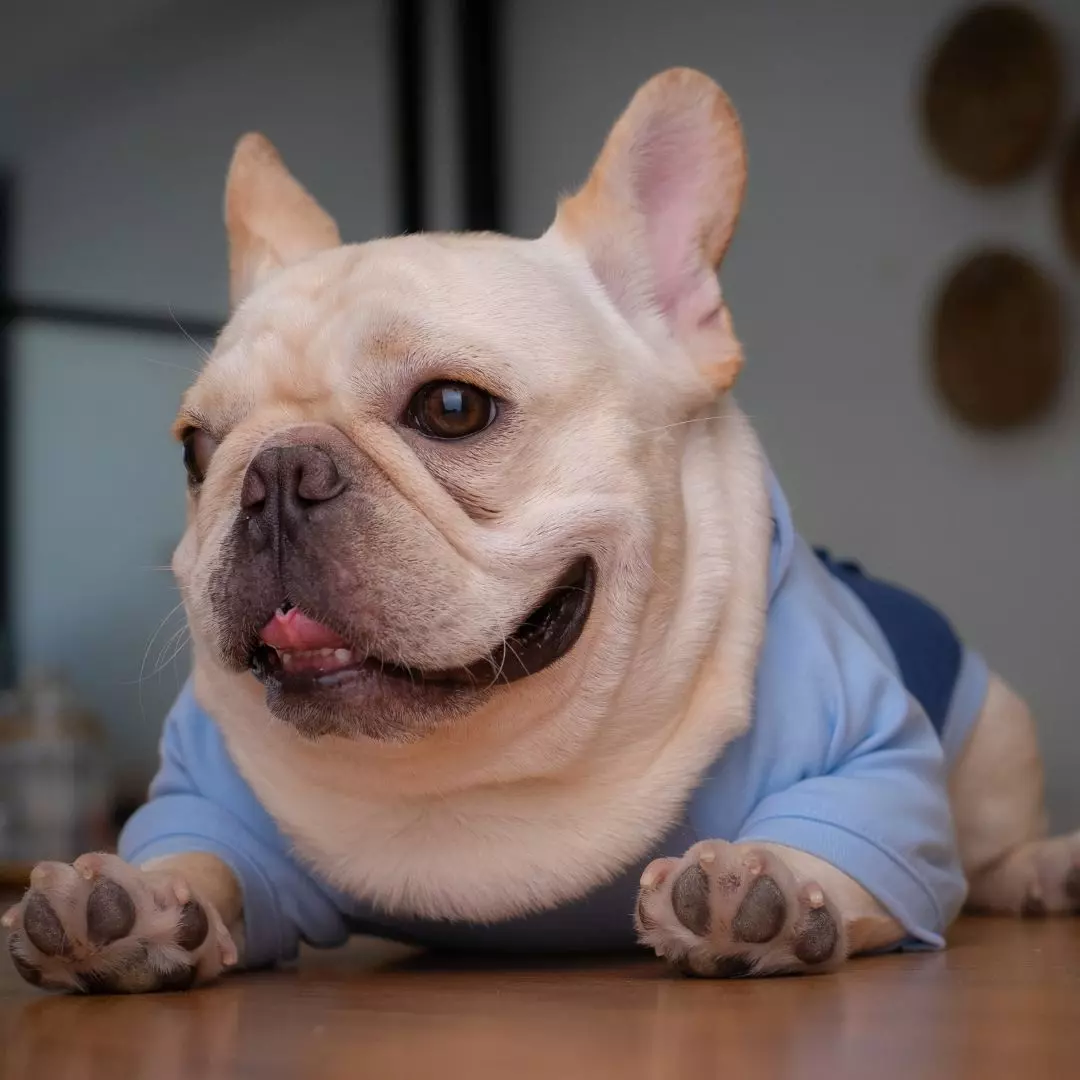
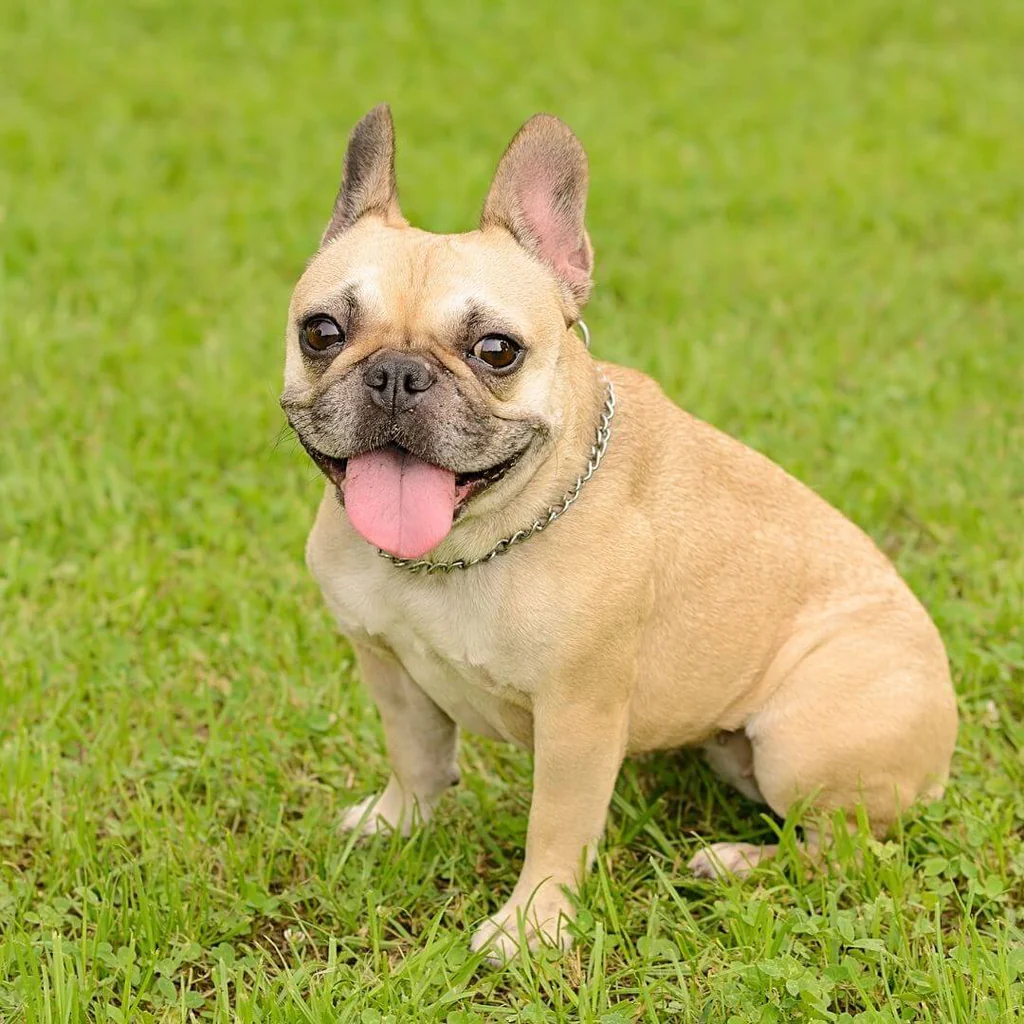
- French Bulldog: Often considered by people looking for a compact companion. Meet the individual dog and consider its training, everyday care, activity needs, and comfort in your local conditions rather than assuming a short coat makes care simple.
- Maltese: Often appeals to people who want a small companion dog. Consider whether you can keep up with grooming, regular exercise, training, and the individual dog's need for companionship and quiet rest.
- Shih Tzu: Often considered for a smaller home because of its compact size. As with any breed, make room for grooming, daily outings, training, and an individual dog's preferences and energy level.
Why this helps
- ✓ Offers three relevant starting points from the page brief.
- ✓ Keeps the focus on individual fit rather than promises about a breed.
- ✓ Includes care needs beyond apartment size.
Watch out for
- ! Breed descriptions cannot predict barking, energy, or temperament in one dog.
- ! A small dog still needs regular outdoor time and enrichment.
- ! Grooming, training, and companionship needs differ between individual dogs.
How to Meet a Dog's Needs Without a Yard
- Schedule regular outdoor toilet breaks and walks rather than waiting until the dog is restless.
- Use walks for more than distance by allowing safe opportunities to sniff, observe, and practice calm leash skills.
- Set aside short training sessions for useful apartment skills, such as settling on a mat, waiting at doors, and responding to a cue.
- Provide appropriate indoor enrichment and rotate it so the home does not become predictable and dull.
- Create a comfortable resting place away from the front door or a busy window when possible.
- Keep a backup plan for demanding workdays, poor weather, illness, or times you cannot provide the usual outing.
Why this helps
- ✓ Gives the dog predictable outlets without relying on a yard.
- ✓ Can support calm behavior in a shared building.
- ✓ Makes busy days easier to plan for.
Watch out for
- ! Outdoor care requires consistency in all seasons.
- ! Indoor activities do not replace every dog's need for outdoor movement and exploration.
- ! Some dogs may need individualized training support.
What “Low Exercise” Means in Apartment Living
Apartment Skills That Matter as Much as Size
- Practice calm departures and arrivals so the hallway and front door are less exciting.
- Reward quiet, settled behavior instead of expecting a dog to ignore every outside sound immediately.
- Use a comfortable resting area and limit visual triggers if the dog reacts to windows or corridor activity.
- Build polite leash habits for elevators, stairs, lobbies, and close encounters with people or other dogs.
- Introduce visitors thoughtfully and give the dog a quiet option rather than forcing interaction.
- Address repeated barking, distress, or difficulty settling early with a qualified professional if needed.
Why this helps
- ✓ Helps protect neighbor relationships and the dog's comfort.
- ✓ Makes common areas safer and easier to navigate.
- ✓ Builds useful habits for any home, not only an apartment.
Watch out for
- ! Training takes repetition and patience.
- ! Unexpected building noise can still be challenging.
- ! Some behavior concerns need individualized support.
Common Mistakes When Choosing an Apartment Dog
- Choosing only by a dog's size or appearance.
- Assuming no yard means a dog will need less exercise or outdoor time.
- Expecting a puppy to manage a full workday without frequent care, training, and supervision.
- Overlooking building pet rules, elevator access, walking routes, or seasonal weather.
- Treating grooming as separate from the time and budget needed for total care.
- Waiting for neighbor complaints or established distress before working on noise and settling.
- Skipping a backup-care plan for travel, long workdays, or emergencies.
Checklist: Is This Dog a Fit for Your Apartment?
- I can provide regular walks, toilet breaks, training, and enrichment without relying on a yard.
- I have checked my building's pet rules and know where I can safely walk a dog.
- I can manage the dog's grooming and routine care needs over time.
- I understand that an individual dog's temperament matters more than its breed label alone.
- I have a plan for hallway noise, visitors, work calls, and time away from home.
- I can budget for veterinary care, food, supplies, training, and backup support.
- I am prepared to adapt the routine as the dog settles into the home.
Why this helps
- ✓ Turns a broad housing question into practical decisions.
- ✓ Highlights gaps before you make a commitment.
- ✓ Supports a more sustainable match for both person and dog.
Watch out for
- ! It may lead you to delay a decision while you improve the plan.
- ! A checklist cannot replace learning about an individual dog.
- ! The plan may need adjustment as your circumstances change.
A Practical Next Step Before You Choose
Frequently asked questions
What dog is best for an apartment without a yard?
The best dog is an individual dog whose exercise, training, grooming, and companionship needs fit your daily routine. French Bulldogs, Maltese, and Shih Tzus are three compact breeds to research from this guide's brief, but meet the individual dog and plan for regular walks and care.
Can a dog be happy in a small apartment with no yard?
Many dogs can live well in a small apartment when they receive regular outdoor time, exercise, enrichment, training, and rest. A yard can be useful, but it does not replace those needs; a consistent routine matters more.
Are small dogs always best for apartments?
No. Small size can make a dog easier to manage in limited space, but energy level, noise, training needs, grooming, and individual temperament matter too. Some small dogs need a very active routine, while some larger dogs may settle quietly indoors after appropriate exercise. When researching best dog for small apartment no yard, always prioritize individual veterinary assessment over general breed assumptions.
What are low exercise dog breeds for apartments?
A lower exercise routine does not mean a dog needs little care. Look for an individual dog whose total needs for walks, play, training, grooming, and companionship fit your lifestyle rather than relying only on a low-exercise label.
How often should an apartment dog go outside?
There is no single schedule for every dog. Age, health, training, and individual needs all matter. Plan regular toilet breaks and exercise, then adjust with advice from a licensed veterinarian if you have questions about your dog's needs.
Do apartment dogs need daily walks?
Dogs generally need regular opportunities for outdoor toilet breaks, movement, and enrichment. The exact routine depends on the individual dog, but indoor space and a yard are not complete substitutes for those outings.
How can I reduce barking in an apartment?
Start with management and gradual training: provide a calm resting area, reduce predictable triggers where possible, reward quiet behavior, and practice short periods of settling. If barking is persistent or the dog seems distressed, seek individualized help from a qualified professional.
Are French Bulldogs good for small apartments?
A French Bulldog may suit some apartment households because of its compact size, but individual temperament, training, activity needs, routine care, and comfort in local conditions all matter. Do not assume every French Bulldog will be an easy apartment match.
Are Maltese good apartment dogs?
A Maltese may be a good fit for some smaller homes, especially for people prepared for its grooming, exercise, training, and companionship needs. Meet the individual dog and compare its needs with your own routine before deciding.
Are Shih Tzus good for apartments?
A Shih Tzu may suit some apartment households, but compact size does not remove the need for regular outings, grooming, training, and individual attention. Learn about the particular dog as well as the breed.
Should I get a puppy in a small apartment?
A puppy can work in some apartments, but puppies need frequent toilet breaks, supervision, training, and socialization. Consider whether your work schedule, building access, and available support leave room for that intensive early-care period.
What should I ask a rescue or breeder about an apartment dog?
Ask about the dog's known daily routine, activity level, response to household sounds, comfort with handling and walks, grooming needs, and how it settles after exercise. Then compare the answers with your building, schedule, and backup-care plan.

Quick answers
View more answersBest dog for a small apartment with no yard?
Choose an individual dog whose exercise, training, grooming, and companionship needs fit the routine you can maintain every day.
Can dogs live in apartments without yards?
Yes, when regular outdoor breaks, exercise, enrichment, training, and rest are built into a reliable routine.
Are small dogs better for apartments?
Size is only one factor. Individual energy, noise, training, grooming, and care needs are equally important.
How do I exercise a dog with no yard?
Plan regular walks, toilet breaks, training, play, and appropriate enrichment based on the individual dog's needs.
How can I prepare an apartment for a dog?
Set up a quiet resting place, identify safe walking routes, plan regular breaks, and arrange backup care for busy days.
Related DogBreedCompass guides
- French Bulldog breed guide – Explore the care and temperament considerations for one compact breed in this guide.
- Maltese breed guide – Learn more about the grooming and daily-care considerations for a Maltese.
- Shih Tzu breed guide – Compare the routine and care needs of another compact companion breed.
- can I have a dog in an apartment – Review practical considerations for keeping a dog in an apartment before making a choice.
- low-barking small apartment dogs – Compare approaches for managing noise in a small shared-space home.
Important reminder
This guide is not medical advice. If your dog shows pain, sudden behavior change, or worsening symptoms, consult a licensed veterinarian.
Some links may be affiliate links. We may earn a commission at no extra cost to you. We only suggest products we believe are helpful for dog owners.
Want more tailored help?
Take the Lifestyle Match quiz to see which breeds and guides best fit your day-to-day life.
Take the quizMore guides you might like

Best Rescue Dog Breeds: What to Expect Adopting vs Buying a Dog

Best Dog for Hot Climates: A Breed Comparison Guide

Pug vs Shih Tzu: Which Small Dog is Right for You?

Best Dog Breeds for Multi-Dog Households: Social, Pack-Friendly Picks

Best Dogs for Retirees & Seniors: Low-Energy, Loyal & Easy to Handle

Siberian Husky vs Vizsla: Which Breed is Right for You?
Find your match
Not sure which breed is right for you? Take our 2-minute quiz to find out.
Take the quiz